
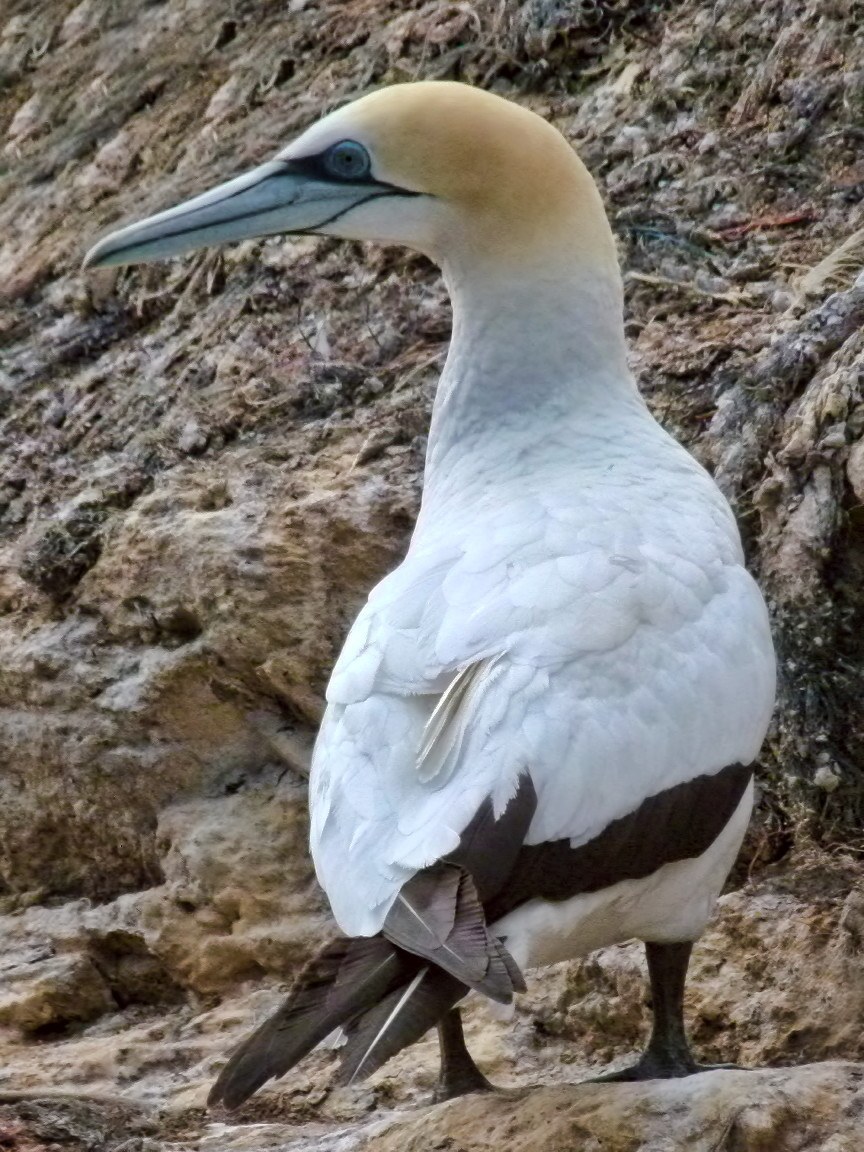
Australasian Gannet
Morus serrator
A large white seabird with black wingtips and black central tail feathers that nests in dense colonies around Australia and New Zealand.
- Size
- 84-91 cm (33-36 in) long, 170-180 cm wingspan
- Habitat
- coastal cliffs, offshore stacks, and islands of Australia and New Zealand, nearby continental shelf waters
- Type
- seabird
Spotted a bird like this?
Identify any bird from a photo, free.
Overview
The Australasian Gannet is a big, elegant seabird with brilliant white plumage set off by black flight feathers and a warm apricot-yellow wash on the head. Its long, straight bill and streamlined, cigar-shaped body are built for powerful, high-speed plunge dives, and in flight it shows crisp black-and-white contrast with a pointed tail.
Colonies range from a handful of pairs on rocky stacks to enormous, densely packed cities of thousands of birds, and the species is a familiar and much-loved sight along the coasts of southeastern Australia and New Zealand.
How to identify it
Key field marks
- White body with black wingtips
- Golden-buff head fading into white neck
- Black central tail feathers, distinguishing it from Cape Gannet
- Pale, straight, dagger-shaped bill
Similar species
- Cape Gannet looks almost identical but lacks black central tail feathers and occurs off southern Africa rather than Australasia.
- Northern Gannet is a larger, non-overlapping relative found in the North Atlantic.
- Immature birds are mottled grey-brown and gradually whiten over three to four years before reaching full adult plumage.
Habitat & range
Australasian Gannets breed on offshore islands, rock stacks, and a few mainland headlands around southeastern Australia (including Port Phillip Bay) and New Zealand, where colonies such as Cape Kidnappers and Muriwai are well known. They forage over continental shelf waters, often visible from shore as they patrol and dive along coastlines.
After breeding, many birds, especially juveniles, disperse across the Tasman Sea between Australia and New Zealand, with some individuals undertaking substantial trans-Tasman movements before returning to breed.
Behavior & voice
Behavior
These gannets are dramatic plunge-divers, climbing to height before folding into a streamlined dart and hitting the water at speed to seize fish; they often hunt in loose flocks over baitfish schools alongside dolphins and other seabirds.
Voice
Colonies are noisy, with birds giving harsh, rhythmic "urrah" calls during greeting ceremonies, bill-fencing displays, and territorial disputes at the nest.
Feeding
Small schooling fish and squid make up the bulk of the diet, located visually from the air before a steep dive.
Nesting and breeding
Pairs are typically monogamous and reuse the same nest site over multiple seasons, building a mound of seaweed, guano, and debris; a single egg is incubated by both parents, warmed under the webs of their feet rather than a brood patch.
Frequently asked questions
Where can I see Australasian Gannets?
Major colonies are found at sites such as Cape Kidnappers and Muriwai in New Zealand and several islands and headlands in southeastern Australia.
How do Australasian Gannets differ from Cape Gannets?
Australasian Gannets have black central tail feathers, which Cape Gannets lack; otherwise the two species are nearly identical.
What do Australasian Gannets eat?
Mainly small schooling fish like pilchards and anchovies, plus squid, caught by high-speed plunge-diving.
Do Australasian Gannets mate for life?
Pairs are generally monogamous and often reunite at the same nest site in successive breeding seasons.
How deep can Australasian Gannets dive?
They typically dive just a few meters underwater after impact, using the momentum of their high-speed plunge to chase fish briefly beneath the surface.
Australasian Gannet guides
In-depth guides for identifying, finding, and understanding Australasian Gannet.
Other birds you may enjoy
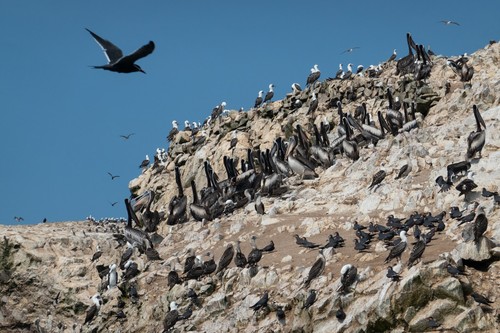
Peruvian Pelican
137-152 cm (54-60 in) long, up to 228 cm wingspan
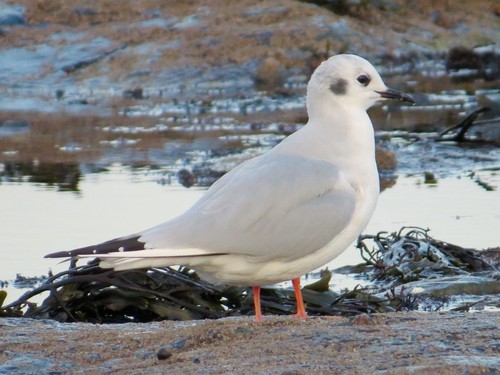
Bonaparte's Gull
28-33 cm (11-13 in) long, 76-84 cm wingspan
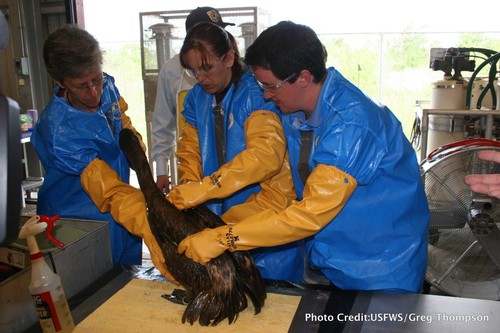
Brown Pelican
106-137 cm (42-54 in) long, 200-230 cm wingspan
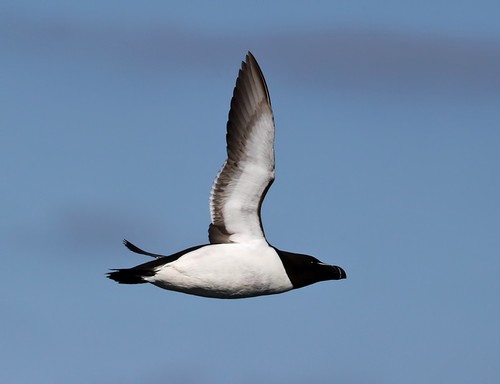
Razorbill
37-39 cm (15-15.5 in) long, 63-68 cm wingspan
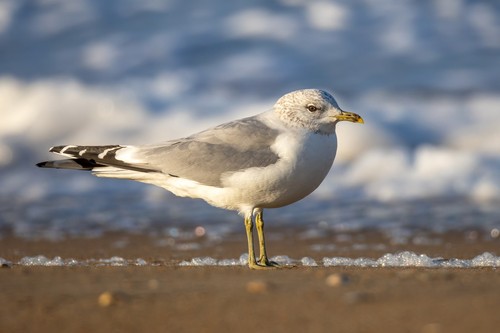
Common Gull
40-46 cm (16-18 in) long, 110-130 cm wingspan
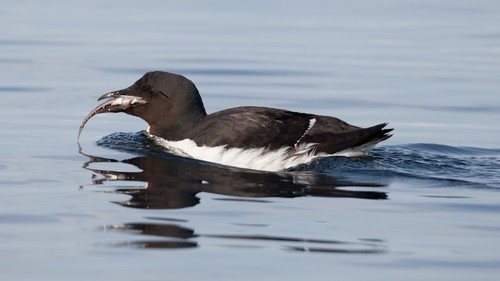
Thick-billed Murre
40-48 cm (16-19 in) long, 65-75 cm wingspan
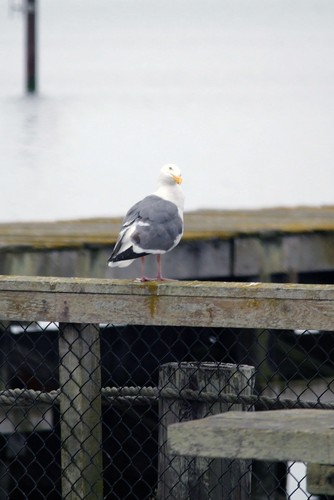
Western Gull
55-68 cm (22-27 in) long, 130-144 cm wingspan
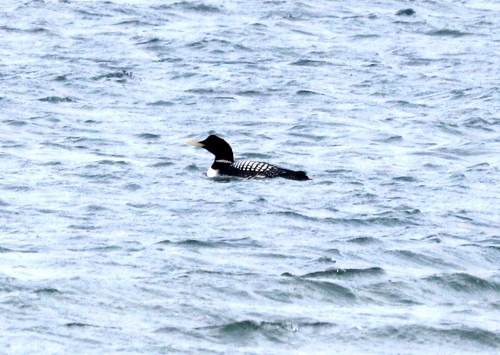
Yellow-billed Loon
76-97 cm (30-38 in) long, 135-152 cm wingspan
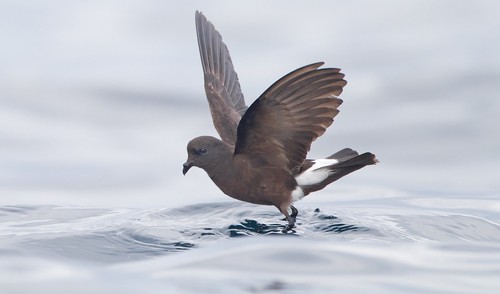
Wilson's Storm-Petrel
15-19 cm (6-7.5 in) long, wingspan 38-42 cm (15-16.5 in)
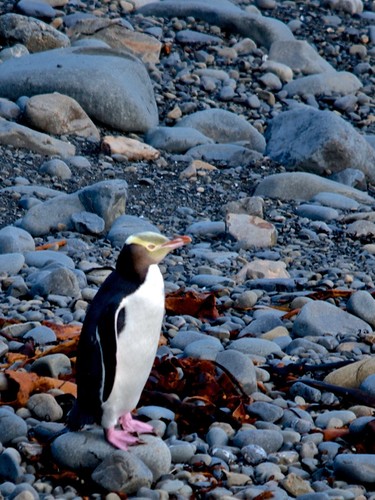
Yellow-eyed Penguin
62-79 cm (24-31 in) tall, 3-8.5 kg (6.6-18.7 lb)
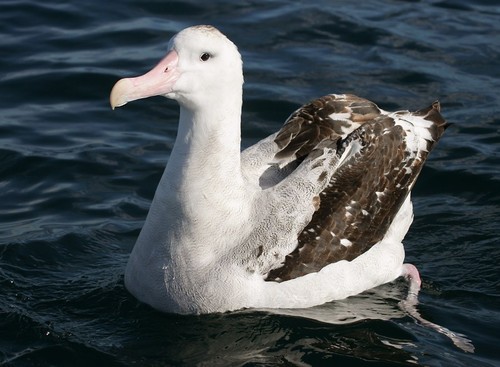
Wandering Albatross
107-135 cm (42-53 in) long, wingspan up to 3.5 m (11.5 ft)
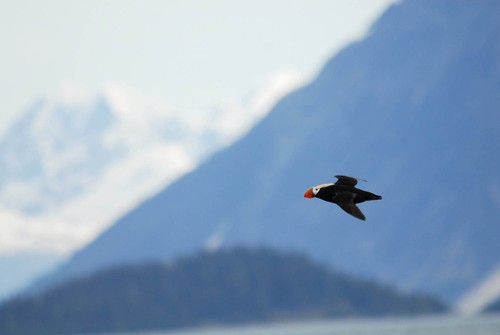
Tufted Puffin
35-41 cm (14-16 in) long, about 63-70 cm wingspan