
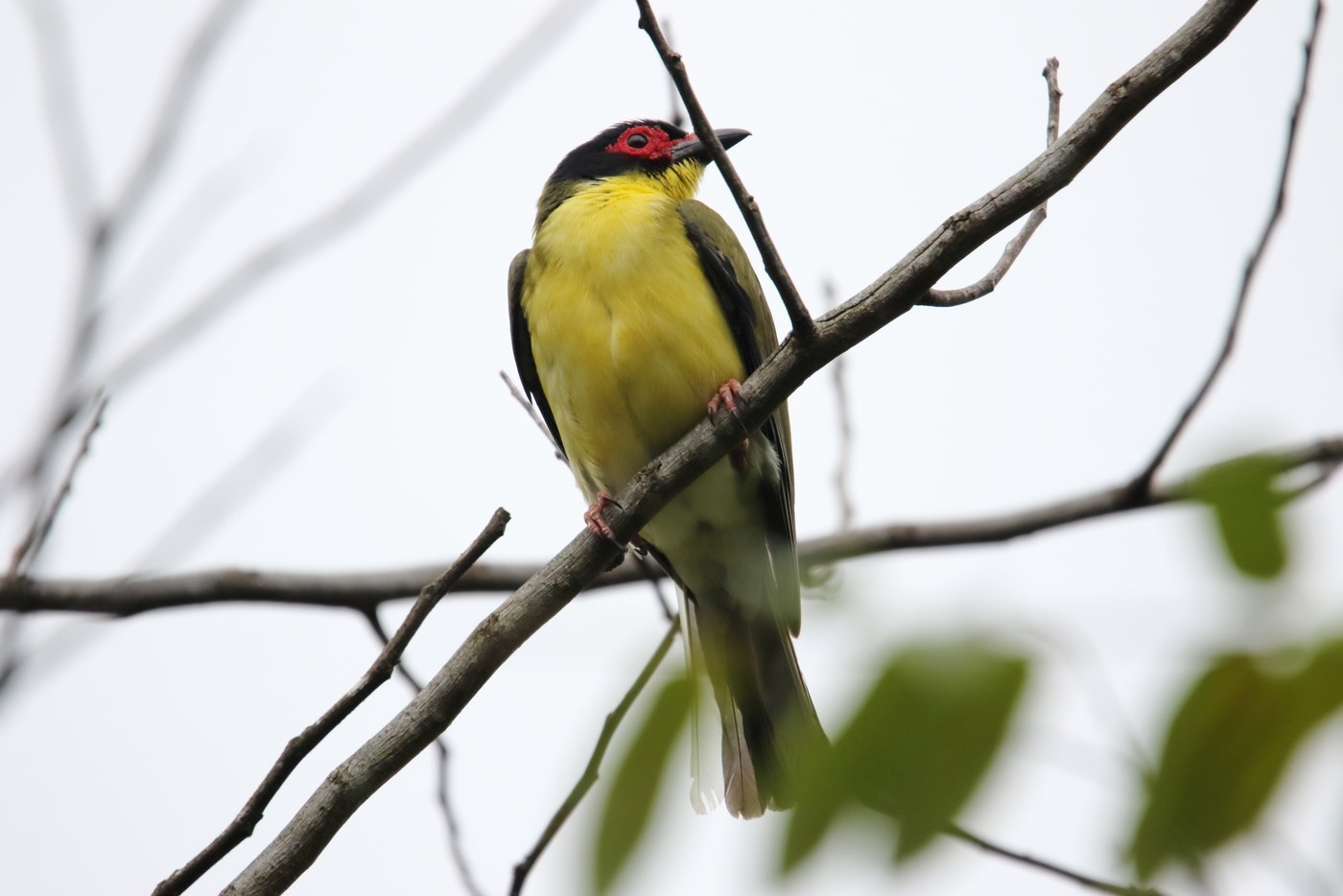
Australasian Figbird
Sphecotheres vieilloti
A stocky oriole relative with a patch of bare red or pink skin around the eye; males show a grey head and olive-green body, while females are streaky brown, and both gather in noisy flocks at fruiting fig trees.
- Size
- 27-29 cm (10.5-11.5 in) long, 40-45 cm wingspan
- Habitat
- rainforest, woodland, gardens, and fig trees in urban areas
- Type
- songbird
Spotted a bird like this?
Identify any bird from a photo, free.
Overview
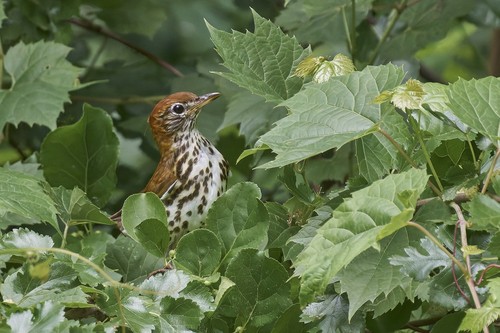
The Australasian Figbird is a stocky, medium-sized songbird related to the orioles, most easily recognized by a patch of bare, brightly colored skin (typically red or pink) surrounding the eye, which stands out against the surrounding plumage. Males have an olive-green back and wings with a grey head (a dark, near-black cap in some southern populations), while females and immatures are much duller, heavily streaked in brown and buff, providing a strong contrast between the sexes.
One of the most conspicuous fruit-eating birds of eastern and northern Australia's rainforest edges and urban fig trees, it is often encountered in noisy, active flocks descending on a fruiting tree, calling constantly and squabbling over the best fruit.
How to identify it
Key field marks
- Bare red or pink skin patch around the eye
- Male: grey or blackish head, olive-green back and wings, pale to grey underparts
- Female: heavily streaked brown and buff overall, much duller than the male
- Stocky build with a fairly heavy, slightly downcurved bill
Similar species
- Olive-backed Oriole lacks the bare facial skin patch and has a plain red eye instead, with streaked underparts in both sexes.
- No other Australian songbird combines a bare colored eye-patch with an otherwise plain olive-green or streaked body.
Habitat & range
Habitat
Found in rainforest edges, open woodland, mangroves, parks, and gardens, especially where fig trees are present.
Range
Widespread across northern and eastern Australia, from the Kimberley region of Western Australia across the Top End and Cape York, south along the coast through Queensland to central New South Wales.
Migration
Mostly sedentary, though flocks may move locally in search of fruiting trees.
Behavior & voice
Behavior
Highly social, typically foraging and moving in noisy flocks, especially at fruiting fig trees where dozens of birds may gather; often shares food trees with other frugivorous species.
Voice
A loud, varied series of chattering, whistled, and squeaky notes, frequently given by multiple birds at once in a flock.
Feeding
Feeds heavily on fruit, particularly figs, supplemented with insects gleaned from foliage.
Nesting
Builds a shallow, cup-shaped nest of twigs and vine tendrils, slung in a high tree fork; lays 2-4 pale eggs with darker markings.
Frequently asked questions
How do you tell a male from a female Australasian Figbird?
Males have a grey or blackish head and plain olive-green body, while females are heavily streaked brown and buff, much duller overall.
What is the colored patch around a Figbird's eye?
It is an area of bare, brightly colored skin, typically red or pink, that surrounds the eye and is a key identifying feature of the species.
What does an Australasian Figbird eat?
Mainly fruit, especially figs, along with some insects gleaned from foliage.
Where does the Australasian Figbird live?
Across northern and eastern Australia from the Kimberley to central New South Wales, in rainforest edges, woodland, and gardens with fig trees.
Australasian Figbird guides
In-depth guides for identifying, finding, and understanding Australasian Figbird.
Other birds you may enjoy
Black Redstart
13-14.5 cm (5.1-5.7 in) long, 23-26 cm wingspan
Black-throated Sparrow
12-14 cm (4.7-5.5 in) long, about 19-20 cm (7.5-8 in) wingspan
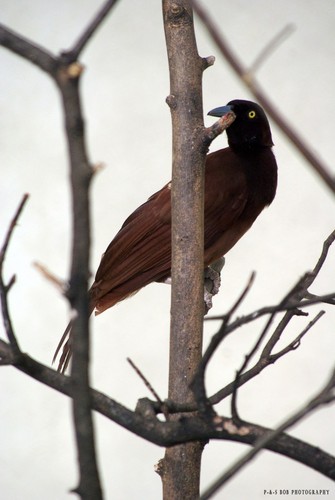
Greater Bird-of-paradise
Body about 43 cm; males with additional flank plumes up to 50 cm and long tail wires
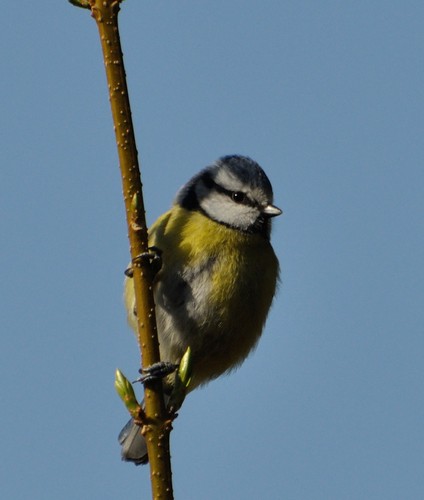
Blue Tit
11-12 cm (4.3-4.7 in) long, 17-20 cm wingspan
Red-billed Quelea
11.5–13 cm long, wingspan about 20–22 cm
White-plumed Antbird
13-14 cm (5-5.5 in) long
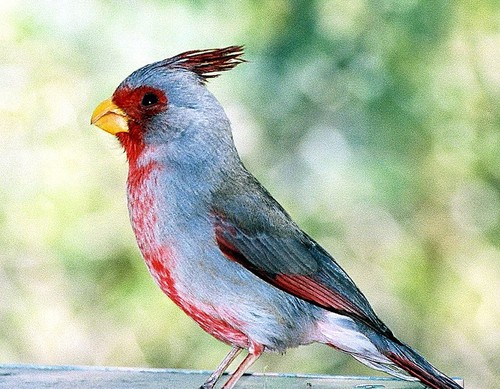
Pyrrhuloxia
19-22 cm (7.5-8.7 in) long, 30 cm wingspan
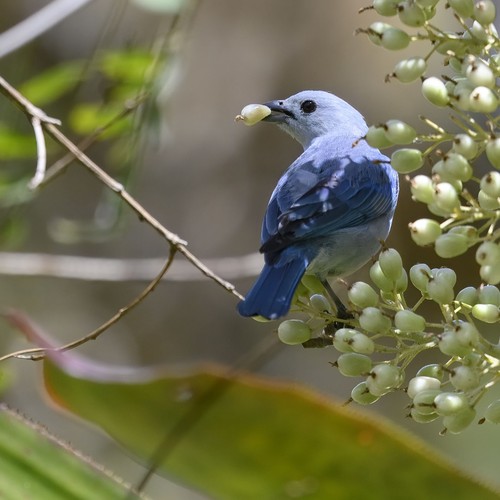
Blue-gray Tanager
16-18 cm (6-7 in) long
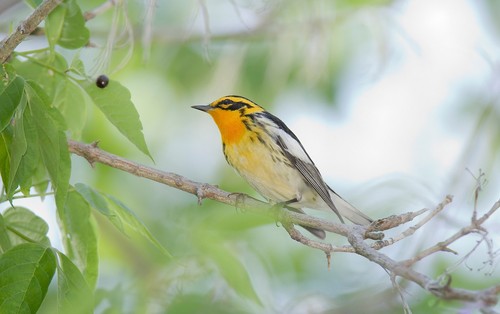
Blackburnian Warbler
11-13 cm (4.3-5.1 in) long, 20-22 cm wingspan
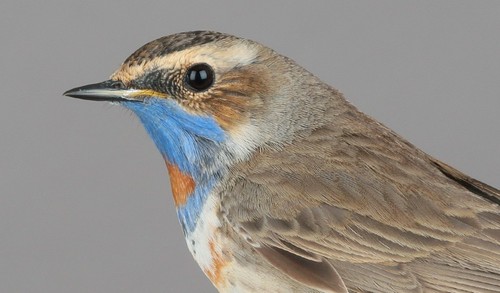
Bluethroat
13-14 cm (5.1-5.5 in) long, 20-22 cm wingspan
Eurasian Nuthatch
12-14.5 cm (4.7-5.7 in) long, 22.5-27 cm wingspan
Wood Thrush
19-21 cm (7.5-8.3 in) long, about 33 cm (13 in) wingspan