
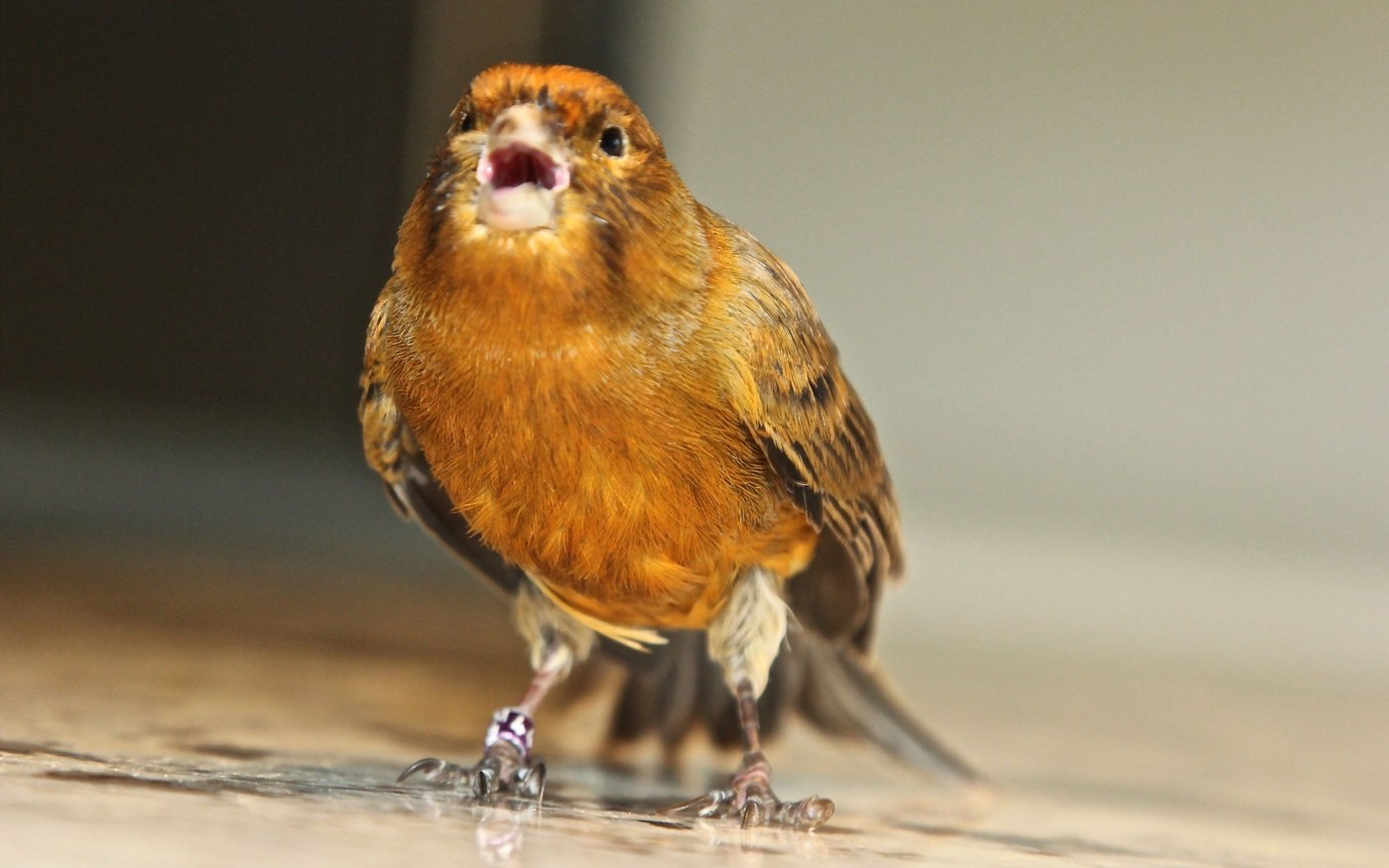
Atlantic Canary
Serinus canaria
A small, streaky yellow-green finch native to the Canary Islands, Azores, and Madeira, and the wild ancestor of the familiar Domestic Canary.
- Size
- About 12.5 cm (5 in) long; small finch
- Habitat
- Woodland edge, scrub, and cultivated land on Macaronesian islands
- Type
- songbird
Spotted a bird like this?
Identify any bird from a photo, free.
Overview
Overview
The Atlantic Canary, also called the Island Canary, is a small finch native to the Macaronesian archipelagos of the eastern Atlantic. It is the wild ancestor from which the many-colored Domestic Canary was bred.
Plumage
Wild birds are considerably duller than the familiar bright yellow domestic form: the upperparts are streaked olive-green and grey-brown, the face and breast are yellow-green, and the belly is paler grey-white. Males show slightly brighter yellow-green tones on the face and breast than females, which are more uniformly streaked and subdued.
How to identify it
Field Marks
- Small finch with olive-green, streaked upperparts and a yellow-green face and breast
- Pale grey-white belly and undertail
- Short, conical, pale bill typical of seed-eating finches
Similar Species
The Atlantic Canary resembles other Serinus species such as the European Serin, but is somewhat larger and has a proportionally longer tail and less contrasting streaking; range is also a strong clue, since the Atlantic Canary is essentially confined to Macaronesia while the Serin is a mainland European and North African species.
Habitat & range
Habitat & Range
The species is native to the Canary Islands, Azores, and Madeira, where it inhabits woodland edges, scrubby hillsides, gardens, parks, and cultivated farmland from near sea level up into higher forested zones such as laurel forest and pine woodland.
Atlantic Canaries are largely non-migratory, remaining resident on their home islands year-round, though some local altitudinal movement can occur outside the breeding season in response to food availability.
Behavior & voice
Behavior
Atlantic Canaries are active and often approachable, foraging in small flocks or family groups outside the breeding season and frequenting gardens and cultivated areas as readily as natural scrub and woodland.
Voice
The song is a bright, sustained, musical warbling of trills and varied notes, delivered from an exposed perch or in flight; this natural song was a key reason the species was originally captured and bred, eventually giving rise to specialized song-canary breeds.
Feeding
Birds feed primarily on small seeds gathered from grasses and low plants, supplemented with buds and occasional small insects.
Nesting & Breeding
Pairs build a neat cup nest of grass and plant fibers in a shrub or tree, laying small clutches of pale, lightly speckled eggs that the female incubates while the male provides food.
Frequently asked questions
Is the Atlantic Canary the ancestor of the pet canary?
Yes, the Domestic Canary was bred from wild Atlantic Canary stock taken from Macaronesian islands beginning in the 15th–16th centuries.
Where does the Atlantic Canary live?
It is native to the Canary Islands, Azores, and Madeira in the eastern Atlantic, inhabiting woodland edges, scrub, and cultivated land.
Is the wild Atlantic Canary bright yellow like a pet canary?
No, wild birds are duller, streaked olive-green and grey with a yellow-green face and breast, quite different from the solid bright yellow common in domestic breeds.
Is the Atlantic Canary threatened?
No, it is classified as Least Concern with a stable population across its island range.
What does the Atlantic Canary eat?
Mainly small seeds from grasses and low plants, along with buds and occasional insects.
Atlantic Canary guides
In-depth guides for identifying, finding, and understanding Atlantic Canary.
Other birds you may enjoy
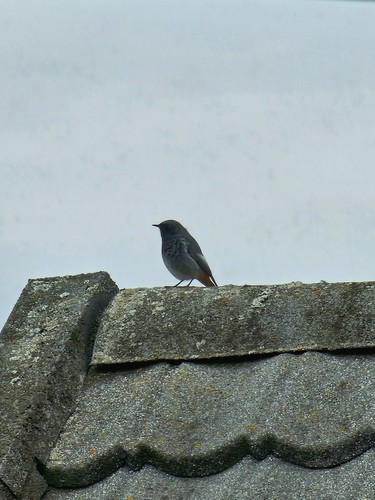
Black Redstart
13-14.5 cm (5.1-5.7 in) long, 23-26 cm wingspan
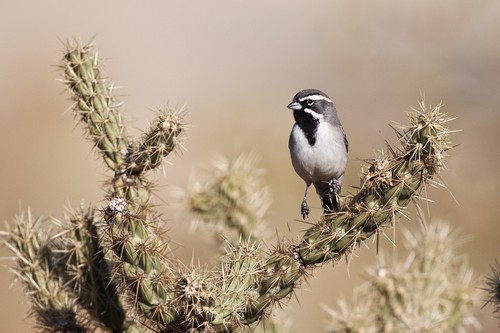
Black-throated Sparrow
12-14 cm (4.7-5.5 in) long, about 19-20 cm (7.5-8 in) wingspan
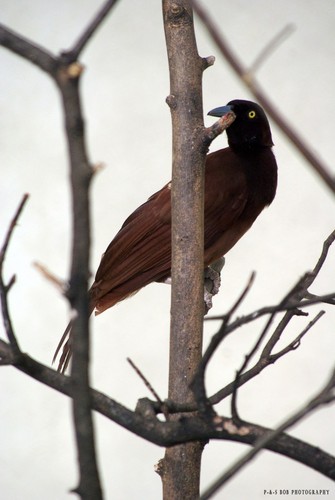
Greater Bird-of-paradise
Body about 43 cm; males with additional flank plumes up to 50 cm and long tail wires
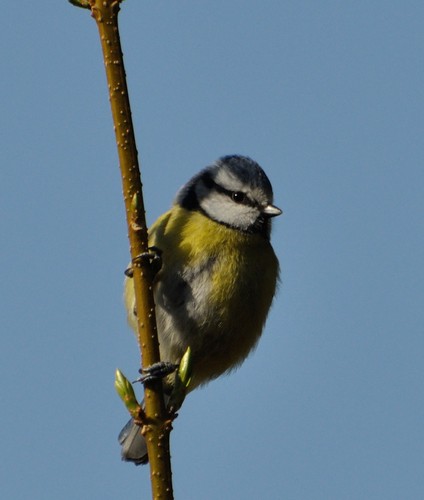
Blue Tit
11-12 cm (4.3-4.7 in) long, 17-20 cm wingspan
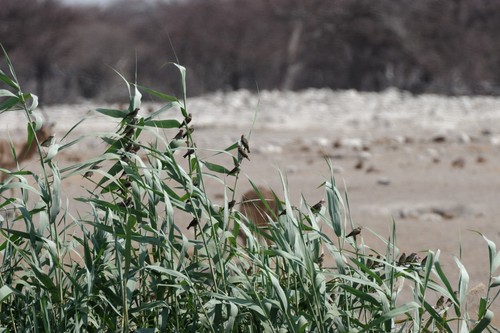
Red-billed Quelea
11.5–13 cm long, wingspan about 20–22 cm
White-plumed Antbird
13-14 cm (5-5.5 in) long
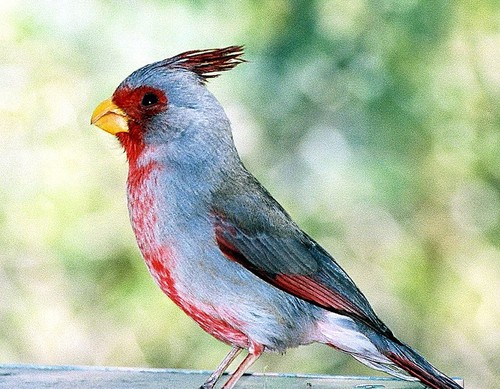
Pyrrhuloxia
19-22 cm (7.5-8.7 in) long, 30 cm wingspan
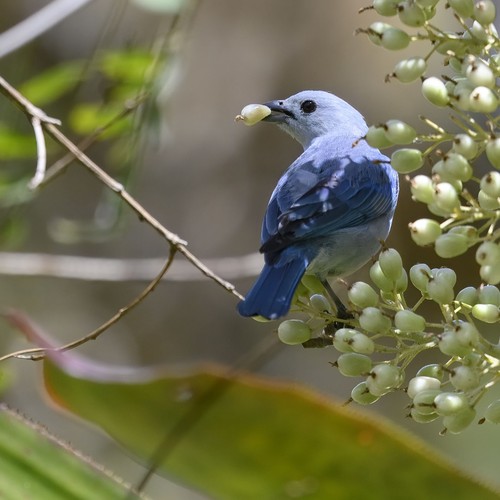
Blue-gray Tanager
16-18 cm (6-7 in) long
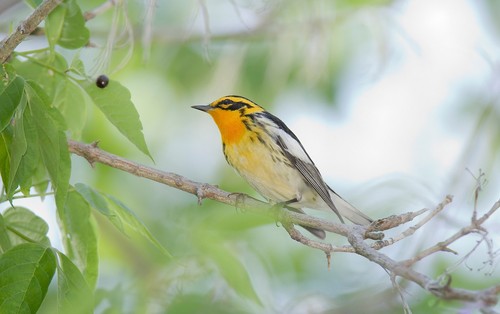
Blackburnian Warbler
11-13 cm (4.3-5.1 in) long, 20-22 cm wingspan
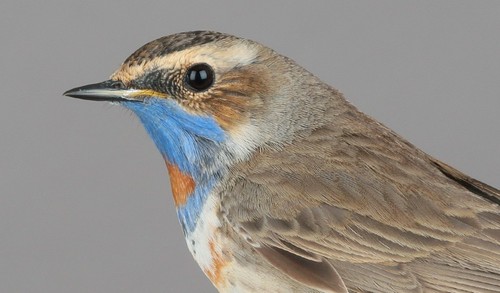
Bluethroat
13-14 cm (5.1-5.5 in) long, 20-22 cm wingspan
Eurasian Nuthatch
12-14.5 cm (4.7-5.7 in) long, 22.5-27 cm wingspan
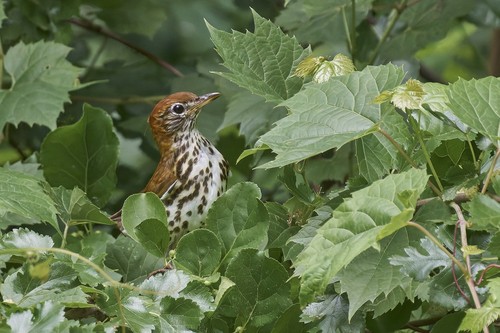
Wood Thrush
19-21 cm (7.5-8.3 in) long, about 33 cm (13 in) wingspan