
Atlantic Canary Identification Guide
The modestly streaked, olive-and-yellow wild ancestor of the domestic canary, native to the Macaronesian islands of the eastern Atlantic.
Read the full Atlantic Canary encyclopedia entry →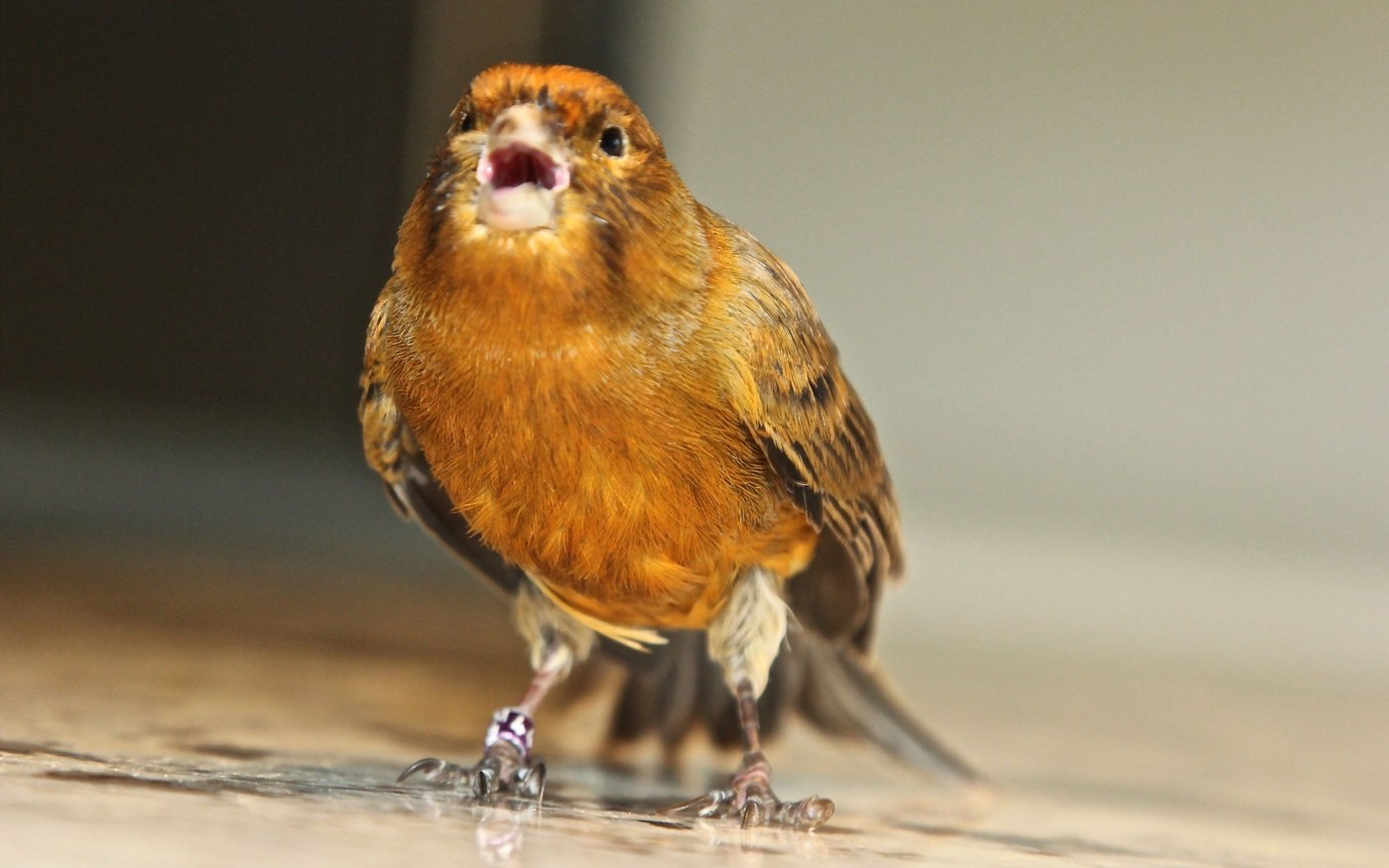
Key Field Marks
- Small finch, noticeably duller and more streaked than the bright yellow domestic canaries derived from it.
- Upperparts olive-green to grayish-brown with dark streaking; underparts show a yellow-green wash on the face, throat, and breast, fading to grayer, lightly streaked flanks and belly.
- Bill is short, conical, and pale, typical of a seed-eating finch.
- Overall a subtly patterned, streaky little finch rather than the uniform bright yellow of the familiar cage-bird form.
Separating from Similar Species
- Domestic/escaped canaries: typically much brighter, more uniformly yellow (sometimes white, orange, or variegated) due to selective breeding, and lack the wild bird's heavier streaking and olive tones.
- European Serin: smaller and stubbier-billed, with a brighter yellow rump patch that contrasts with the back — a useful mark not shown by Atlantic Canary.
- Told from most other native finches by the combination of small size, streaked olive upperparts, and yellow-green face and breast.
Habitat & Range
- Endemic to the Macaronesian archipelagos of the eastern Atlantic: the Canary Islands, Azores, and Madeira.
- Inhabits open woodland (including laurel and pine forest edges), scrubby hillsides, gardens, orchards, and cultivated farmland with scattered trees and bushes.
- Non-migratory resident within its island range; often found in small flocks outside the breeding season.
Voice
- Song is a rich, musical, sustained trilling and twittering warble, similar in quality to the song of domestic canaries (which were bred from this species) — pleasant, high-pitched, and continuous.
Frequently asked questions
Is the wild Atlantic Canary the same bright yellow as pet canaries?
No, the wild Atlantic Canary is duller and more streaked, with olive-green upperparts and a yellow-green face and breast; bright yellow domestic canaries were produced through selective breeding.
Where is the Atlantic Canary found?
It is endemic to the Macaronesian islands of the eastern Atlantic: the Canary Islands, the Azores, and Madeira.
How do I tell Atlantic Canary from European Serin?
European Serin is smaller with a stubbier bill and a bright yellow rump patch that contrasts with its back, a mark the Atlantic Canary does not show.
What does the Atlantic Canary's song sound like?
A rich, musical, sustained trilling warble, similar to the song of the domestic canaries that were bred from this wild species.