
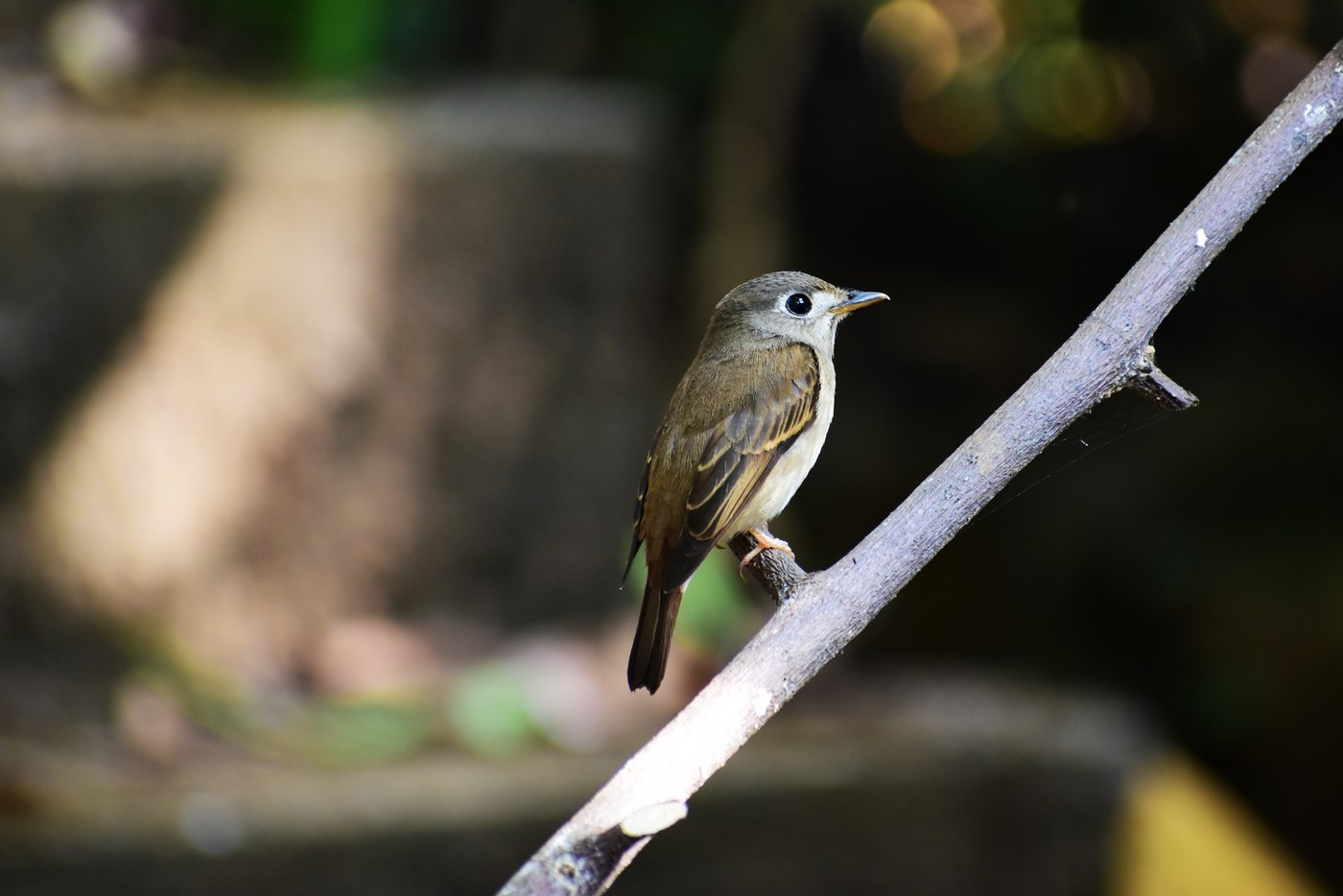
Asian Brown Flycatcher
Muscicapa dauurica
A plain, understated grey-brown flycatcher best identified by its upright posture, white eye-ring, and habit of sallying out after insects.
- Size
- 12-14 cm (4.7-5.5 in) long
- Habitat
- forests, woodland edge, and gardens
- Type
- songbird
Spotted a bird like this?
Identify any bird from a photo, free.
Overview
The Asian Brown Flycatcher is a small, plainly plumaged bird typical of the true flycatcher family, with uniform grey-brown upperparts and whitish underparts washed with a soft brownish tone across the breast sides. A thin white eye-ring stands out against the plain face, and the bill is dark above with a paler, often pinkish base to the lower mandible.
Although its plumage offers few distinguishing marks, its behavior is highly characteristic: it perches upright and alert on an exposed twig, then makes short, agile sallies into the air to catch flying insects before returning to the same or a nearby perch.
How to identify it
Key field marks
- Plain grey-brown upperparts with no wing bars or strong pattern
- Whitish underparts with a diffuse brownish wash on the breast sides
- Thin white eye-ring
- Dark bill with a pale, often pinkish base to the lower mandible
- Upright posture and characteristic sallying flight after insects
Similar species
- Grey-streaked Flycatcher shows fine streaking on the breast, unlike the plain wash of the Asian Brown Flycatcher.
- Dark-sided Flycatcher has more diffuse, darker streaking on the breast and flanks and a more prominent eye-ring.
Habitat & range
Habitat
Uses forests, forest edges, woodland clearings, and gardens, typically in the mid-story or canopy edge where it has clear sightlines for sallying flights.
Range
Breeds across a large area of northeastern Asia including Russia, Mongolia, China, Korea, and Japan; winters across South and Southeast Asia.
Migration
A long-distance migrant, moving from northern breeding grounds to tropical wintering areas in South and Southeast Asia.
Behavior & voice
Behavior
Perches upright and alert on an exposed twig or branch, making short, darting sallies to catch flying insects in mid-air before returning to the same perch, a hunting style typical of true flycatchers.
Voice
A thin, high-pitched "tzee" call; the song is a simple, weak series of high notes, seldom heard outside the breeding grounds.
Feeding
Feeds almost exclusively on flying insects caught in the air, occasionally also gleaning insects from foliage.
Nesting
Builds a small cup nest, often in a tree fork or on a horizontal branch; lays 4-5 pale eggs with fine speckling.
Frequently asked questions
How do you identify an Asian Brown Flycatcher?
Look for plain grey-brown upperparts, whitish underparts with a soft brownish wash, a thin white eye-ring, and its habit of sallying from a perch to catch insects in flight.
How is the Asian Brown Flycatcher different from other similar flycatchers?
It lacks the breast streaking shown by the similar Grey-streaked and Dark-sided Flycatchers, appearing plainer overall.
What does an Asian Brown Flycatcher eat?
Almost exclusively flying insects, caught in short aerial sallies from a perch.
Where does the Asian Brown Flycatcher go in winter?
It migrates from its breeding grounds in northeastern Asia to spend the winter across South and Southeast Asia.
Asian Brown Flycatcher guides
In-depth guides for identifying, finding, and understanding Asian Brown Flycatcher.
Other birds you may enjoy
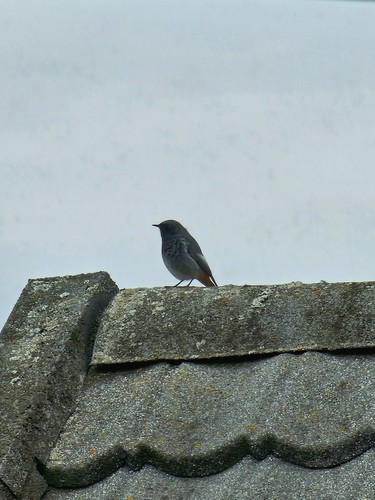
Black Redstart
13-14.5 cm (5.1-5.7 in) long, 23-26 cm wingspan
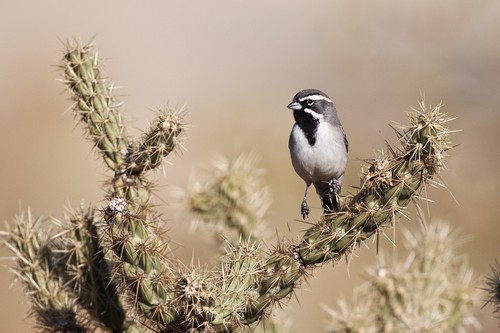
Black-throated Sparrow
12-14 cm (4.7-5.5 in) long, about 19-20 cm (7.5-8 in) wingspan
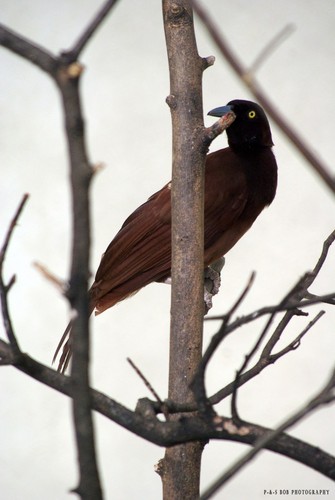
Greater Bird-of-paradise
Body about 43 cm; males with additional flank plumes up to 50 cm and long tail wires
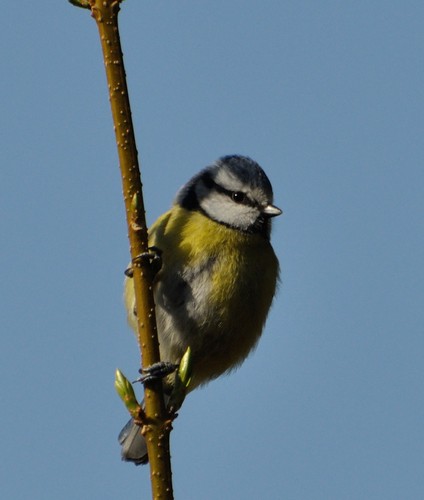
Blue Tit
11-12 cm (4.3-4.7 in) long, 17-20 cm wingspan
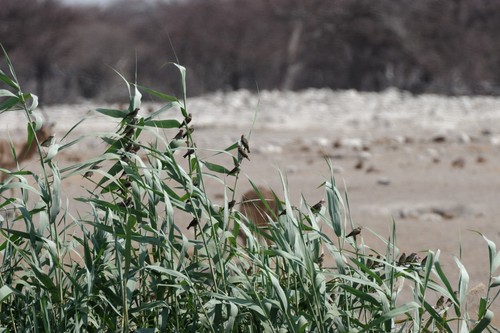
Red-billed Quelea
11.5–13 cm long, wingspan about 20–22 cm
White-plumed Antbird
13-14 cm (5-5.5 in) long
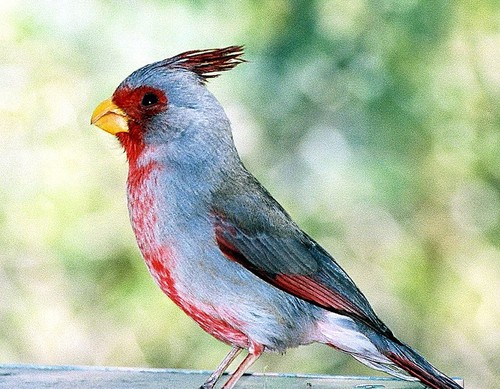
Pyrrhuloxia
19-22 cm (7.5-8.7 in) long, 30 cm wingspan
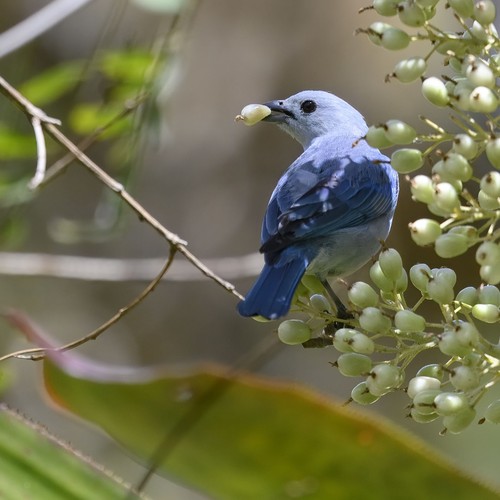
Blue-gray Tanager
16-18 cm (6-7 in) long
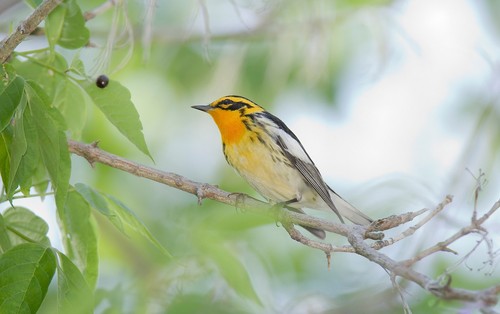
Blackburnian Warbler
11-13 cm (4.3-5.1 in) long, 20-22 cm wingspan
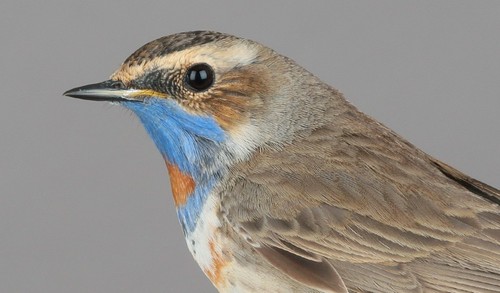
Bluethroat
13-14 cm (5.1-5.5 in) long, 20-22 cm wingspan
Eurasian Nuthatch
12-14.5 cm (4.7-5.7 in) long, 22.5-27 cm wingspan
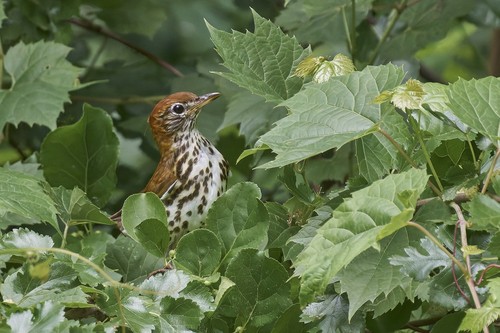
Wood Thrush
19-21 cm (7.5-8.3 in) long, about 33 cm (13 in) wingspan