
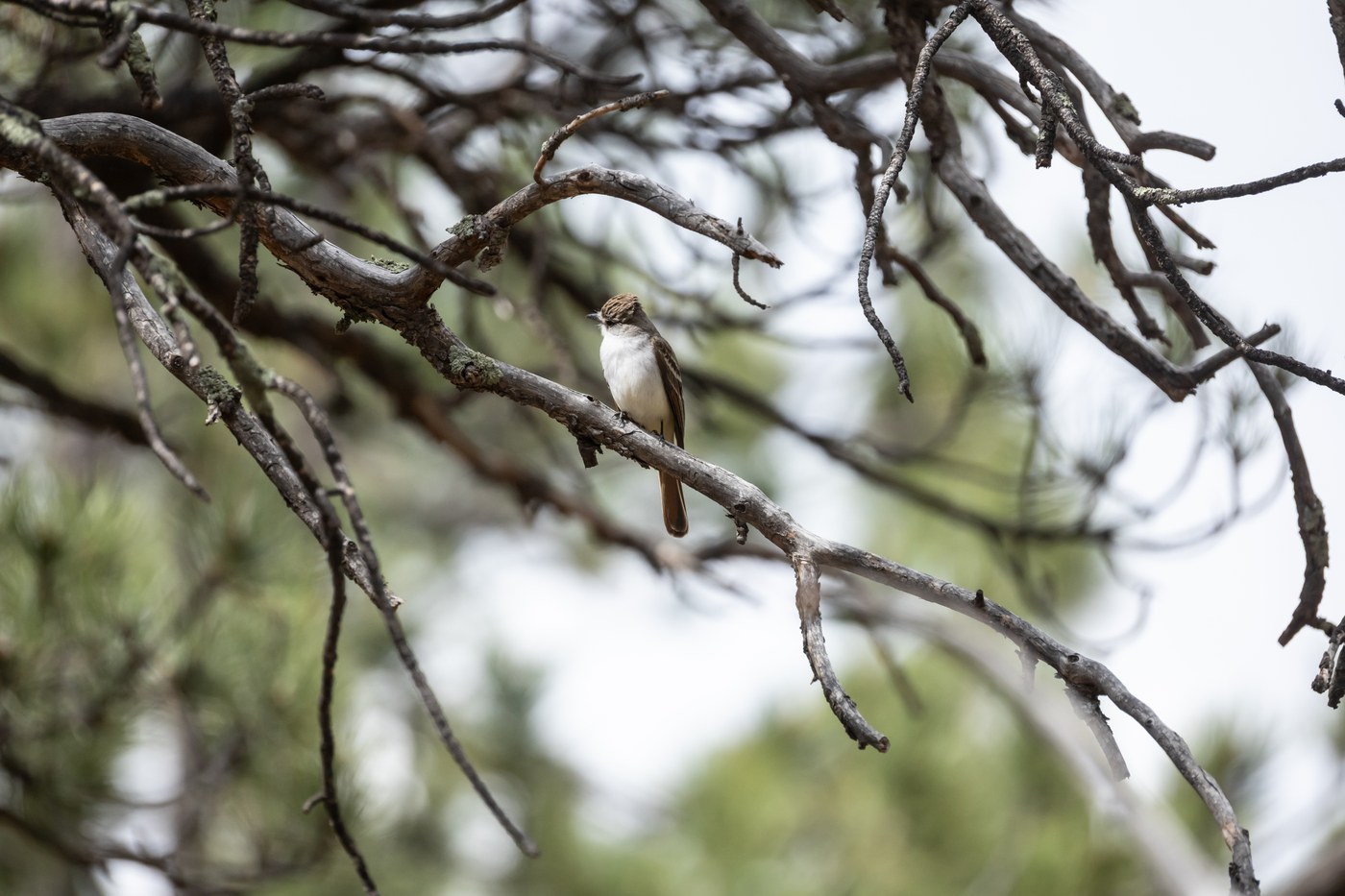
Ash-throated Flycatcher
Myiarchus cinerascens
A pale, dry-country flycatcher with a whitish-gray throat, soft yellow belly, and rufous tail, common in western deserts and scrub.
- Size
- 18-20 cm (7-8 in) long, 28-31 cm wingspan
- Habitat
- arid brushland, deserts, dry woodlands, and canyons of the western United States and Mexico
- Type
- songbird
Spotted a bird like this?
Identify any bird from a photo, free.
Overview
The Ash-throated Flycatcher is the most widespread of the western Myiarchus flycatchers, well suited to arid landscapes across the American Southwest. It shows a grayish-brown back, pale ashy throat, and soft lemon-yellow belly, with rufous edging in the wings and a notably rufous-and-dark tail. Its overall paler, drier-toned plumage compared to eastern relatives reflects the sun-baked habitats it occupies.
A cavity nester adapted to desert scrub, this species commonly uses old woodpecker holes in cactus, mesquite, and other desert trees, and is often detected first by its distinctive burry calls before being spotted perched in the open.
How to identify it
Key Field Marks
- Grayish-brown back and pale ash-gray throat and breast
- Soft, pale yellow belly (less vivid than Great Crested Flycatcher)
- Rufous edges to wing feathers and a mostly rufous tail with a dark terminal band
- Small, bushy crest
Similar Species
- Great Crested Flycatcher is brighter, with a more strongly contrasting yellow belly and darker gray throat; ranges overlap only marginally.
- Brown-crested Flycatcher is larger with a heavier bill and deeper yellow belly.
- Dusky-capped Flycatcher is smaller and darker with a less rufous tail; voice differs distinctly among all these species.
Habitat & range
Ash-throated Flycatchers breed across arid and semi-arid habitats of the western United States, including desert scrub, chaparral, oak woodland, mesquite grassland, and pinyon-juniper woodland, from California and the Great Basin east to Texas and south through Mexico.
The species winters primarily in Mexico and Central America, with some individuals remaining in the milder parts of the southwestern U.S. and coastal California in winter.
Behavior & voice
Voice
Gives a rough, burry ka-brick call and a rolling, whistled prrrt, often repeated persistently from a perch at dawn.
Feeding
Sallies from a perch to catch flying insects and also gleans prey from foliage, bark, and the ground; opportunistically eats small lizards and fruit, particularly cactus fruit in desert habitats.
Nesting
Nests in natural cavities or old woodpecker holes, including those in cactus, mesquite, and fence posts, and readily uses nest boxes; the nest cup is lined with fur, feathers, and plant material.
Frequently asked questions
How do I identify an Ash-throated Flycatcher?
Look for a pale grayish-brown flycatcher with an ashy throat, soft yellow belly, and rufous tail, typically found in arid brushland or desert habitats of the West.
How does the Ash-throated Flycatcher differ from the Great Crested Flycatcher?
It is paler overall, with a less vividly yellow belly and grayer throat, and occupies drier, more arid habitats than the Great Crested Flycatcher of eastern woodlands.
Where does the Ash-throated Flycatcher nest?
It nests in natural cavities or old woodpecker holes, including in cactus, mesquite, and fence posts, and readily accepts nest boxes.
Where do Ash-throated Flycatchers spend winter?
Most migrate to Mexico and Central America, though some remain in the milder parts of the southwestern U.S. and coastal California.
Ash-throated Flycatcher guides
In-depth guides for identifying, finding, and understanding Ash-throated Flycatcher.
Other birds you may enjoy
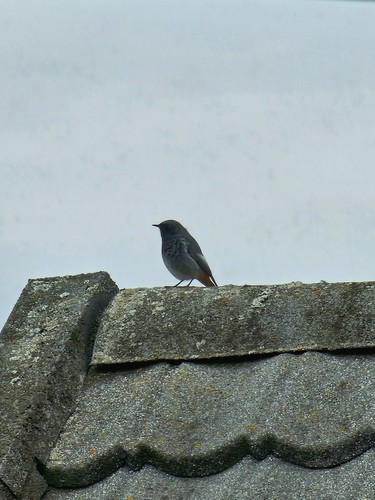
Black Redstart
13-14.5 cm (5.1-5.7 in) long, 23-26 cm wingspan
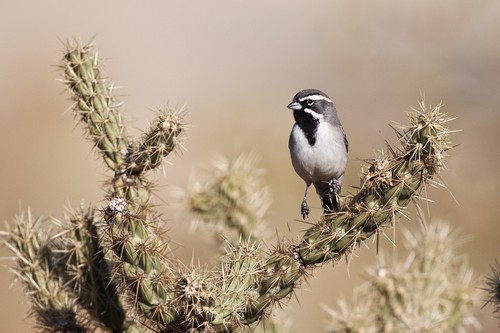
Black-throated Sparrow
12-14 cm (4.7-5.5 in) long, about 19-20 cm (7.5-8 in) wingspan
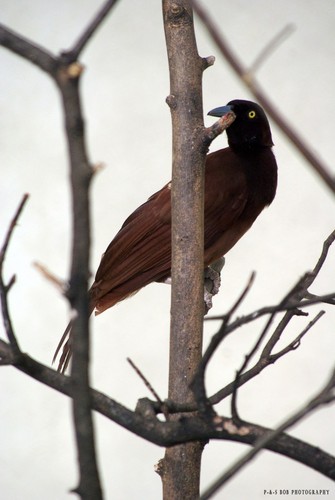
Greater Bird-of-paradise
Body about 43 cm; males with additional flank plumes up to 50 cm and long tail wires
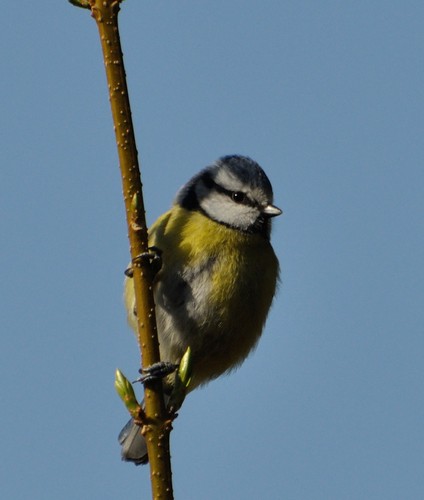
Blue Tit
11-12 cm (4.3-4.7 in) long, 17-20 cm wingspan
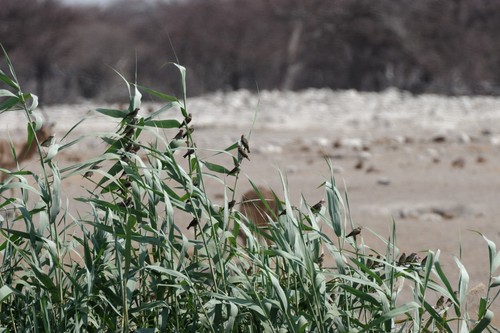
Red-billed Quelea
11.5–13 cm long, wingspan about 20–22 cm
White-plumed Antbird
13-14 cm (5-5.5 in) long
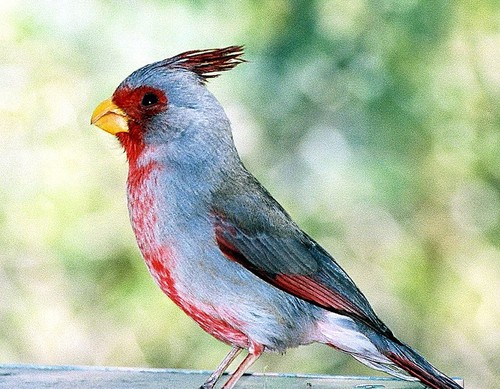
Pyrrhuloxia
19-22 cm (7.5-8.7 in) long, 30 cm wingspan
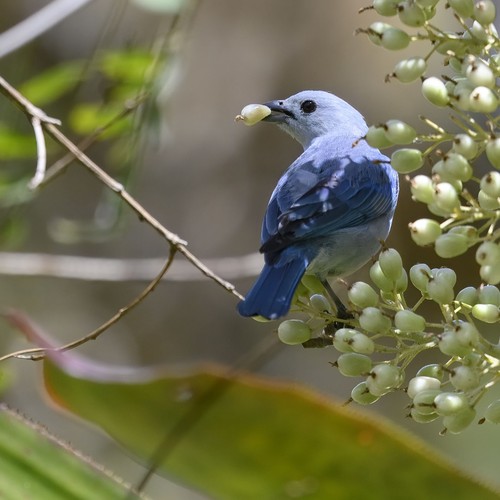
Blue-gray Tanager
16-18 cm (6-7 in) long
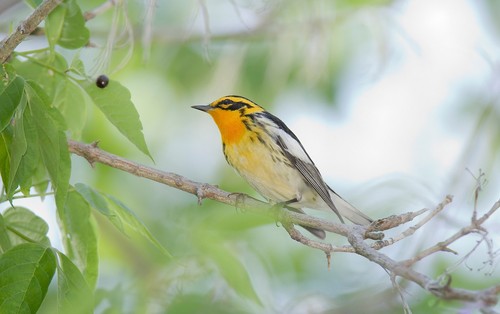
Blackburnian Warbler
11-13 cm (4.3-5.1 in) long, 20-22 cm wingspan
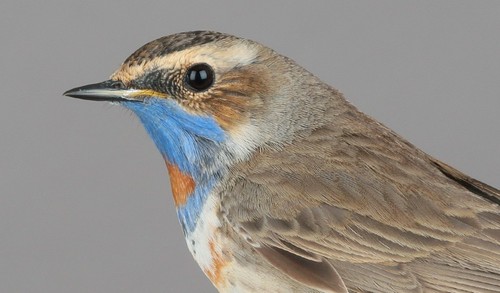
Bluethroat
13-14 cm (5.1-5.5 in) long, 20-22 cm wingspan
Eurasian Nuthatch
12-14.5 cm (4.7-5.7 in) long, 22.5-27 cm wingspan
Wood Thrush
19-21 cm (7.5-8.3 in) long, about 33 cm (13 in) wingspan