
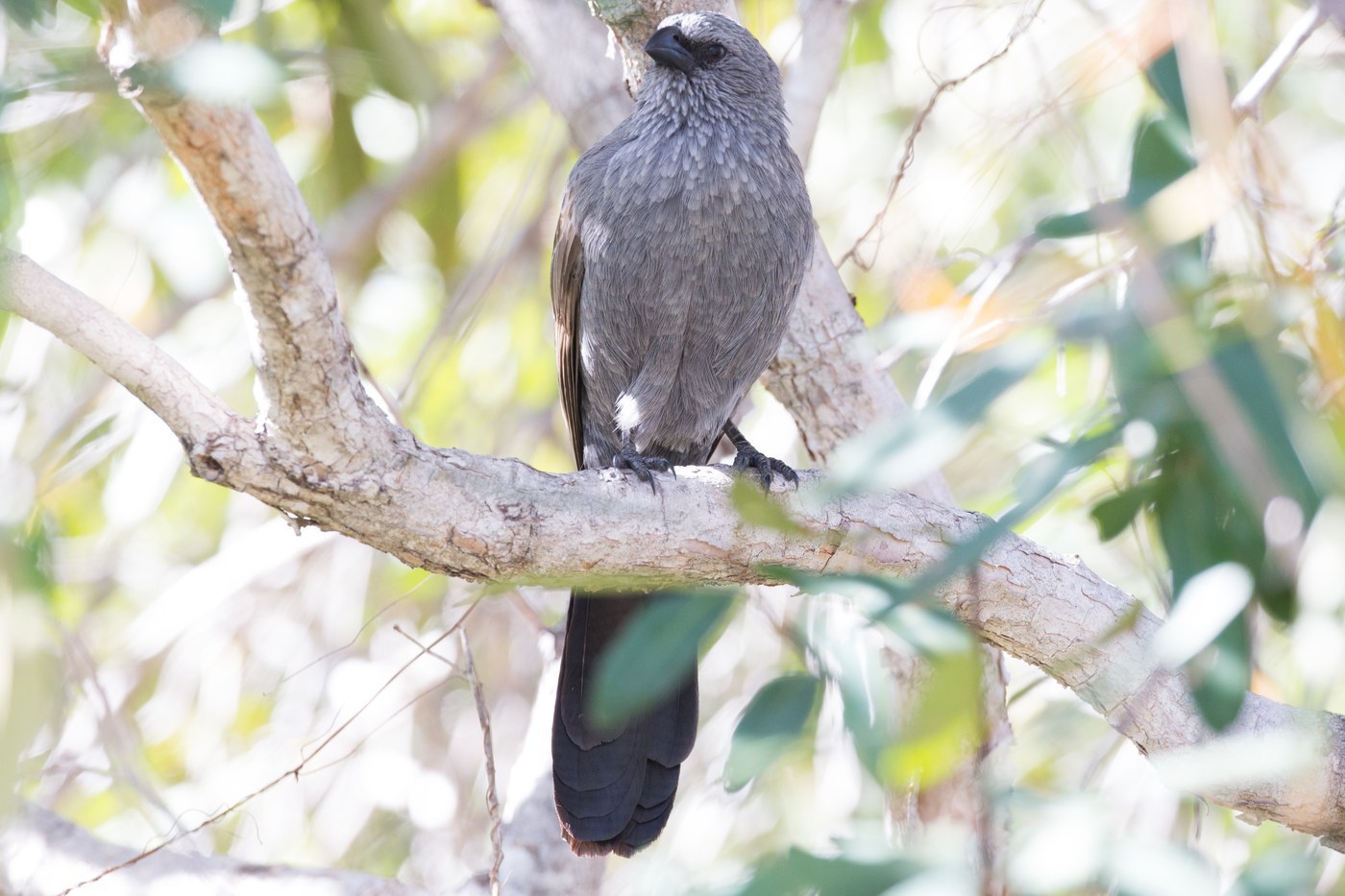
Apostlebird
Struthidea cinerea
A dusty grey, ground-foraging Australian bird famous for moving through open woodland in noisy, cooperative family groups traditionally said to number around twelve.
- Size
- 32-34 cm (12.5-13.5 in) long
- Habitat
- open woodland, mallee scrub, and farmland near watercourses in inland eastern Australia
- Type
- songbird
Spotted a bird like this?
Identify any bird from a photo, free.
Overview
The Apostlebird is a distinctive, entirely grey-brown bird endemic to inland eastern Australia. Its plumage is a soft slate-grey with darker wings and tail and fine pale streaking on the throat and breast, giving the feathers a slightly shaggy, unkempt look. The short, stout black bill and dark eye stand out against the plain grey head.
Its common name comes from its habit of moving about in tight, chattering groups historically likened to the twelve apostles, though group size actually ranges from about six to twenty birds. Along with the closely related White-winged Chough, it belongs to the small, ancient Australian family Corcoracidae, mud-nest builders unique to the continent.
How to identify it
Key field marks
- Uniform dull grey-brown plumage overall, darkest on wings and tail
- Fine pale shaft-streaking on throat and upper breast
- Short, stubby black bill
- Dark reddish-brown eye
- Long tail often held loosely; a somewhat scruffy, unkempt appearance
Similar species
- White-winged Chough is larger, glossy black rather than grey, has a longer curved bill and a bright red eye, and shows white wing patches in flight.
- No other common inland Australian bird shares the Apostlebird's combination of plain grey plumage and habit of moving in noisy family parties on the ground.
Habitat & range
Range
Endemic to inland eastern Australia, from central Queensland south through inland New South Wales into northern Victoria and adjacent South Australia.
Habitat
Prefers open eucalypt and box-gum woodland, mallee, and cleared farmland, almost always close to a river, creek, or other watercourse that provides mud for nest-building.
Migration
Sedentary and highly territorial as family groups, though juveniles disperse from natal groups to establish or join others nearby.
Behavior & voice
Behavior
One of Australia's most cooperative breeders, living in permanent family groups that forage, roost, and breed together, defending a shared territory year-round. Groups move across open ground in a loose, hopping, chattering rabble.
Voice
A harsh, scratchy chattering and squeaking, kept up almost constantly as the group forages, plus louder alarm calls when predators are spotted.
Feeding
Forages mainly on the ground, taking seeds, grain, and invertebrates such as beetles, ants, and grubs; will also visit farmyards and picnic areas for scraps.
Nesting
Builds a heavy, bowl-shaped nest of mud reinforced with grass, placed on a horizontal branch, often the same nest reused and repaired over years. Several group members, not just the breeding pair, help build the nest, incubate eggs, and feed chicks.
Frequently asked questions
Why is it called an Apostlebird?
Because it typically travels in tight family groups traditionally said to number around twelve, like the biblical apostles, though actual groups range from about six to twenty birds.
Are Apostlebirds related to White-winged Choughs?
Yes, both belong to the small Australian family Corcoracidae and share cooperative breeding and mud-nest building habits.
What do Apostlebirds eat?
They forage on the ground for seeds, grain, and invertebrates such as beetles and ants.
Do Apostlebirds migrate?
No, they are sedentary, living year-round in the same family-group territory.
Apostlebird guides
In-depth guides for identifying, finding, and understanding Apostlebird.
Other birds you may enjoy
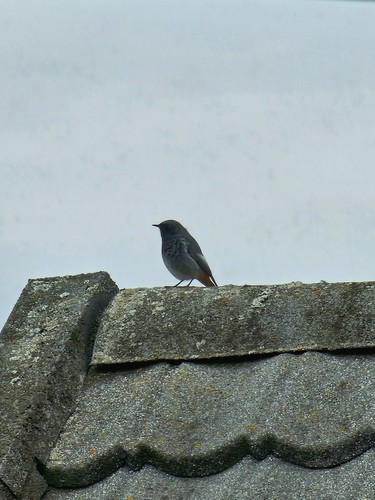
Black Redstart
13-14.5 cm (5.1-5.7 in) long, 23-26 cm wingspan
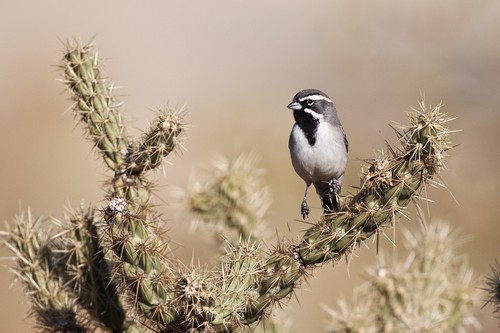
Black-throated Sparrow
12-14 cm (4.7-5.5 in) long, about 19-20 cm (7.5-8 in) wingspan
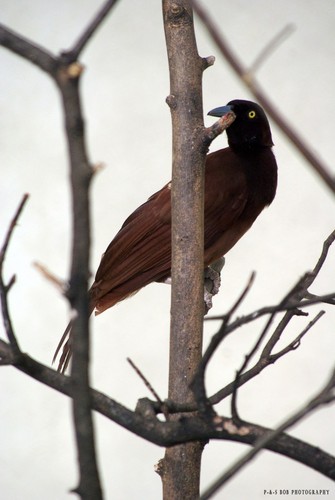
Greater Bird-of-paradise
Body about 43 cm; males with additional flank plumes up to 50 cm and long tail wires
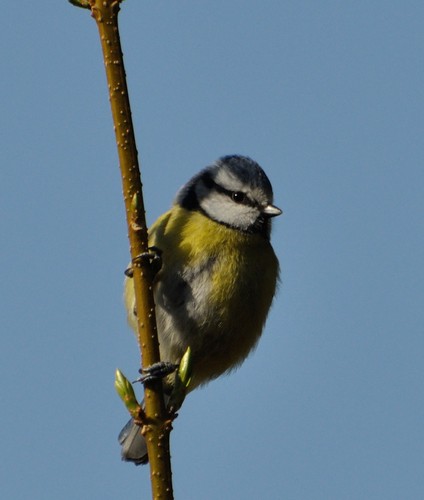
Blue Tit
11-12 cm (4.3-4.7 in) long, 17-20 cm wingspan
Red-billed Quelea
11.5–13 cm long, wingspan about 20–22 cm
White-plumed Antbird
13-14 cm (5-5.5 in) long
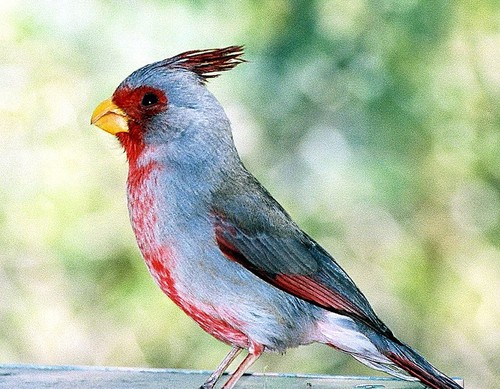
Pyrrhuloxia
19-22 cm (7.5-8.7 in) long, 30 cm wingspan
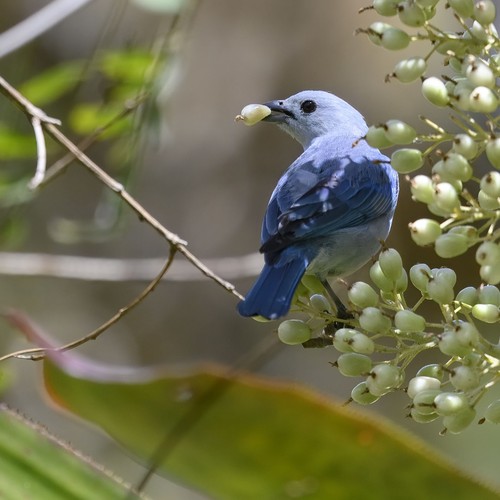
Blue-gray Tanager
16-18 cm (6-7 in) long
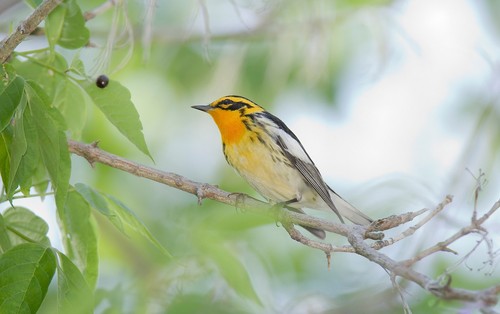
Blackburnian Warbler
11-13 cm (4.3-5.1 in) long, 20-22 cm wingspan
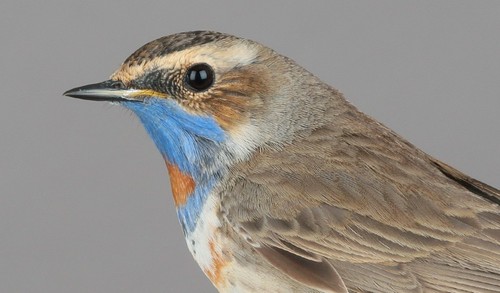
Bluethroat
13-14 cm (5.1-5.5 in) long, 20-22 cm wingspan
Eurasian Nuthatch
12-14.5 cm (4.7-5.7 in) long, 22.5-27 cm wingspan
Wood Thrush
19-21 cm (7.5-8.3 in) long, about 33 cm (13 in) wingspan