
Andean Flamingo
Phoenicoparrus andinus
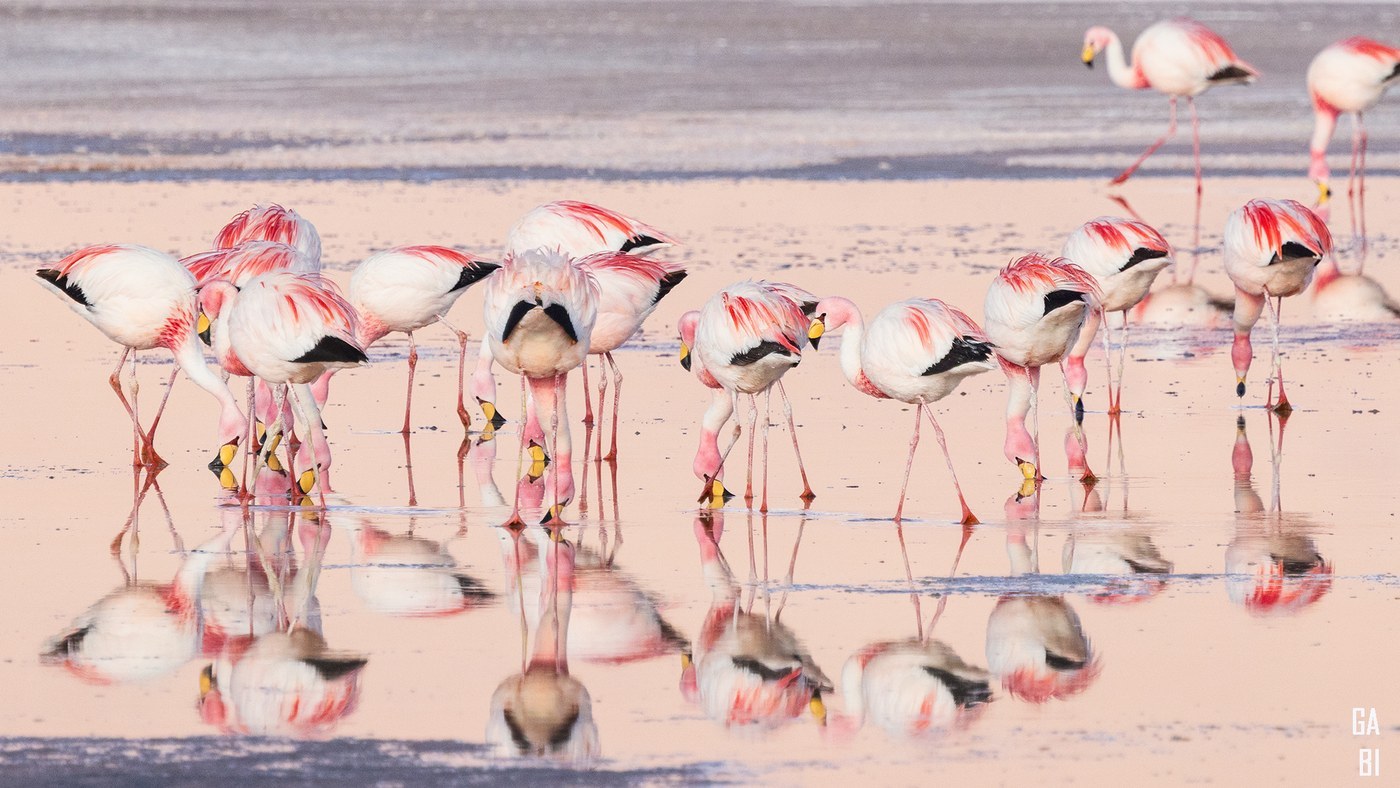
A pale, high-altitude flamingo of the Andes with bright yellow legs and the most black in its wings of any flamingo species.
- Size
- 100-110 cm (39-43 in) tall
- Habitat
- high-altitude Andean salt lakes and alkaline wetlands
- Type
- wading-bird
Spotted a bird like this?
Identify any bird from a photo, free.
Overview
The Andean Flamingo is a large, pale pink flamingo adapted to life on remote, high-altitude salt lakes of the central Andes, often at elevations above 4,000 meters. It shows extensive black on the wings and tail combined with pale pink body plumage, and its legs are bright yellow to orange, unique among flamingo species. It has the largest bill relative to body size of any flamingo, adapted for filtering the specific microorganisms of harsh alkaline lakes.
It breeds in some of the most extreme wetland environments on Earth, tolerating intense UV radiation, cold temperatures, and highly saline water.
How to identify it
Key field marks
- Pale pink body with extensive black on the wings, more than any other flamingo
- Bright yellow to orange legs, unique among flamingos
- Large, deep-based bill, mostly black with a yellow base
Similar species
- James's Flamingo is smaller with brick-red legs and less black in the wing.
- Chilean Flamingo has gray legs with pink joints rather than yellow legs.
- Both often occur together on the same high Andean lakes, making leg color the best distinguishing feature.
Habitat & range
Habitat
Restricted to high-altitude saline and alkaline lakes and salt flats (salares) of the Andean altiplano.
Range
Found in the high Andes of Peru, Bolivia, Chile, and Argentina.
Migration
Undertakes local and seasonal movements between breeding and wintering lakes at different elevations, though it does not migrate long distances outside the Andes.
Behavior & voice
Behavior
Forages by wading through shallow, mineral-rich lake water, often alongside James's and Chilean Flamingos, and gathers in dense breeding colonies on remote salt flats.
Voice
Goose-like honking and murmuring calls, especially in flocks and at colonies.
Feeding
Filters diatoms, algae, and small invertebrates from lake water and mud using its large, specialized bill.
Nesting
Breeds colonially on mud mound nests on isolated salt lakes; lays a single white egg, with chicks vulnerable to extreme cold and predators.
Frequently asked questions
What makes the Andean Flamingo unique among flamingos?
It has bright yellow legs, the most black plumage in the wings of any flamingo, and the largest bill relative to its body size.
Why is the Andean Flamingo Vulnerable?
Its small, scattered population is threatened by mining, water extraction, and disturbance at its remote high-altitude breeding lakes.
Where does the Andean Flamingo live?
On high-altitude salt lakes of the Andes in Peru, Bolivia, Chile, and Argentina, often above 4,000 meters elevation.
How can you tell an Andean Flamingo from a James's Flamingo?
The Andean Flamingo is larger with yellow legs and more black in the wing, while James's Flamingo is smaller with brick-red legs.
Andean Flamingo guides
In-depth guides for identifying, finding, and understanding Andean Flamingo.
Other birds you may enjoy
Demoiselle Crane
85-100 cm (33-39 in) long, 155-180 cm wingspan
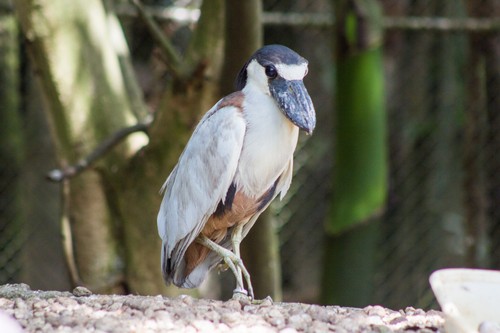
Boat-billed Heron
41-56 cm (16-22 in) long
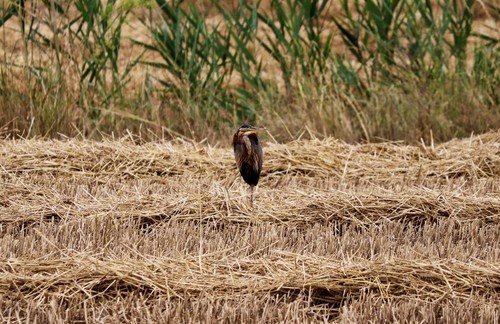
Purple Heron
78-90 cm (31-35 in) long, 120-152 cm wingspan
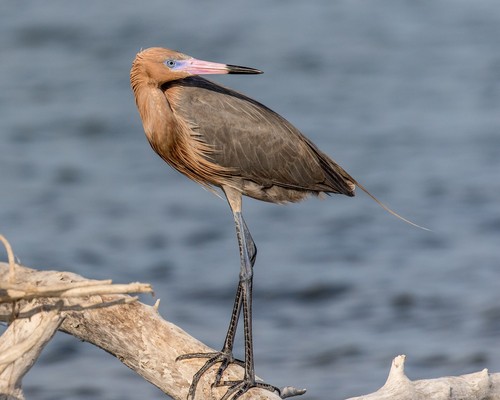
Reddish Egret
68-82 cm (27-32 in) long, 116-125 cm wingspan
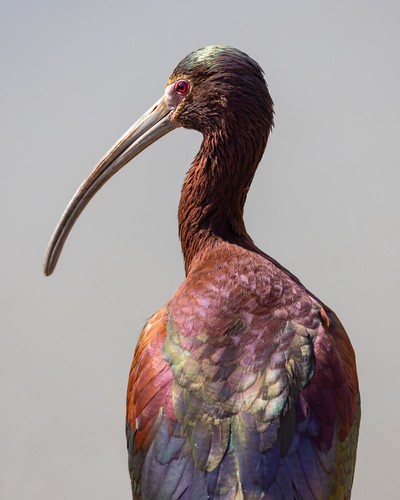
White-faced Ibis
46-56 cm (18-22 in) long, 88-93 cm wingspan
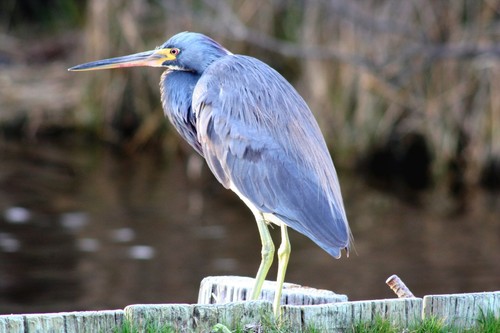
Tricolored Heron
61-76 cm (24-30 in) long, about 96 cm wingspan
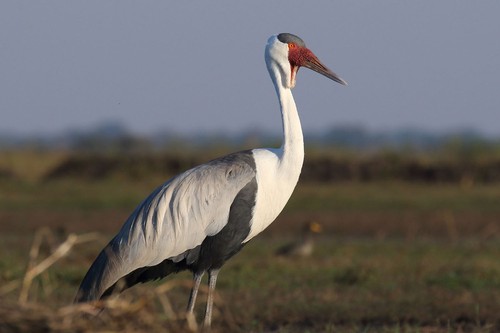
Wattled Crane
120-175 cm (47-69 in) tall, one of the tallest cranes, wingspan up to about 230 cm (7.5 ft)
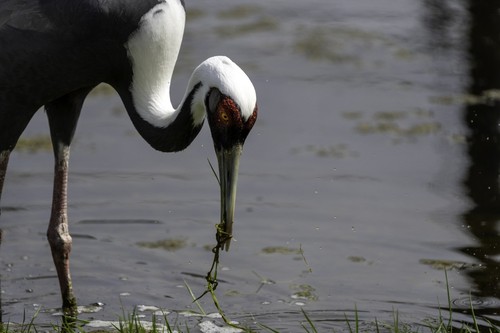
White-naped Crane
112-125 cm (44-49 in) long, 195-210 cm wingspan
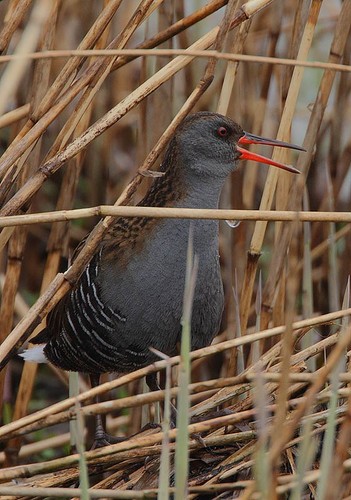
Water Rail
23-28 cm (9-11 in) long, wingspan 38-45 cm
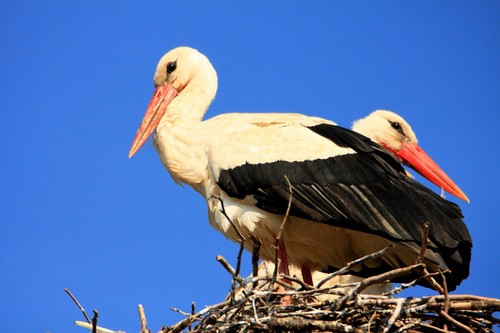
White Stork
100-125 cm (39-49 in) long, 155-215 cm wingspan
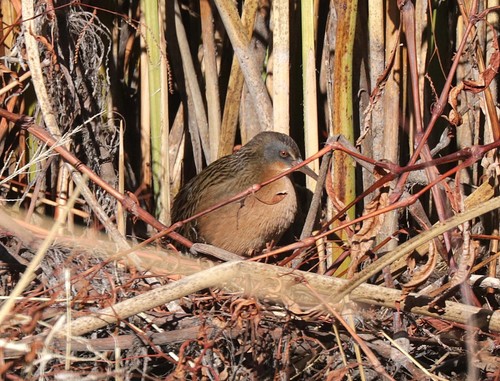
Virginia Rail
20-27 cm (8-11 in) long, wingspan 32-38 cm
Wattled Jacana
17-23 cm (7-9 in) long