
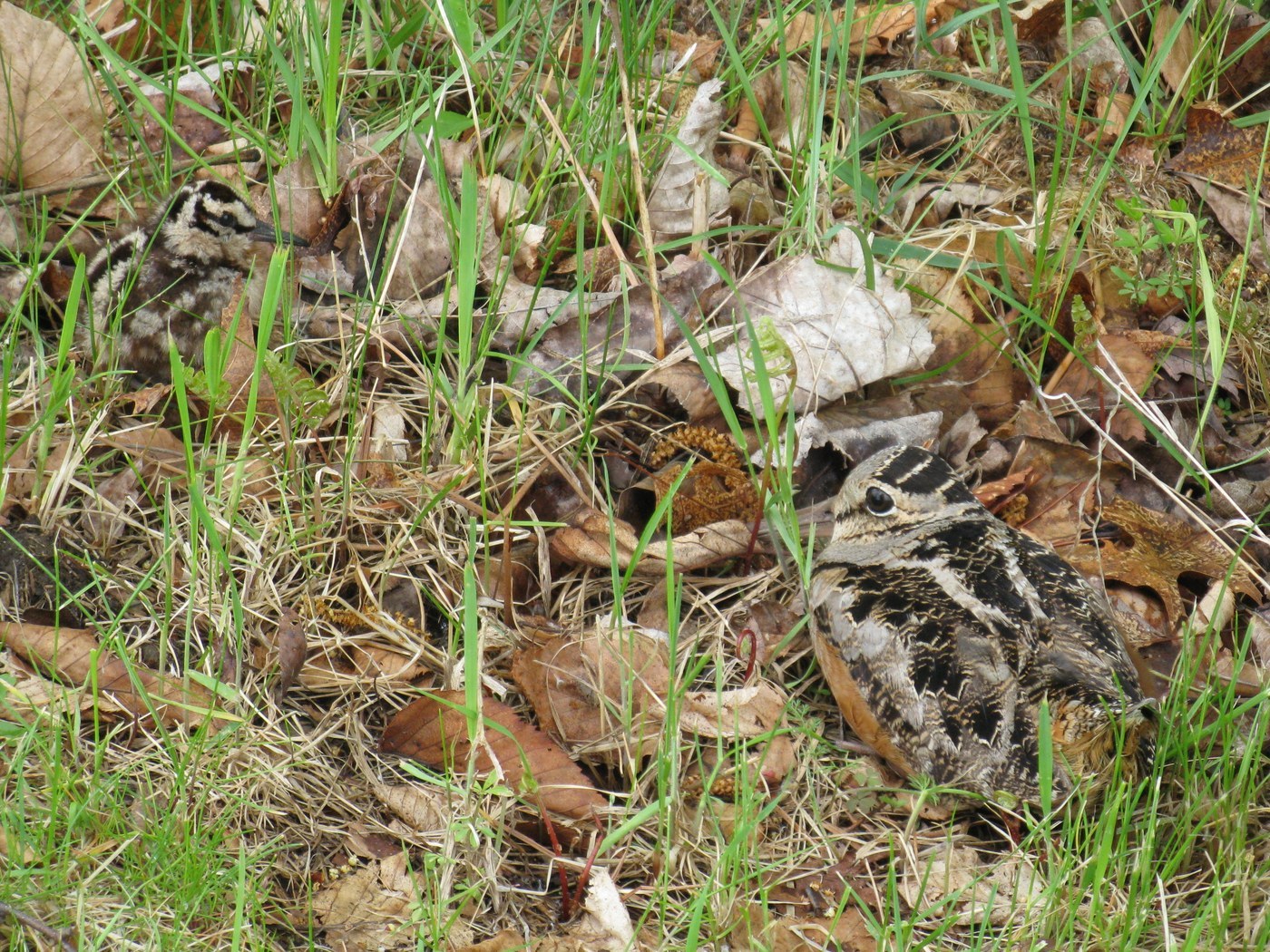
American Woodcock
Scolopax minor
A plump, superbly camouflaged forest-dwelling shorebird famous for the male's spectacular twilight sky dance courtship flight.
- Size
- 25-31 cm (10-12 in) long, 43-50 cm wingspan
- Habitat
- young forests, brushy thickets, and moist woodlands
- Type
- shorebird
Spotted a bird like this?
Identify any bird from a photo, free.
Overview
The American Woodcock is an unusual member of the sandpiper family, having abandoned open shorelines entirely in favor of young forests, brushy fields, and moist woodland thickets across eastern North America — earning it the folk name "timberdoodle."
It is a plump, round-bodied bird with intricately mottled brown, black, and buff plumage that provides outstanding camouflage against fallen leaves and forest litter. The bill is very long and straight, used for probing deep into soft soil, and the eyes are unusually large and set high and far back on the head, giving the bird nearly 360-degree vision to watch for predators while its bill is buried in the ground.
How to identify it
Key field marks
- Plump, round body with a very long, straight bill
- Intricately mottled brown, black, and buff plumage for camouflage in leaf litter
- Large eyes set high and far back on the head
- Short legs and a distinctive head-bobbing, rocking walk
- Erratic, twittering flight when flushed from cover
Similar species
- Wilson's Snipe: found in open marshes rather than forest, with bolder longitudinal striping and a more slender build.
- No other North American bird shares the woodcock's combination of forest habitat, plump shape, and long probing bill, making it fairly distinctive once seen well.
Habitat & range
Habitat
American Woodcocks favor young, early-successional forests, brushy old fields, and moist woodland edges with soft, worm-rich soil — quite different from the open coastal habitats used by most sandpipers.
Range and migration
They are found across eastern North America, breeding from the Great Lakes and southern Canada south through the eastern and midwestern United States. Northern populations migrate south to winter in the southeastern United States, while some populations in milder areas remain resident year-round.
Behavior & voice
Behavior
Male American Woodcocks are famous for their "sky dance," a spectacular courtship display performed at dawn and dusk in open clearings: the male gives a buzzy "peent" call from the ground, then launches into a spiraling flight high into the air, wings twittering, before zigzagging back down while singing a bubbling song.
Voice
The nasal, buzzy "peent" call given from the ground before each display flight is the most familiar sound of the species, along with the mechanical twittering produced by air rushing through modified wing feathers during flight.
Feeding
American Woodcocks feed almost entirely on earthworms, supplemented by other soil invertebrates, probing deeply into soft, moist earth with their long, flexible-tipped bill, often rocking their body rhythmically while walking to help locate prey.
Nesting and breeding
The female builds a simple ground nest in dense cover, often near the display grounds, and incubates a clutch of typically four eggs alone; the precocial young leave the nest shortly after hatching and are tended solely by the female.
Frequently asked questions
What is the American Woodcock's 'sky dance'?
It is the male's spectacular courtship display, performed at dawn and dusk: after giving buzzy 'peent' calls from the ground, the male spirals high into the air on twittering wings before zigzagging back down while singing.
Why is the American Woodcock unusual among shorebirds?
Unlike most sandpipers, it lives in forests and brushy fields rather than open shorelines, feeding on earthworms in soft woodland soil.
What does an American Woodcock eat?
Primarily earthworms, along with other soil invertebrates, probed from moist earth with its long bill.
Why does the American Woodcock rock while walking?
It rocks its body rhythmically as it walks, a behavior thought to help detect prey movement in the soil, possibly through subtle vibrations or visual cues.
Where does the American Woodcock live?
Across eastern North America, in young forests, brushy old fields, and moist woodland edges, with northern populations migrating south for winter.
American Woodcock guides
In-depth guides for identifying, finding, and understanding American Woodcock.
Other birds you may enjoy
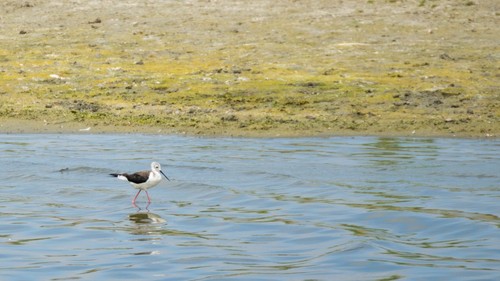
Black-winged Stilt
33-36 cm (13-14 in) long, wingspan 67-83 cm
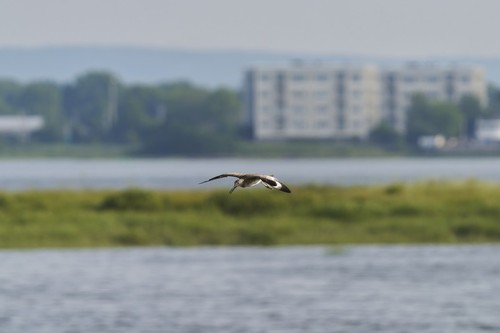
Willet
33-41 cm (13-16 in) long, 65-70 cm wingspan
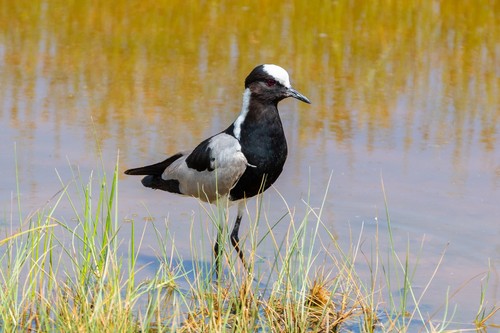
Blacksmith Lapwing
Body length about 30 cm; wingspan 55-65 cm
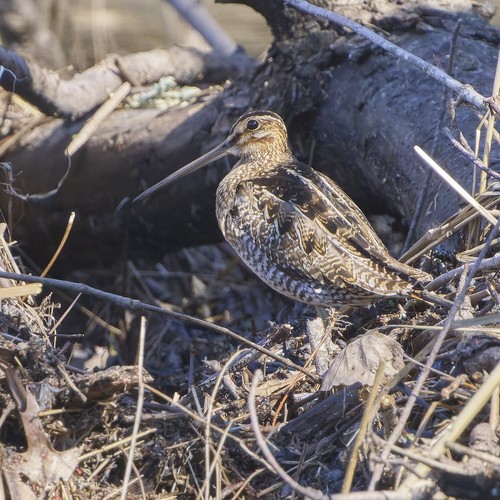
Wilson's Snipe
25-30 cm (10-12 in) long, 39-45 cm wingspan

Western Sandpiper
14-17 cm (5.5-6.7 in) long, 28-37 cm wingspan

Variable Oystercatcher
46-49 cm (18-19 in) long
Whimbrel
40-46 cm (16-18 in) long, 76-89 cm wingspan
Wilson's Phalarope
22-24 cm (8.5-9.5 in) long, 37-43 cm wingspan
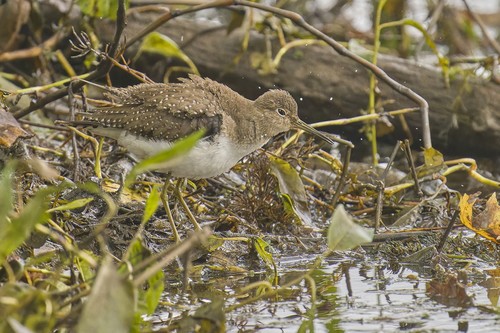
Solitary Sandpiper
19-23 cm (7.5-9 in) long, 50-56 cm wingspan
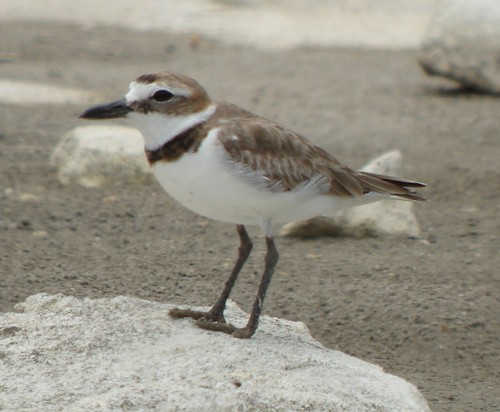
Wilson's Plover
17-19 cm (6.7-7.5 in) long, 45-50 cm wingspan
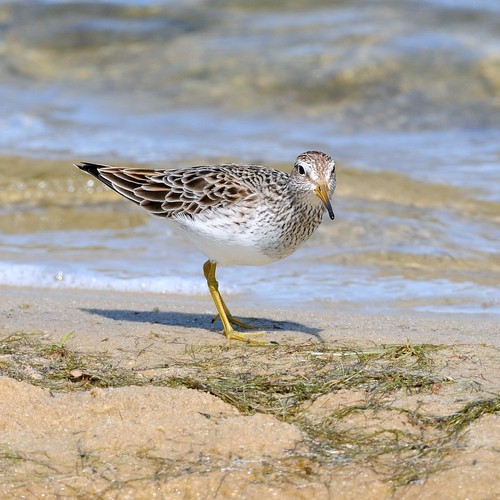
Pectoral Sandpiper
19-23 cm (7.5-9 in) long, 43-49 cm wingspan

Sanderling
18-20 cm (7-8 in) long, 40-43 cm wingspan