
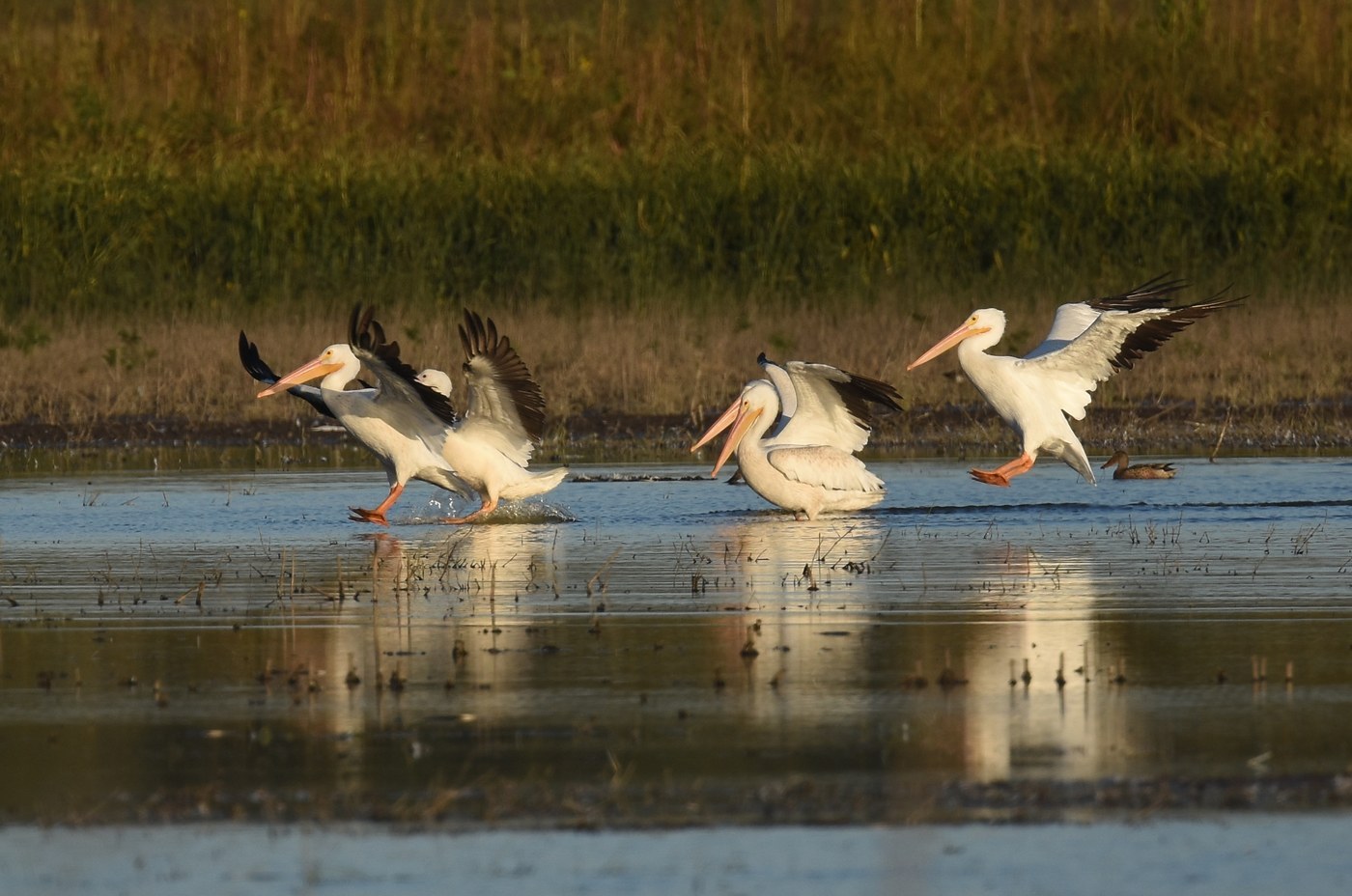
American White Pelican
Pelecanus erythrorhynchos
One of North America's largest birds, an enormous white waterbird with a huge orange bill and pouch that fishes cooperatively by herding fish into shallow water rather than diving.
- Size
- 127-165 cm (50-65 in) long, 244-290 cm wingspan
- Habitat
- inland freshwater lakes and marshes for breeding, coastal and inland wetlands in winter
- Type
- seabird
Spotted a bird like this?
Identify any bird from a photo, free.
Overview
The American White Pelican is among the largest flying birds in North America, an imposing white bird with an immense bill that is impossible to mistake for anything else. Unlike its coastal cousin the Brown Pelican, it forages while swimming rather than diving from the air.
Appearance
Adults are almost entirely white with black flight feathers visible only in flight, and a massive orange-yellow bill and throat pouch. During the breeding season, adults develop a flattened, horn-like plate on the upper bill that is shed after eggs are laid.
How to identify it
Key field marks
- Enormous size with a huge orange-yellow bill and pouch
- Overall white body plumage with black flight feathers visible only in flight
- Breeding adults show a distinctive horny plate on the bill
- Soars on flat, broad wings, often in synchronized flocks
Similar species
The American White Pelican is unlikely to be confused with any other North American species due to its immense size and bill; the Brown Pelican is much smaller, mostly grey-brown, and forages by plunge-diving rather than swimming.
Habitat & range
Habitat and range
American White Pelicans breed colonially on islands in freshwater and alkaline lakes across the interior of western and central North America, and winter along coastal waters and wetlands of the southern United States, Mexico, and Central America.
They are strongly migratory, traveling in large flocks and often riding thermals to soar for long distances between breeding and wintering grounds.
Behavior & voice
Behavior
Unlike the plunge-diving Brown Pelican, American White Pelicans forage while swimming on the surface, often cooperating in groups to herd schools of fish into shallow water where they scoop them up with their expandable throat pouches.
Voice
Adults are largely silent away from the colony, but give low grunting and croaking calls near nests, while chicks produce begging calls.
Nesting and breeding
They nest in dense colonies on isolated islands, safe from ground predators, laying two eggs in a simple ground scrape. Pairs cooperate in incubation and chick-rearing, and colonies can include thousands of pairs on suitable lakes.
Frequently asked questions
How does the American White Pelican catch fish?
It forages while swimming on the water's surface, often working cooperatively with other pelicans to herd fish into the shallows before scooping them up in its pouch, rather than diving from the air.
What is the horn on a pelican's bill?
Breeding adults grow a flattened, horn-like plate on the upper bill that is shed after eggs are laid; its exact function is thought to relate to courtship signaling.
How big is the American White Pelican?
It is one of the largest birds in North America, with a wingspan that can exceed 2.7 meters (9 feet).
Where do American White Pelicans breed?
On islands in freshwater and alkaline lakes across the interior of western and central North America.
Is the American White Pelican the same as the Brown Pelican?
No, they are different species. The American White Pelican is much larger, mostly white, and forages by swimming, while the Brown Pelican is smaller, grey-brown, and plunge-dives for fish.
American White Pelican guides
In-depth guides for identifying, finding, and understanding American White Pelican.
Other birds you may enjoy
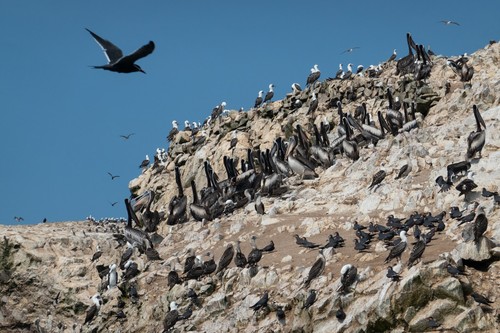
Peruvian Pelican
137-152 cm (54-60 in) long, up to 228 cm wingspan
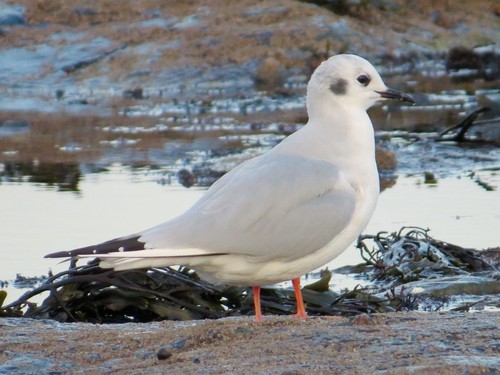
Bonaparte's Gull
28-33 cm (11-13 in) long, 76-84 cm wingspan
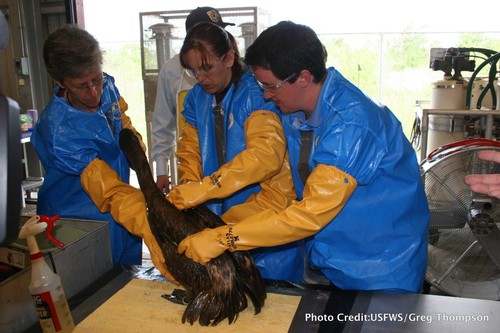
Brown Pelican
106-137 cm (42-54 in) long, 200-230 cm wingspan
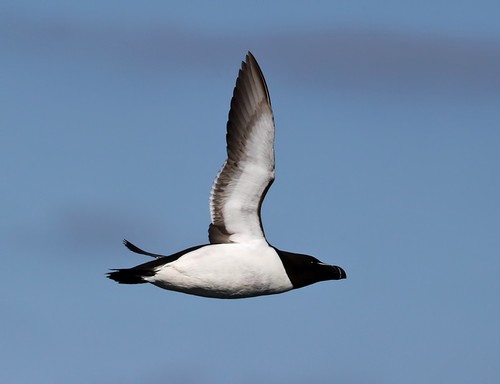
Razorbill
37-39 cm (15-15.5 in) long, 63-68 cm wingspan
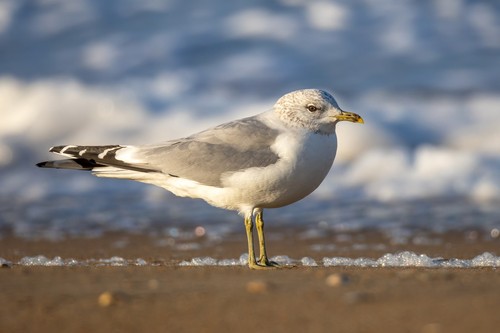
Common Gull
40-46 cm (16-18 in) long, 110-130 cm wingspan
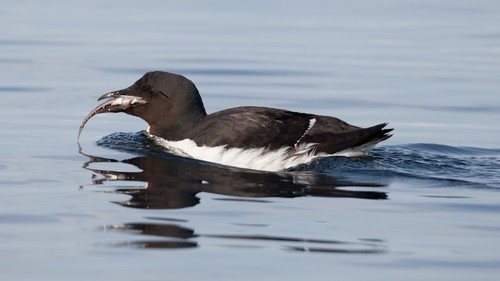
Thick-billed Murre
40-48 cm (16-19 in) long, 65-75 cm wingspan
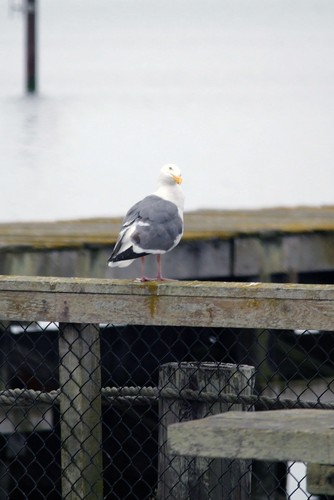
Western Gull
55-68 cm (22-27 in) long, 130-144 cm wingspan
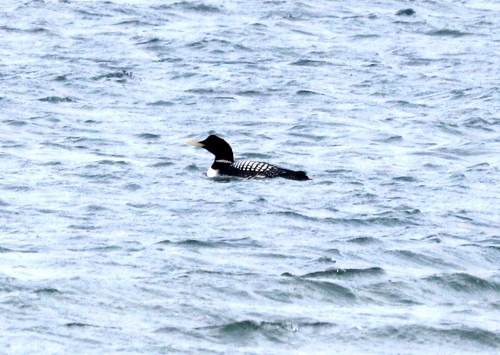
Yellow-billed Loon
76-97 cm (30-38 in) long, 135-152 cm wingspan
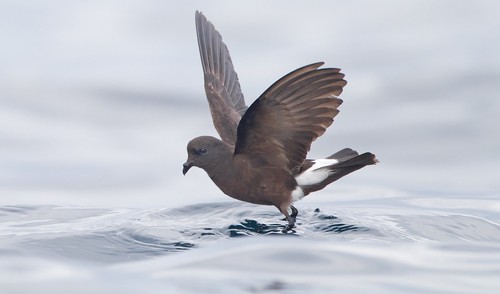
Wilson's Storm-Petrel
15-19 cm (6-7.5 in) long, wingspan 38-42 cm (15-16.5 in)
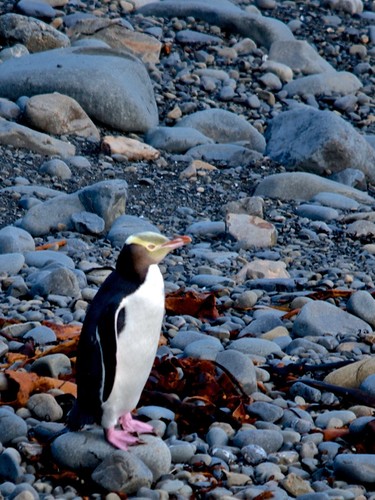
Yellow-eyed Penguin
62-79 cm (24-31 in) tall, 3-8.5 kg (6.6-18.7 lb)
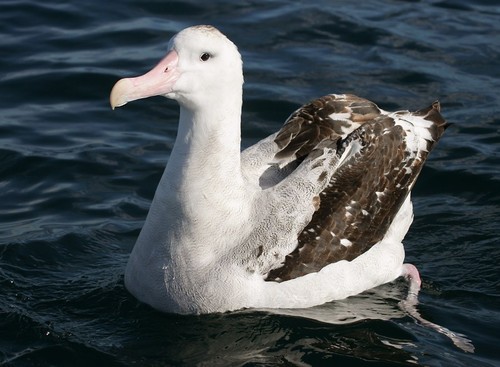
Wandering Albatross
107-135 cm (42-53 in) long, wingspan up to 3.5 m (11.5 ft)
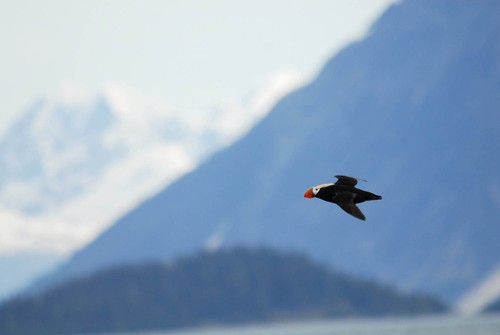
Tufted Puffin
35-41 cm (14-16 in) long, about 63-70 cm wingspan