
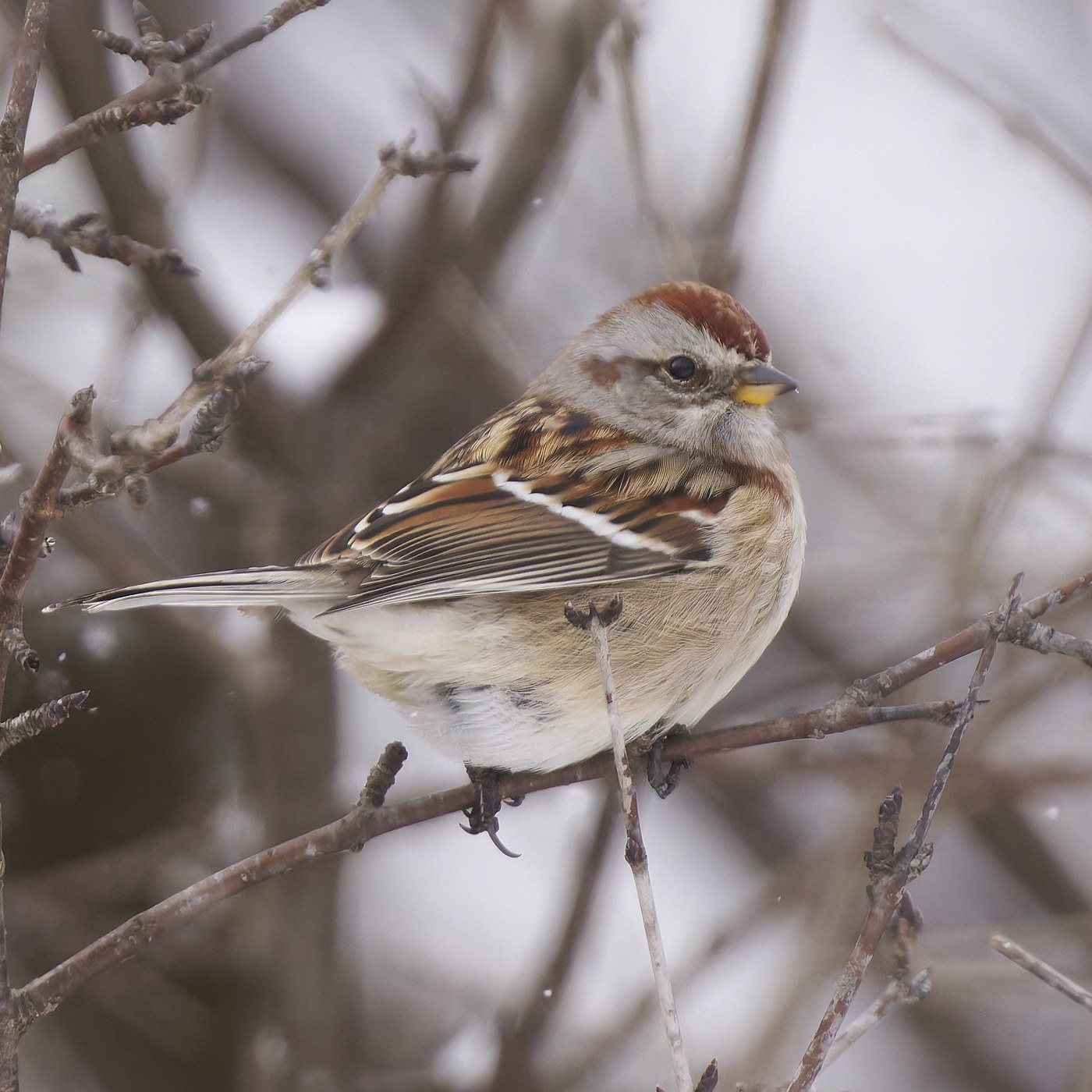
American Tree Sparrow
Spizelloides arborea
A rusty-capped sparrow with a bicolored bill and a dark central breast spot, a true winter visitor to much of North America despite its name.
- Size
- 14-17 cm (5.5-6.7 in) long, 21-24 cm wingspan
- Habitat
- Arctic tundra and shrub for breeding; weedy fields, brushy edges, and feeders in winter across the northern US
- Type
- songbird
Spotted a bird like this?
Identify any bird from a photo, free.
Overview
The American Tree Sparrow is a plump, round-headed sparrow with a rusty-red cap, a rusty stripe extending back from the eye, and a plain gray face and unstreaked breast marked by a single dark central spot. The bill is distinctively bicolored, dark on the upper mandible and yellow on the lower.
Despite the name, this species has little to do with trees; it breeds far north on the Arctic and subarctic tundra and is encountered by most North American birdwatchers only as a hardy winter visitor to weedy fields and feeders, often in the coldest months of the year.
How to identify it
Key field marks
- Rusty cap and rusty eye-stripe on a plain gray face
- Bicolored bill: dark above, yellow below
- Single dark spot in the center of an otherwise unstreaked, pale gray breast
- Rusty patch on the sides/shoulder and two white wingbars
Similar species
- Chipping Sparrow also has a rusty cap but shows a black eyeline, an all-dark bill, and lacks the central breast spot; ranges rarely overlap since Chipping Sparrows leave before Tree Sparrows arrive for winter.
- Field Sparrow has an all-pink bill and a plainer face without the rusty eye-stripe.
Habitat & range
American Tree Sparrows breed in the low shrub and stunted tree zone at the edge of the Arctic tundra across northern Canada and Alaska. For the rest of the year they migrate south to spend the winter across the northern and central United States and southern Canada, in weedy fields, brushy hedgerows, marsh edges, and backyard feeders.
The species is highly cold-hardy, often remaining active and foraging even in harsh winter weather, and is one of the latest sparrows to depart northward in spring and among the last winter sparrows to be seen as snow melts.
Behavior & voice
In winter, American Tree Sparrows forage in flocks on the ground and in low weeds and shrubs, often scratching at snow to reach buried seeds, and readily visit feeding stations offering millet or mixed seed. They are generally tolerant of cold and can be seen actively foraging even in sub-freezing temperatures.
The call is a soft, musical "tseet" or "teedle-eet," and the song, mostly heard on the breeding grounds, is a sweet, variable warble. On the tundra breeding grounds, nests are built low in shrubs or on the ground, well hidden by vegetation, with typical clutches of four to six eggs; diet on the breeding grounds shifts toward insects to feed growing chicks.
Frequently asked questions
How do you identify an American Tree Sparrow?
Look for a plump sparrow with a rusty cap and eye-stripe, a plain gray face, a bicolored bill (dark above, yellow below), and a single dark spot in the center of the breast.
Why is it called a 'tree' sparrow if it breeds on the tundra?
Early European settlers thought it resembled the Eurasian Tree Sparrow they knew from home, so the name stuck even though the American species actually breeds on Arctic tundra and shrub, not in trees.
When can you see an American Tree Sparrow?
Only in winter across most of the US and southern Canada; the species breeds far north on the Arctic tundra during summer, out of reach of most birdwatchers.
What is the difference between an American Tree Sparrow and a Chipping Sparrow?
American Tree Sparrows have a bicolored bill and a dark central breast spot and are seen in winter, while Chipping Sparrows have an all-dark bill, a black eyeline, no breast spot, and are present mainly in the breeding season.
What do American Tree Sparrows eat in winter?
Mostly small seeds from weeds and grasses, often foraged by scratching through snow, supplemented by whatever they find at feeders.
American Tree Sparrow guides
In-depth guides for identifying, finding, and understanding American Tree Sparrow.
Other birds you may enjoy
Black Redstart
13-14.5 cm (5.1-5.7 in) long, 23-26 cm wingspan
Black-throated Sparrow
12-14 cm (4.7-5.5 in) long, about 19-20 cm (7.5-8 in) wingspan
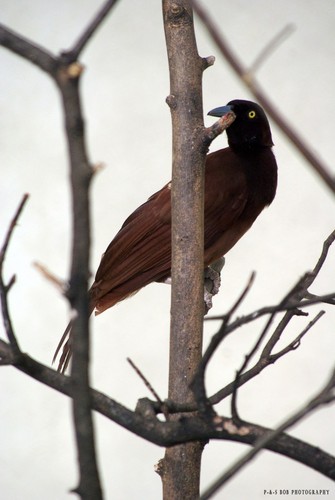
Greater Bird-of-paradise
Body about 43 cm; males with additional flank plumes up to 50 cm and long tail wires
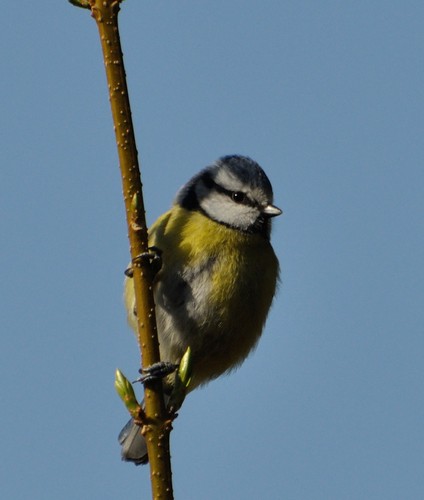
Blue Tit
11-12 cm (4.3-4.7 in) long, 17-20 cm wingspan
Red-billed Quelea
11.5–13 cm long, wingspan about 20–22 cm
White-plumed Antbird
13-14 cm (5-5.5 in) long
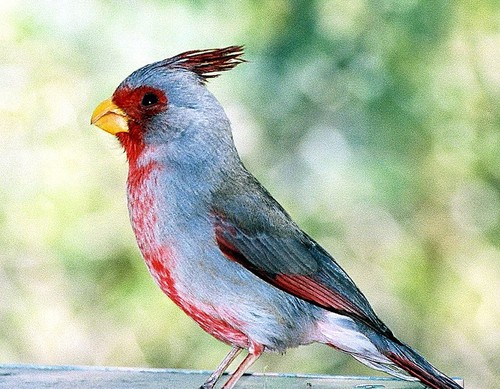
Pyrrhuloxia
19-22 cm (7.5-8.7 in) long, 30 cm wingspan
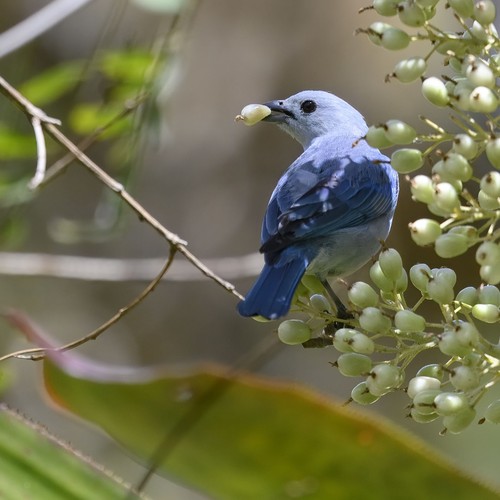
Blue-gray Tanager
16-18 cm (6-7 in) long
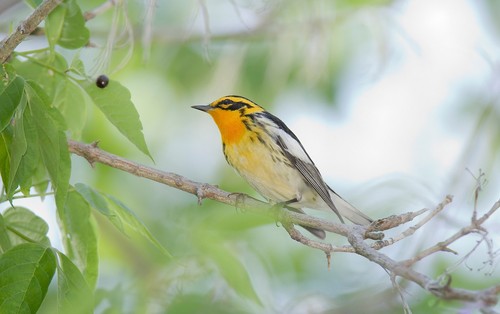
Blackburnian Warbler
11-13 cm (4.3-5.1 in) long, 20-22 cm wingspan
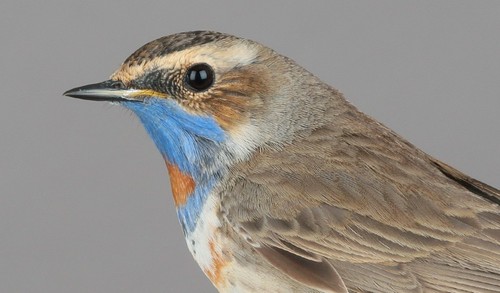
Bluethroat
13-14 cm (5.1-5.5 in) long, 20-22 cm wingspan
Eurasian Nuthatch
12-14.5 cm (4.7-5.7 in) long, 22.5-27 cm wingspan
Wood Thrush
19-21 cm (7.5-8.3 in) long, about 33 cm (13 in) wingspan