
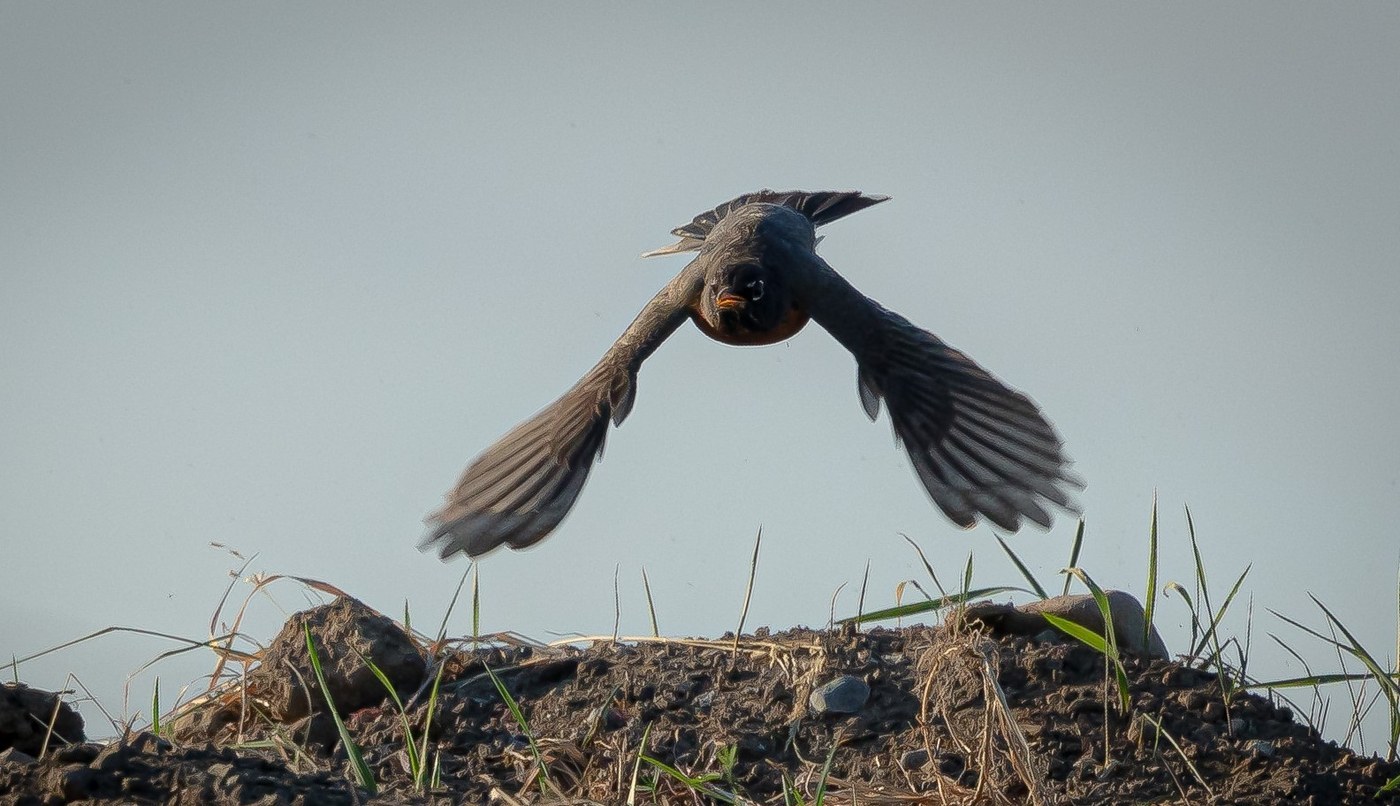
American Robin
Turdus migratorius
A familiar orange-breasted thrush with a gray-brown back, often seen hopping across lawns in search of earthworms.
- Size
- 23-28 cm (9-11 in) long, 31-40 cm (12-16 in) wingspan
- Habitat
- lawns, gardens, parks, woodlands, and suburban areas
- Type
- songbird
Spotted a bird like this?
Identify any bird from a photo, free.
Overview
The American Robin is one of the most widespread and recognizable songbirds in North America, often regarded as a classic sign of spring in northern regions even though many populations are present year-round. It is a large thrush with a plump body, long legs, and a fairly long tail.
Adults have a warm brick-orange to reddish breast, a dark gray-brown back, and a blackish head that is often slightly darker than the back, giving a hooded appearance. The throat is white with black streaking, and there is a broken white eye-ring. Males tend to have darker heads and richer orange underparts than females, though the sexes look broadly similar. Juveniles are heavily spotted with dark markings on a pale, orange-washed breast.
How to identify it
Key Field Marks
- Orange-red breast contrasting with a gray-brown back and darker, blackish head
- White throat streaked with black, and a broken white eye-ring
- Yellow bill, sometimes with a dark tip
- Large size and upright posture, often seen running and stopping abruptly on lawns
Similar Species
- Spotted Towhee/Eastern Towhee: smaller, with a black hood, rufous flanks, and white belly rather than an all-orange breast.
- Varied Thrush (western regions): has a similar orange breast but shows a dark breast band and orange wing bars/eyebrow stripe, and orange on the face.
- Juvenile robins can be confused with other spotted thrushes, but their large size, orange wash, and robin-shaped bill are distinctive.
Habitat & range
Habitat
American Robins thrive in open and semi-open habitats, including lawns, parks, gardens, agricultural fields, and forest edges, as well as more natural woodlands and mountain forests up to treeline.
Range
They breed across nearly all of North America, from Alaska and Canada south through the United States into parts of Mexico.
Migration
Northern populations migrate south for winter, while many populations in the central and southern U.S. are year-round residents. Winter flocks often gather in areas with abundant fruiting trees and shrubs, moving nomadically in search of food rather than following strict routes.
Behavior & voice
Behavior
Robins are active, ground-foraging birds often seen running a few steps, pausing upright, and tilting their head to look and listen for prey before pulling earthworms from the soil.
Voice
The song is a series of clear, rich caroling phrases often rendered as "cheerily, cheer-up, cheerio," frequently sung at dawn. Calls include a sharp "tut-tut-tut" and a high, thin alarm whistle.
Feeding
Earthworms and insects (beetles, caterpillars, grubs) dominate the diet in warmer months, while fruit and berries become more important in fall and winter, sometimes leading to large nomadic flocks at fruiting trees.
Nesting & Breeding
Females build a sturdy cup nest of grass and twigs reinforced with mud, typically in a tree fork or on a building ledge. Clutches usually contain 3-5 pale blue eggs ("robin's egg blue"), and pairs may raise two or three broods per season.
Frequently asked questions
Why are American Robins considered a sign of spring?
In northern parts of their range, robins that wintered farther south return early in spring to breed, and their conspicuous lawn-foraging and singing make their arrival noticeable, though many robins actually remain through winter in flocks feeding on fruit.
What color are American Robin eggs?
They lay smooth, pale blue eggs, a shade so associated with the species that "robin's egg blue" is a common color name.
Do American Robins migrate?
Many northern populations migrate south in winter, but robins are present somewhere across most of the continental U.S. year-round, shifting locally to find fruiting trees.
What do American Robins eat?
They eat earthworms and insects for much of the year and switch to fruit and berries in fall and winter.
How can I tell a male from a female robin?
Males typically have darker, blacker heads and more vivid orange breasts, while females are slightly duller overall, though the difference can be subtle.
American Robin guides
In-depth guides for identifying, finding, and understanding American Robin.
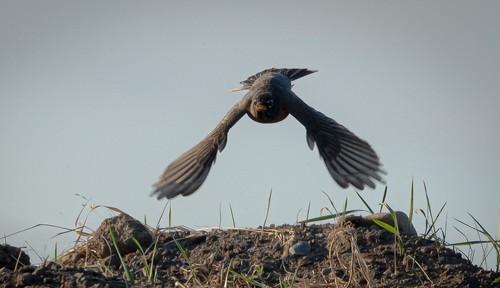
American Robin identified by the community
Real birds identified with Bird Identifier.
Other birds you may enjoy
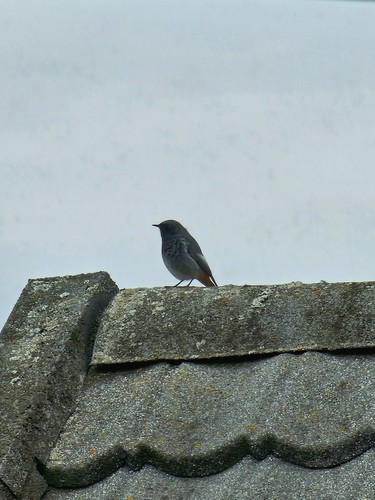
Black Redstart
13-14.5 cm (5.1-5.7 in) long, 23-26 cm wingspan
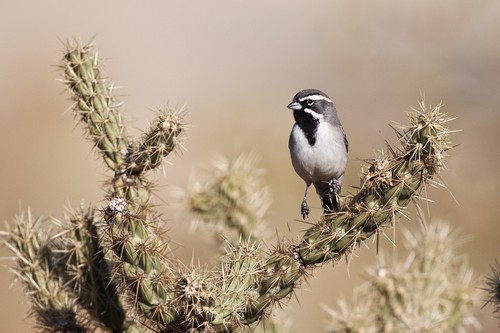
Black-throated Sparrow
12-14 cm (4.7-5.5 in) long, about 19-20 cm (7.5-8 in) wingspan
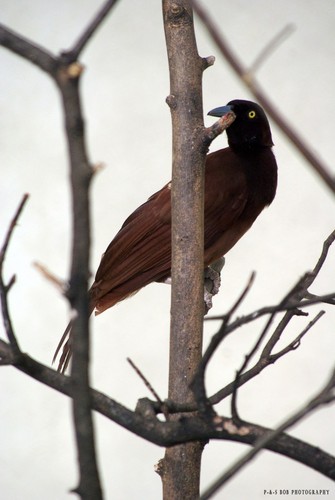
Greater Bird-of-paradise
Body about 43 cm; males with additional flank plumes up to 50 cm and long tail wires
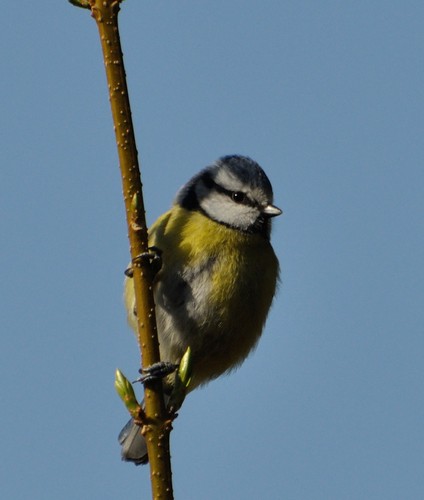
Blue Tit
11-12 cm (4.3-4.7 in) long, 17-20 cm wingspan
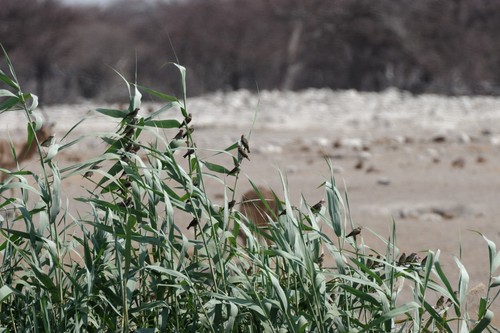
Red-billed Quelea
11.5–13 cm long, wingspan about 20–22 cm
White-plumed Antbird
13-14 cm (5-5.5 in) long
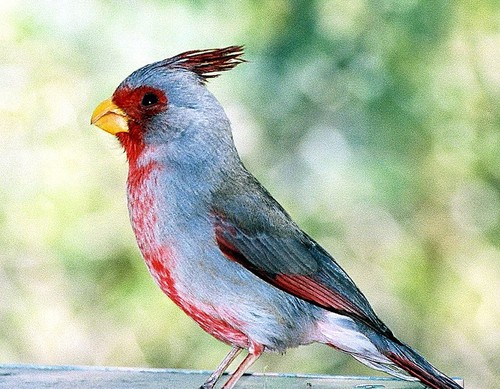
Pyrrhuloxia
19-22 cm (7.5-8.7 in) long, 30 cm wingspan
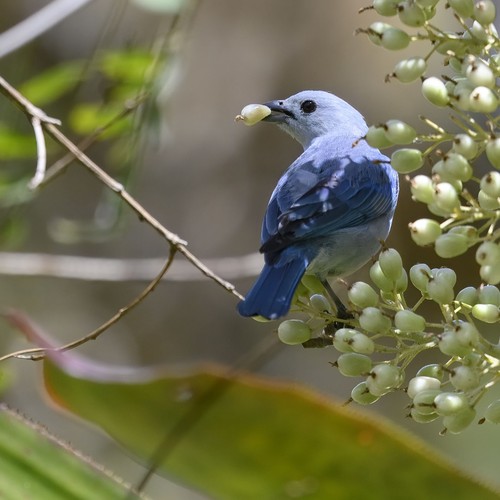
Blue-gray Tanager
16-18 cm (6-7 in) long
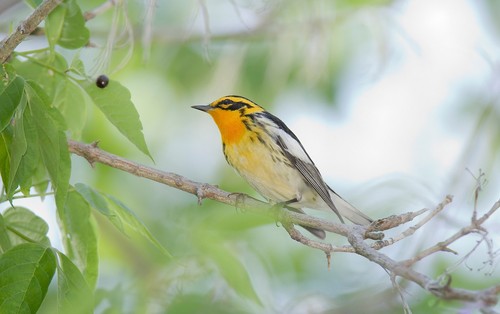
Blackburnian Warbler
11-13 cm (4.3-5.1 in) long, 20-22 cm wingspan
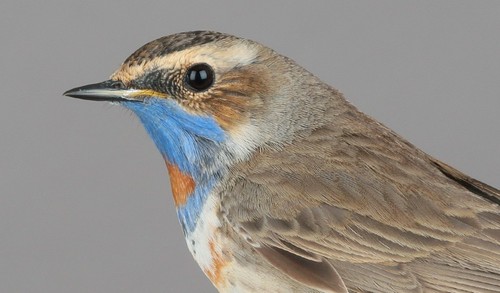
Bluethroat
13-14 cm (5.1-5.5 in) long, 20-22 cm wingspan
Eurasian Nuthatch
12-14.5 cm (4.7-5.7 in) long, 22.5-27 cm wingspan
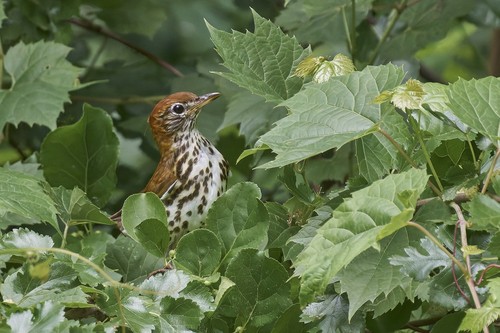
Wood Thrush
19-21 cm (7.5-8.3 in) long, about 33 cm (13 in) wingspan