
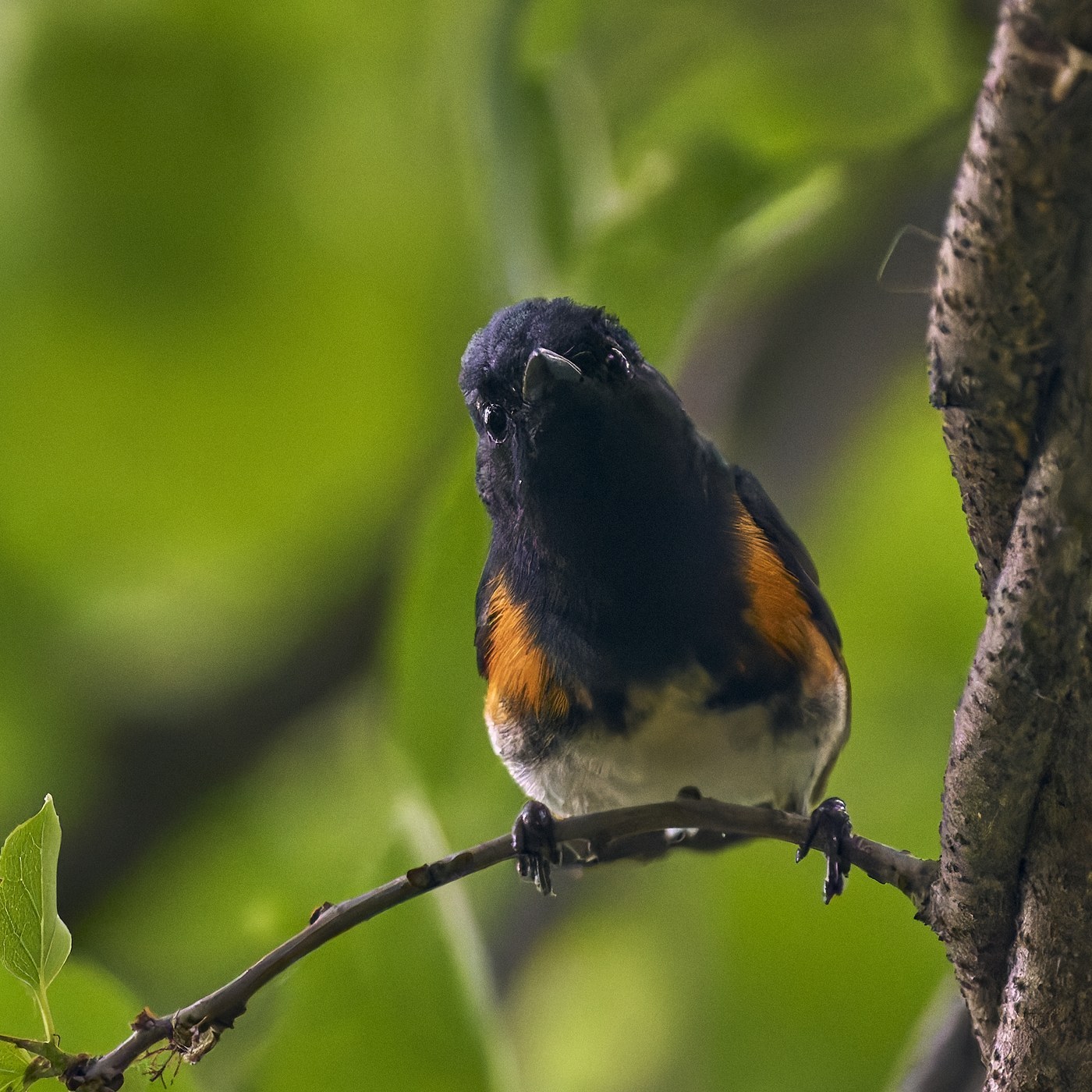
American Redstart
Setophaga ruticilla
An acrobatic warbler often called 'the butterfly bird' for its habit of fanning bold orange or yellow tail and wing patches while flushing insects.
- Size
- 11-14 cm (4.3-5.5 in) long, 16-19 cm wingspan
- Habitat
- deciduous and mixed second-growth woodlands, forest edges, and riparian thickets
- Type
- songbird
Spotted a bird like this?
Identify any bird from a photo, free.
Overview
The American Redstart is one of the most animated and colorful warblers in North America, nicknamed 'the butterfly of the bird world' for its habit of constantly fanning its bright tail and drooping its wings while foraging. Adult males are strikingly patterned in glossy black with bold orange patches on the sides, wings, and tail, and a white belly.
Females and immature males show a similar pattern in olive-gray and yellow rather than black and orange, with yellow patches replacing the male's orange. Young males may take up to two years to acquire full adult black-and-orange plumage, often breeding first in female-like yellow-and-gray plumage. This warbler's flashy tail-fanning display is thought to help startle insects into flight, making them easier to catch.
How to identify it
Key Field Marks
- Adult male: glossy black overall with bold orange patches on the sides, wings, and tail base
- Female/immature: olive-gray upperparts and pale underparts with yellow patches replacing the male's orange
- White belly and undertail coverts
- Constant tail-fanning and wing-drooping while foraging
- Thin, flat-based bill suited to catching insects in flight
Similar Species
No other warbler combines the redstart's black-and-orange (male) or gray-and-yellow (female) pattern with its distinctive habit of fanning the tail. Blackburnian Warbler shows orange on the throat and face rather than the sides and tail, and lacks the redstart's flashy tail display. The combination of colored tail patches plus constant tail-fanning is diagnostic.
Habitat & range
Habitat
American Redstarts favor deciduous and mixed second-growth woodlands, forest edges, and riparian thickets with a dense shrub layer, generally avoiding mature closed-canopy forest interior.
Range
This species breeds across much of Canada and the eastern and northern United States, with more limited breeding populations in parts of the West. It winters from Mexico and the Caribbean south through Central America and into northern South America.
Migration
American Redstarts are long-distance Neotropical migrants, traveling well south of the U.S. border for winter and defending individual winter territories, sometimes in habitats quite different from their breeding grounds.
Behavior & voice
Behavior
Redstarts are highly active and acrobatic, constantly flitting through foliage while fanning their colorful tails and drooping their wings, a display thought to flush hidden insects into view.
Voice
The song is a variable series of high, thin notes, often ending with an emphasized final note, such as 'see-see-see-see-suEE.' The call is a sharp, sweet 'chip.'
Feeding
It catches much of its prey in midair with quick sallying flights, a technique called hawking, while also gleaning insects from foliage; it will also eat some fruit, particularly before migration.
Nesting & Breeding
The female builds a compact, neat cup nest in the upright fork of a sapling or shrub, often near water. She lays 3-5 eggs, and young males may breed in female-like plumage during their first year before molting into full adult black-and-orange plumage.
Frequently asked questions
Why is the American Redstart called 'the butterfly bird'?
It constantly fans its brightly patterned tail and droops its wings while foraging, a flashy, butterfly-like display thought to startle insects into flight so they can be caught.
Why do some male American Redstarts look like females?
Young males often breed in their first year while still in female-like olive-gray-and-yellow plumage, only acquiring the full glossy black-and-orange adult plumage in their second year.
How do you identify an American Redstart?
Adult males are glossy black with bold orange patches on the sides, wings, and tail; females and young birds show the same pattern in olive-gray and yellow.
What does an American Redstart eat?
It mainly eats insects caught in midair through quick sallying flights, supplemented by fruit, especially during migration.
Where do American Redstarts breed?
They breed in deciduous and mixed second-growth woodlands with dense shrub cover across Canada and the eastern and northern United States.
American Redstart guides
In-depth guides for identifying, finding, and understanding American Redstart.
Other birds you may enjoy
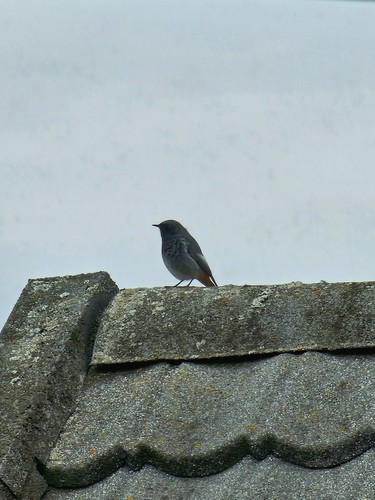
Black Redstart
13-14.5 cm (5.1-5.7 in) long, 23-26 cm wingspan
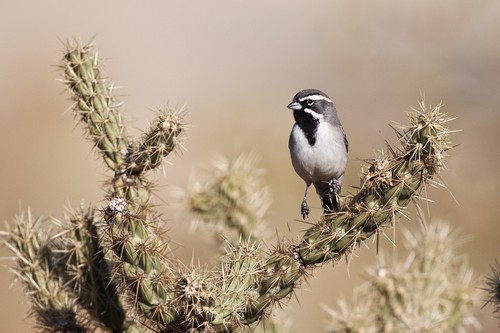
Black-throated Sparrow
12-14 cm (4.7-5.5 in) long, about 19-20 cm (7.5-8 in) wingspan
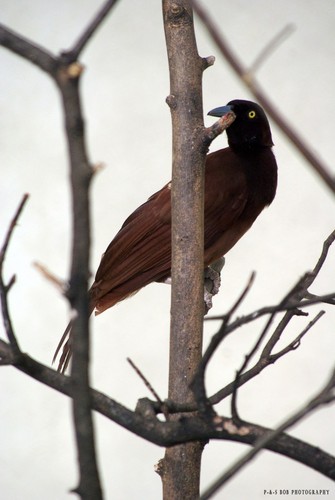
Greater Bird-of-paradise
Body about 43 cm; males with additional flank plumes up to 50 cm and long tail wires
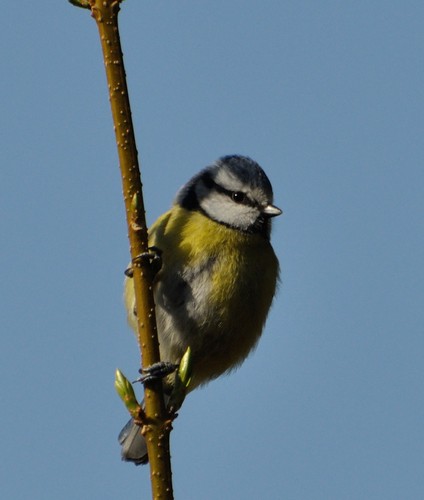
Blue Tit
11-12 cm (4.3-4.7 in) long, 17-20 cm wingspan
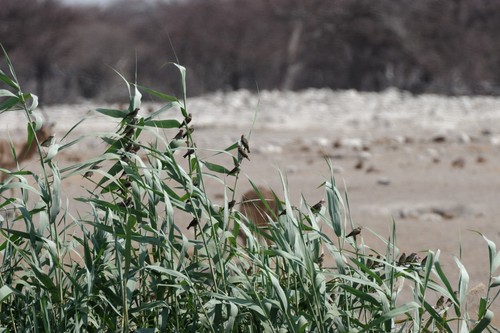
Red-billed Quelea
11.5–13 cm long, wingspan about 20–22 cm
White-plumed Antbird
13-14 cm (5-5.5 in) long
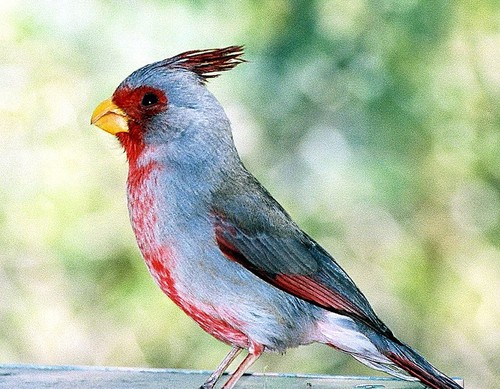
Pyrrhuloxia
19-22 cm (7.5-8.7 in) long, 30 cm wingspan
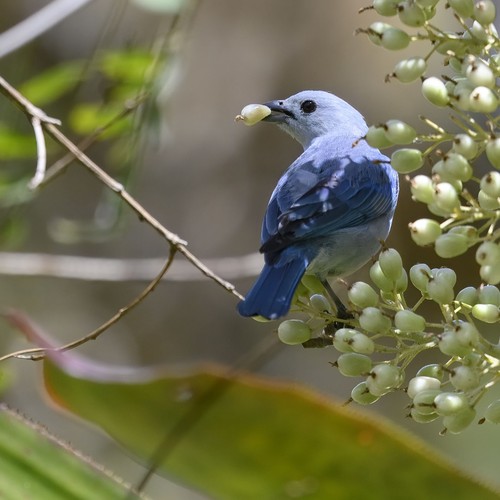
Blue-gray Tanager
16-18 cm (6-7 in) long
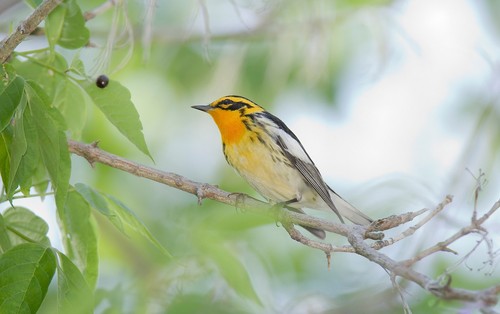
Blackburnian Warbler
11-13 cm (4.3-5.1 in) long, 20-22 cm wingspan
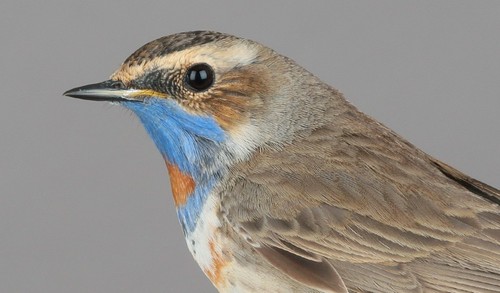
Bluethroat
13-14 cm (5.1-5.5 in) long, 20-22 cm wingspan
Eurasian Nuthatch
12-14.5 cm (4.7-5.7 in) long, 22.5-27 cm wingspan
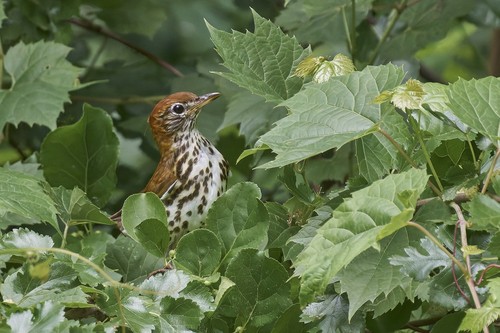
Wood Thrush
19-21 cm (7.5-8.3 in) long, about 33 cm (13 in) wingspan