
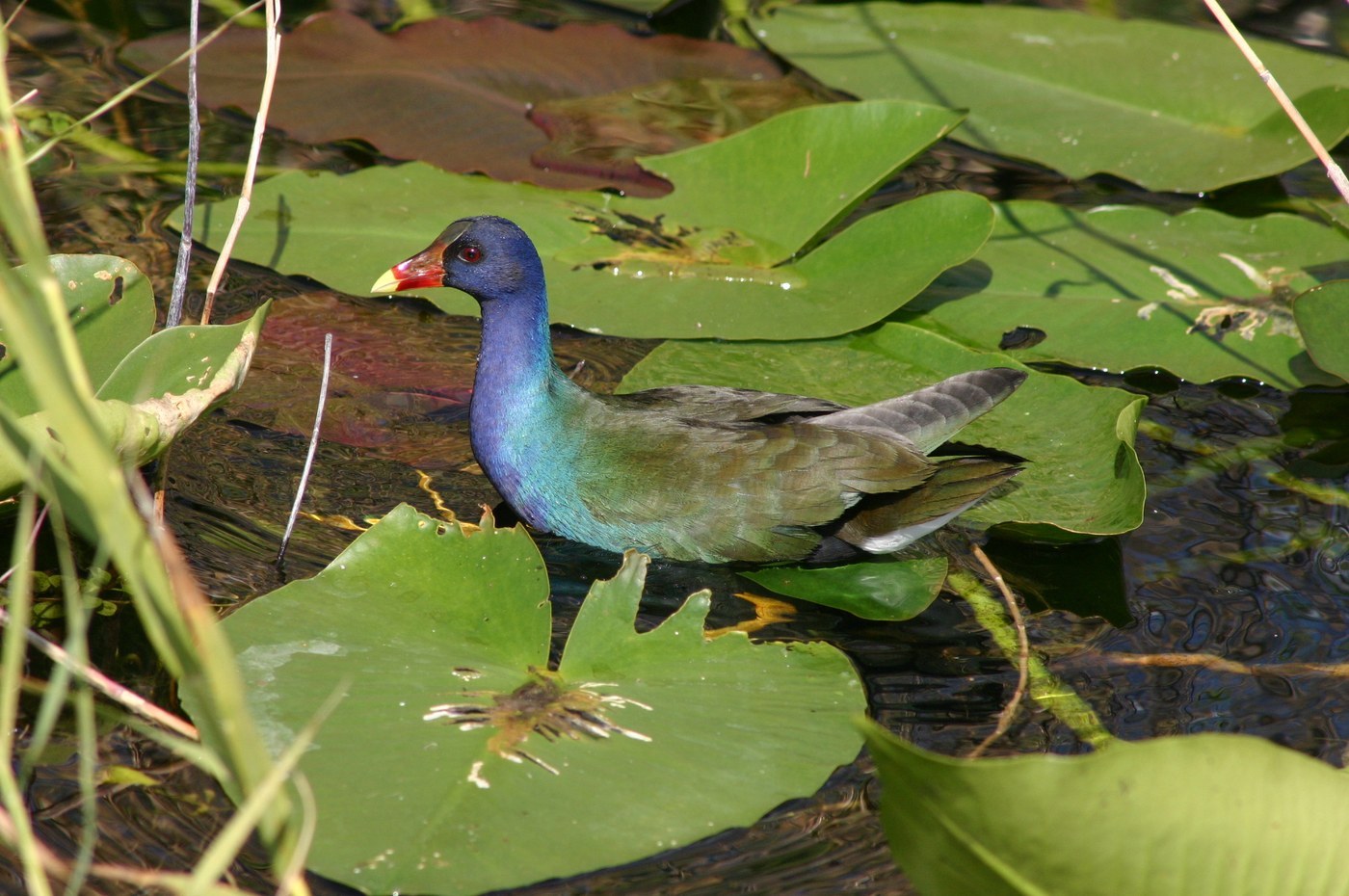
American Purple Gallinule
Porphyrio martinicus
The traditional American name for the Purple Gallinule, a jewel-toned marsh bird with purple-blue plumage and huge yellow feet.
- Size
- 26-35 cm (10-14 in) long, wingspan 50-61 cm
- Habitat
- freshwater marshes and swamps with floating vegetation in the southeastern U.S., Central and South America, and the Caribbean
- Type
- wading-bird
Spotted a bird like this?
Identify any bird from a photo, free.
Overview
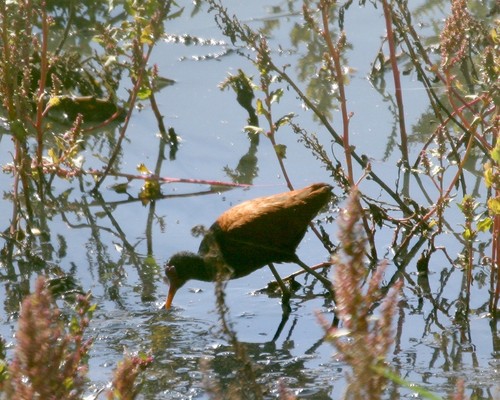
American Purple Gallinule is an older, still widely used name for the species now commonly called simply the Purple Gallinule (Porphyrio martinicus). It is a strikingly colored marsh bird with an iridescent purple-blue head, neck, and underparts contrasting with an olive-green back and wings, a red-and-yellow bill, and a pale powder-blue frontal shield.
Its most distinctive feature may be its feet: bright yellow legs with extremely long toes that let it walk across floating vegetation like lily pads without sinking, a trait shared with other members of its genus.
How to identify it
Key field marks
- Deep purple-blue head, neck, and underparts
- Olive-green back and wings
- Red bill tipped in yellow, with a pale blue frontal shield
- Long, bright yellow legs with very long toes
- White undertail coverts
Similar species
The Purple Swamphen is larger, lacks the green back, and has a red rather than pale blue frontal shield. The Common Gallinule is dark slate-grey instead of purple and lacks the striking color contrast.
Habitat & range
Habitat
Freshwater marshes, swamps, and ponds with abundant floating vegetation, which its long toes are specially adapted to walk across.
Range and migration
Found across the southeastern United States, Central America, the Caribbean, and much of South America. Northern populations migrate south for the winter, and the species is prone to occasional long-distance vagrancy well outside its typical range.
Behavior & voice
Behavior
An agile walker and climber in marsh vegetation, moving easily across lily pads and other floating plants.
Voice
Cackling and clucking calls given from within cover.
Feeding
An omnivorous diet of seeds, fruit, aquatic plants, insects, and small animals such as frogs.
Nesting and breeding
Builds a floating or emergent nest anchored among dense marsh vegetation, with both parents sharing incubation.
Frequently asked questions
Is the American Purple Gallinule a different species from the Purple Gallinule?
No, they are the same species, Porphyrio martinicus; 'American Purple Gallinule' is simply an older, fuller name still used regionally.
How do you identify an American Purple Gallinule?
Look for iridescent purple-blue plumage, a green back, a red-and-yellow bill, a pale blue frontal shield, and long yellow legs.
Where can you find American Purple Gallinules?
Freshwater marshes in the southeastern U.S., especially Florida, plus Central America, the Caribbean, and South America.
What do American Purple Gallinules eat?
Seeds, fruit, aquatic plants, and small animals like insects and frogs.
How does it walk on floating plants without sinking?
Its unusually long toes distribute its weight across lily pads and other floating vegetation.
American Purple Gallinule guides
In-depth guides for identifying, finding, and understanding American Purple Gallinule.
Other birds you may enjoy
Demoiselle Crane
85-100 cm (33-39 in) long, 155-180 cm wingspan
Boat-billed Heron
41-56 cm (16-22 in) long
Purple Heron
78-90 cm (31-35 in) long, 120-152 cm wingspan
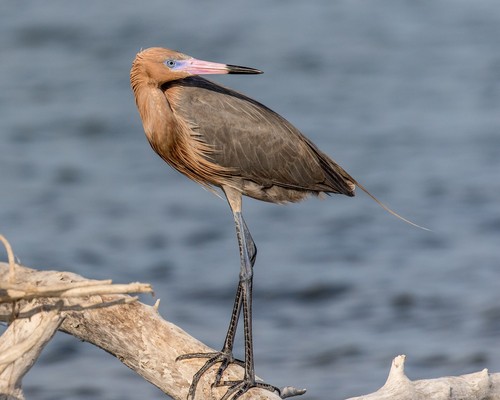
Reddish Egret
68-82 cm (27-32 in) long, 116-125 cm wingspan
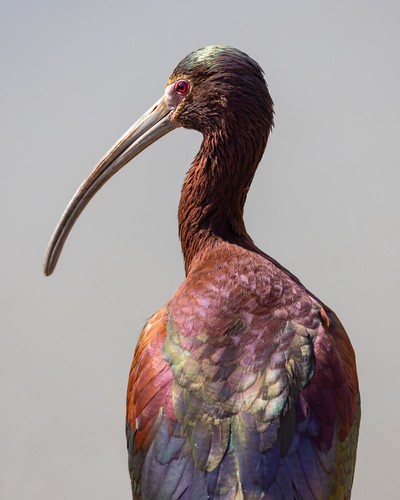
White-faced Ibis
46-56 cm (18-22 in) long, 88-93 cm wingspan
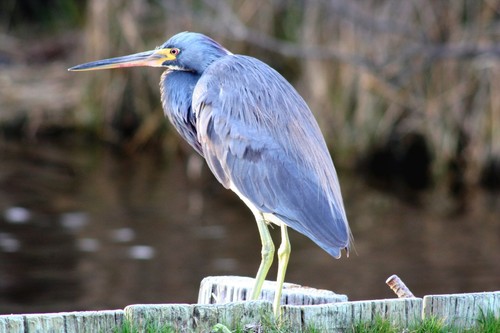
Tricolored Heron
61-76 cm (24-30 in) long, about 96 cm wingspan
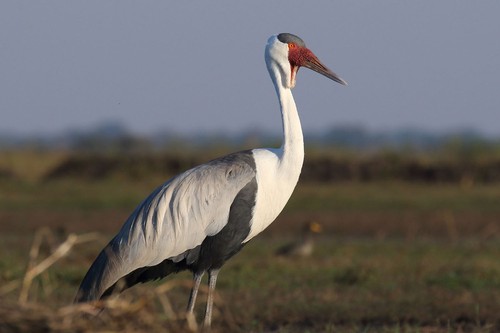
Wattled Crane
120-175 cm (47-69 in) tall, one of the tallest cranes, wingspan up to about 230 cm (7.5 ft)
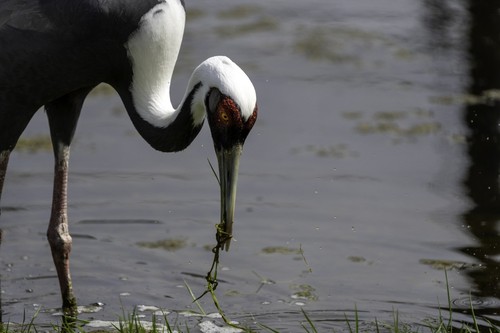
White-naped Crane
112-125 cm (44-49 in) long, 195-210 cm wingspan
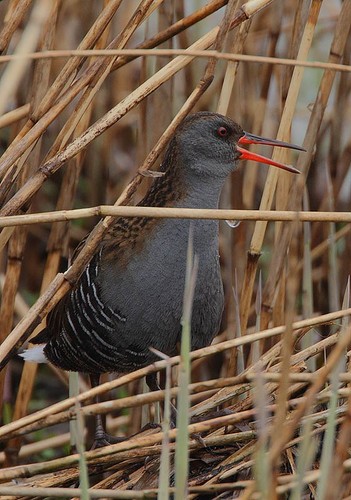
Water Rail
23-28 cm (9-11 in) long, wingspan 38-45 cm
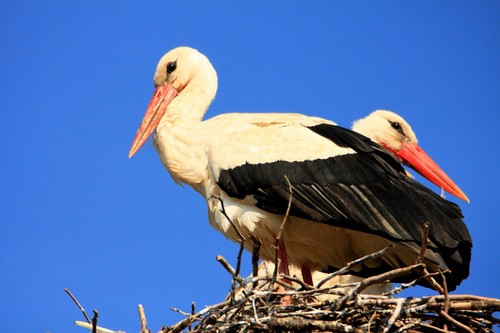
White Stork
100-125 cm (39-49 in) long, 155-215 cm wingspan
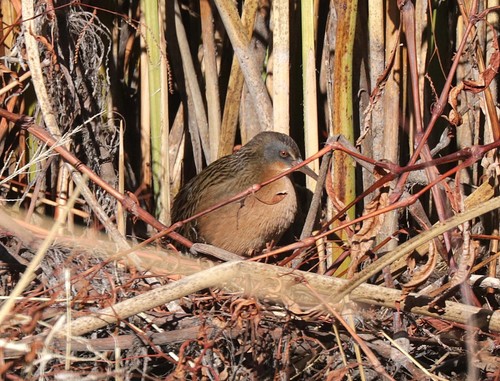
Virginia Rail
20-27 cm (8-11 in) long, wingspan 32-38 cm
Wattled Jacana
17-23 cm (7-9 in) long