
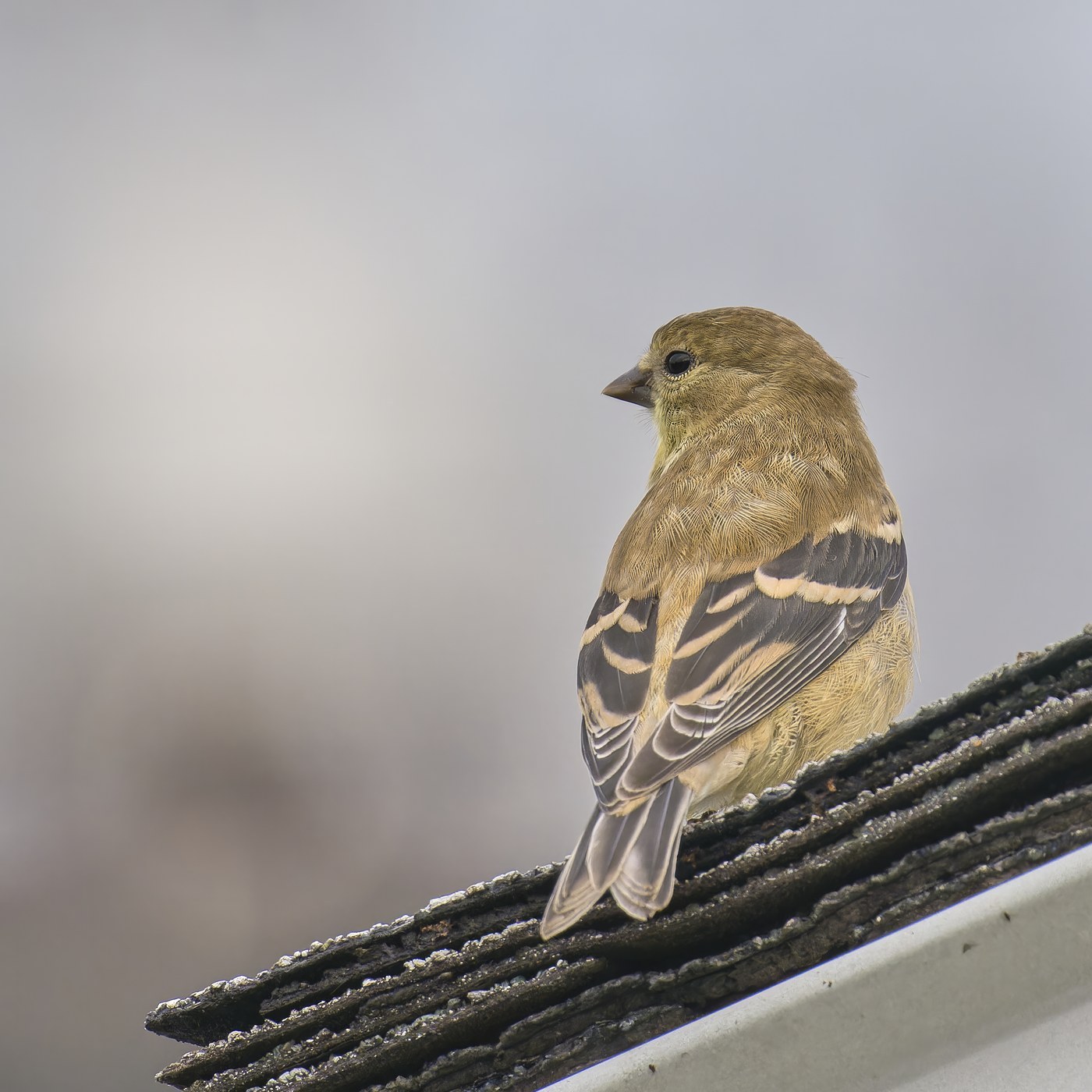
American Goldfinch
Spinus tristis
A small finch famous for the male's brilliant lemon-yellow breeding plumage and black cap, wings, and tail.
- Size
- 11-14 cm (4-5.5 in) long, 19-22 cm (7.5-8.5 in) wingspan
- Habitat
- weedy fields, floodplains, open woodlands, gardens, and roadsides
- Type
- songbird
Spotted a bird like this?
Identify any bird from a photo, free.
Overview
The American Goldfinch is a small, active finch well known for its seasonal change in plumage. In breeding season, males are a vivid lemon yellow with a black cap, black wings marked with white bars, and a black tail; females are duller olive-yellow without the black cap. In winter, both sexes molt into a drab olive-brown to buffy plumage, retaining the blackish wings with white wing bars, making winter birds much less conspicuous.
This species is sometimes called the "wild canary" for its bright coloring and cheerful song, and it is a familiar visitor to backyard thistle and nyjer seed feeders.
How to identify it
Key Field Marks
- Breeding male: bright yellow body, black cap, black wings with white bars, black tail
- Female/non-breeding: duller olive to buffy-brown, retaining blackish wings with white bars
- Small, conical pink-orange bill
- Bouncy, undulating flight often accompanied by a "per-chik-o-ree" flight call
Similar Species
- Lesser Goldfinch (western/southern U.S.): smaller, with a greenish or blackish back depending on region, and different flight call.
- Wilson's Warbler: also yellow with a black cap, but has an all-black cap (not just on top) and lacks white wing bars and the finch's conical bill.
- Yellow Warbler: entirely yellow without a black cap or barred wings, and has a thin warbler bill.
Habitat & range
Habitat
Goldfinches favor open, weedy habitats such as fields, floodplains, roadsides, and gardens, where composite flowers like thistle and sunflower provide seed sources; they also use open woodlands and shrubby edges.
Range
They breed across southern Canada and the northern and central United States, and winter across most of the U.S. and into northern Mexico, with some populations resident year-round in the middle latitudes of their range.
Migration
American Goldfinches are short- to medium-distance migrants; many northern breeders move south in winter, though flocks can be found year-round across much of the central and southern parts of the range.
Behavior & voice
Behavior
Goldfinches are highly social, often foraging and migrating in flocks, and their flight is characteristically bouncy and undulating. They are among the latest-nesting songbirds, timing breeding to coincide with peak seed availability in mid- to late summer.
Voice
The song is a long, varied series of twitters and warbles. Their flight call, often given in the characteristic undulating flight, is commonly rendered as "per-chik-o-ree" or "potato-chip."
Feeding
They are almost entirely seed eaters, with a strong preference for the seeds of composite (aster family) plants like thistle, dandelion, and sunflower; they rarely eat insects even when feeding young, which is unusual among songbirds.
Nesting & Breeding
Nesting begins later than most songbirds, typically in July or August, tied to the availability of thistledown for nest lining. The female builds a tightly woven cup nest, often in a shrub or sapling, and lays 4-6 pale bluish-white eggs.
Frequently asked questions
Why do American Goldfinches change color?
Males molt twice a year, gaining bright yellow breeding plumage in spring through a partial molt and duller olive winter plumage in fall through a complete molt, which likely helps with camouflage and energy conservation in winter.
Why do goldfinches nest so late in summer?
They time breeding to coincide with peak seed production of thistles and other composite plants in mid- to late summer, which provides food for young and fibrous down for nest construction.
What is the best food to attract goldfinches to a feeder?
Nyjer (thistle) seed and sunflower seed, particularly in tube feeders, are highly effective at attracting American Goldfinches.
Do American Goldfinches migrate?
Many populations migrate short to medium distances, moving south in winter, although in much of the central U.S. some goldfinches are present year-round.
How can I tell a male and female goldfinch apart in winter?
In winter plumage both sexes look similarly drab olive-brown, but males often retain slightly brighter yellow tinges on the face and blacker wings than females.
American Goldfinch guides
In-depth guides for identifying, finding, and understanding American Goldfinch.
American Goldfinch identified by the community
Real birds identified with Bird Identifier.


Other birds you may enjoy
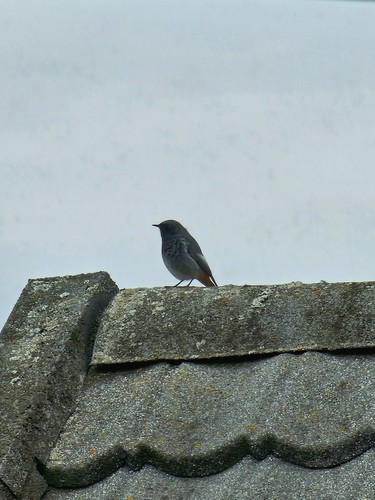
Black Redstart
13-14.5 cm (5.1-5.7 in) long, 23-26 cm wingspan
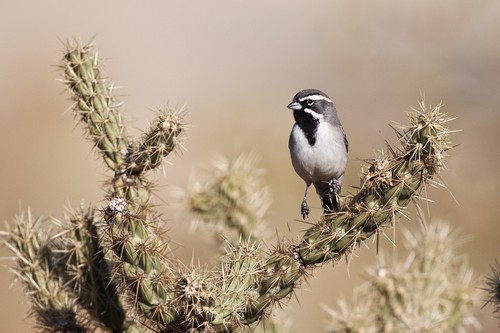
Black-throated Sparrow
12-14 cm (4.7-5.5 in) long, about 19-20 cm (7.5-8 in) wingspan
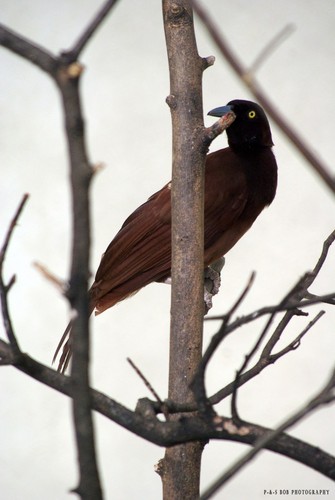
Greater Bird-of-paradise
Body about 43 cm; males with additional flank plumes up to 50 cm and long tail wires
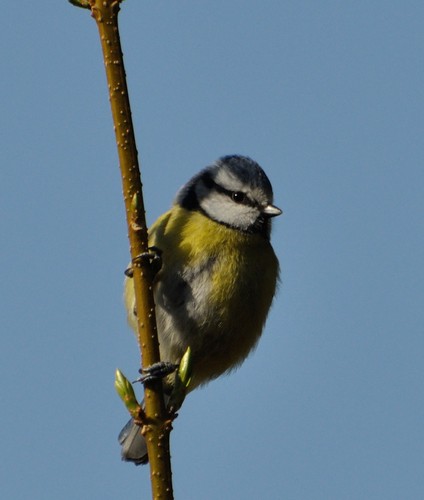
Blue Tit
11-12 cm (4.3-4.7 in) long, 17-20 cm wingspan
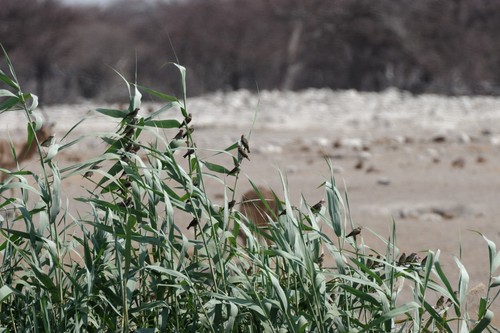
Red-billed Quelea
11.5–13 cm long, wingspan about 20–22 cm
White-plumed Antbird
13-14 cm (5-5.5 in) long
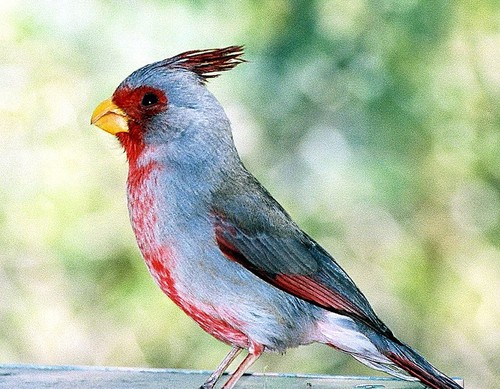
Pyrrhuloxia
19-22 cm (7.5-8.7 in) long, 30 cm wingspan
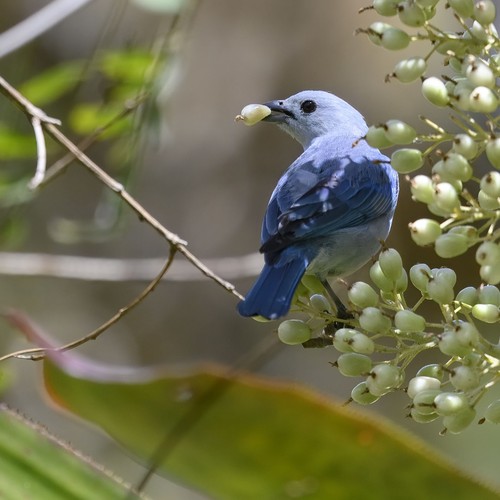
Blue-gray Tanager
16-18 cm (6-7 in) long
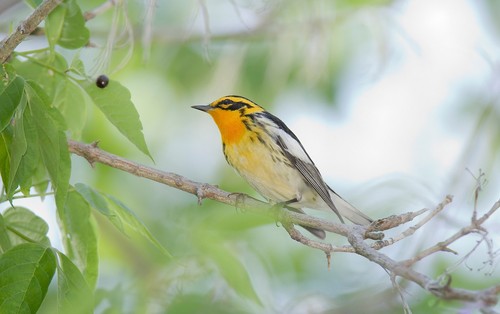
Blackburnian Warbler
11-13 cm (4.3-5.1 in) long, 20-22 cm wingspan
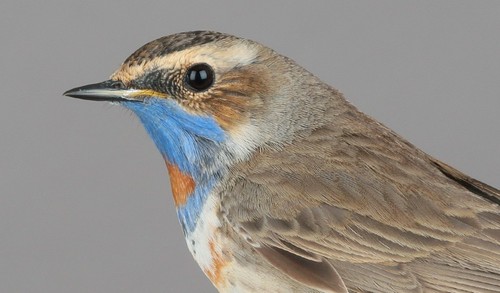
Bluethroat
13-14 cm (5.1-5.5 in) long, 20-22 cm wingspan
Eurasian Nuthatch
12-14.5 cm (4.7-5.7 in) long, 22.5-27 cm wingspan
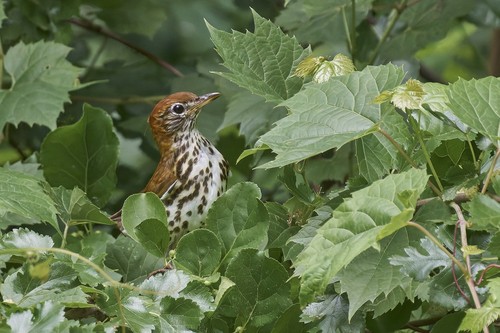
Wood Thrush
19-21 cm (7.5-8.3 in) long, about 33 cm (13 in) wingspan