
American Golden-Plover
Pluvialis dominica
A slim, elegant plover with gold-spangled upperparts that undertakes one of the longest migrations of any shorebird, between Arctic tundra and South American grasslands.
- Size
- 24-28 cm (9.5-11 in) long, 65-70 cm wingspan
- Habitat
- Arctic tundra (breeding); grasslands and pampas (non-breeding)
- Type
- shorebird
Spotted a bird like this?
Identify any bird from a photo, free.
Overview
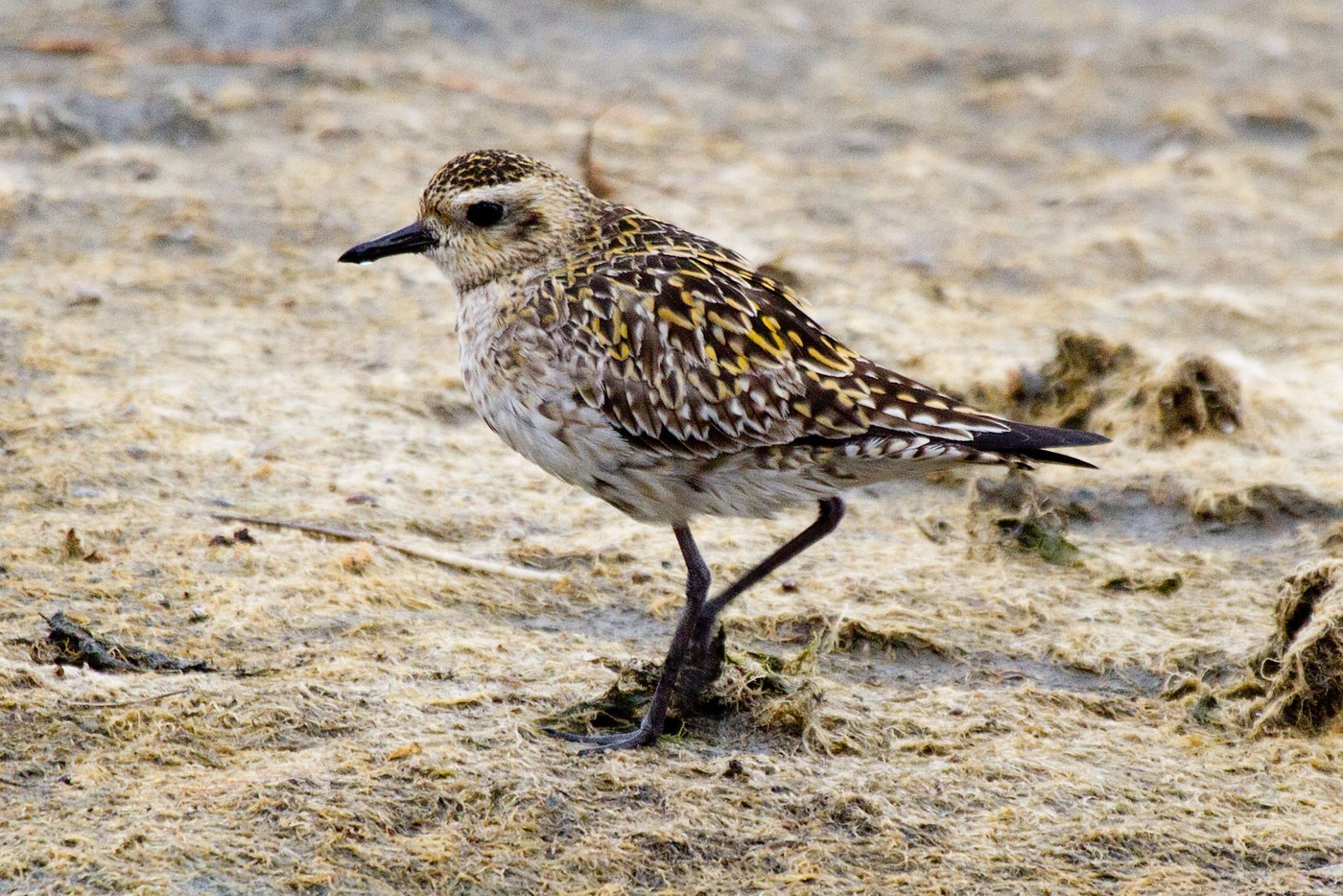
The American Golden-Plover is a graceful, relatively slim plover with a distinctly upright posture and long primary wing projection. Breeding adults are striking, with jet-black underparts from face to belly bordered by a broad white band, set against upperparts densely spangled with gold, black, and white.
Non-breeding and juvenile birds are much plainer, buffy-brown above with fine gold speckling and pale, lightly mottled underparts.
This species is famous for its extraordinary migration, flying largely over open ocean from staging areas in eastern North America to wintering grounds on the pampas and grasslands of southern South America, a journey that may involve nonstop flights of several thousand kilometers.
How to identify it
Key field marks
- Slim build with a small head, long wings extending well past the tail at rest
- Breeding: black face and underparts bordered by a white stripe; gold-and-black spangled upperparts
- Gray (not black) axillaries and underwing—key difference from Black-bellied Plover
- No white wing stripe or white rump in flight, unlike Black-bellied Plover
Similar species
- Pacific Golden-Plover is very similar but slightly smaller with longer legs, more contrasting flank markings, and a more attenuated look; best separated by structure and range.
- European Golden-Plover has white (not gray) axillaries and a more robust build.
- Black-bellied Plover is bulkier with black axillaries and a white wing stripe.
Habitat & range
American Golden-Plovers breed on open Arctic tundra across northern Alaska and Canada. After breeding, they stage in large numbers on prairies and coastal areas before making long overwater flights to wintering grounds on the grasslands and agricultural pampas of southern South America, particularly Argentina, Paraguay, and Uruguay.
During migration they favor short-grass fields, plowed agricultural land, airports, and sod farms rather than mudflats, distinguishing their habitat choice from many other shorebirds.
Behavior & voice
Voice
A clear, plaintive whistled quee-lee or tu-ee-wee, often given in flight.
Feeding
Forages with a run-stop-peck technique in short grass and open ground, taking insects and other invertebrates in summer and supplementing its diet with berries on the tundra; on wintering grounds it feeds heavily on insects in grasslands and fields.
Nesting
Nests in a shallow scrape on dry tundra, often on a slight rise with good visibility. Both parents share incubation duties and perform distraction displays to lead predators away from the nest.
Frequently asked questions
How far does the American Golden-Plover migrate?
It makes one of the longest migrations of any shorebird, flying from Arctic breeding grounds to wintering areas on the South American pampas, often in long nonstop flights over open ocean.
How can you distinguish it from the Black-bellied Plover?
In flight, American Golden-Plovers show gray underwings with no white wing stripe, while Black-bellied Plovers show black axillaries and a bold white wing stripe.
What habitat does it prefer on migration?
Unlike many shorebirds, it favors short-grass fields, plowed farmland, and grasslands rather than mudflats.
How is it different from the Pacific Golden-Plover?
The two are very similar; American Golden-Plover is slightly bulkier with shorter legs and less contrasting underparts, and the species largely differ in range and migration routes.
American Golden-Plover guides
In-depth guides for identifying, finding, and understanding American Golden-Plover.
Other birds you may enjoy
Black-winged Stilt
33-36 cm (13-14 in) long, wingspan 67-83 cm
Willet
33-41 cm (13-16 in) long, 65-70 cm wingspan
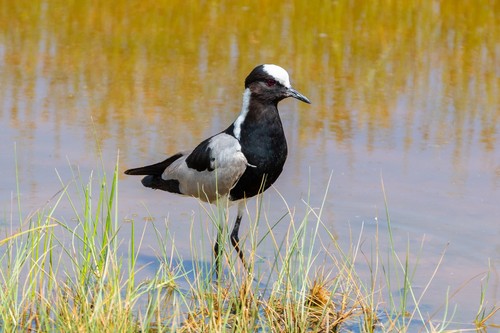
Blacksmith Lapwing
Body length about 30 cm; wingspan 55-65 cm
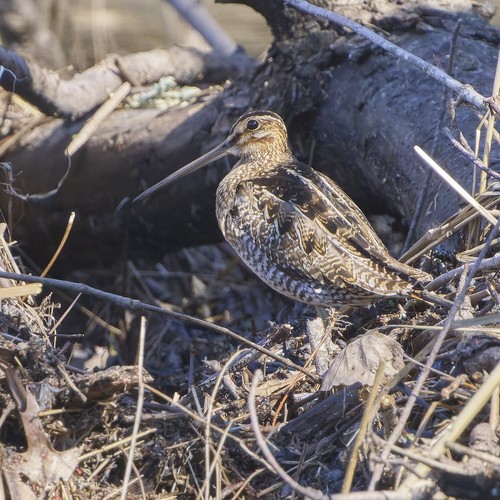
Wilson's Snipe
25-30 cm (10-12 in) long, 39-45 cm wingspan
Western Sandpiper
14-17 cm (5.5-6.7 in) long, 28-37 cm wingspan
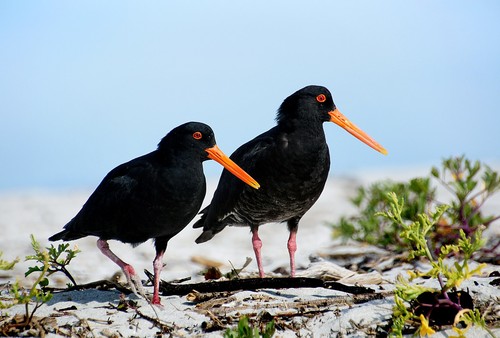
Variable Oystercatcher
46-49 cm (18-19 in) long
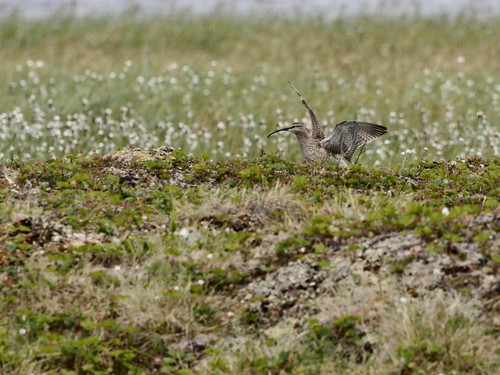
Whimbrel
40-46 cm (16-18 in) long, 76-89 cm wingspan
Wilson's Phalarope
22-24 cm (8.5-9.5 in) long, 37-43 cm wingspan
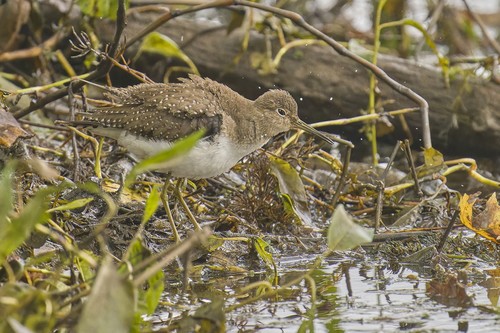
Solitary Sandpiper
19-23 cm (7.5-9 in) long, 50-56 cm wingspan
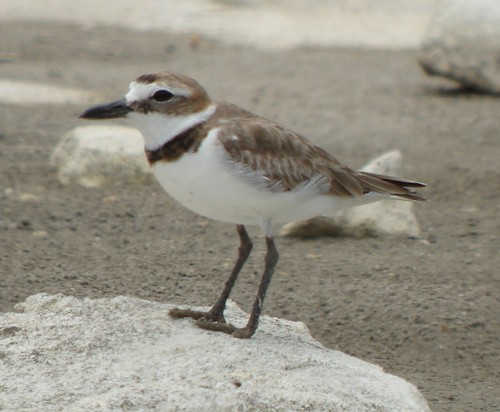
Wilson's Plover
17-19 cm (6.7-7.5 in) long, 45-50 cm wingspan
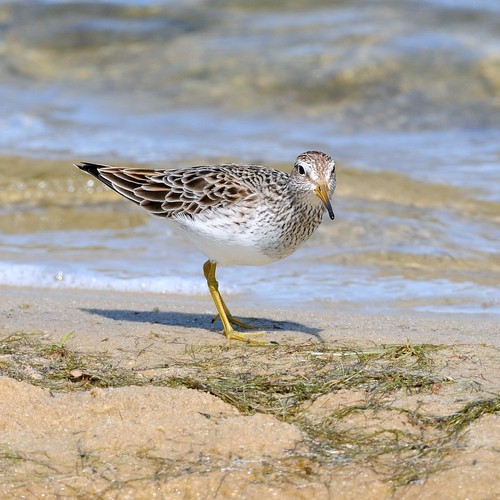
Pectoral Sandpiper
19-23 cm (7.5-9 in) long, 43-49 cm wingspan
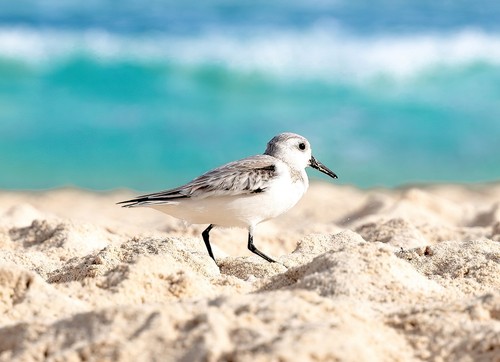
Sanderling
18-20 cm (7-8 in) long, 40-43 cm wingspan