
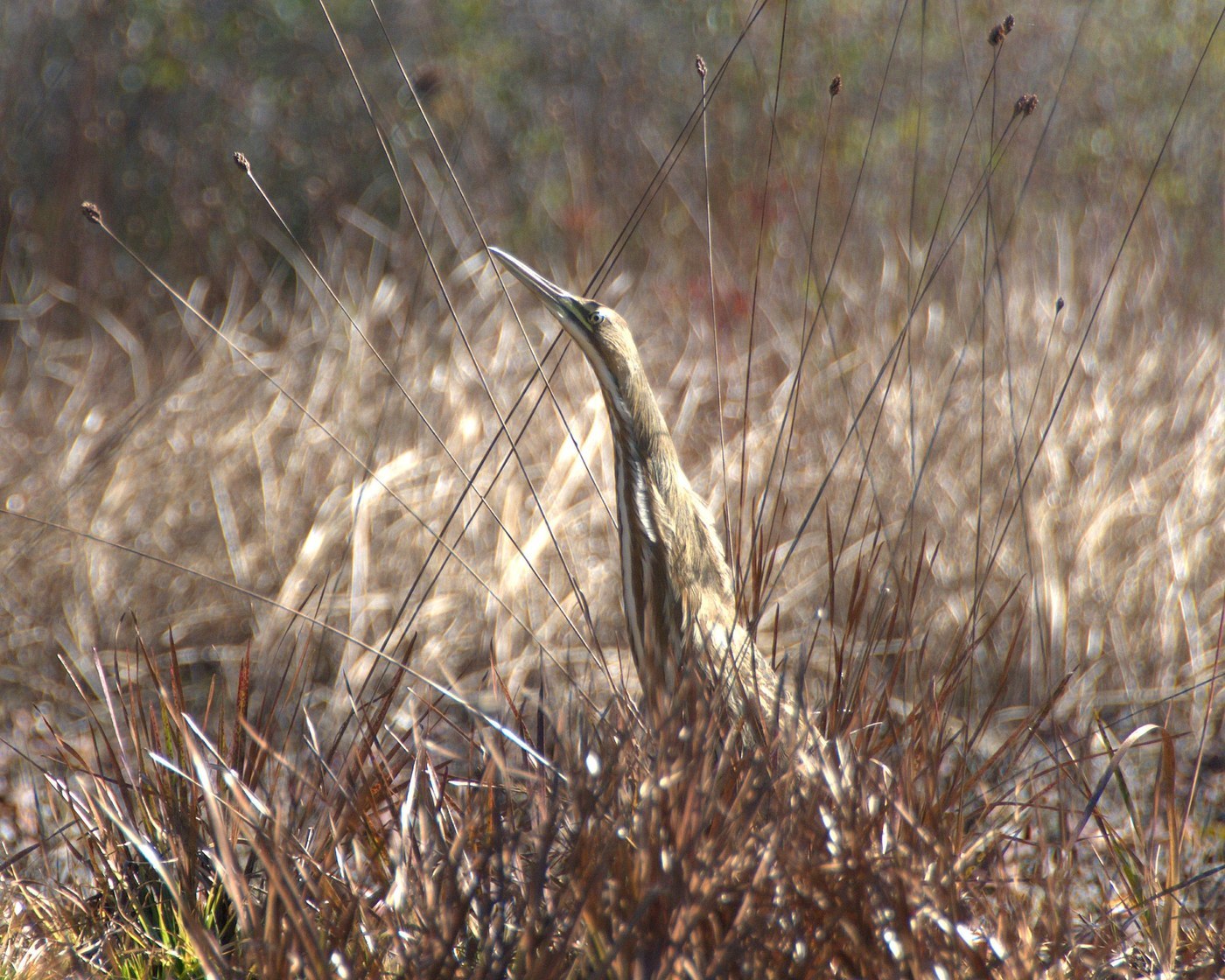
American Bittern
Botaurus lentiginosus
A master of camouflage among North American marshes, best known for its odd pumping call and its habit of freezing bill-up in the reeds.
- Size
- 58-70 cm (23-28 in) long, 92-115 cm wingspan
- Habitat
- freshwater marshes, wet meadows, and bogs across North America
- Type
- wading-bird
Spotted a bird like this?
Identify any bird from a photo, free.
Overview
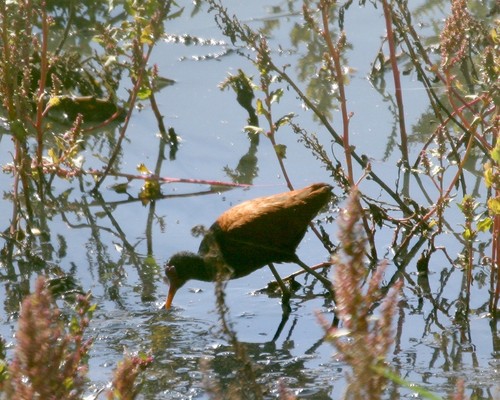
The American Bittern is a stocky, secretive heron relative, colored in warm brown streaks that provide near-perfect camouflage among cattails and reeds. It has a bold black stripe running down each side of the neck (the malar stripe), a feature entirely absent in the similarly patterned young night-herons, and greenish-yellow legs.
Rather than fleeing when threatened, an American Bittern will often freeze in place with its bill pointed straight up and its streaked neck feathers compressed, blending remarkably well with the surrounding reeds — a behavior known as "bitterning." It is far more often heard than seen, thanks to its extraordinary booming call.
How to identify it
Key field marks
- Warm brown, heavily streaked body plumage
- Bold black stripe down each side of the neck
- Stocky build with a relatively short neck compared to true herons
- Dark primaries contrasting with brown upperwing in flight
- Habit of freezing with bill pointed skyward when alarmed
Similar species
The Least Bittern is much smaller and shows contrasting buffy wing patches. Juvenile night-herons can look superficially similar but lack the neck stripe and have a stockier, shorter-billed shape. The American Bittern's cryptic plumage and freeze posture are the best distinguishing behaviors.
Habitat & range
Habitat
American Bitterns require dense, tall marsh vegetation such as cattails, sedges, and bulrushes bordering shallow open water, along with wet meadows and bogs.
Range and migration
The species breeds across much of Canada and the northern United States, wintering in the southern United States, Mexico, and Central America. Northern populations are migratory, moving south as wetlands freeze in autumn.
Behavior & voice
Behavior
Extremely secretive, American Bitterns spend most of their time hidden in dense marsh vegetation, walking slowly with a stealthy gait and freezing at the first sign of danger rather than flying.
Voice
The male's booming, resonant "oonk-a-lunk" or "pump-er-lunk" call, often likened to an old pump handle or a stake being driven into mud, carries far across marshes and is the species' most distinctive trait.
Feeding
It hunts by standing motionless or stalking slowly, catching fish, frogs, crayfish, insects, and small mammals with a quick jab of the bill.
Nesting and breeding
Nests are simple platforms of marsh vegetation built low over water and hidden in dense cover; females typically lay 2-6 eggs and raise the young alone.
Frequently asked questions
Why is the American Bittern called the 'thunder pumper'?
Its odd, resonant booming call sounds like an old-fashioned water pump, earning it nicknames like 'thunder pumper' and 'stake driver.'
How does an American Bittern hide from predators?
It freezes with its bill pointed straight up, compressing its streaked neck feathers so it blends into the surrounding reeds.
Where do American Bitterns live?
In dense freshwater marshes across North America, breeding in Canada and the northern US and wintering further south.
What does an American Bittern eat?
Fish, frogs, crayfish, large insects, and occasionally small mammals caught in shallow marsh water.
American Bittern guides
In-depth guides for identifying, finding, and understanding American Bittern.
Other birds you may enjoy
Demoiselle Crane
85-100 cm (33-39 in) long, 155-180 cm wingspan
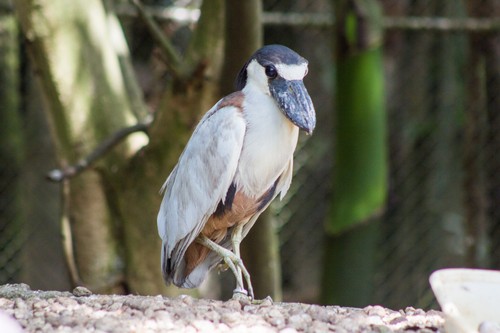
Boat-billed Heron
41-56 cm (16-22 in) long
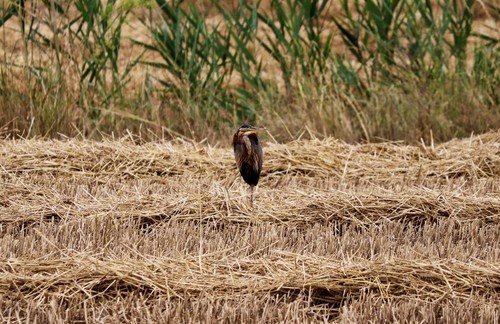
Purple Heron
78-90 cm (31-35 in) long, 120-152 cm wingspan
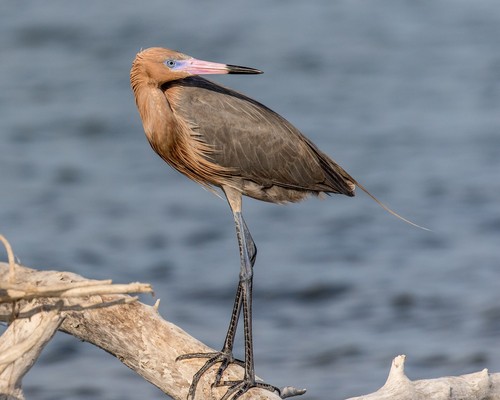
Reddish Egret
68-82 cm (27-32 in) long, 116-125 cm wingspan
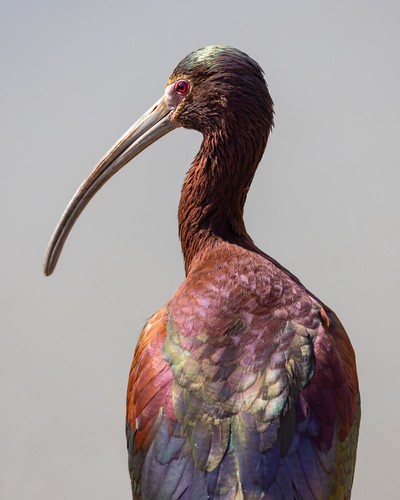
White-faced Ibis
46-56 cm (18-22 in) long, 88-93 cm wingspan
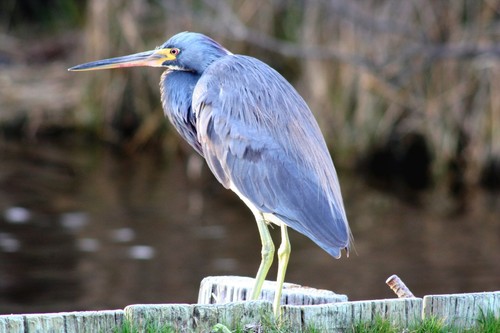
Tricolored Heron
61-76 cm (24-30 in) long, about 96 cm wingspan
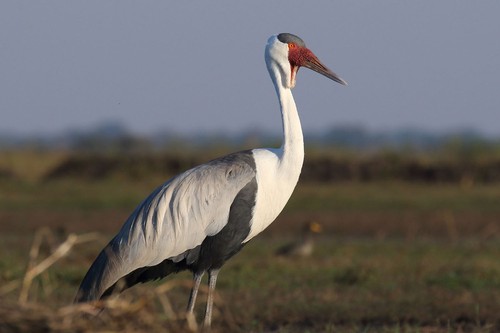
Wattled Crane
120-175 cm (47-69 in) tall, one of the tallest cranes, wingspan up to about 230 cm (7.5 ft)
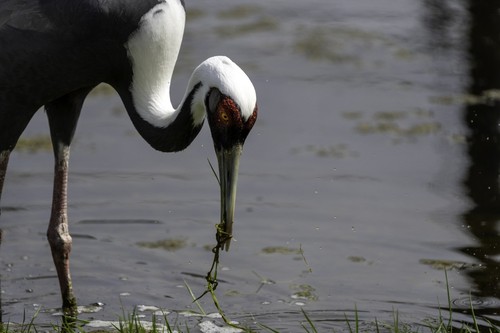
White-naped Crane
112-125 cm (44-49 in) long, 195-210 cm wingspan
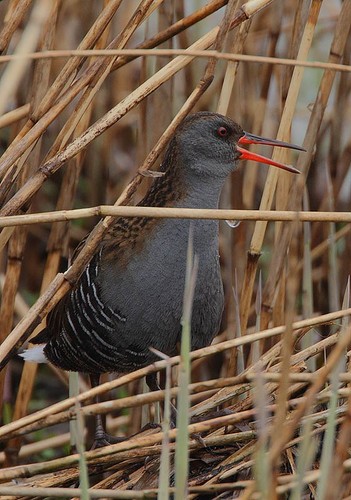
Water Rail
23-28 cm (9-11 in) long, wingspan 38-45 cm
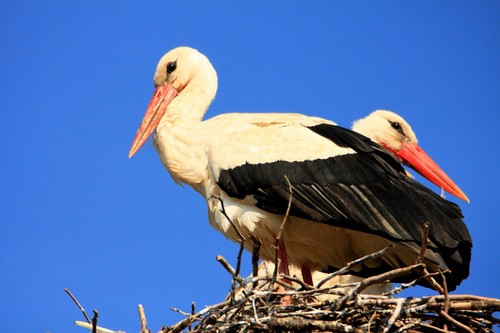
White Stork
100-125 cm (39-49 in) long, 155-215 cm wingspan
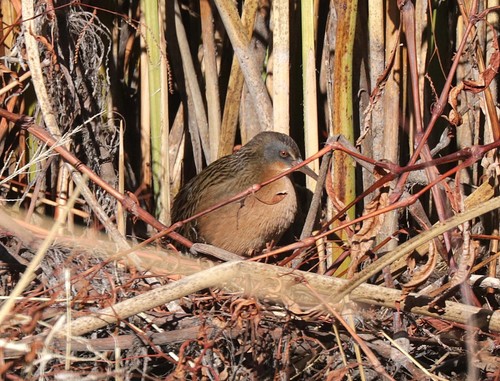
Virginia Rail
20-27 cm (8-11 in) long, wingspan 32-38 cm
Wattled Jacana
17-23 cm (7-9 in) long