
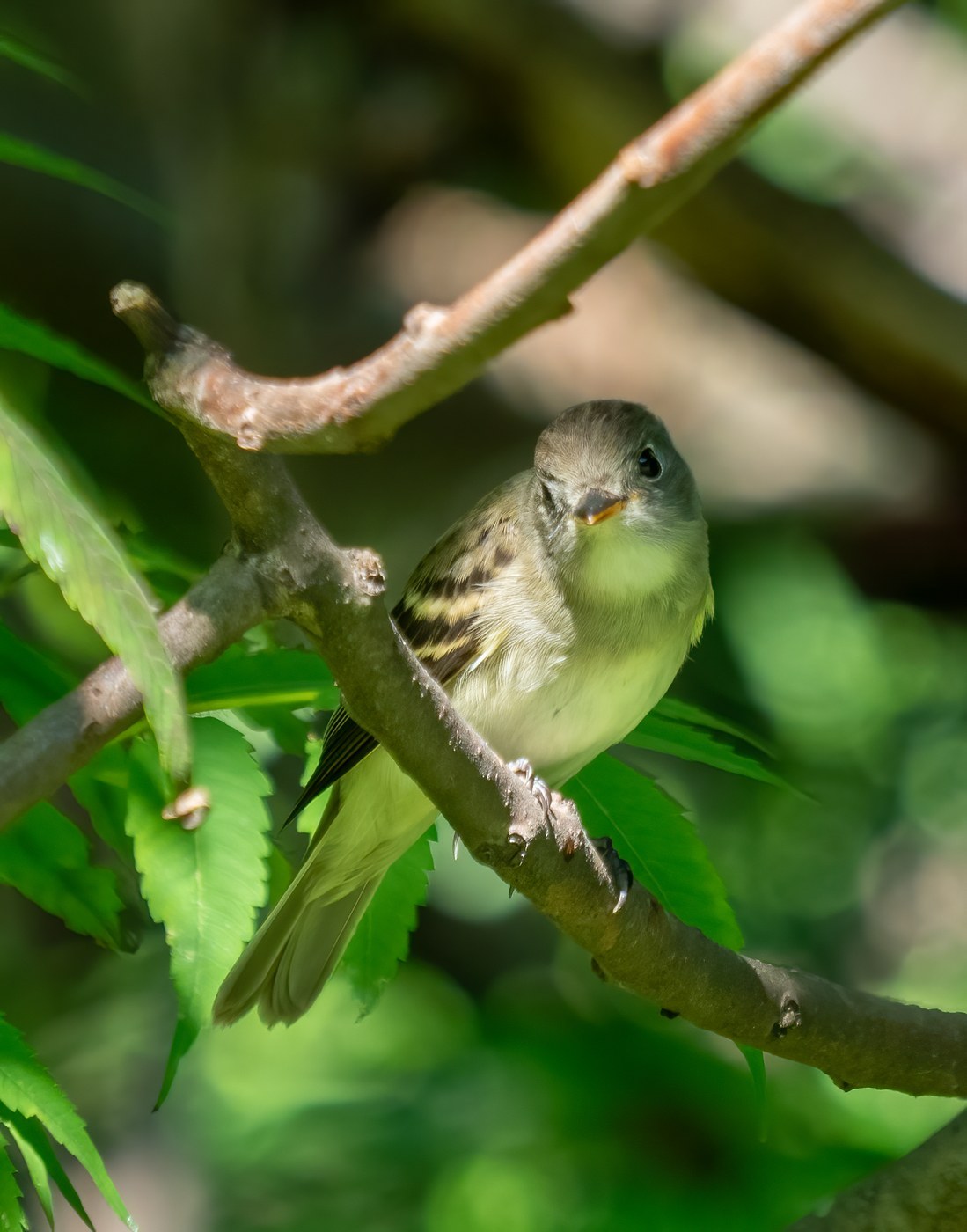
Alder Flycatcher
Empidonax alnorum
A plain, olive-brown Empidonax flycatcher of northern alder swamps and wet shrublands, virtually identical to the Willow Flycatcher except by voice.
- Size
- 13-17 cm (5-6.7 in) long, 21-23 cm wingspan
- Habitat
- shrubby wetlands and alder thickets across northern North America
- Type
- songbird
Spotted a bird like this?
Identify any bird from a photo, free.
Overview
The Alder Flycatcher is a plain, olive-toned member of the Empidonax genus that breeds across the boreal and northern regions of North America, favoring wet shrubby habitats dominated by alder and willow thickets. Visually all but identical to the closely related Willow Flycatcher, the two species were only recognized as distinct in the 1970s based primarily on differences in song, and they remain essentially inseparable in the field without vocalizations.
This species breeds farther north than the Willow Flycatcher on average, favoring cooler, wetter boreal shrublands, bogs, and stream edges across Canada, Alaska, and the northern tier of the United States.
How to identify it
Key Field Marks
- Plain olive-brown upperparts with a faint or indistinct whitish eye-ring
- Two pale wing bars
- Whitish throat grading to a pale olive breast and yellowish belly
- Essentially identical in appearance to the Willow Flycatcher
Similar Species
- Willow Flycatcher is visually indistinguishable in most cases; the two are reliably separated only by song, with the Alder Flycatcher giving an explosive, rolling free-beer compared to the Willow's sneezy fitz-bew.
- Least Flycatcher is smaller with a more prominent eye-ring and a very different, sharply repeated call.
Habitat & range
Alder Flycatchers breed across the boreal forest zone of Canada and Alaska, extending south into the northern United States, favoring wet, shrubby habitats such as alder and willow thickets along streams, bogs, and wetland margins.
The species winters in South America, primarily in the Amazon basin and surrounding regions, undertaking a long-distance migration each year.
Behavior & voice
Voice
Sings an explosive, burry, rolling free-beer, the primary way to distinguish it from the nearly identical Willow Flycatcher; also gives a sharp pip call.
Feeding
Sallies from a low perch within dense shrubby vegetation to catch flying insects, and also gleans prey from leaves and twigs.
Nesting
Builds a loosely constructed cup nest of grass and plant fibers low in an alder, willow, or other dense shrub, typically in wet habitat.
Frequently asked questions
How can I tell an Alder Flycatcher from a Willow Flycatcher?
The two species are virtually identical in appearance and are best distinguished by song: the Alder Flycatcher gives an explosive, rolling 'free-beer' while the Willow Flycatcher sings a sneezy 'fitz-bew'.
Where does the Alder Flycatcher breed?
It breeds across the boreal forest zone of Canada and Alaska and into the northern United States, favoring wet alder and willow thickets.
Where do Alder Flycatchers spend the winter?
They migrate long distances to winter mainly in the Amazon basin of South America.
When were Alder and Willow Flycatchers recognized as separate species?
They were split into distinct species in the 1970s, primarily based on differences in their songs, since their plumage is nearly identical.
Alder Flycatcher guides
In-depth guides for identifying, finding, and understanding Alder Flycatcher.
Other birds you may enjoy
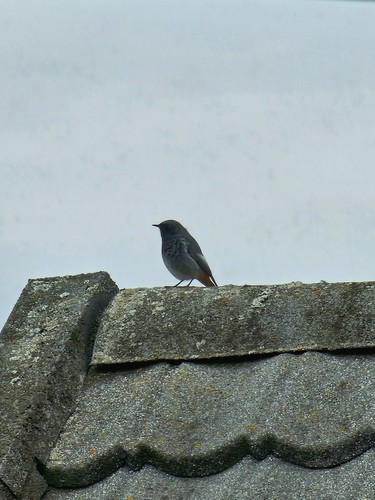
Black Redstart
13-14.5 cm (5.1-5.7 in) long, 23-26 cm wingspan
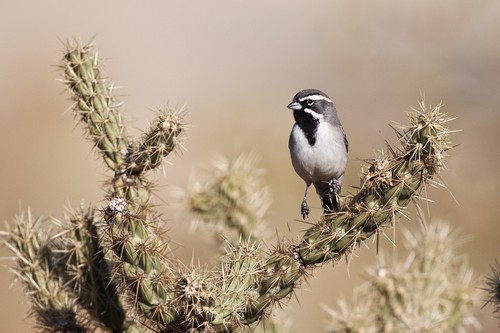
Black-throated Sparrow
12-14 cm (4.7-5.5 in) long, about 19-20 cm (7.5-8 in) wingspan
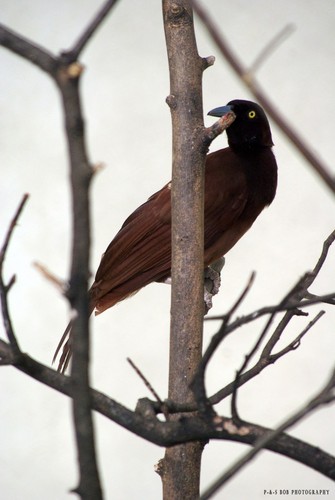
Greater Bird-of-paradise
Body about 43 cm; males with additional flank plumes up to 50 cm and long tail wires
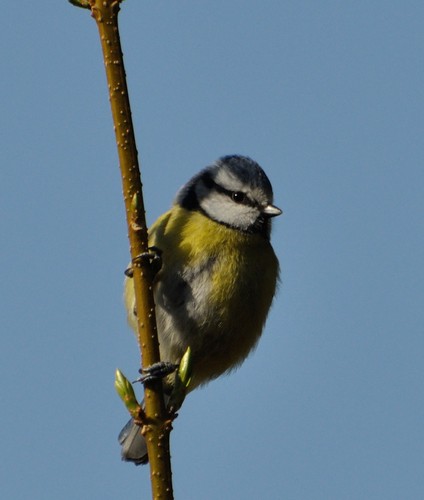
Blue Tit
11-12 cm (4.3-4.7 in) long, 17-20 cm wingspan
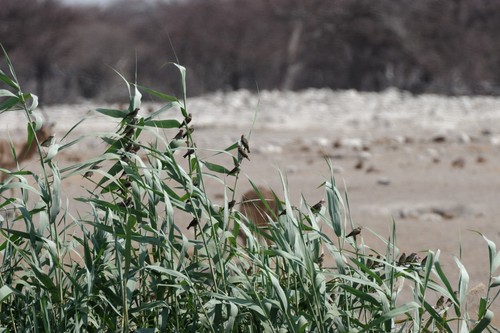
Red-billed Quelea
11.5–13 cm long, wingspan about 20–22 cm
White-plumed Antbird
13-14 cm (5-5.5 in) long
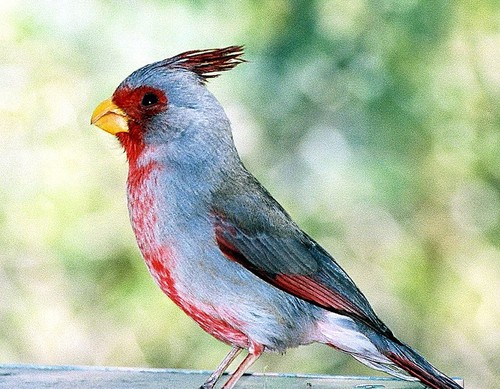
Pyrrhuloxia
19-22 cm (7.5-8.7 in) long, 30 cm wingspan
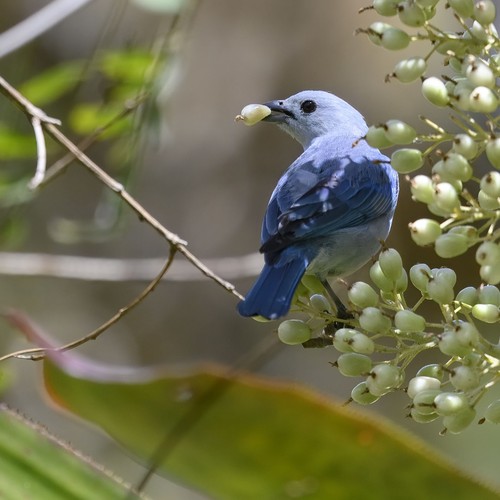
Blue-gray Tanager
16-18 cm (6-7 in) long
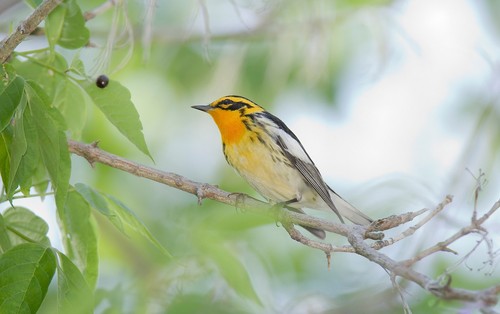
Blackburnian Warbler
11-13 cm (4.3-5.1 in) long, 20-22 cm wingspan
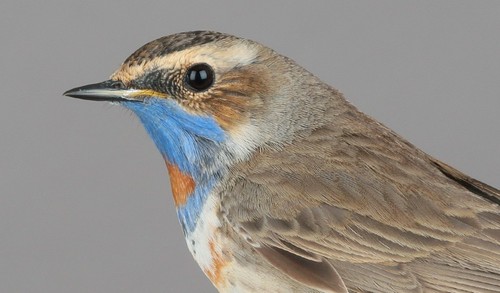
Bluethroat
13-14 cm (5.1-5.5 in) long, 20-22 cm wingspan
Eurasian Nuthatch
12-14.5 cm (4.7-5.7 in) long, 22.5-27 cm wingspan
Wood Thrush
19-21 cm (7.5-8.3 in) long, about 33 cm (13 in) wingspan