
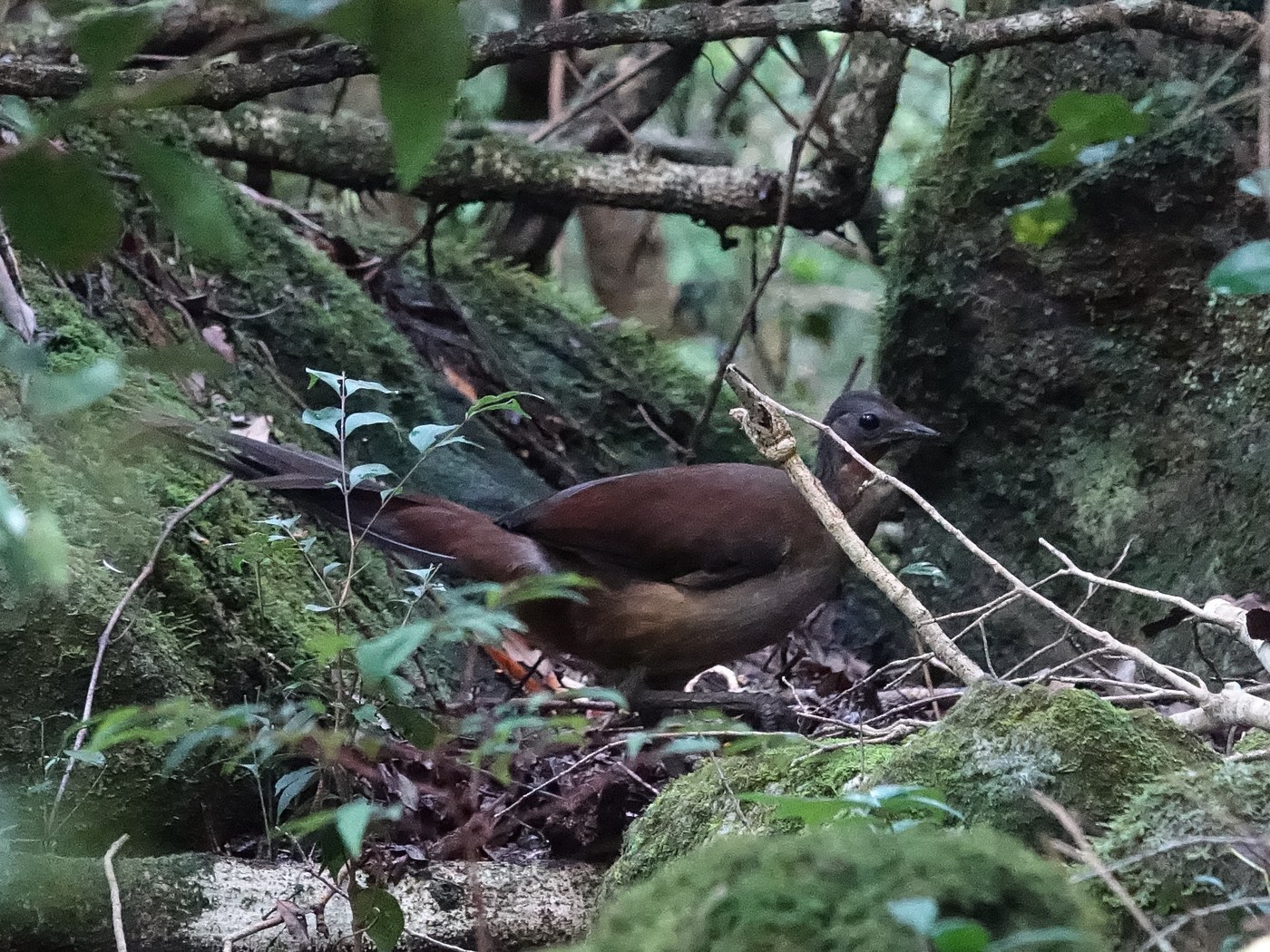
Albert's Lyrebird
Menura alberti
A rare, secretive lyrebird confined to a tiny pocket of rainforest on the New South Wales-Queensland border, known for its rich mimicry and warm reddish-brown plumage.
- Size
- 74-90 cm (29-35 in) total length including tail; slightly smaller than the Superb Lyrebird
- Habitat
- subtropical rainforest of the McPherson Range and Border Ranges, NSW-Queensland border
- Type
- songbird
Spotted a bird like this?
Identify any bird from a photo, free.
Overview
Albert's Lyrebird is the lesser-known of Australia's two lyrebird species, restricted to a small area of subtropical and warm temperate rainforest straddling the New South Wales-Queensland border. It is smaller and more richly reddish-brown than its famous relative, the Superb Lyrebird, with a chestnut throat and breast and duller, more subdued upperparts.
The male's tail, while still long and elaborate, differs structurally from the Superb Lyrebird's: rather than forming a lyre shape with paired curved outer feathers, it lacks the strongly barred lyrate feathers and instead forms a rufous, plumed arch or curtain that is thrown forward over the head during display, without the silvery lace-like sheen of its relative's tail.
Owing to its very restricted range and dependence on undisturbed rainforest, Albert's Lyrebird is far less familiar to most Australians than the widespread Superb Lyrebird, and it is considerably more difficult to observe, tending to remain deep within dense vegetation.
How to identify it
Key field marks
- Medium-large, dark reddish-brown ground bird with chestnut throat and breast
- Male's tail is long, rufous, and forms a plumed arch rather than a true lyre shape when displayed
- Overall warmer, more rufous tone than the greyer Superb Lyrebird
- Strong legs and feet for scratching in leaf litter, crouched running gait
Similar species
The only realistic confusion species is the Superb Lyrebird, which is larger, greyer overall, and has a male tail with distinctive lyre-shaped outer feathers rather than a plumed arch. The two species do not overlap in range, so location is a reliable clue: Albert's Lyrebird occurs only in the McPherson Range and adjacent border ranges, well north of the nearest Superb Lyrebird populations.
Habitat & range
Habitat
Albert's Lyrebird is a rainforest specialist, restricted to subtropical and warm temperate rainforest with a dense, shaded understorey and abundant leaf litter, often in gullies and on steep, moist slopes.
Range
Its entire global range is confined to a small area of the McPherson Range and Border Ranges spanning far northeastern New South Wales and adjacent southeastern Queensland, making it one of Australia's most range-restricted songbirds.
Migration
The species is non-migratory and highly sedentary, with individuals holding stable territories within continuous rainforest tracts; its restricted distribution makes it vulnerable to habitat fragmentation and fire.
Behavior & voice
Behavior
Like its relative, Albert's Lyrebird is a ground-dwelling bird that forages by scratching through leaf litter and rarely flies far. Males maintain display platforms of cleared vegetation and vine tangles rather than the open earthen mounds used by Superb Lyrebirds, where they sing and perform their tail display.
Voice
Alberts Lyrebirds are accomplished mimics, weaving imitations of other rainforest birds into their own loud, complex song, though they are generally considered slightly less prolific mimics than Superb Lyrebirds. Singing is most intense in the cooler months during the breeding season.
Feeding
It feeds on invertebrates such as worms, insects, and spiders, uncovered by raking through damp leaf litter with its feet.
Nesting and breeding
Males are polygynous and take no part in nest building or chick-rearing. Females build a large domed nest of sticks and vine tendrils, typically low in a tree fern or on a rocky ledge, and incubate and raise a single chick alone.
Frequently asked questions
How is Albert's Lyrebird different from the Superb Lyrebird?
It is smaller and more reddish-brown, with a male tail that forms a plumed arch rather than the true lyre shape of the Superb Lyrebird, and it is restricted to a tiny rainforest range on the NSW-Queensland border.
Where can Albert's Lyrebird be found?
It occurs only in subtropical rainforest of the McPherson Range and Border Ranges of far northeastern New South Wales and adjacent southeastern Queensland.
Why is Albert's Lyrebird considered threatened?
Its extremely restricted range makes it vulnerable to habitat loss, fragmentation, and bushfire, which is why it is classified as Near Threatened.
Is Albert's Lyrebird also a good mimic?
Yes, it is a skilled vocal mimic, though it is generally regarded as slightly less versatile than the more widely studied Superb Lyrebird.
What does Albert's Lyrebird eat?
It eats invertebrates such as worms, insects, and spiders found by scratching through rainforest leaf litter.
Albert's Lyrebird guides
In-depth guides for identifying, finding, and understanding Albert's Lyrebird.
Other birds you may enjoy
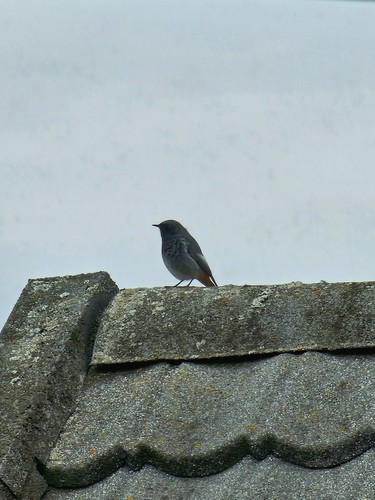
Black Redstart
13-14.5 cm (5.1-5.7 in) long, 23-26 cm wingspan
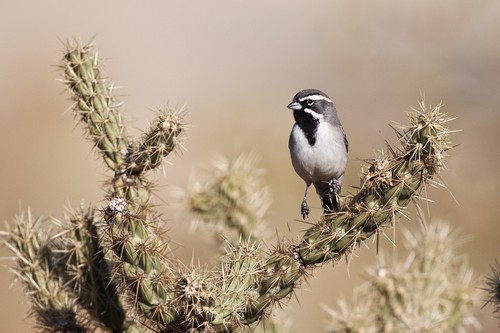
Black-throated Sparrow
12-14 cm (4.7-5.5 in) long, about 19-20 cm (7.5-8 in) wingspan
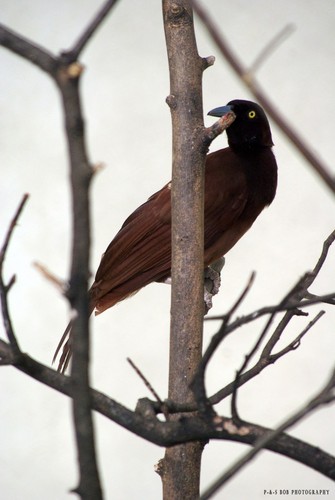
Greater Bird-of-paradise
Body about 43 cm; males with additional flank plumes up to 50 cm and long tail wires
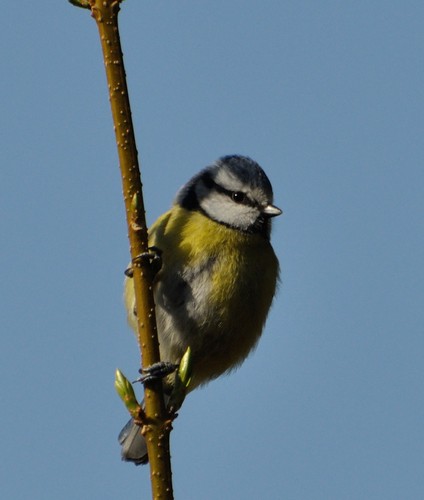
Blue Tit
11-12 cm (4.3-4.7 in) long, 17-20 cm wingspan
Red-billed Quelea
11.5–13 cm long, wingspan about 20–22 cm
White-plumed Antbird
13-14 cm (5-5.5 in) long
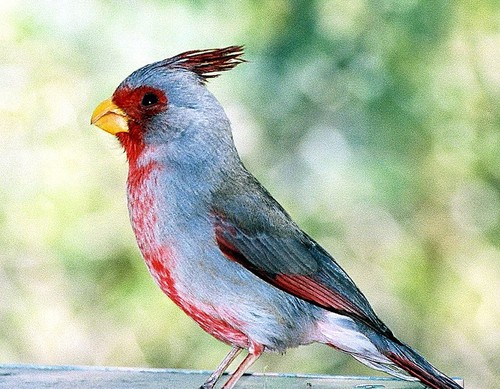
Pyrrhuloxia
19-22 cm (7.5-8.7 in) long, 30 cm wingspan
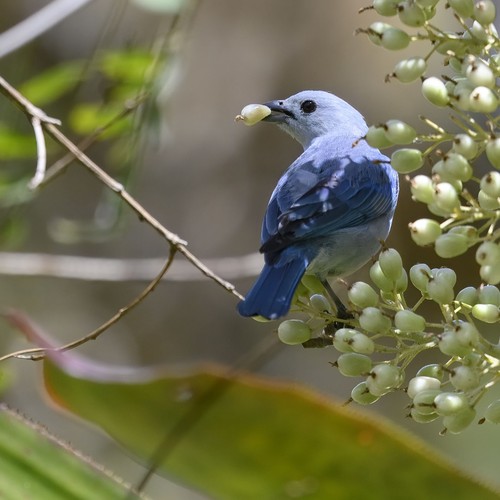
Blue-gray Tanager
16-18 cm (6-7 in) long
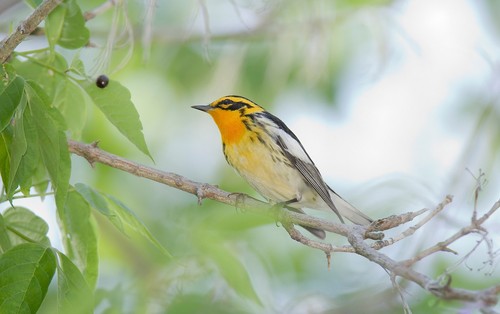
Blackburnian Warbler
11-13 cm (4.3-5.1 in) long, 20-22 cm wingspan
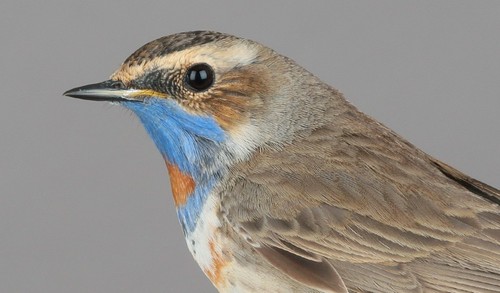
Bluethroat
13-14 cm (5.1-5.5 in) long, 20-22 cm wingspan
Eurasian Nuthatch
12-14.5 cm (4.7-5.7 in) long, 22.5-27 cm wingspan
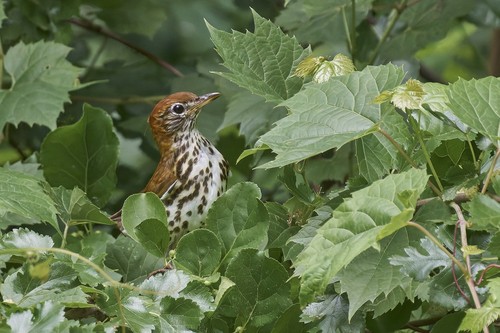
Wood Thrush
19-21 cm (7.5-8.3 in) long, about 33 cm (13 in) wingspan