
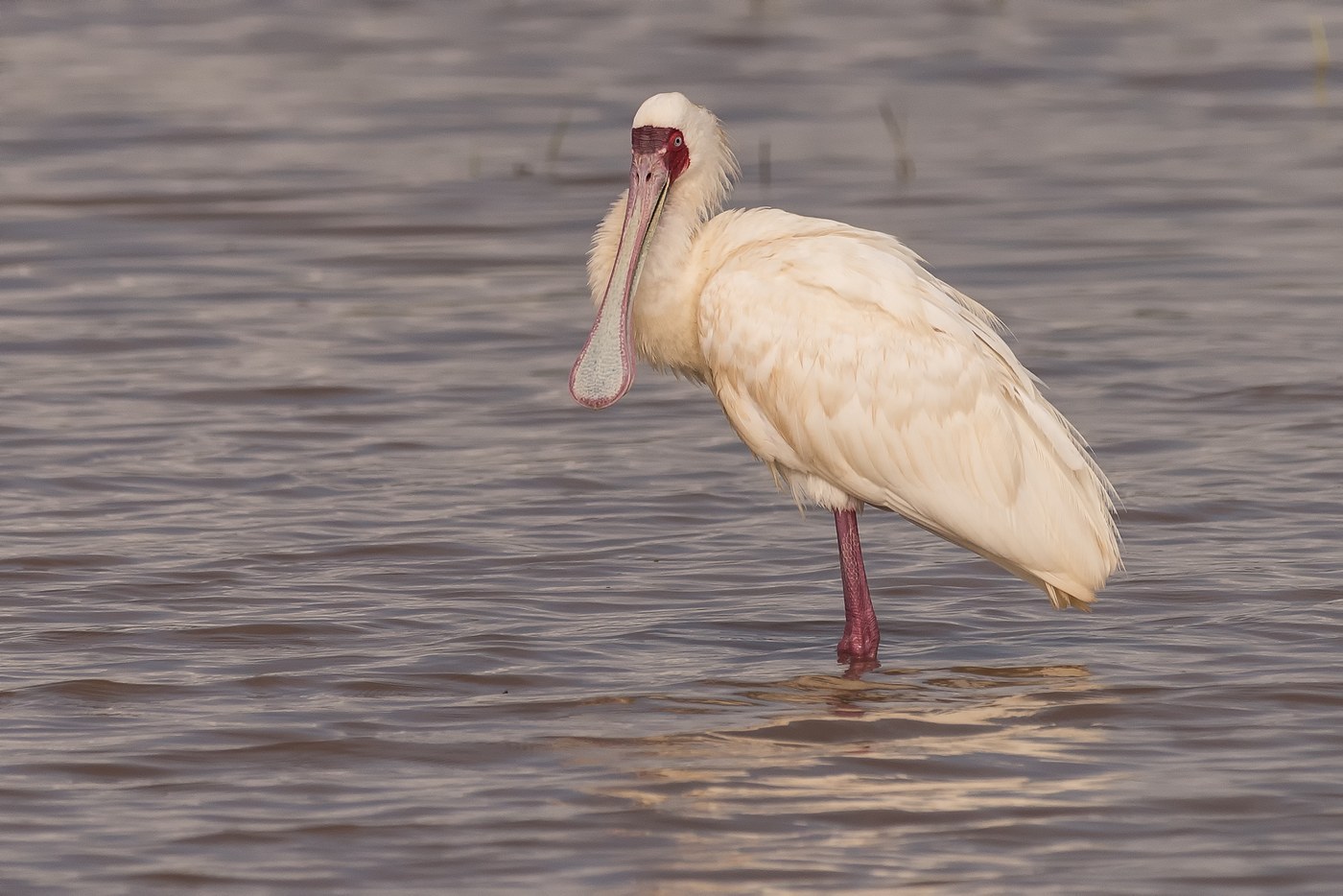
African Spoonbill
Platalea alba
An all-white African wading bird with a bare red face and a distinctive grey spoon-shaped bill, common on lakes and rivers across the continent.
- Size
- 71-89 cm (28-35 in) long, 107-115 cm wingspan
- Habitat
- lakes, rivers, and wetlands across sub-Saharan Africa and Madagascar
- Type
- wading-bird
Spotted a bird like this?
Identify any bird from a photo, free.
Overview
The African Spoonbill is a large, entirely white wading bird identified by its long, flattened, grey bill ending in a spoon-shaped tip, along with bare red skin on the face and red legs. Unlike its Eurasian relative, it lacks a crest, giving it a smoother-headed profile.
It is a familiar sight on lakes, rivers, and wetlands across much of sub-Saharan Africa, often seen wading steadily through shallow water while sweeping its distinctive bill from side to side in search of prey.
How to identify it
Key field marks
- All-white plumage
- Grey, flattened, spoon-tipped bill
- Bare red facial skin
- Red legs
- No head crest, unlike the Eurasian Spoonbill
Similar species
The Eurasian Spoonbill overlaps in parts of Africa but shows a black-and-yellow bill and a shaggy crest, both absent in the African Spoonbill. White egrets lack the spoon-shaped bill entirely, making confusion with spoonbills unlikely at close range.
Habitat & range
Habitat
African Spoonbills favor shallow freshwater habitats: lakes, rivers, marshes, and seasonally flooded wetlands, and also use estuarine and coastal wetlands in some areas.
Range and migration
The species is widespread across sub-Saharan Africa and Madagascar, generally resident, though local movements occur in response to water levels and food availability.
Behavior & voice
Behavior
Sociable and often seen in small groups, African Spoonbills forage by wading steadily through shallow water, sweeping the bill from side to side, and roost communally, sometimes alongside other wading birds.
Voice
Mostly silent away from breeding colonies, with occasional low grunts or bill-clattering displays at nest sites.
Feeding
It sweeps its partly open bill through shallow water in a side-to-side motion, snapping shut on small fish, aquatic insects, and crustaceans detected by touch.
Nesting and breeding
Colonial nester, building stick nests in trees, reedbeds, or on islands, often alongside herons and ibis; clutches typically contain 2-4 eggs.
Frequently asked questions
How do you tell an African Spoonbill from a Eurasian Spoonbill?
The African Spoonbill has a grey bill and bare red face with no crest, while the Eurasian Spoonbill has a black-and-yellow bill and a shaggy crest.
Where do African Spoonbills live?
Across sub-Saharan Africa and Madagascar, on lakes, rivers, and wetlands.
What does an African Spoonbill eat?
Small fish, aquatic insects, and crustaceans, caught by sweeping its bill through shallow water.
Is the African Spoonbill social?
Yes, it typically forages and roosts in small groups and nests colonially, often with other wading birds.
African Spoonbill guides
In-depth guides for identifying, finding, and understanding African Spoonbill.
Other birds you may enjoy
Demoiselle Crane
85-100 cm (33-39 in) long, 155-180 cm wingspan
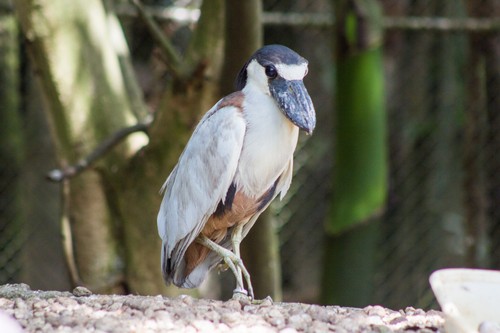
Boat-billed Heron
41-56 cm (16-22 in) long
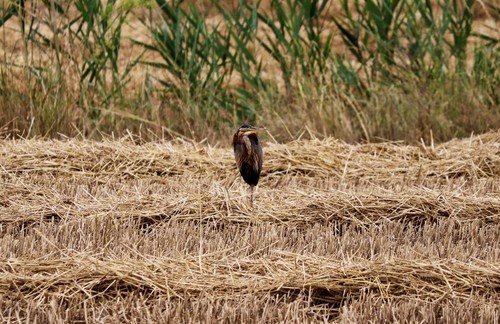
Purple Heron
78-90 cm (31-35 in) long, 120-152 cm wingspan
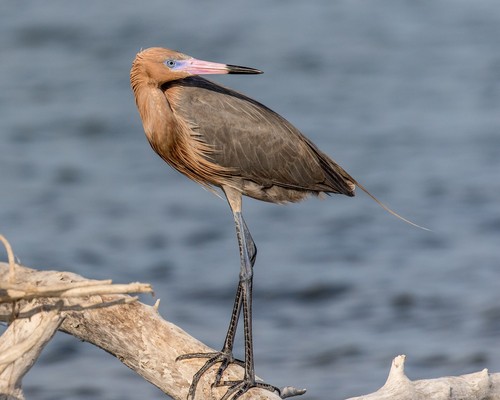
Reddish Egret
68-82 cm (27-32 in) long, 116-125 cm wingspan
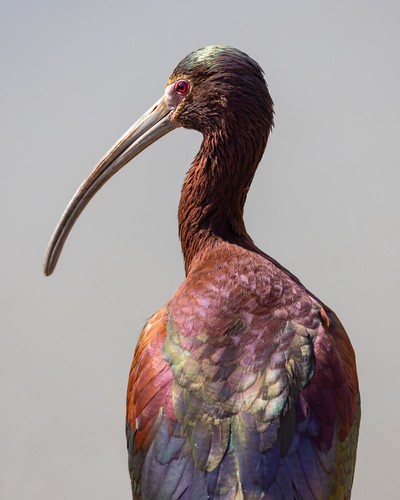
White-faced Ibis
46-56 cm (18-22 in) long, 88-93 cm wingspan
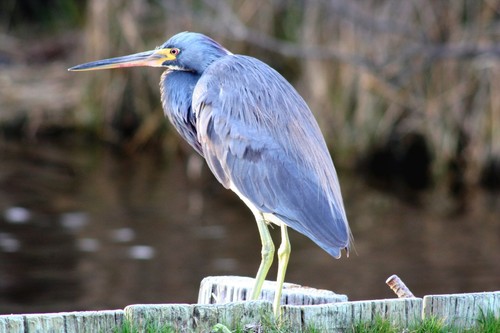
Tricolored Heron
61-76 cm (24-30 in) long, about 96 cm wingspan
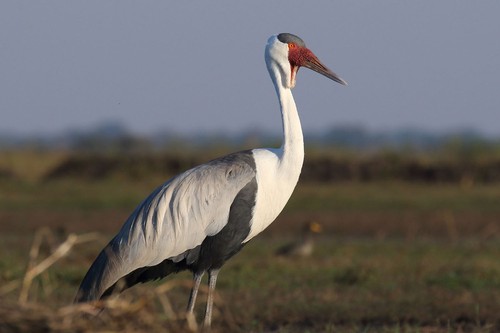
Wattled Crane
120-175 cm (47-69 in) tall, one of the tallest cranes, wingspan up to about 230 cm (7.5 ft)
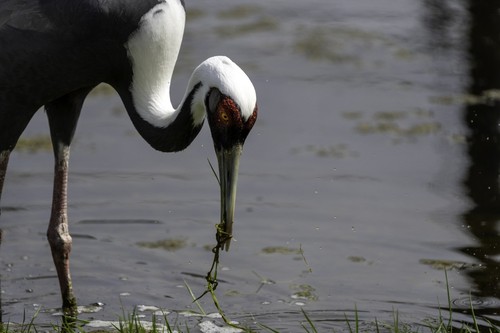
White-naped Crane
112-125 cm (44-49 in) long, 195-210 cm wingspan
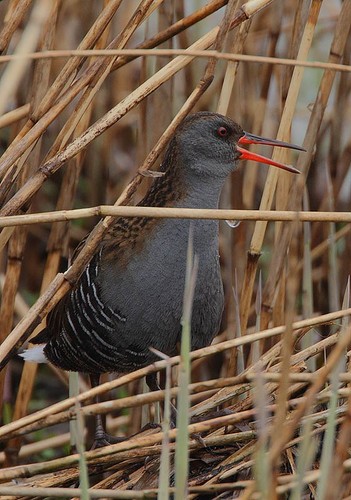
Water Rail
23-28 cm (9-11 in) long, wingspan 38-45 cm
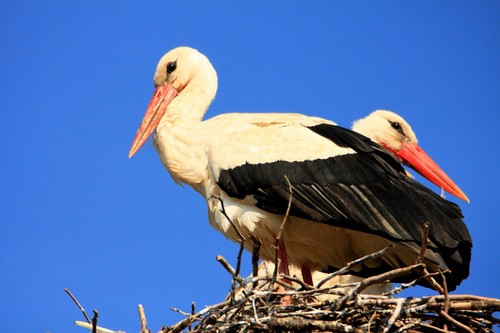
White Stork
100-125 cm (39-49 in) long, 155-215 cm wingspan
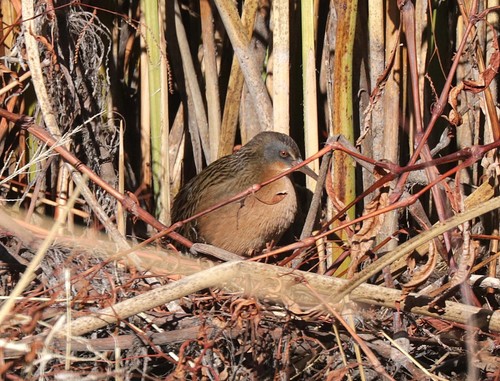
Virginia Rail
20-27 cm (8-11 in) long, wingspan 32-38 cm
Wattled Jacana
17-23 cm (7-9 in) long