
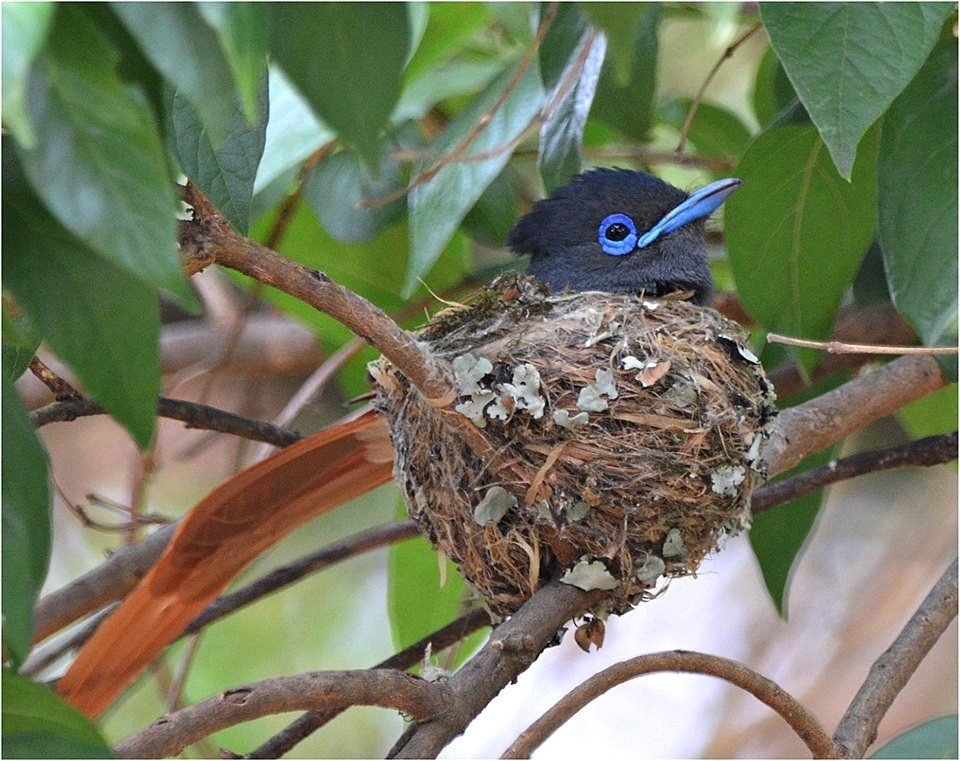
African Paradise Flycatcher
Terpsiphone viridis
An elegant sub-Saharan African songbird with a glossy blue-black crested head, chestnut plumage, and long trailing tail streamers in males.
- Size
- Body about 17-20 cm; males have long central tail streamers adding 15-20 cm more
- Habitat
- Forest, riverine woodland, and well-wooded gardens across sub-Saharan Africa
- Type
- songbird
Spotted a bird like this?
Identify any bird from a photo, free.
Overview
The African Paradise Flycatcher is a striking, medium-sized songbird prized by birdwatchers for its bold coloring and, in males, spectacularly long tail streamers. It is a common and widespread bird of wooded habitats across much of sub-Saharan Africa.
Appearance
- Glossy blue-black head with a short crest and a distinctive blue, wattle-like eye-ring and bill
- Rich chestnut back, wings, and tail
- Underparts vary from pale grey to white depending on region
- Adult males have greatly elongated central tail feathers; some populations also show a striking white morph with largely white wings and tail
- Females and immatures have shorter tails and duller coloring but share the blue eye-ring and bill
How to identify it
Key field marks
- Glossy black head, blue bill and eye-ring, and chestnut body are distinctive at any age
- Adult males with long ribbon-like tail streamers are unmistakable
- Active, restless flycatching behavior in the mid- to upper canopy
Similar species
- Female and juvenile birds lacking tail streamers can be confused with other flycatchers, but the combination of a black crested head and blue eye-ring/bill is diagnostic
- White-morph males can superficially resemble other pale birds in flight but the black head and blue bill remain visible
- Told from robin-chats and other chestnut-colored birds by its crested black head and active aerial feeding style
Habitat & range
Range
Widespread across sub-Saharan Africa, from West Africa through the Congo Basin, East Africa, and south to South Africa.
Habitat
Found in forest, riverine woodland, coastal bush, and shady gardens with tall trees; generally avoids open treeless country.
Migration
Many southern African populations are intra-African breeding migrants, arriving in spring (around September) and departing after breeding, while equatorial populations tend to be resident.
Behavior & voice
Voice
A cheerful, scratchy warbling song and a sharp "zwit" or "tsee-tsee" contact call; both sexes are quite vocal within their territory.
Feeding
An active aerial feeder, sallying from a perch to snatch flying insects and sometimes gleaning prey from foliage while hovering.
Nesting and breeding
Builds a small, neat cup nest of plant fibers and spider web, often on a low horizontal branch; both sexes share incubation and chick-rearing duties.
Frequently asked questions
Why do male African Paradise Flycatchers have such long tails?
The elongated central tail streamers are a sexually selected ornament used in display; they are grown by breeding males and are not present in females or young birds.
What color is the African Paradise Flycatcher's bill?
It has a distinctive powder-blue bill and matching blue eye-ring, contrasting with its glossy black head.
Where do African Paradise Flycatchers live?
In forest, riverine woodland, and leafy gardens across sub-Saharan Africa, generally avoiding open, treeless habitat.
Is there a white form of the African Paradise Flycatcher?
Yes, some populations include a white morph in which males have largely white wings and tail alongside the black head, in addition to the more common chestnut morph.
African Paradise Flycatcher guides
In-depth guides for identifying, finding, and understanding African Paradise Flycatcher.
Other birds you may enjoy
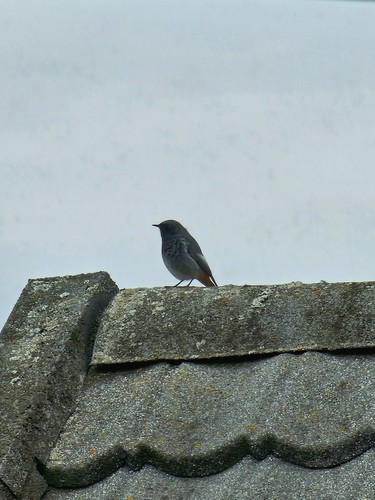
Black Redstart
13-14.5 cm (5.1-5.7 in) long, 23-26 cm wingspan
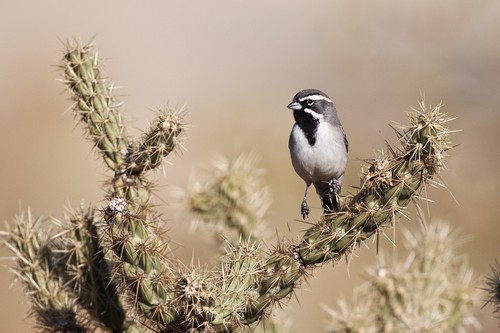
Black-throated Sparrow
12-14 cm (4.7-5.5 in) long, about 19-20 cm (7.5-8 in) wingspan
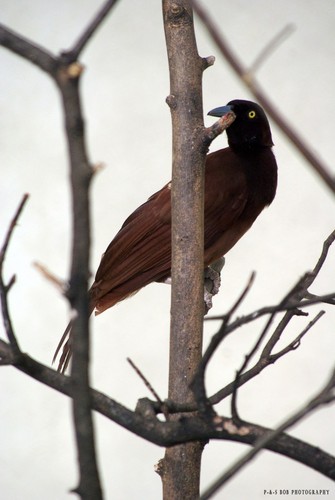
Greater Bird-of-paradise
Body about 43 cm; males with additional flank plumes up to 50 cm and long tail wires
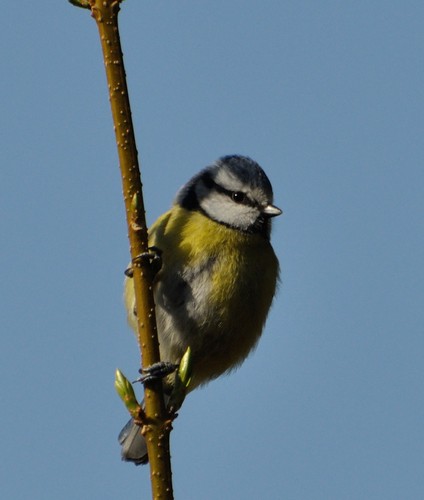
Blue Tit
11-12 cm (4.3-4.7 in) long, 17-20 cm wingspan
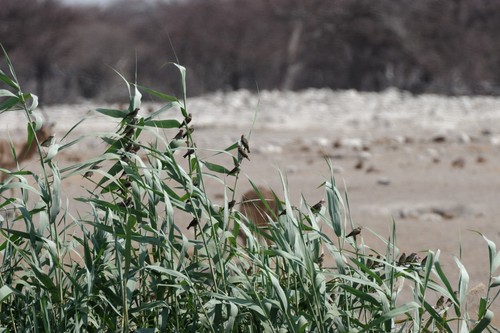
Red-billed Quelea
11.5–13 cm long, wingspan about 20–22 cm
White-plumed Antbird
13-14 cm (5-5.5 in) long
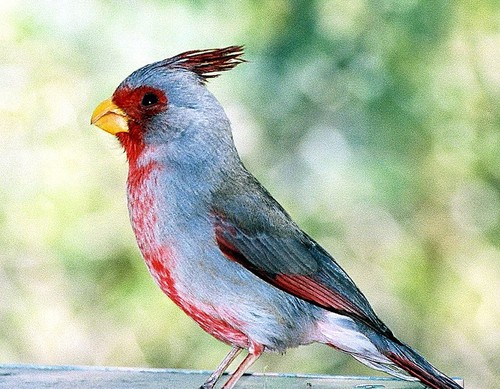
Pyrrhuloxia
19-22 cm (7.5-8.7 in) long, 30 cm wingspan
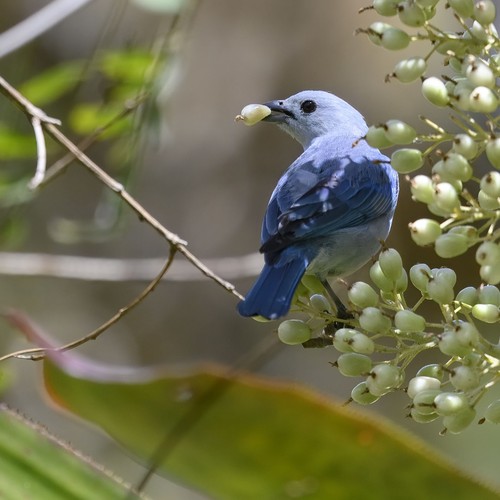
Blue-gray Tanager
16-18 cm (6-7 in) long
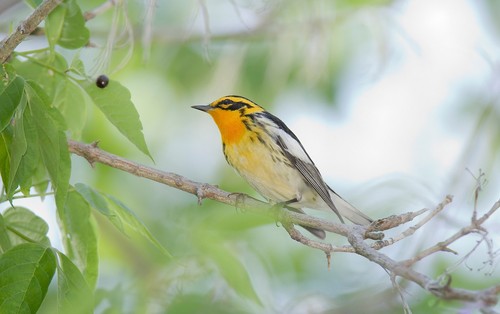
Blackburnian Warbler
11-13 cm (4.3-5.1 in) long, 20-22 cm wingspan
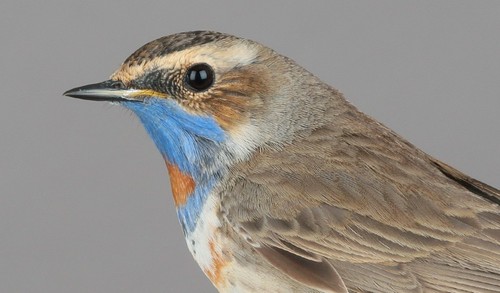
Bluethroat
13-14 cm (5.1-5.5 in) long, 20-22 cm wingspan
Eurasian Nuthatch
12-14.5 cm (4.7-5.7 in) long, 22.5-27 cm wingspan
Wood Thrush
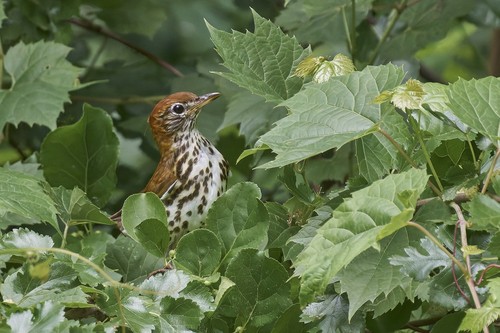
19-21 cm (7.5-8.3 in) long, about 33 cm (13 in) wingspan