
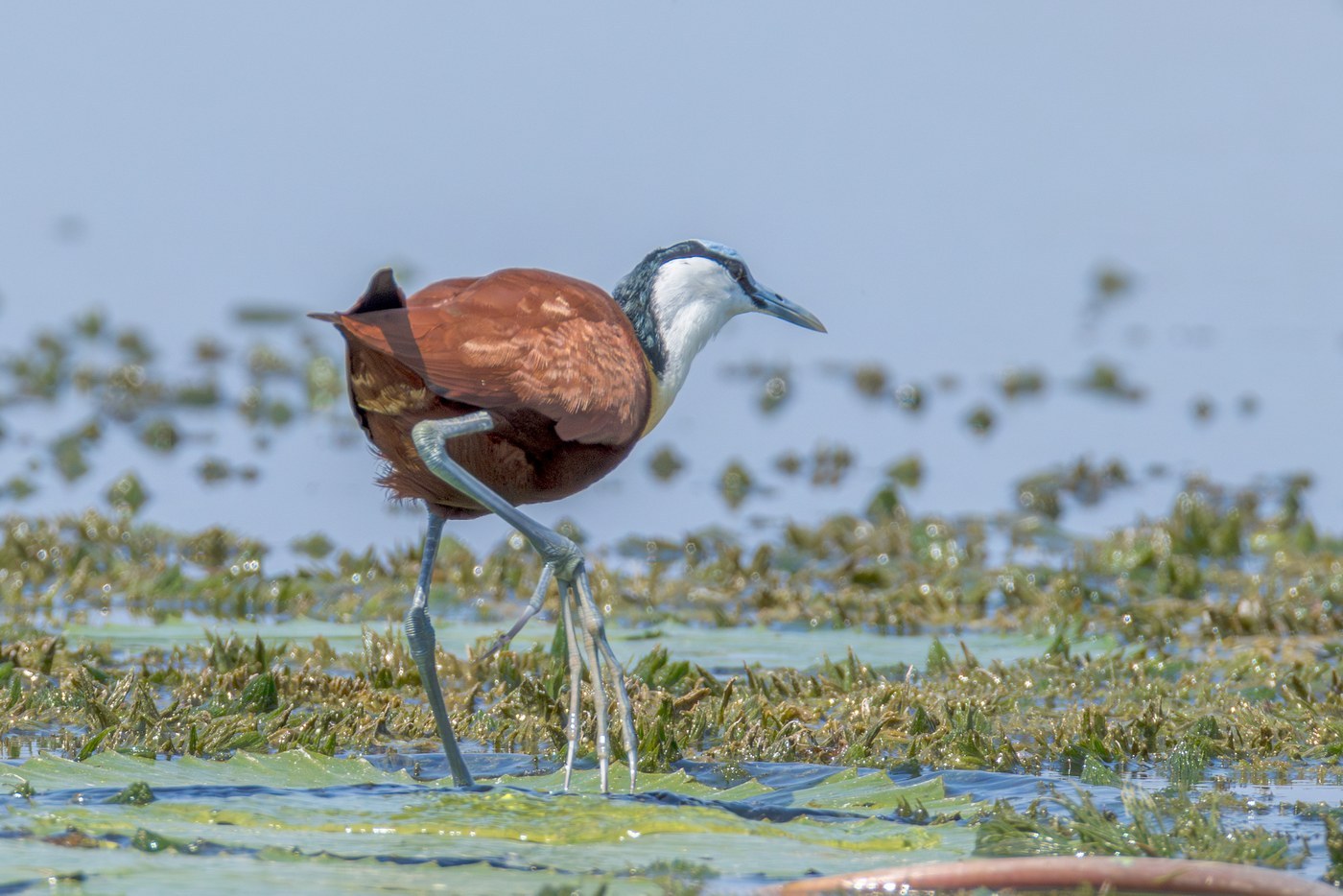
African Jacana
Actophilornis africanus
The African Jacana is a striking wetland bird famed for its enormous toes that let it walk across floating lily pads, earning it the nickname "lily-trotter."
- Size
- Body length 23-31 cm; wingspan 50-58 cm, with extremely long toes and claws
- Habitat
- Freshwater lakes, ponds, and wetlands with floating vegetation across sub-Saharan Africa
- Type
- shorebird
Spotted a bird like this?
Identify any bird from a photo, free.
Overview
The African Jacana is an unmistakable wetland bird that appears to walk on water thanks to its remarkably long toes and claws, which spread its weight across floating vegetation such as water lilies.
Appearance
- Rich chestnut-brown body plumage
- White foreneck and face contrasting with a black crown
- Pale blue bill with a bright blue frontal shield above it
- Extraordinarily long toes and slender claws on each foot
How to identify it
Key field marks
- Chestnut body with a white face and throat
- Black cap and a blue bill with a pale blue frontal shield
- Exceptionally long toes, longer than the legs
- Females are noticeably larger than males, an unusual reversal for birds
Similar species
The Lesser Jacana is much smaller, lacks the blue frontal shield, and has a shorter, more pointed bill. No other African wetland bird shares the combination of chestnut body and blue-shielded bill.
Habitat & range
Range
Found throughout sub-Saharan Africa wherever suitable still or slow-moving freshwater exists.
Habitat
Inhabits lakes, ponds, dams, and marshes with abundant floating vegetation such as water lilies and other aquatic plants.
Movement
Largely sedentary, though individuals may shift locally as water bodies dry up or flood.
Behavior & voice
Behavior
Walks confidently across floating leaves using its long toes to distribute body weight, appearing to walk on water.
Voice
Gives loud, sharp, scolding or growling calls, especially when alarmed near the nest.
Feeding
Picks insects, small invertebrates, and some seeds from the surface of floating vegetation and water.
Nesting and breeding
The African Jacana has a polyandrous breeding system: females mate with and lay eggs for several males, and each male alone builds the nest, incubates the eggs, and raises the chicks on floating vegetation.
Frequently asked questions
Why is the African Jacana called the "Jesus bird"?
Its long toes let it walk across floating lily pads and vegetation, giving the illusion of walking on water.
Do male or female African Jacanas raise the chicks?
Males alone build the nest, incubate the eggs, and care for the chicks, while females mate with multiple males.
What does an African Jacana eat?
It eats insects and other small invertebrates picked from floating leaves and the water's surface.
How is the African Jacana different from the Lesser Jacana?
The African Jacana is larger, has a blue frontal shield above the bill, while the Lesser Jacana is smaller and lacks the shield.
African Jacana guides
In-depth guides for identifying, finding, and understanding African Jacana.
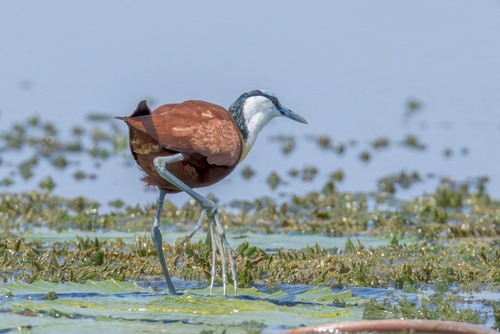
African Jacana identified by the community
Real birds identified with Bird Identifier.

Other birds you may enjoy
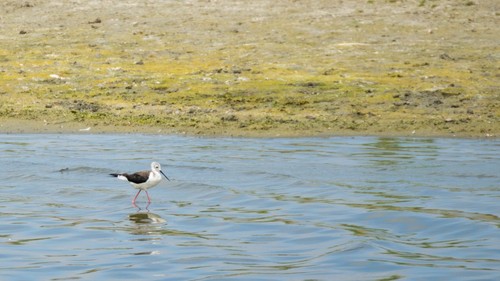
Black-winged Stilt
33-36 cm (13-14 in) long, wingspan 67-83 cm
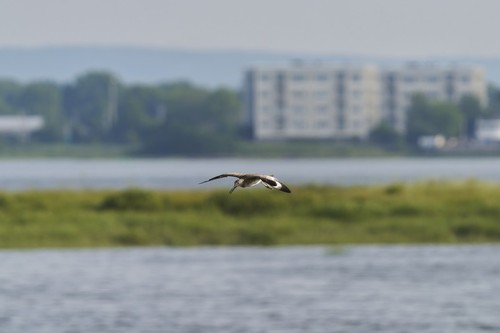
Willet
33-41 cm (13-16 in) long, 65-70 cm wingspan
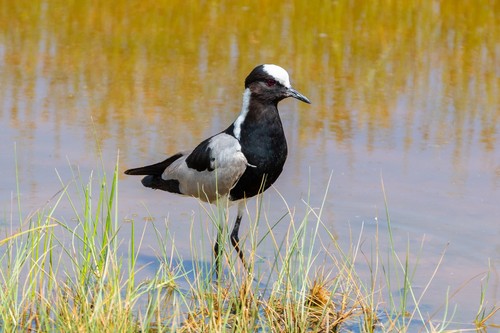
Blacksmith Lapwing
Body length about 30 cm; wingspan 55-65 cm
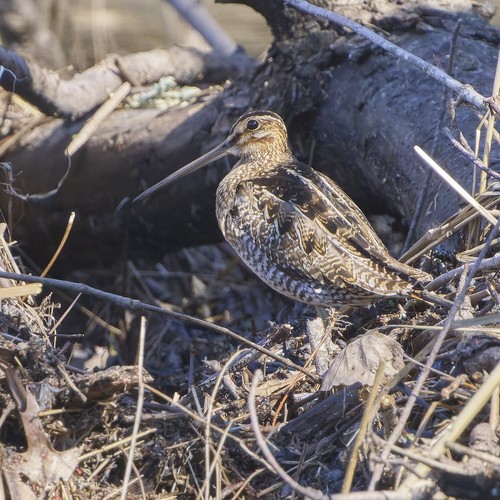
Wilson's Snipe
25-30 cm (10-12 in) long, 39-45 cm wingspan
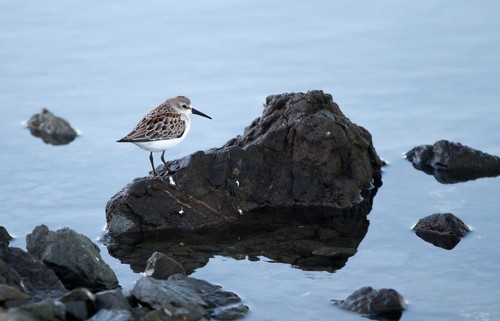
Western Sandpiper
14-17 cm (5.5-6.7 in) long, 28-37 cm wingspan
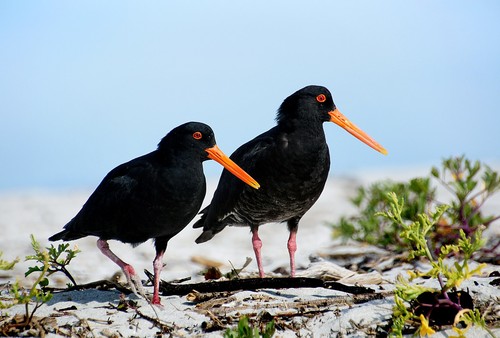
Variable Oystercatcher
46-49 cm (18-19 in) long
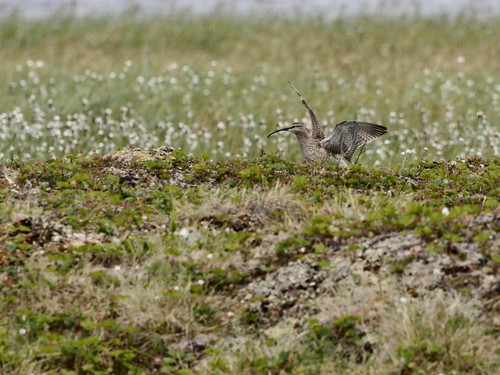
Whimbrel
40-46 cm (16-18 in) long, 76-89 cm wingspan
Wilson's Phalarope
22-24 cm (8.5-9.5 in) long, 37-43 cm wingspan
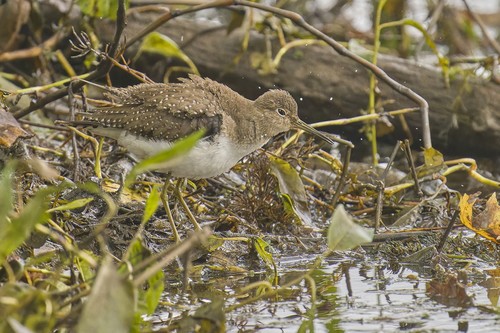
Solitary Sandpiper
19-23 cm (7.5-9 in) long, 50-56 cm wingspan
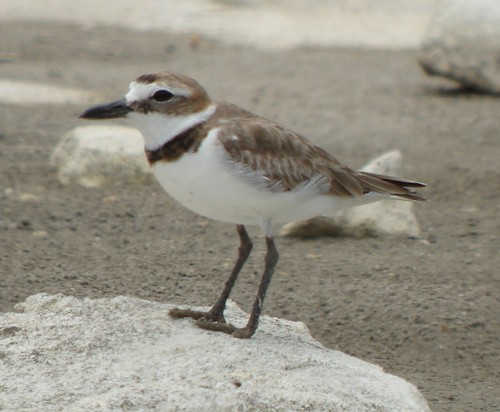
Wilson's Plover
17-19 cm (6.7-7.5 in) long, 45-50 cm wingspan
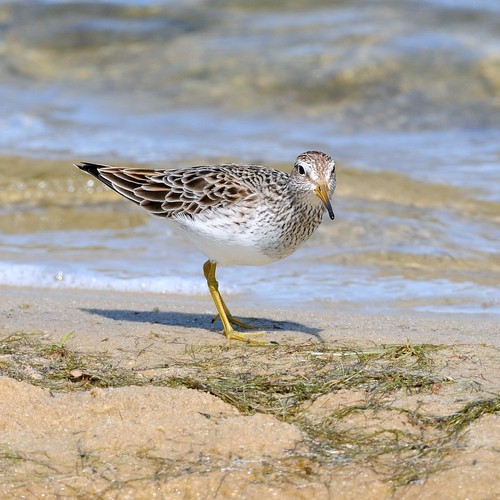
Pectoral Sandpiper
19-23 cm (7.5-9 in) long, 43-49 cm wingspan
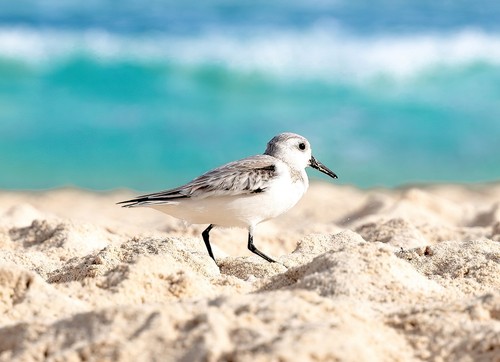
Sanderling
18-20 cm (7-8 in) long, 40-43 cm wingspan