
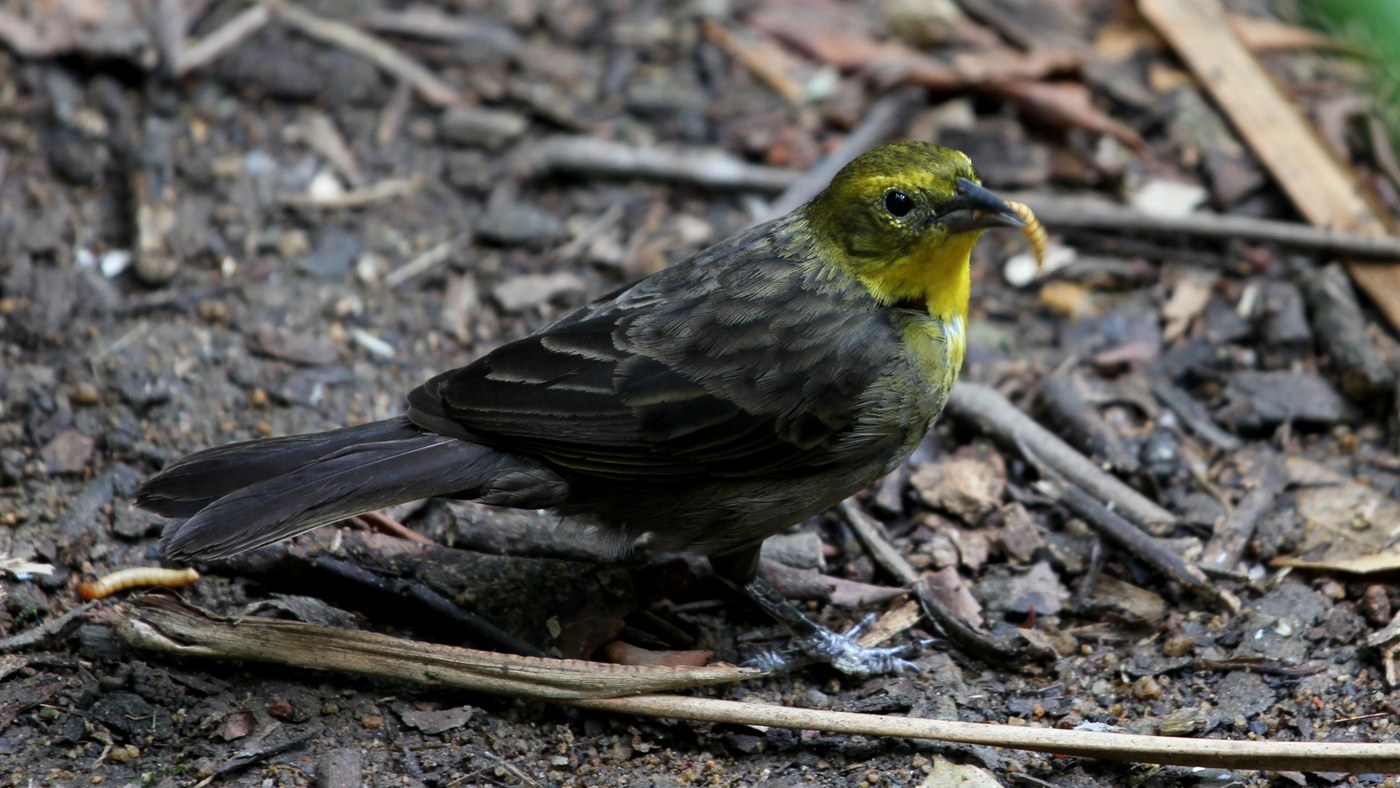
Yellow-hooded Blackbird
Chrysomus icterocephalus
A marsh-dwelling blackbird whose males show a brilliant yellow head and breast contrasting sharply with an otherwise glossy black body.
- Size
- 18-20 cm (7-8 in) long
- Habitat
- marshes, wet grasslands, and rice fields in northern South America
- Type
- songbird
Spotted a bird like this?
Identify any bird from a photo, free.
Overview
The Yellow-hooded Blackbird is a striking marshland songbird, with adult males wearing a vivid yellow hood covering the head, throat, and upper breast that contrasts boldly against otherwise glossy black body plumage. In flight, a small white wing patch is often visible, adding a further accent to the male's bold pattern.
Females are considerably duller and more cryptic, mostly dark brown above with buffy streaking, and they show a much-reduced, paler yellow patch confined mainly to the throat, providing camouflage suited to time spent low in marsh vegetation. Immature birds resemble females until males acquire full adult plumage.
A true icterid (blackbird family) rather than a tanager, this species is tightly linked to wetland habitats, where males often perch conspicuously on reeds or cattails to sing and display.
How to identify it
Key field marks
- Male: bright yellow head, throat, and breast; glossy black body; small white wing patch
- Female: dark brown, streaked plumage with a reduced, paler yellow throat patch
- Found in marshes and wet grassland habitat
- Often perches on reeds or cattails
Similar species
Yellow-headed Blackbird (a more northern species) is larger and has yellow extending further over the breast onto the belly area with a bolder white wing patch; Yellow-hooded Blackbird is smaller, with yellow more restricted to the head, throat, and upper breast. Habitat and range typically prevent overlap between the two.
Habitat & range
Habitat
This species is a wetland specialist, found in freshwater marshes, wet grasslands, flooded fields, and rice paddies with dense emergent vegetation such as reeds and cattails.
Range
It occurs in northern South America, including Colombia, Venezuela, the Guianas, and parts of Brazil, generally in lowland wetland habitats.
Migration
The Yellow-hooded Blackbird is largely resident, though local movements may occur in response to changing water levels and wetland conditions.
Behavior & voice
Behavior
Males are conspicuous during the breeding season, perching atop reeds and cattails to sing and display, while females tend to stay lower and more concealed within marsh vegetation.
Voice
The song is a harsh, wheezy, buzzy series of notes typical of many marsh-dwelling blackbirds, often given from an exposed perch above the reeds.
Feeding
It feeds on insects and seeds, foraging low in marsh vegetation or on the ground in wet grassland and rice fields.
Nesting and breeding
The species nests colonially in marsh vegetation, weaving a cup nest attached to reeds or cattails above the water, and males may be polygynous, mating with multiple females within a colony.
Frequently asked questions
How do you identify a male Yellow-hooded Blackbird?
Look for a bright yellow head, throat, and upper breast contrasting with an otherwise glossy black body, plus a small white wing patch.
How does the female Yellow-hooded Blackbird differ from the male?
Females are dark brown and streaked, with only a reduced, paler yellow patch on the throat, quite different from the male's bold hood.
Where does the Yellow-hooded Blackbird live?
In freshwater marshes, wet grasslands, and rice fields in northern South America.
What does the Yellow-hooded Blackbird eat?
Insects and seeds, foraged in marsh vegetation and wet grassland.
Yellow-hooded Blackbird guides
In-depth guides for identifying, finding, and understanding Yellow-hooded Blackbird.
Other birds you may enjoy
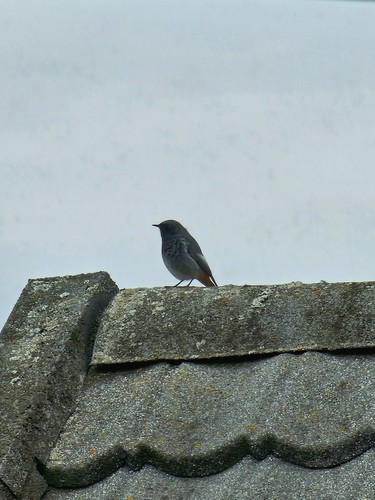
Black Redstart
13-14.5 cm (5.1-5.7 in) long, 23-26 cm wingspan
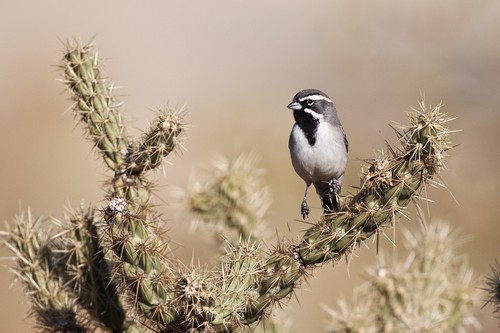
Black-throated Sparrow
12-14 cm (4.7-5.5 in) long, about 19-20 cm (7.5-8 in) wingspan
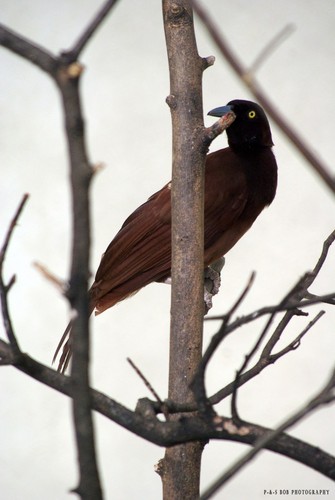
Greater Bird-of-paradise
Body about 43 cm; males with additional flank plumes up to 50 cm and long tail wires
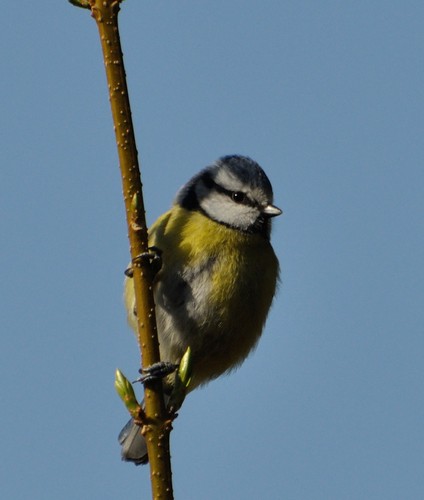
Blue Tit
11-12 cm (4.3-4.7 in) long, 17-20 cm wingspan
Red-billed Quelea
11.5–13 cm long, wingspan about 20–22 cm
White-plumed Antbird
13-14 cm (5-5.5 in) long
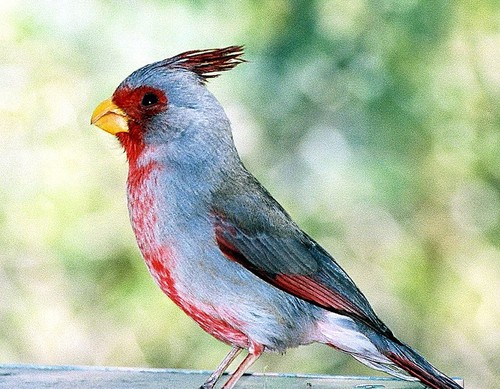
Pyrrhuloxia
19-22 cm (7.5-8.7 in) long, 30 cm wingspan
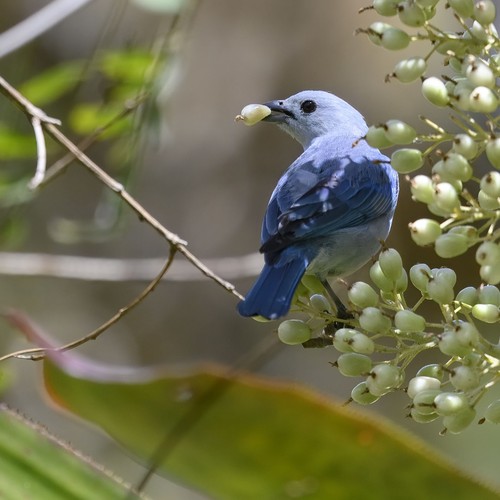
Blue-gray Tanager
16-18 cm (6-7 in) long
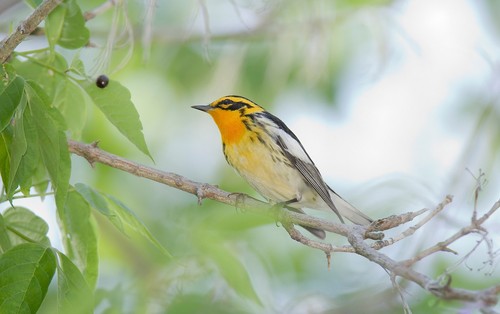
Blackburnian Warbler
11-13 cm (4.3-5.1 in) long, 20-22 cm wingspan
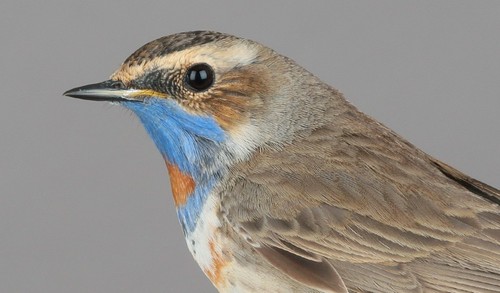
Bluethroat
13-14 cm (5.1-5.5 in) long, 20-22 cm wingspan
Eurasian Nuthatch
12-14.5 cm (4.7-5.7 in) long, 22.5-27 cm wingspan
Wood Thrush
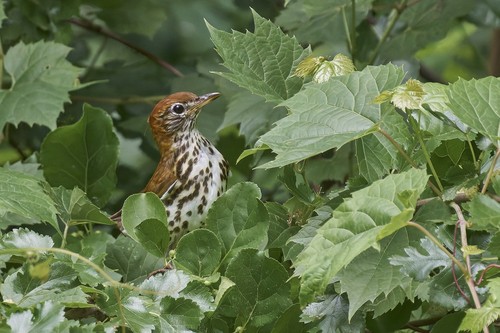
19-21 cm (7.5-8.3 in) long, about 33 cm (13 in) wingspan