
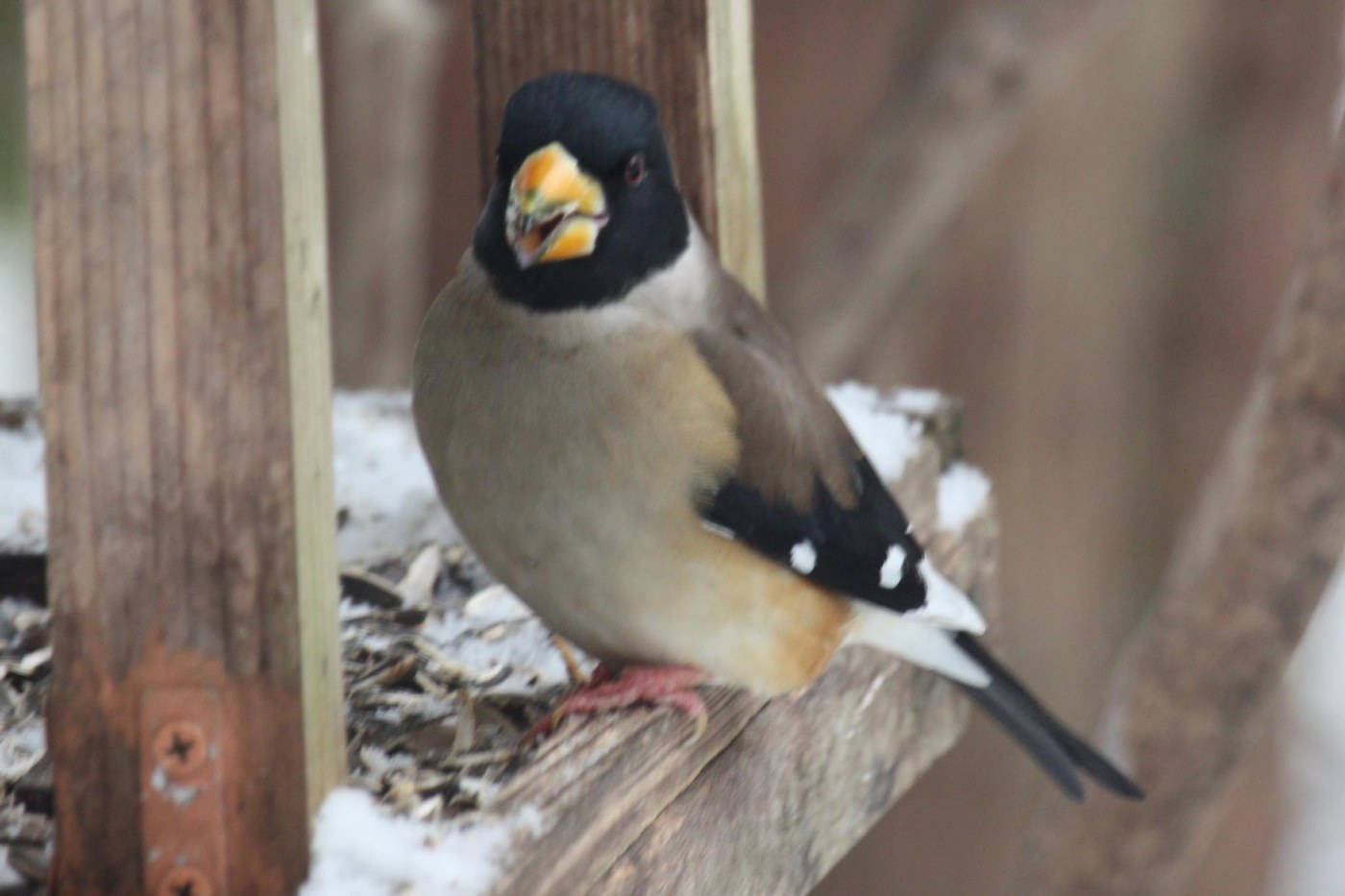
Yellow-billed Grosbeak
Eophona migratoria
A stocky finch with an oversized yellow bill tipped in black, a black head (in males), and grey-brown body plumage.
- Size
- 20-23 cm (8-9 in) long
- Habitat
- woodlands, forest edge, orchards, and parks
- Type
- songbird
Spotted a bird like this?
Identify any bird from a photo, free.
Overview
The Yellow-billed Grosbeak is a robust, thickset finch best known for its massive, deep yellow bill with a black tip, powerful enough to crack hard seeds and fruit pits. Males have a glossy black head that contrasts with a grey nape and grey-brown body, while females and immatures show a much duller grey-brown head without the strong black coloring.
Usually encountered in pairs or small flocks, it moves through woodland canopy and edge habitat with a heavy, deliberate manner befitting its bulky build, and its loud calls often draw attention before the bird itself is spotted.
How to identify it
Key field marks
- Very large, thick yellow bill with a black tip
- Male: glossy black head contrasting with grey nape and body
- Female: duller grey-brown head, lacking strong black coloring
- Grey-brown body with darker wings showing a pale panel
Similar species
- Japanese Grosbeak (Masked Grosbeak/Chinese Grosbeak) is closely related and similar but ranges and subtle head pattern differ; the massive yellow bill is shared among grosbeaks in this genus.
- Other finches lack the combination of an oversized yellow-and-black bill with a black head.
Habitat & range
Habitat
Inhabits deciduous and mixed woodlands, forest edges, orchards, and wooded parks.
Range
Breeds across northeastern China, the Korean Peninsula, and parts of the Russian Far East; winters further south in central and southern China.
Migration
A short- to medium-distance migrant, moving south for winter out of its more northerly breeding range.
Behavior & voice
Behavior
Usually forages in pairs or small flocks in tree canopy, moving deliberately and using its powerful bill to crack open seeds and fruit stones.
Voice
A loud, sharp "tick" or "chink" call, along with a simple, whistled song.
Feeding
Eats seeds, buds, and fruit stones cracked open with its heavy bill, along with insects, especially when feeding young.
Nesting
Builds a cup nest of twigs and roots in a tree; lays 3-5 pale blue-green eggs with dark markings.
Frequently asked questions
How do you identify a Yellow-billed Grosbeak?
Look for a very large, thick yellow bill with a black tip; males also show a glossy black head contrasting with a grey body.
What does a Yellow-billed Grosbeak eat?
Seeds, buds, and fruit stones cracked with its powerful bill, along with insects during the breeding season.
Where does the Yellow-billed Grosbeak live?
It breeds in northeastern China, Korea, and the Russian Far East, and winters further south in central and southern China, using woodlands, forest edges, and orchards.
How can you tell male and female Yellow-billed Grosbeaks apart?
Males have a glossy black head, while females have a much duller, plain grey-brown head.
Yellow-billed Grosbeak guides
In-depth guides for identifying, finding, and understanding Yellow-billed Grosbeak.
Other birds you may enjoy
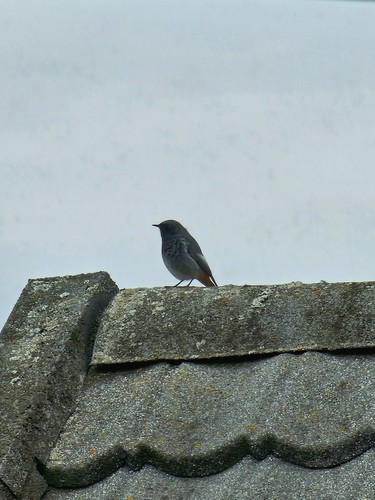
Black Redstart
13-14.5 cm (5.1-5.7 in) long, 23-26 cm wingspan
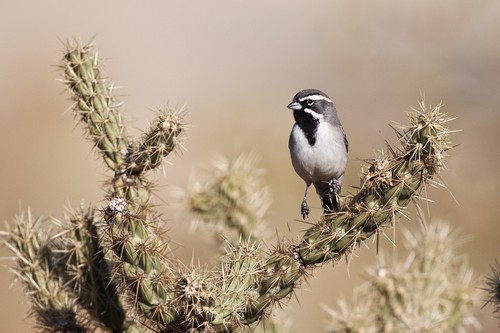
Black-throated Sparrow
12-14 cm (4.7-5.5 in) long, about 19-20 cm (7.5-8 in) wingspan
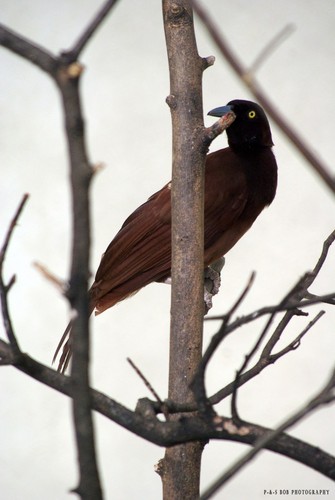
Greater Bird-of-paradise
Body about 43 cm; males with additional flank plumes up to 50 cm and long tail wires
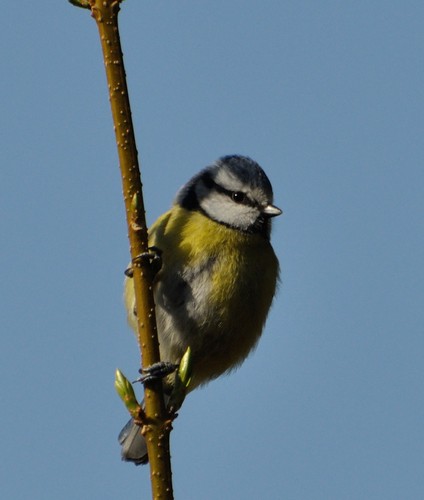
Blue Tit
11-12 cm (4.3-4.7 in) long, 17-20 cm wingspan
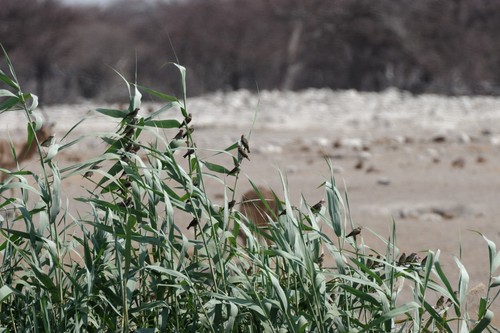
Red-billed Quelea
11.5–13 cm long, wingspan about 20–22 cm
White-plumed Antbird
13-14 cm (5-5.5 in) long
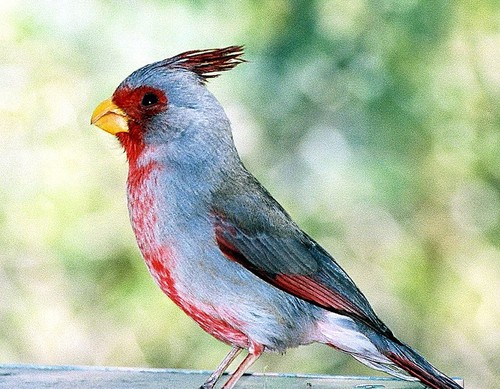
Pyrrhuloxia
19-22 cm (7.5-8.7 in) long, 30 cm wingspan
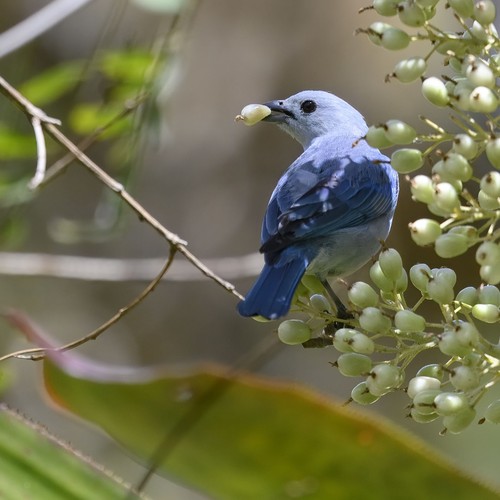
Blue-gray Tanager
16-18 cm (6-7 in) long
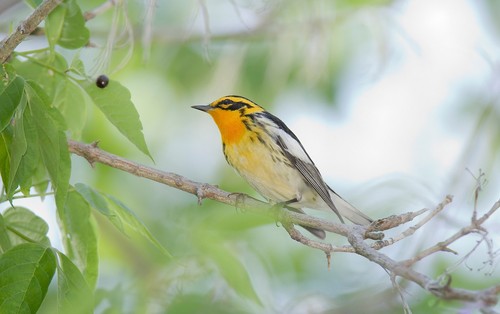
Blackburnian Warbler
11-13 cm (4.3-5.1 in) long, 20-22 cm wingspan
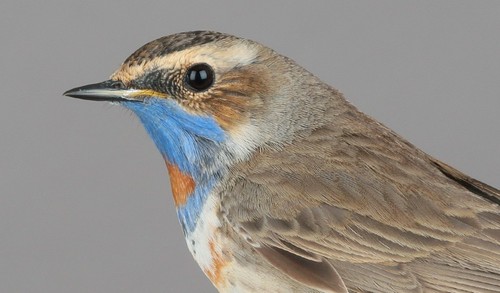
Bluethroat
13-14 cm (5.1-5.5 in) long, 20-22 cm wingspan
Eurasian Nuthatch
12-14.5 cm (4.7-5.7 in) long, 22.5-27 cm wingspan
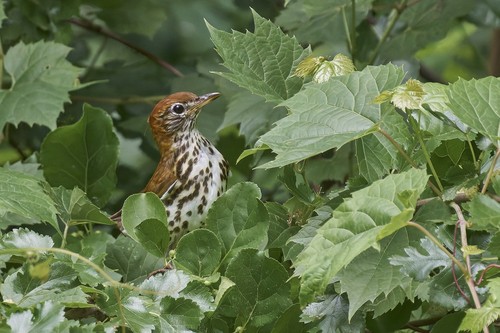
Wood Thrush
19-21 cm (7.5-8.3 in) long, about 33 cm (13 in) wingspan