
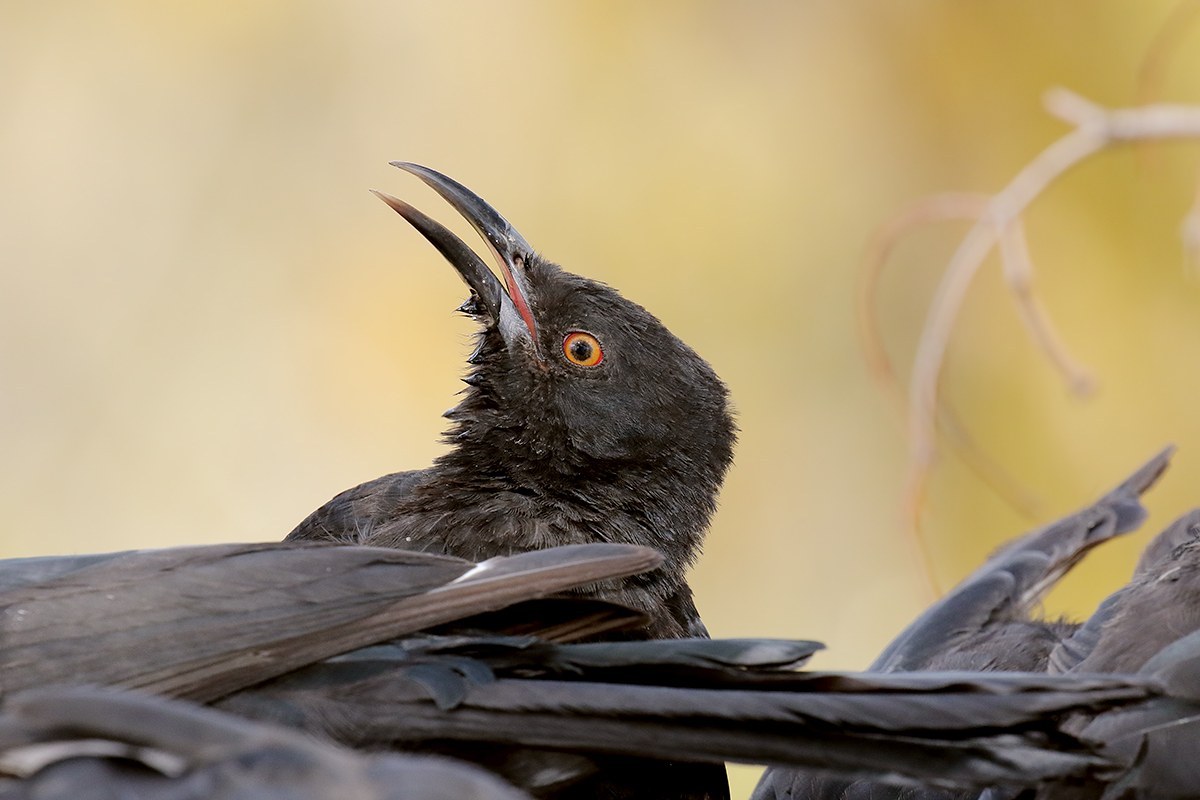
White-winged Chough
Corcorax melanorhamphos
A glossy black, red-eyed Australian woodland bird that forages in noisy cooperative flocks and flashes white wing patches in flight.
- Size
- 43-50 cm (17-20 in) long
- Habitat
- dry eucalypt woodland and forest in inland and southeastern Australia
- Type
- songbird
Spotted a bird like this?
Identify any bird from a photo, free.
Overview
The White-winged Chough is a large, entirely black bird with iridescent green-blue sheen, a long, slender, downcurved black bill, and a striking ruby-red eye. Despite the name, it is not related to the true choughs of Europe and Asia (which are corvids); it belongs instead to the ancient, Australia-only family Corcoracidae, shared only with the Apostlebird.
In flight the otherwise all-black bird reveals large white patches at the base of the primary flight feathers, which are hidden at rest and give the species its common name. Groups move through woodland understorey turning over leaf litter with their curved bills, calling with plaintive, drawn-out whistles.
How to identify it
Key field marks
- All-black plumage with a glossy green-blue sheen
- Long, slender, strongly downcurved black bill
- Bright red eye, conspicuous at close range
- Large white wing patches visible only in flight, concealed when perched
- Long black tail
Similar species
- Apostlebird is smaller, plain grey-brown (not black), has a short straight bill, and a dark eye rather than red.
- Australian corvids (ravens and crows) are similarly all-black but have straight, stouter bills, dark eyes, and lack white in the wing.
Habitat & range
Range
Found across inland and southeastern Australia, from central Queensland through New South Wales, Victoria, and into South Australia, generally avoiding the wettest coastal forests and the arid interior.
Habitat
Inhabits dry eucalypt woodland and open forest with a leaf-litter understorey, often near watercourses, as well as adjacent farmland with remnant trees.
Migration
Sedentary, defending a permanent group territory throughout the year.
Behavior & voice
Behavior
A highly social, cooperatively breeding species living in family groups of around four to twenty birds that forage, roost, and nest together, turning over litter and bark for food with their curved bills.
Voice
Gives plaintive, far-carrying piping and whistling calls, along with soft chuckling notes while foraging in a group.
Feeding
Forages on the ground and on tree trunks and branches, probing leaf litter and bark for invertebrates such as beetle larvae, spiders, and snails, occasionally supplementing with seeds.
Nesting
Builds a large, deep, bowl-shaped nest of mud mixed with grass and set on a horizontal branch; several group members assist the breeding pair with nest-building, incubation, and feeding of chicks, an unusual and demanding cooperative effort.
Frequently asked questions
Is the White-winged Chough related to European choughs?
No. Despite the shared name, it is unrelated to the Old World choughs (which are corvids) and instead belongs to the Australian family Corcoracidae.
Why don't I see the white wing patches when it's perched?
The white patches are on the flight feathers and are only revealed when the wing is spread in flight; at rest the bird looks entirely black.
Do White-winged Choughs breed cooperatively?
Yes, they live and breed in family groups, with several helpers assisting the dominant pair in raising young, one of the most demanding cooperative breeding systems known in birds.
What does the White-winged Chough eat?
Mostly ground and bark-dwelling invertebrates such as beetles, snails, and larvae, found by probing leaf litter with its long curved bill.
White-winged Chough guides
In-depth guides for identifying, finding, and understanding White-winged Chough.
Other birds you may enjoy
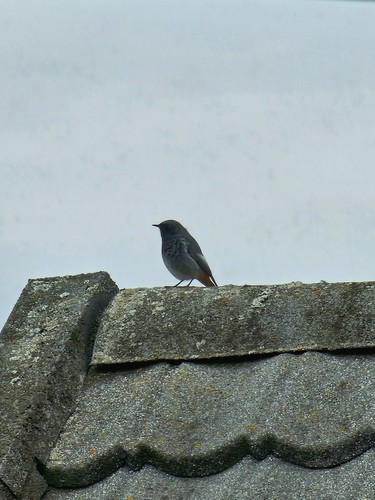
Black Redstart
13-14.5 cm (5.1-5.7 in) long, 23-26 cm wingspan
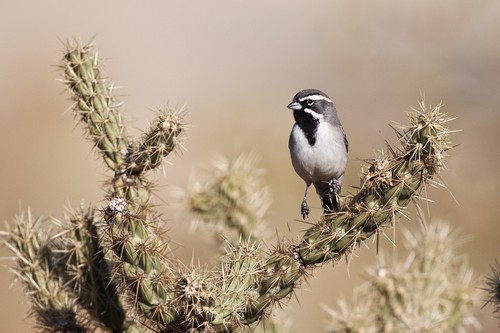
Black-throated Sparrow
12-14 cm (4.7-5.5 in) long, about 19-20 cm (7.5-8 in) wingspan
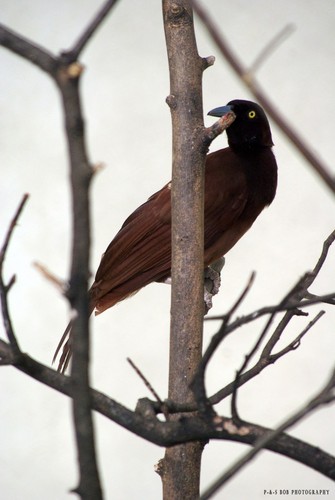
Greater Bird-of-paradise
Body about 43 cm; males with additional flank plumes up to 50 cm and long tail wires
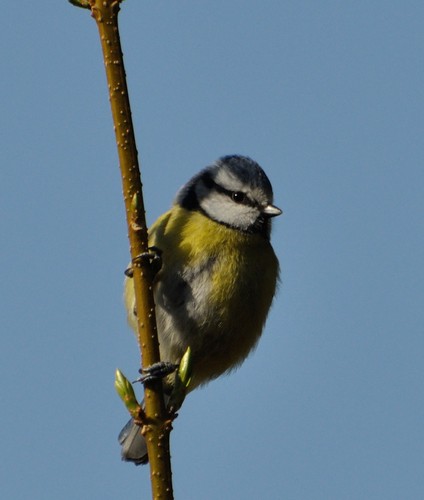
Blue Tit
11-12 cm (4.3-4.7 in) long, 17-20 cm wingspan
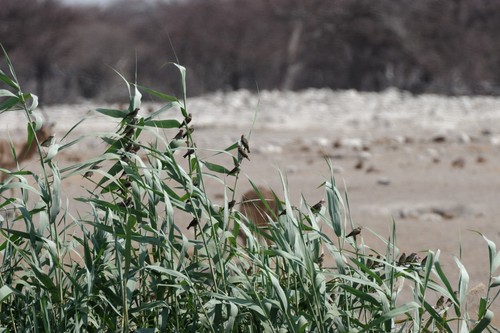
Red-billed Quelea
11.5–13 cm long, wingspan about 20–22 cm
White-plumed Antbird
13-14 cm (5-5.5 in) long
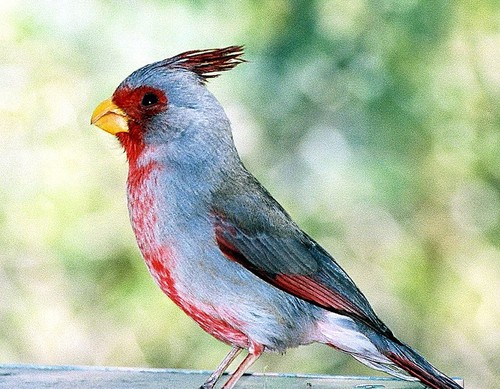
Pyrrhuloxia
19-22 cm (7.5-8.7 in) long, 30 cm wingspan
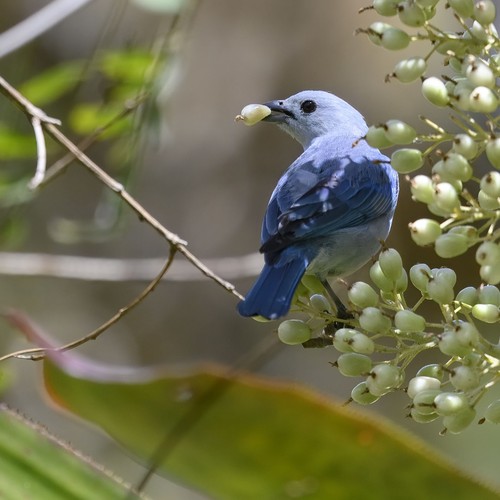
Blue-gray Tanager
16-18 cm (6-7 in) long
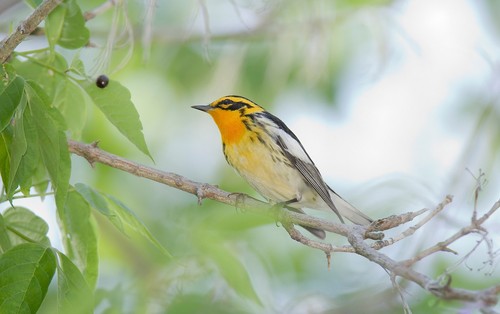
Blackburnian Warbler
11-13 cm (4.3-5.1 in) long, 20-22 cm wingspan
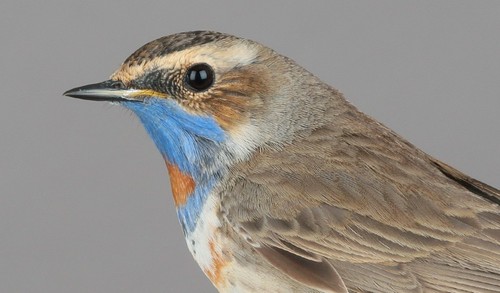
Bluethroat
13-14 cm (5.1-5.5 in) long, 20-22 cm wingspan
Eurasian Nuthatch
12-14.5 cm (4.7-5.7 in) long, 22.5-27 cm wingspan
Wood Thrush
19-21 cm (7.5-8.3 in) long, about 33 cm (13 in) wingspan