
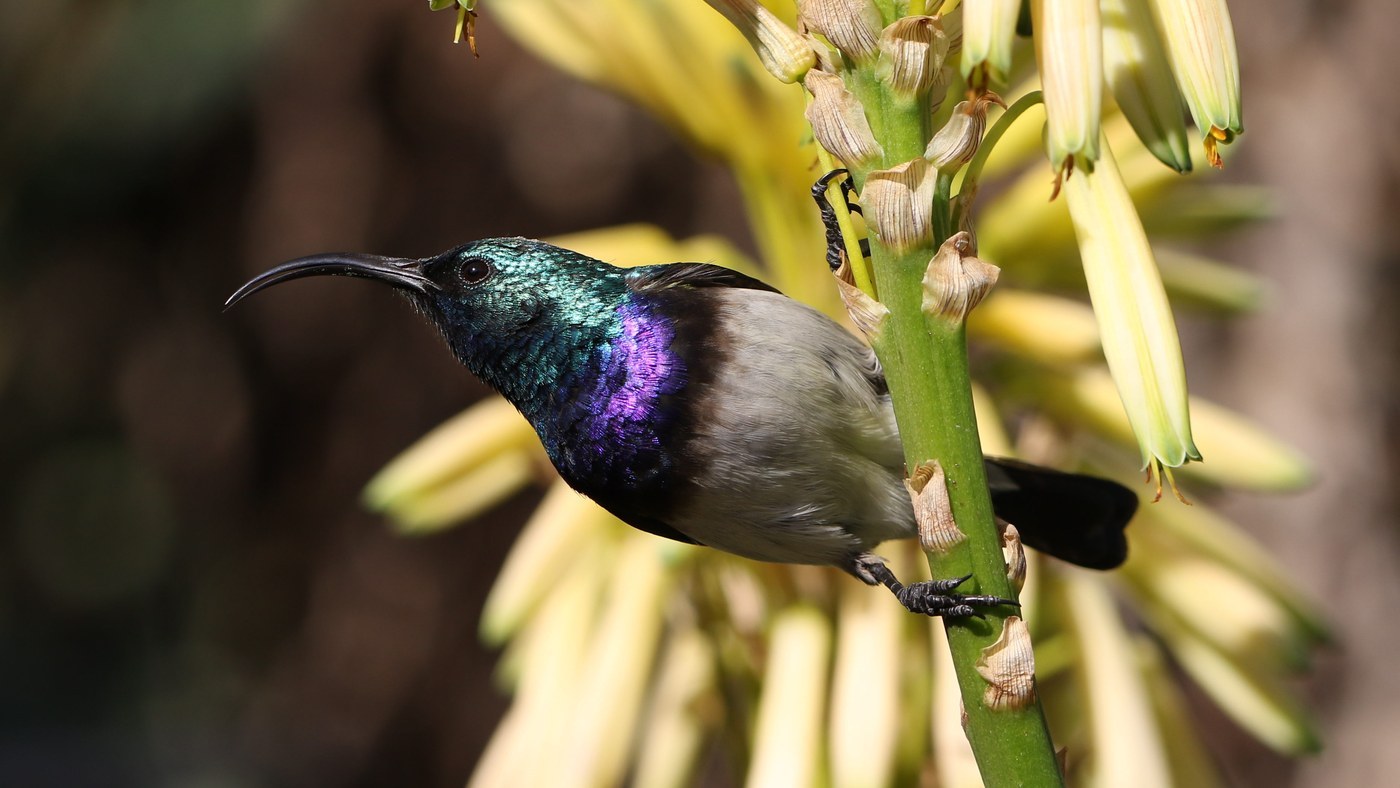
White-bellied Sunbird
Cinnyris talatala
A small southern African sunbird whose iridescent green head and clean white belly make it one of the easier local sunbirds to identify.
- Size
- About 10-11 cm long
- Habitat
- Broadleaved woodland, savanna and gardens in southern Africa
- Type
- songbird
Spotted a bird like this?
Identify any bird from a photo, free.
Overview
The White-bellied Sunbird is a small, common sunbird of southern African woodlands, easily recognized by the crisp white underparts that contrast with its glittering green head and back. It ranges from Angola and Zambia south through Zimbabwe, Mozambique, Botswana, Namibia, and much of South Africa.
Appearance
Males show an iridescent metallic green head, throat, and mantle, a narrow dark (often blackish or maroon-tinged) breast band, and a clean white belly. Females are plain grey-brown above with pale grey to whitish underparts, lacking iridescence but often showing a hint of the same overall pattern.
How to identify it
Key field marks
- Small sunbird with iridescent green upperparts and throat
- Narrow dark breast band separating the green throat from a bright white belly
- Female: grey-brown above, whitish or pale grey below, unmarked
- Found in pairs or small groups in broadleaved woodland
Similar species
The combination of a green head, dark narrow breast band, and clean white belly is distinctive among southern African sunbirds; the similarly sized Marico Sunbird instead shows a broad maroon breast band and a black (not white) belly. Female White-bellied Sunbirds can resemble other female sunbirds but their pale, unmarked underside and typical woodland habitat help with identification.
Habitat & range
Habitat
This species favors broadleaved (miombo-type) woodland, savanna, thornveld, and gardens with flowering trees and shrubs.
Range
It occurs across much of southern Africa, including Angola, Zambia, Malawi, Zimbabwe, Mozambique, Botswana, Namibia, and South Africa.
Migration
Generally resident, with some local movement in response to the flowering season of key nectar sources such as aloes and flowering trees.
Behavior & voice
Behavior
Active and often conspicuous, White-bellied Sunbirds forage at flowering trees and shrubs, frequently in pairs, and defend productive food sources against other nectar-feeding birds.
Voice
The song is a bright, rapid warbling series of notes; calls include sharp "chip" or "tsip" notes given in flight or while perched.
Feeding
Nectar is the primary food, supplemented by small insects and spiders gleaned from leaves and bark or caught in brief aerial sallies.
Nesting
The nest is a small, oval, hanging pouch built from grass, plant fibers, and spider web with a side entrance, usually suspended from a thin twig in a shrub or low tree. The female typically builds the nest and incubates the one to two eggs.
Frequently asked questions
How do you identify a White-bellied Sunbird?
Look for an iridescent green head and back, a narrow dark breast band, and a clean white belly on males; females are plain grey-brown above and pale below.
Where is the White-bellied Sunbird found?
It lives across southern Africa, including Angola, Zambia, Zimbabwe, Mozambique, Botswana, Namibia, and South Africa, in woodland and savanna.
What is the difference between a White-bellied Sunbird and a Marico Sunbird?
The White-bellied Sunbird has a narrow dark breast band and white belly, while the Marico Sunbird has a broader maroon breast band and a black belly.
What does the White-bellied Sunbird eat?
Mainly flower nectar, plus small insects and spiders for protein.
White-bellied Sunbird guides
In-depth guides for identifying, finding, and understanding White-bellied Sunbird.
Other birds you may enjoy
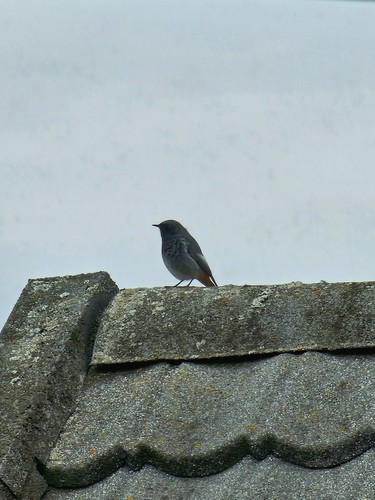
Black Redstart
13-14.5 cm (5.1-5.7 in) long, 23-26 cm wingspan
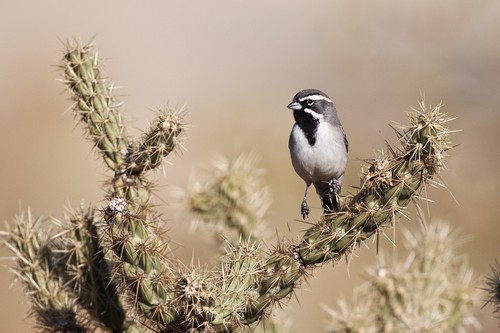
Black-throated Sparrow
12-14 cm (4.7-5.5 in) long, about 19-20 cm (7.5-8 in) wingspan
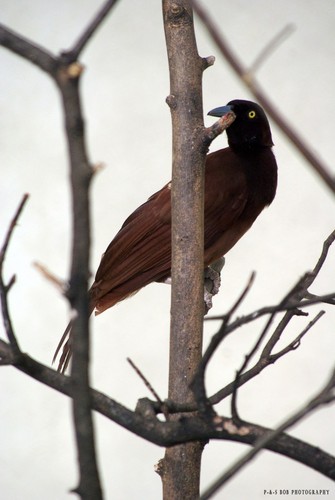
Greater Bird-of-paradise
Body about 43 cm; males with additional flank plumes up to 50 cm and long tail wires
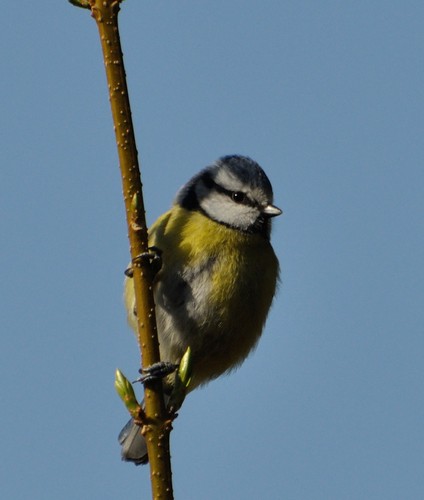
Blue Tit
11-12 cm (4.3-4.7 in) long, 17-20 cm wingspan
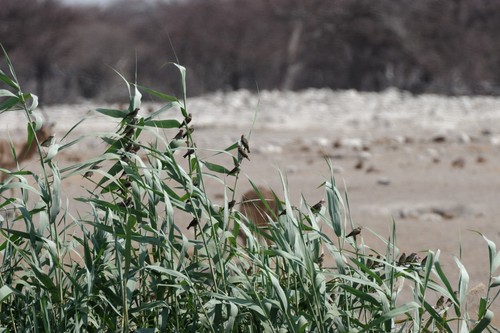
Red-billed Quelea
11.5–13 cm long, wingspan about 20–22 cm
White-plumed Antbird
13-14 cm (5-5.5 in) long
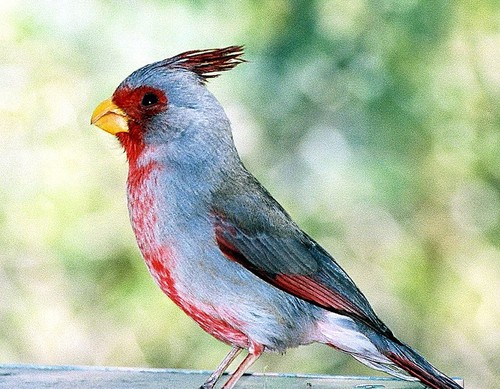
Pyrrhuloxia
19-22 cm (7.5-8.7 in) long, 30 cm wingspan
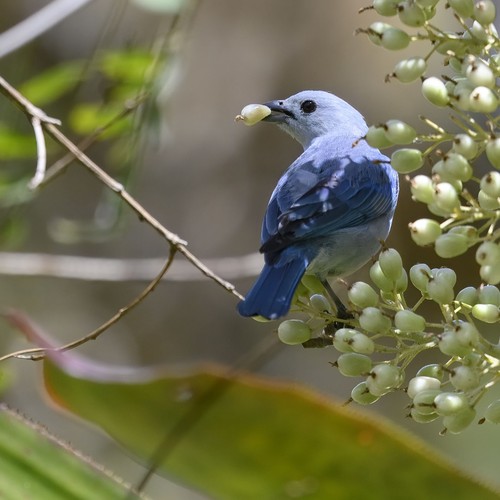
Blue-gray Tanager
16-18 cm (6-7 in) long
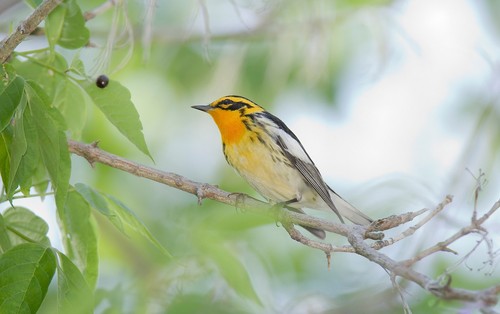
Blackburnian Warbler
11-13 cm (4.3-5.1 in) long, 20-22 cm wingspan
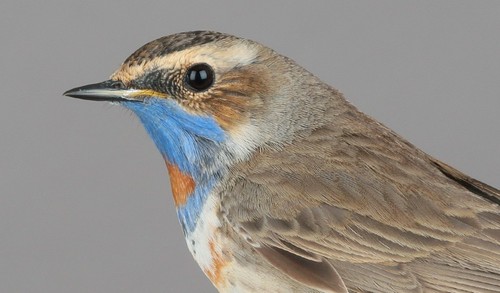
Bluethroat
13-14 cm (5.1-5.5 in) long, 20-22 cm wingspan
Eurasian Nuthatch
12-14.5 cm (4.7-5.7 in) long, 22.5-27 cm wingspan
Wood Thrush
19-21 cm (7.5-8.3 in) long, about 33 cm (13 in) wingspan