
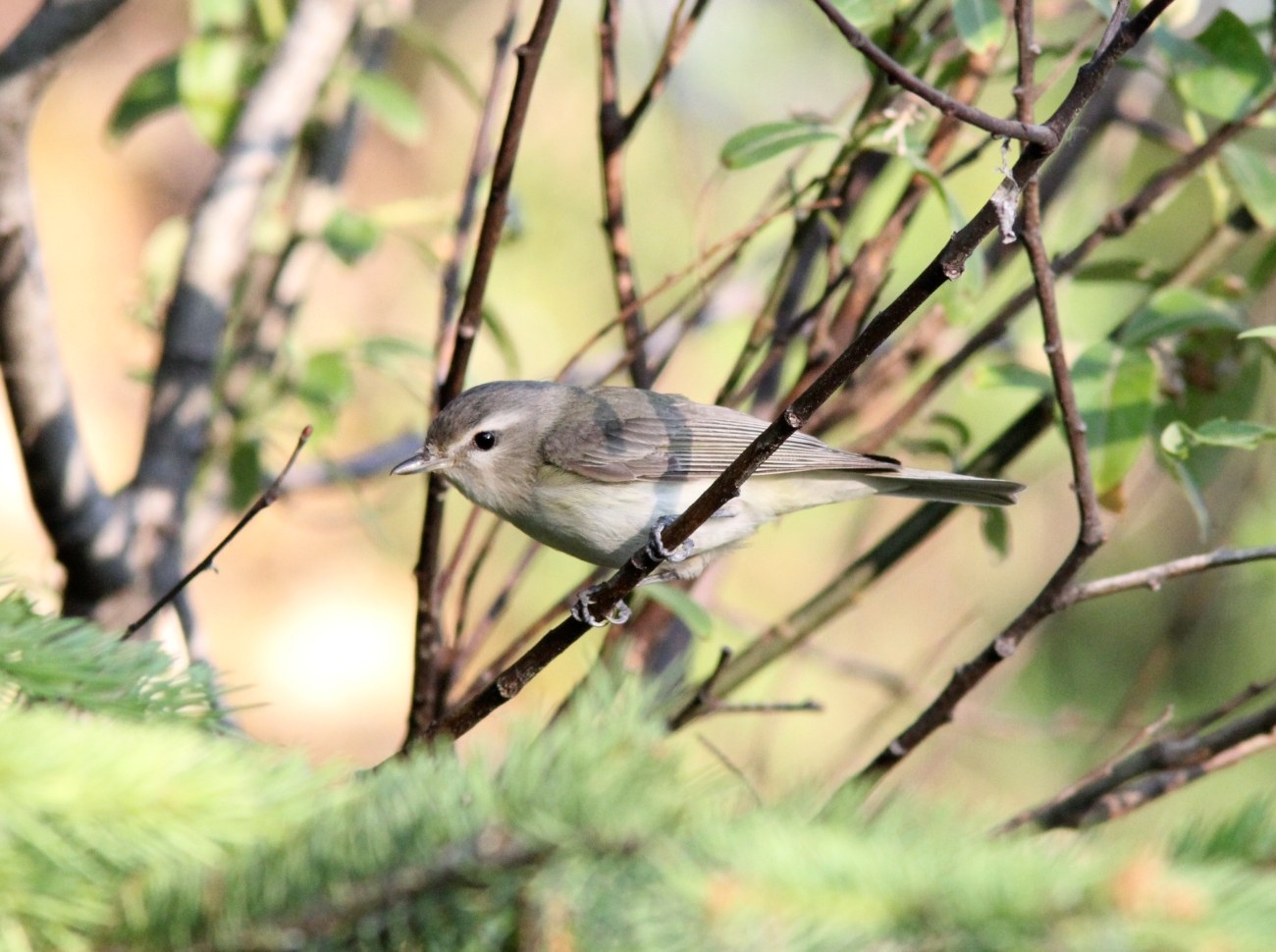
Warbling Vireo
Vireo gilvus
A plain, nondescript gray-olive vireo best known for its rich, husky, warbled song delivered from high in deciduous trees.
- Size
- 12-14 cm (5 in) long, 20-24 cm wingspan
- Habitat
- deciduous woodlands, riparian groves, and aspen stands across North America
- Type
- songbird
Spotted a bird like this?
Identify any bird from a photo, free.
Overview
The Warbling Vireo is famously plain—grayish-olive above, whitish below, with only a faint pale eyebrow and no wing bars or strong facial markings. What it lacks in appearance it makes up for in voice: its rich, rambling, warbled song is one of the most pleasant and distinctive sounds of summer deciduous woodlands, quite unlike the choppy, repetitive songs of most other vireos.
It favors the leafy canopy of cottonwoods, aspens, and other broadleaf trees, especially along rivers and streams, where it can be maddeningly hard to spot despite singing frequently.
How to identify it
Key field marks
- Plain grayish-olive upperparts, whitish underparts
- Faint pale eyebrow stripe, dark eye
- No wing bars
- Fairly nondescript, thin-billed compared to other vireos
Similar species
- Red-eyed Vireo: bolder head pattern with black-bordered gray crown and red eye.
- Philadelphia Vireo: yellow wash on underparts, especially the throat and breast.
- Tennessee Warbler: thinner bill, more active foraging behavior, different song.
Habitat & range
Range and habitat
Warbling Vireo breeds widely across North America, from southern Canada through much of the US, in deciduous woodlands, riparian cottonwood and aspen groves, and suburban shade trees. Two distinct groups occur: an eastern form in broadleaf forest and a western form often tied to riparian corridors and mountain aspen stands.
Migration
A long-distance migrant, wintering mainly in Mexico and Central America.
Behavior & voice
Behavior
Forages methodically in the canopy, gleaning insects from leaves; often stays hidden in dense foliage, making it easier to hear than see.
Voice
A rich, rambling, warbled song, sometimes remembered with the mnemonic "if I sees you, I will seize you, and I'll squeeze you till you squirt"—delivered in a continuous husky warble unlike the phrase-and-pause pattern of most vireos.
Feeding
Primarily caterpillars and other insects gleaned from foliage in the tree canopy.
Nesting and breeding
Builds a hanging cup nest suspended from a forked twig, usually well up in a deciduous tree. The female incubates 3-5 eggs for about 2 weeks, and both parents feed the young.
Frequently asked questions
What does a Warbling Vireo look like?
It is plain grayish-olive above and whitish below, with only a faint pale eyebrow and no wing bars—one of the least distinctively marked vireos.
How do you identify a Warbling Vireo by song?
Its song is a continuous, rich, husky warble, quite different from the short repeated phrases of Red-eyed Vireo or the sharper songs of other vireos.
Where do Warbling Vireos nest?
In deciduous woodlands and riparian groves such as cottonwoods and aspens, often near water.
Where does the Warbling Vireo spend winter?
It migrates to Mexico and Central America for the non-breeding season.
Warbling Vireo guides
In-depth guides for identifying, finding, and understanding Warbling Vireo.
Other birds you may enjoy
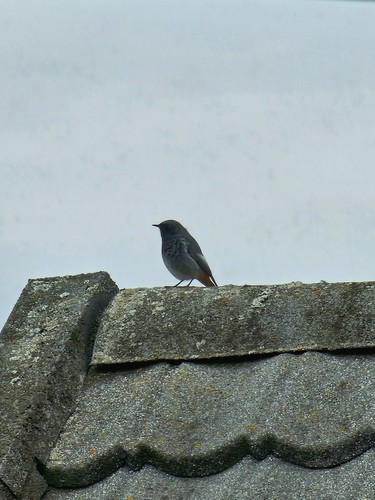
Black Redstart
13-14.5 cm (5.1-5.7 in) long, 23-26 cm wingspan
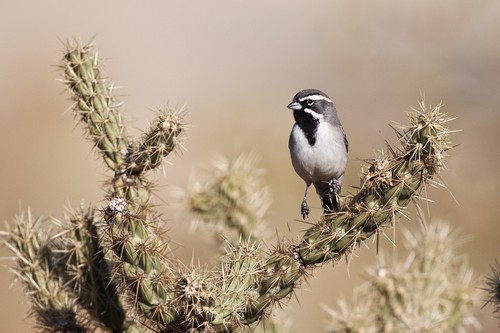
Black-throated Sparrow
12-14 cm (4.7-5.5 in) long, about 19-20 cm (7.5-8 in) wingspan
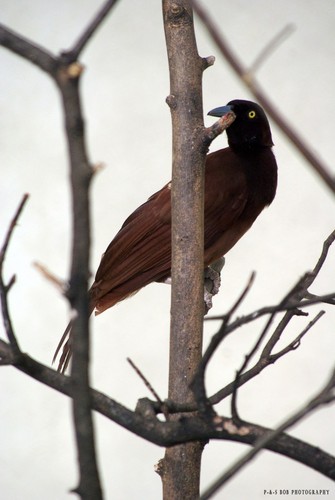
Greater Bird-of-paradise
Body about 43 cm; males with additional flank plumes up to 50 cm and long tail wires
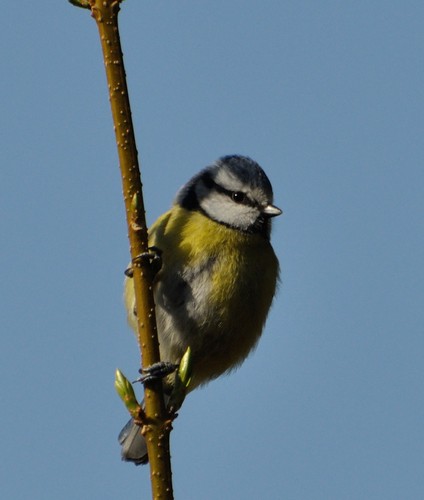
Blue Tit
11-12 cm (4.3-4.7 in) long, 17-20 cm wingspan
Red-billed Quelea
11.5–13 cm long, wingspan about 20–22 cm
White-plumed Antbird
13-14 cm (5-5.5 in) long
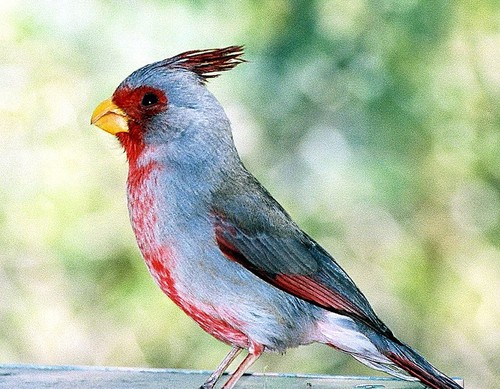
Pyrrhuloxia
19-22 cm (7.5-8.7 in) long, 30 cm wingspan
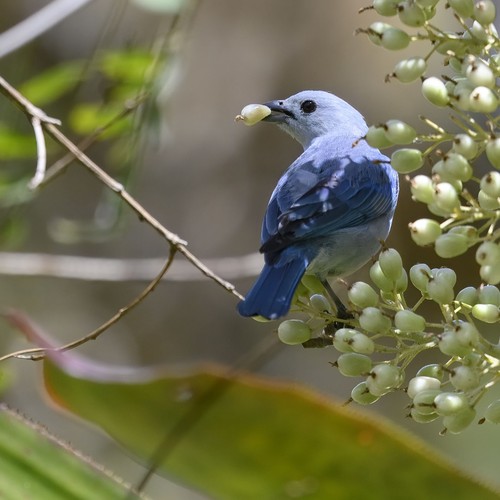
Blue-gray Tanager
16-18 cm (6-7 in) long
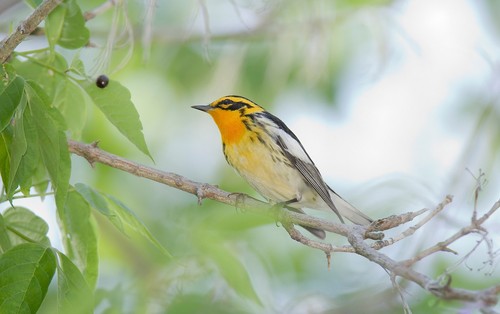
Blackburnian Warbler
11-13 cm (4.3-5.1 in) long, 20-22 cm wingspan
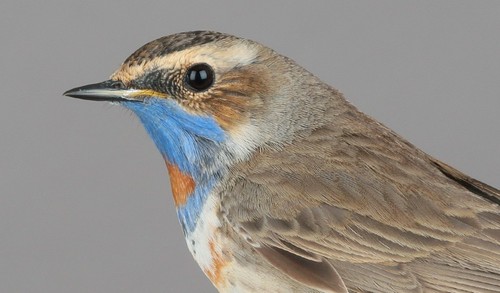
Bluethroat
13-14 cm (5.1-5.5 in) long, 20-22 cm wingspan
Eurasian Nuthatch
12-14.5 cm (4.7-5.7 in) long, 22.5-27 cm wingspan
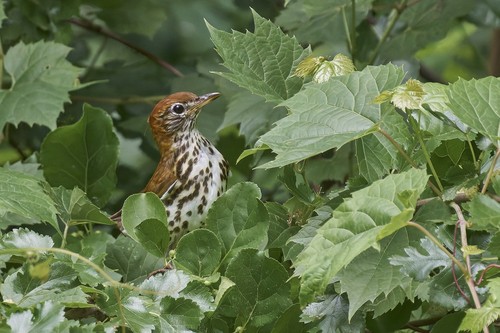
Wood Thrush
19-21 cm (7.5-8.3 in) long, about 33 cm (13 in) wingspan