
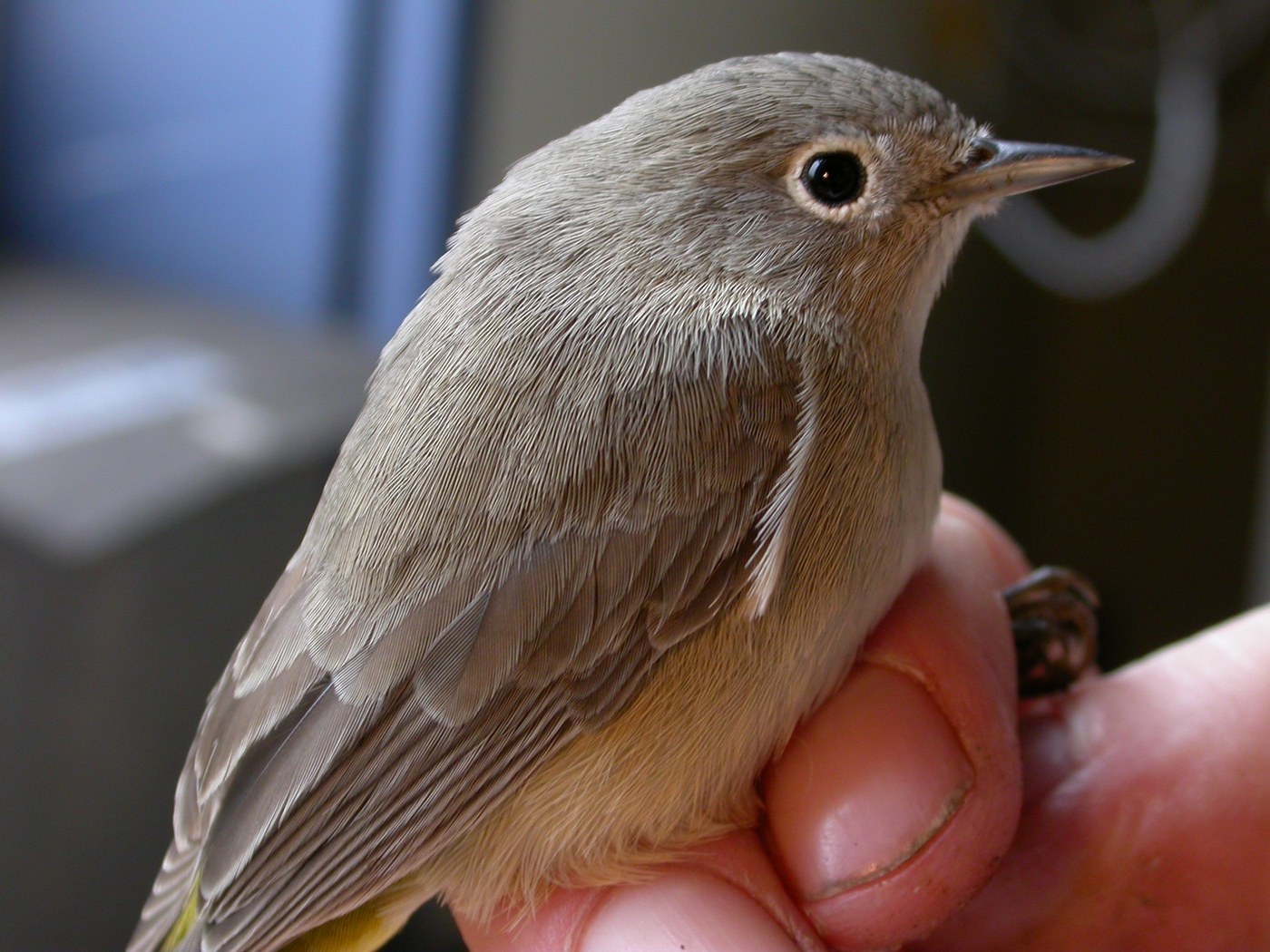
Virginia's Warbler
Leiothlypis virginiae
A plain gray warbler of dry southwestern mountain scrub, with a bold white eyering, a small yellow breast patch, and yellow undertail coverts.
- Size
- 11-12 cm (4.3-4.7 in) long, 17-18 cm wingspan
- Habitat
- arid montane scrub, pinyon-juniper woodland, and oak scrub
- Type
- songbird
Spotted a bird like this?
Identify any bird from a photo, free.
Overview
Virginia's Warbler is a mostly plain, gray-toned warbler of arid southwestern habitats, lacking the bright overall yellow of many of its relatives. Its plumage is largely soft gray above and pale grayish-white below, brightened by a patch of yellow on the breast and bright yellow undertail coverts, along with a bold white eyering.
A small chestnut patch may be present on the crown, similar to several related species, but is usually concealed and difficult to see in the field. The overall effect is a subtly patterned, understated bird well suited to blending into dry scrub habitat.
How to identify it
Key field marks
- Plain gray upperparts and grayish-white underparts
- Bold white eyering
- Yellow patch on the breast and bright yellow undertail coverts
- Small, often-concealed chestnut crown patch
- No wingbars
Similar species
Nashville Warbler is similar but shows much more extensive yellow across the entire underparts and a more contrasting olive-green back, while Virginia's Warbler is grayer overall with yellow restricted mainly to the breast patch and undertail coverts. Lucy's Warbler is paler and grayer still, lacking any yellow on the underparts apart from occasional faint tinges, and shows a chestnut rump patch that Virginia's Warbler lacks.
Habitat & range
Virginia's Warblers breed in arid montane scrub habitats across the southwestern United States, including pinyon-juniper woodland, oak scrub, and dense chaparral on dry mountain slopes, generally at moderate elevations.
They winter primarily in Mexico, in similar dry scrub and thorn forest habitat.
Behavior & voice
Behavior and voice
Virginia's Warblers forage low in dense shrubs, gleaning insects and spiders from foliage, and often flick their tails while moving through cover, somewhat similar to several related Leiothlypis warblers.
The song is a series of similar, evenly spaced chip notes, often rendered as "chivi-chivi-chivi-chee-chee," with a slightly harsher, more even quality than the song of the related Nashville Warbler.
Nesting
The nest is built on or near the ground, hidden in dense shrub cover or a grass tussock on a dry slope, made of grass, bark strips, and plant down. Clutches typically contain 3-5 eggs.
Frequently asked questions
How do you tell Virginia's Warbler from Nashville Warbler?
Virginia's Warbler is grayer overall with yellow limited mainly to a breast patch and the undertail coverts, while Nashville Warbler shows much more extensive yellow across the underparts and a more contrasting olive-green back.
What habitat does Virginia's Warbler prefer?
Arid montane scrub such as pinyon-juniper woodland, oak scrub, and chaparral on dry mountain slopes in the southwestern United States.
Does Virginia's Warbler have a chestnut crown patch?
Yes, a small chestnut patch can be present on the crown, similar to several related species, but it is usually concealed and hard to see in the field.
Where does Virginia's Warbler spend the winter?
Primarily in Mexico, in dry scrub and thorn forest habitat similar to its breeding grounds.
What does a Virginia's Warbler eat?
Insects and spiders, gleaned from foliage while foraging low in dense shrubs.
Virginia's Warbler guides
In-depth guides for identifying, finding, and understanding Virginia's Warbler.
Other birds you may enjoy
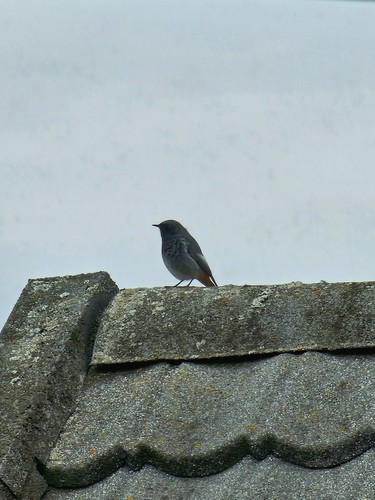
Black Redstart
13-14.5 cm (5.1-5.7 in) long, 23-26 cm wingspan
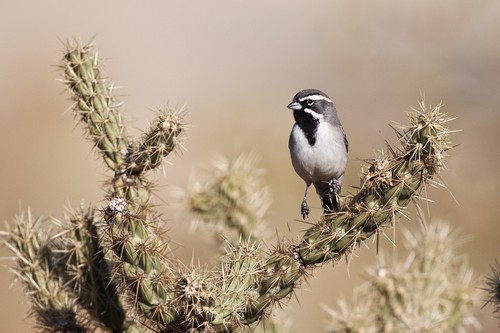
Black-throated Sparrow
12-14 cm (4.7-5.5 in) long, about 19-20 cm (7.5-8 in) wingspan
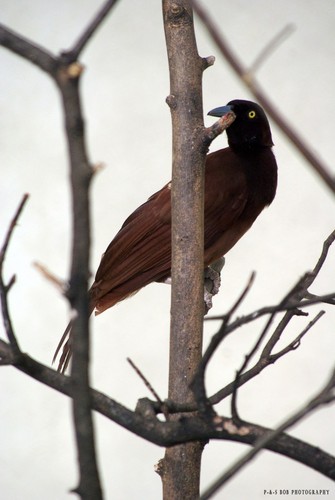
Greater Bird-of-paradise
Body about 43 cm; males with additional flank plumes up to 50 cm and long tail wires
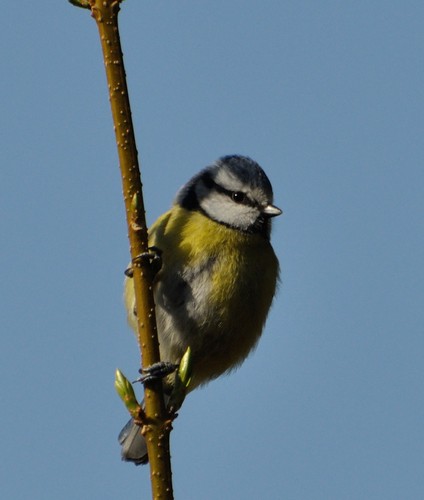
Blue Tit
11-12 cm (4.3-4.7 in) long, 17-20 cm wingspan
Red-billed Quelea
11.5–13 cm long, wingspan about 20–22 cm
White-plumed Antbird
13-14 cm (5-5.5 in) long
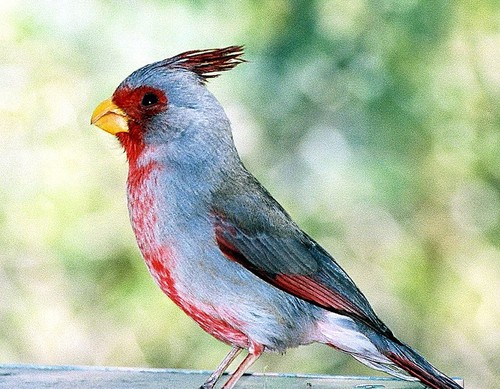
Pyrrhuloxia
19-22 cm (7.5-8.7 in) long, 30 cm wingspan
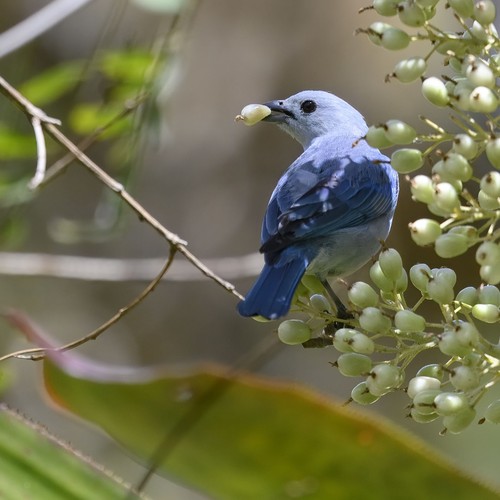
Blue-gray Tanager
16-18 cm (6-7 in) long
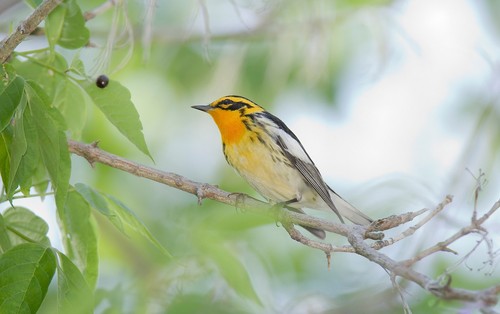
Blackburnian Warbler
11-13 cm (4.3-5.1 in) long, 20-22 cm wingspan
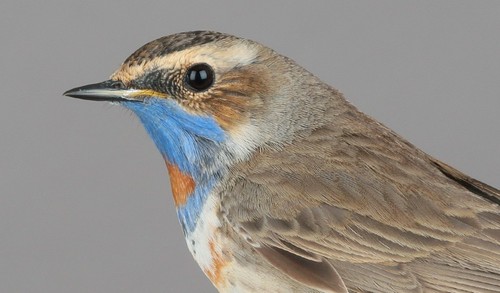
Bluethroat
13-14 cm (5.1-5.5 in) long, 20-22 cm wingspan
Eurasian Nuthatch
12-14.5 cm (4.7-5.7 in) long, 22.5-27 cm wingspan
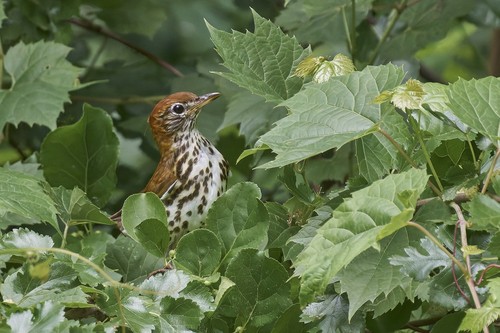
Wood Thrush
19-21 cm (7.5-8.3 in) long, about 33 cm (13 in) wingspan