
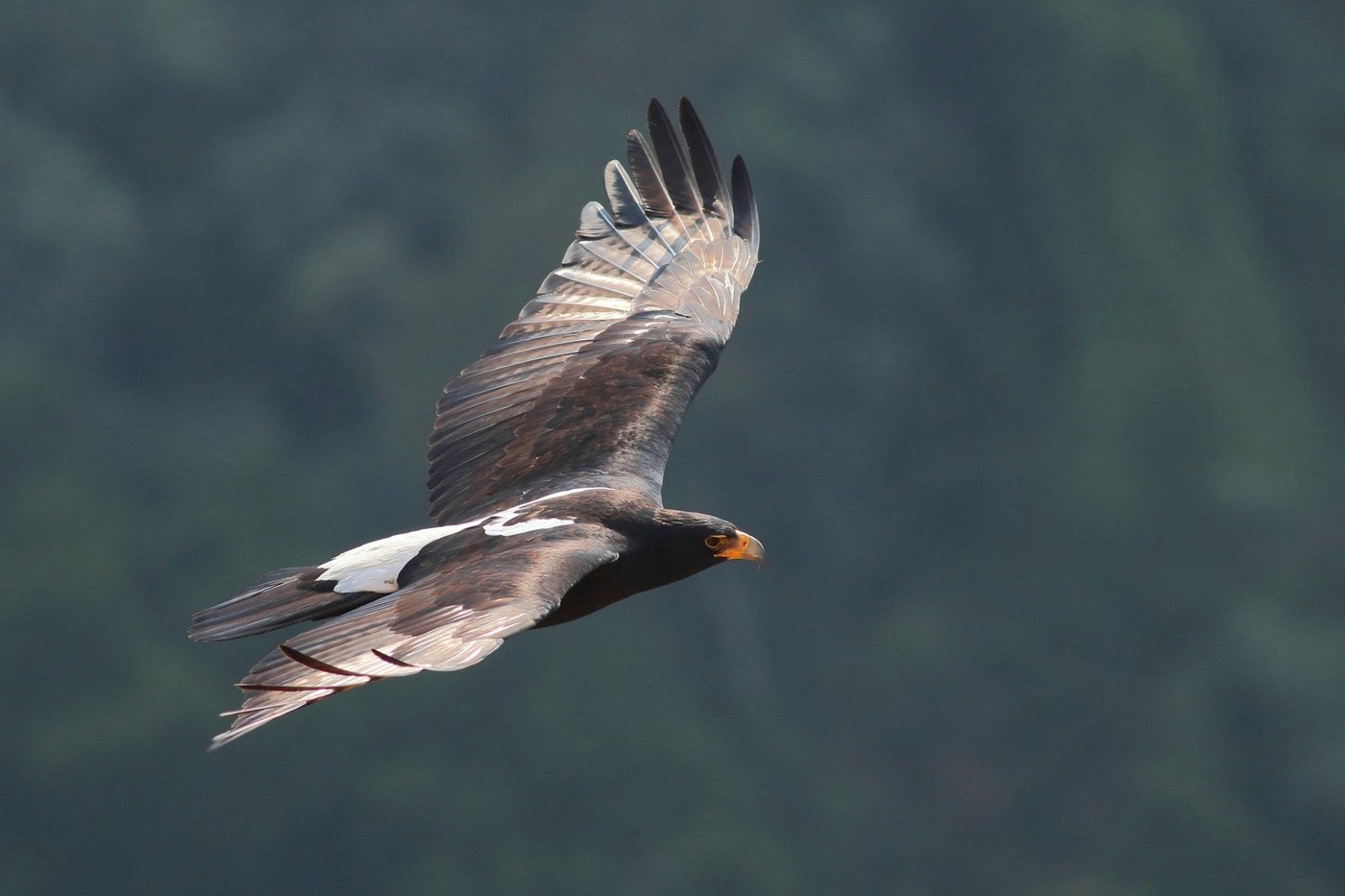
Verreaux's Eagle
Aquila verreauxii
A large, all-black eagle of African mountains and cliffs that specializes almost exclusively in hunting rock hyraxes.
- Size
- 78–96 cm long; wingspan 1.81–2.2 m
- Habitat
- Mountains, cliffs, gorges, and rocky escarpments
- Type
- raptor
Spotted a bird like this?
Identify any bird from a photo, free.
Overview
Verreaux's Eagle, also known as the Black Eagle, is a large, striking raptor of rugged mountainous country. Its plumage is almost entirely glossy black, relieved by a distinctive white "V"-shaped patch across the lower back and rump, and pale, translucent "windows" at the base of the primary flight feathers, both conspicuous in flight.
It has long, broad wings that narrow markedly at the body, giving a pinched, hourglass silhouette in flight, along with a long tail typical of true (booted) eagles.
How to identify it
Key field marks
- All-black plumage with a bold white V-shaped patch on the back
- Pale "windows" at the base of the primaries, visible from below in flight
- Long wings narrowly pinched at the body, giving a distinctive hourglass shape in soaring flight
Similar species
No other eagle in its African range combines all-black plumage with the white back patch, making adults fairly straightforward to identify. Immatures are mottled brown and rufous, more easily confused with other large brown eagles, but their strong association with rocky cliffs and hyrax colonies is a useful clue.
Habitat & range
Range
Occurs from South Africa north through East Africa into parts of the Sahel and the Arabian Peninsula, wherever suitable rocky terrain and hyrax populations coincide.
Habitat
Tied closely to mountains, cliffs, gorges, and rocky escarpments, particularly areas supporting colonies of rock hyraxes, its primary prey.
Movement
Sedentary, with pairs holding permanent territories on cliffs across many years.
Behavior & voice
Behavior
Verreaux's Eagles often hunt cooperatively as a pair: one bird flies low along a rock face to flush hyraxes into the open while its mate strikes from another angle, a strategy that reflects their near-total dietary reliance on this single prey species.
Voice
Gives loud, far-carrying barking and yelping calls, particularly during territorial and courtship displays.
Nesting
Pairs perform dramatic aerial courtship displays involving steep dives and talon-grappling. They nest on cliff ledges, usually laying two eggs, but the older chick typically kills the younger (a behavior known as Cainism), so almost always only a single chick fledges.
Frequently asked questions
What does Verreaux's Eagle eat?
It feeds almost exclusively on rock hyraxes (dassies), supplemented occasionally by other small mammals and birds.
Why is Verreaux's Eagle also called the Black Eagle?
Its plumage is almost entirely black, apart from a white V-shaped patch on the back, giving rise to the alternative common name.
Where does Verreaux's Eagle live?
It lives in mountainous, cliff, and rocky escarpment habitat from South Africa north through East Africa and into parts of the Arabian Peninsula.
Why do Verreaux's Eagles usually raise only one chick?
Although two eggs are typically laid, the first-hatched chick usually kills its younger sibling within days, a behavior called Cainism, leaving only one surviving chick.
How do Verreaux's Eagles hunt hyraxes?
Pairs often hunt cooperatively, with one bird flushing hyraxes from cover along a cliff face while its mate strikes from a different angle.
Verreaux's Eagle guides
In-depth guides for identifying, finding, and understanding Verreaux's Eagle.
Other birds you may enjoy
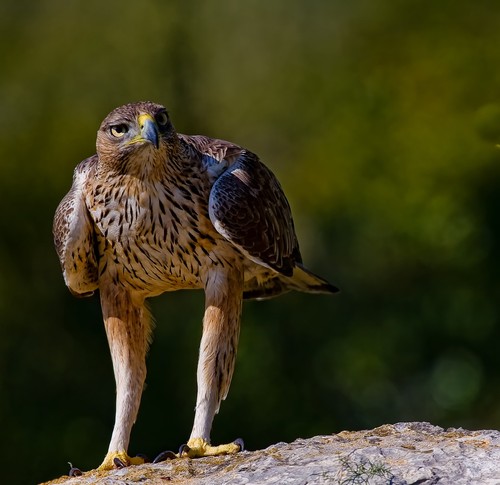
Bonelli's Eagle
Body 65–72 cm (26–28 in); wingspan 150–180 cm (59–71 in)
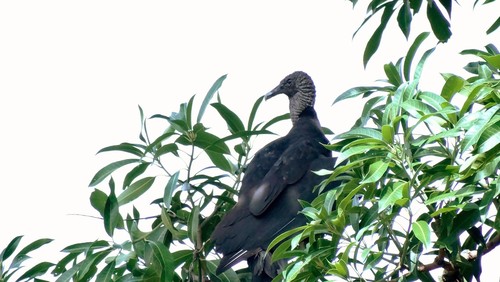
Black Vulture
56-68 cm (22-27 in) long, 137-165 cm wingspan
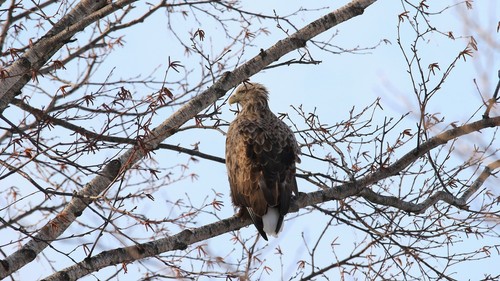
White-tailed Eagle
66-94 cm body length; wingspan 178-245 cm, among the largest eagles in the world
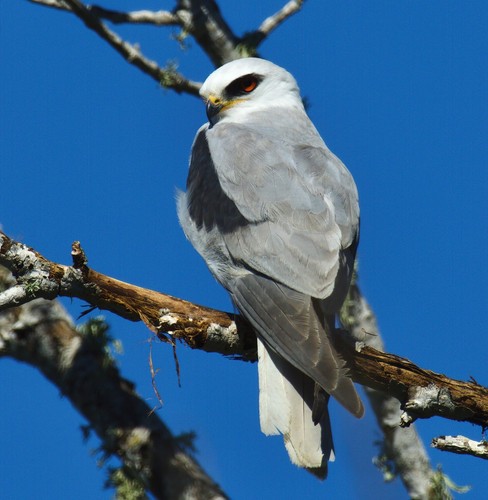
White-tailed Kite
35-43 cm (14-17 in) long, 88-102 cm (35-40 in) wingspan
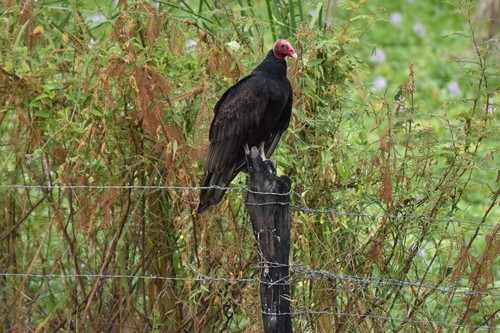
Turkey Vulture
64-81 cm (25-32 in) long, 160-183 cm wingspan
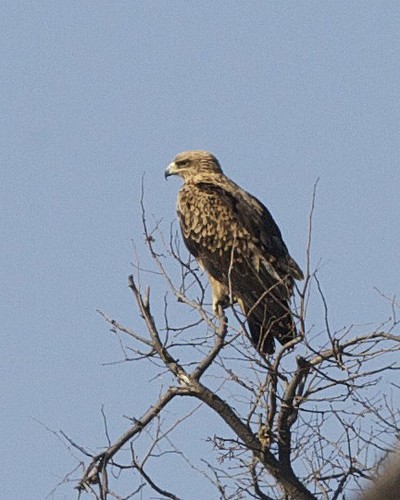
Tawny Eagle
62–75 cm long; wingspan 1.65–2.0 m
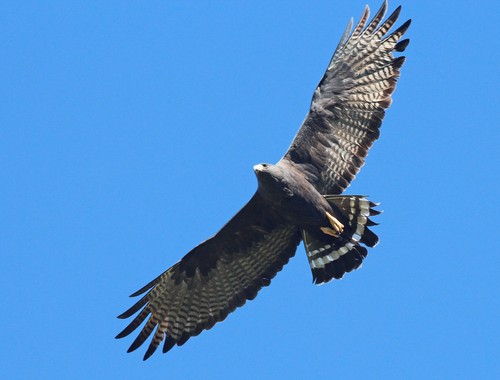
Zone-tailed Hawk
46-56 cm (18-22 in) long, 118-140 cm (46-55 in) wingspan
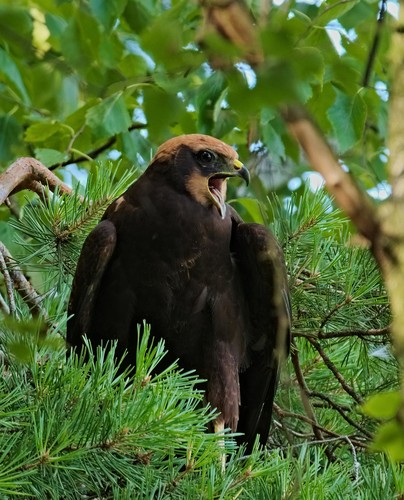
Western Marsh Harrier
Body 43-56 cm; wingspan 115-140 cm
Swallow-tailed Kite
48-68 cm (19-27 in) long including tail streamers, 112-136 cm (44-54 in) wingspan
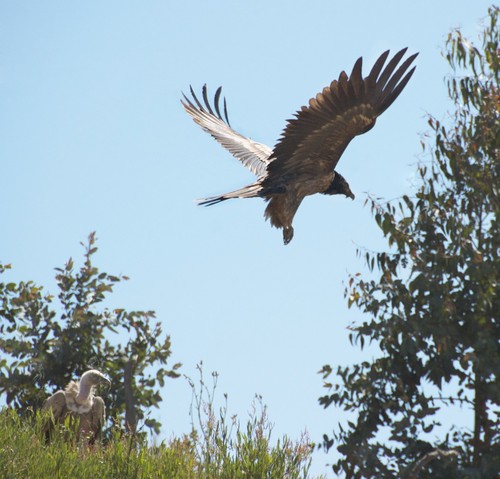
White-backed Vulture
78-98 cm long, wingspan 1.96-2.25 m
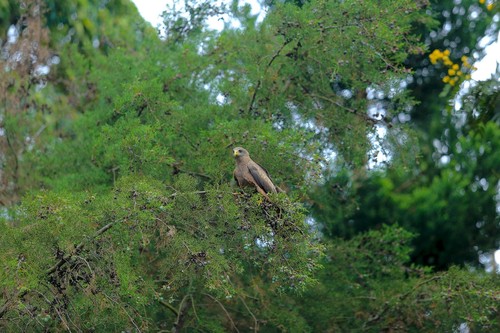
Yellow-billed Kite
55-60 cm long; wingspan 130-155 cm
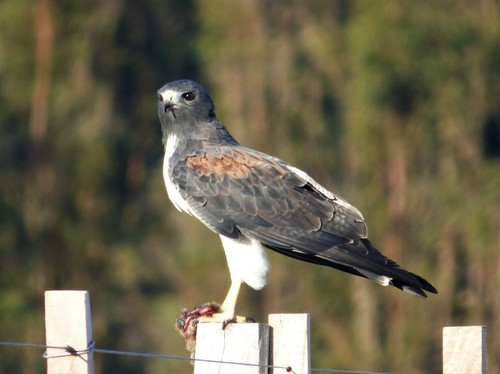
White-tailed Hawk
46-59 cm (18-23 in) long, 122-142 cm (48-56 in) wingspan