
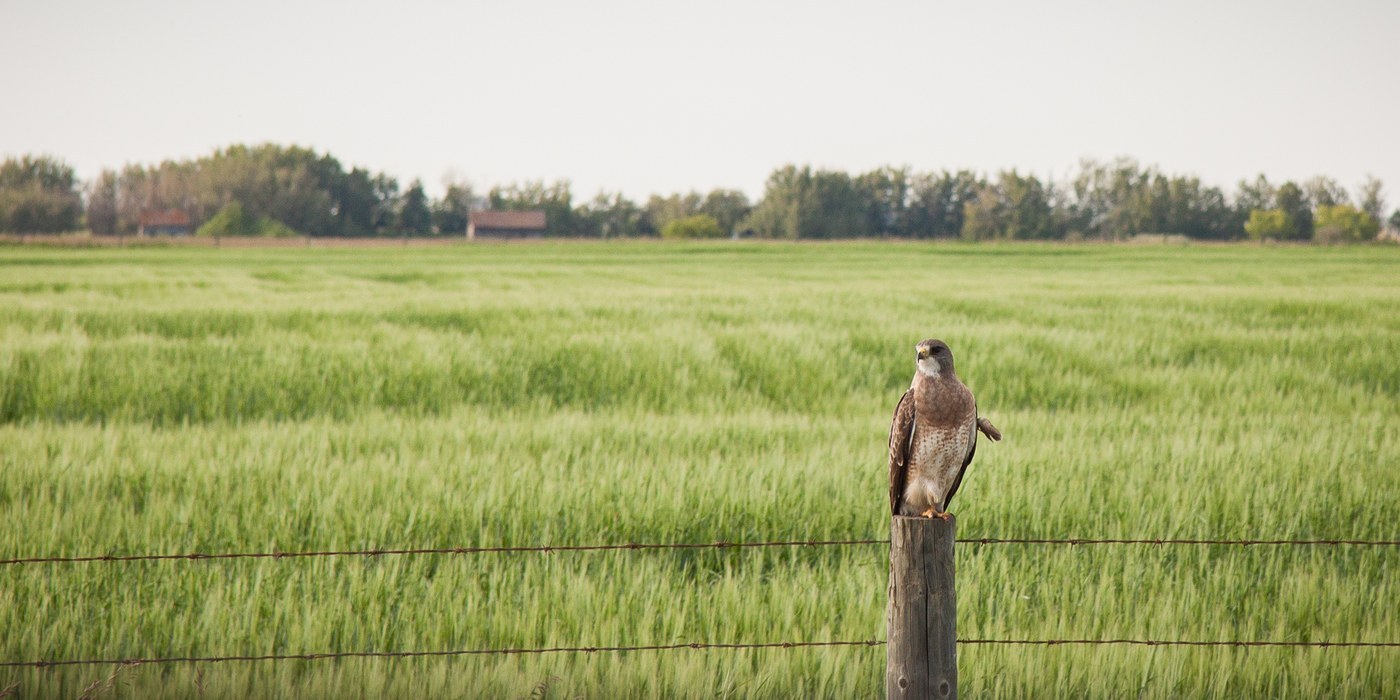
Swainson's Hawk
Buteo swainsoni
A long-winged prairie hawk famous for one of the longest migrations of any North American raptor, traveling all the way to the pampas of Argentina.
- Size
- 48-56 cm (19-22 in) long, 118-137 cm (46-54 in) wingspan
- Habitat
- open grasslands, prairies, and agricultural land
- Type
- raptor
Spotted a bird like this?
Identify any bird from a photo, free.
Overview
Swainson's Hawk is a slender, long-winged buteo of open grasslands and prairies across western North America, known for one of the most impressive migrations of any raptor on the continent. Most adults show a distinctive dark chest bib contrasting with a pale throat and belly, though plumage is quite variable, ranging from light to dark (rufous or melanistic) morphs.
In flight, the wings appear notably long and pointed compared to other buteos, and are often held in a shallow dihedral while soaring, giving the bird a somewhat falcon-like or Turkey Vulture-like silhouette at a distance.
How to identify it
Key field marks
- Long, pointed wings, held in a shallow V while soaring
- Typical adult: dark brown chest "bib" contrasting with a pale throat and belly
- Two-toned underwing in flight: pale linings, darker flight feathers
- Considerable plumage variation, including dark (rufous/melanistic) morphs
Similar species
Red-tailed Hawk has broader, more rounded wings and a streaked (not clean-cut bib) belly band pattern, plus a red adult tail. Broad-winged Hawk is much smaller and stockier with strongly banded tail. In flocks during migration, Swainson's Hawk's long, pointed wing shape and two-toned underwing pattern are key clues.
Habitat & range
Habitat
Breeds in open grasslands, prairies, and increasingly agricultural land across the western Great Plains and Great Basin, often nesting in isolated trees or shelterbelts within otherwise treeless landscapes.
Range
Breeds across the western United States and southwestern Canada. Undertakes one of the longest migrations of any North American raptor, traveling in enormous flocks through Central America to winter on the grasslands (pampas) of Argentina, a round trip of up to 20,000 km (about 12,000 miles) each year.
Behavior & voice
Behavior
Highly social during migration, Swainson's Hawks gather in huge flocks, sometimes tens of thousands strong, funneling through Central America on their way to and from South America — one of the great raptor migration spectacles in the Western Hemisphere.
Voice
Gives a plaintive, thin, whistled "kreeeee," higher-pitched and softer than the calls of many other buteos.
Feeding and nesting
During the breeding season, hunts small mammals such as ground squirrels; outside of breeding, especially on migration and the wintering grounds, its diet shifts dramatically toward large insects, particularly grasshoppers and dragonflies, often caught by walking on the ground in freshly plowed or burned fields. Builds a stick nest in an isolated tree, often the only large tree for some distance in open prairie habitat.
Frequently asked questions
How far does Swainson's Hawk migrate?
It undertakes one of the longest migrations of any North American raptor, flying from breeding grounds in western North America to winter on the pampas of Argentina, a round trip that can exceed 20,000 km (about 12,000 miles).
How do you identify a Swainson's Hawk?
Look for long, pointed wings held in a shallow V, and typically a dark chest bib contrasting with a pale throat and belly, though plumage varies considerably.
What does Swainson's Hawk eat?
Small mammals like ground squirrels during the breeding season, shifting heavily to large insects such as grasshoppers during migration and on the wintering grounds.
Why is Swainson's Hawk sometimes called the grasshopper hawk?
Because outside the breeding season it feeds heavily on grasshoppers and other large insects, often walking on the ground in open fields to catch them.
Do Swainson's Hawks migrate in flocks?
Yes, they are highly social migrants, forming enormous flocks of thousands of birds that funnel together through narrow corridors in Central America.
Swainson's Hawk guides
In-depth guides for identifying, finding, and understanding Swainson's Hawk.
Other birds you may enjoy
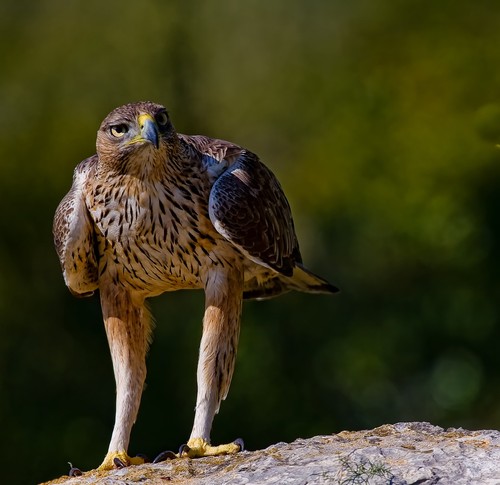
Bonelli's Eagle
Body 65–72 cm (26–28 in); wingspan 150–180 cm (59–71 in)
Black Vulture
56-68 cm (22-27 in) long, 137-165 cm wingspan
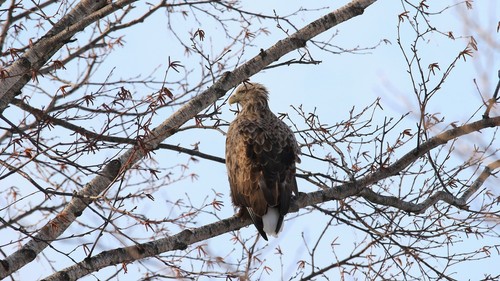
White-tailed Eagle
66-94 cm body length; wingspan 178-245 cm, among the largest eagles in the world
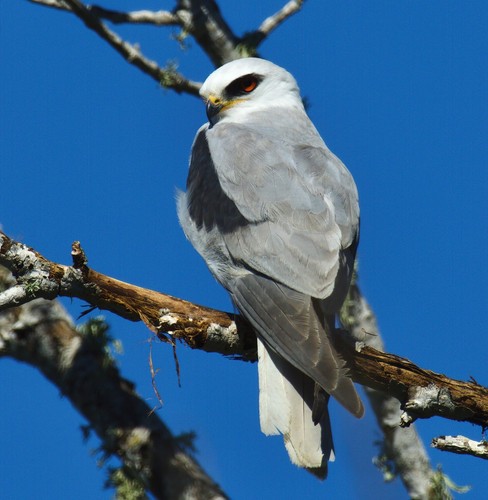
White-tailed Kite
35-43 cm (14-17 in) long, 88-102 cm (35-40 in) wingspan
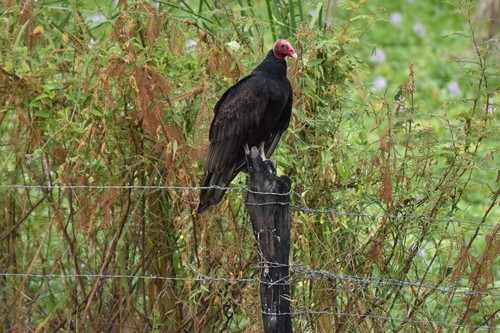
Turkey Vulture
64-81 cm (25-32 in) long, 160-183 cm wingspan
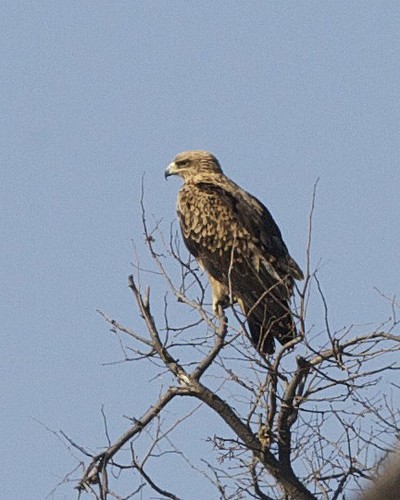
Tawny Eagle
62–75 cm long; wingspan 1.65–2.0 m
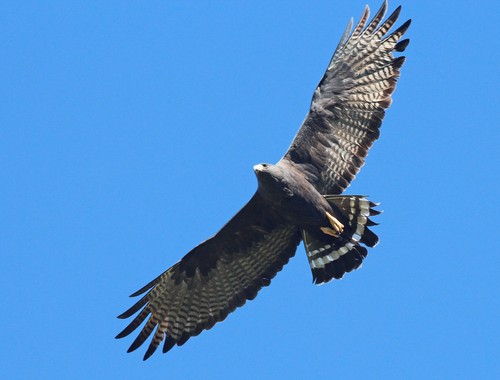
Zone-tailed Hawk
46-56 cm (18-22 in) long, 118-140 cm (46-55 in) wingspan
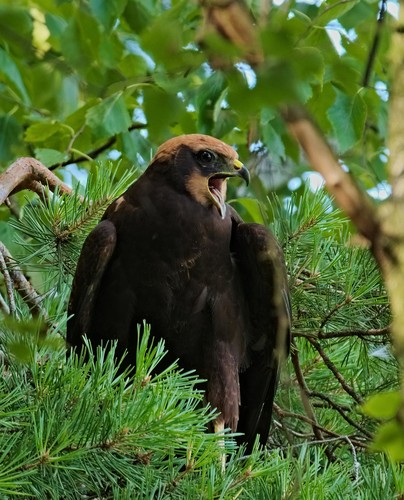
Western Marsh Harrier
Body 43-56 cm; wingspan 115-140 cm
Swallow-tailed Kite
48-68 cm (19-27 in) long including tail streamers, 112-136 cm (44-54 in) wingspan
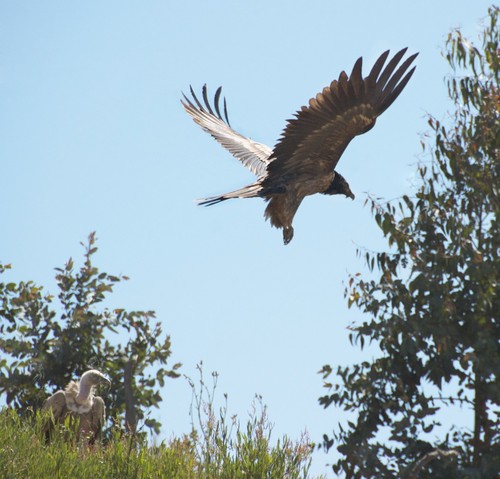
White-backed Vulture
78-98 cm long, wingspan 1.96-2.25 m
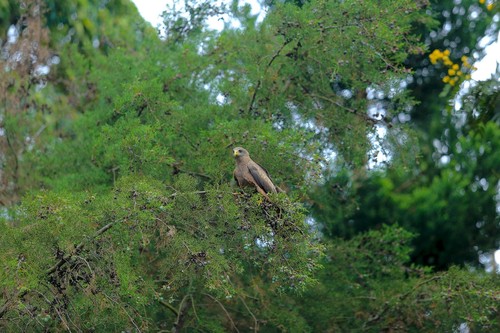
Yellow-billed Kite
55-60 cm long; wingspan 130-155 cm
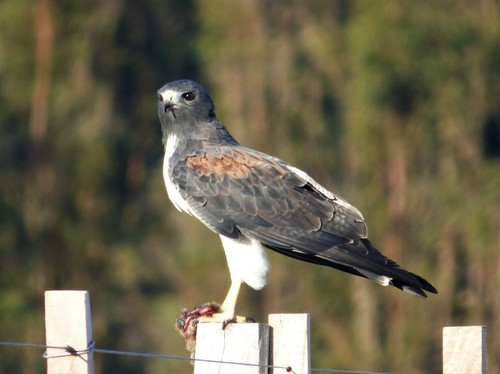
White-tailed Hawk
46-59 cm (18-23 in) long, 122-142 cm (48-56 in) wingspan