
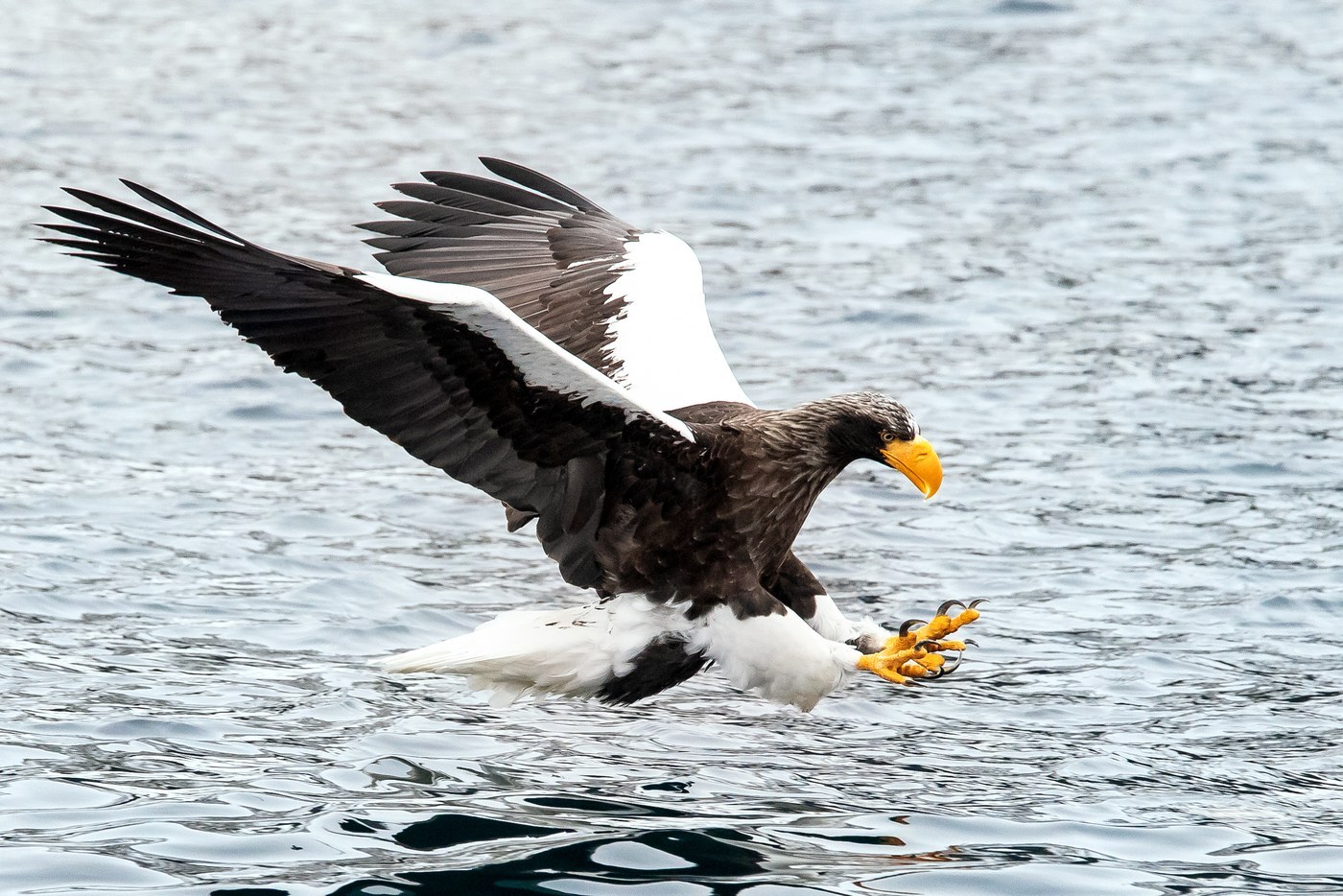
Steller's Sea Eagle
Haliaeetus pelagicus
A massive coastal eagle of the Russian Far East with a huge yellow bill and bold white shoulder, thigh, and tail patches.
- Size
- Length 85-105 cm (33-41 in); wingspan 195-250 cm (77-98 in); among the heaviest eagles in the world
- Habitat
- Coastal cliffs, river mouths, and estuaries in northeastern Asia
- Type
- raptor
Spotted a bird like this?
Identify any bird from a photo, free.
Overview
Overview
Steller's Sea Eagle is one of the largest and heaviest eagles in the world, restricted to the coasts, rivers, and estuaries of northeastern Asia. It is closely tied to salmon-rich waters, gathering in notable numbers where fish are seasonally abundant.
Appearance
Adults are mostly blackish-brown with striking contrasting white patches on the shoulders (lesser wing coverts), thighs, and tail, along with a massive, deep yellow bill that is proportionally larger than that of most other eagles. Immature birds are more uniformly dark brown with less defined white markings, gradually acquiring adult plumage over several years.
How to identify it
Key Field Marks
- Exceptionally large, deep yellow bill, bigger than that of other sea eagles
- Bold white patches on the shoulders, thighs, and wedge-shaped tail contrasting with dark body plumage
- Massive overall size and long, broad wings
- Yellow legs and feet
Similar Species
Steller's Sea Eagle is larger and bulkier than the White-tailed Eagle, which shares part of its range but has a smaller bill, more uniformly brown body, and lacks the white shoulder and thigh patches. Immature Steller's Sea Eagles can be told from immature White-tailed Eagles chiefly by their much larger bill and overall bulk.
Habitat & range
Habitat and Range
This species breeds along the coasts, river mouths, and lake shores of the Russian Far East, including the Kamchatka Peninsula, the Sea of Okhotsk coast, and Sakhalin Island. In winter, many birds move south to Hokkaido and other parts of Japan and the Korean coast, concentrating around open water and salmon runs.
Distribution
Restricted to northeastern Asia and adjacent Pacific coasts, making it one of the more geographically limited of the world's large eagles.
Behavior & voice
Behavior
Steller's Sea Eagles are powerful, opportunistic hunters and scavengers, often seen perched prominently near water watching for fish, or gathering in large numbers at salmon runs and carcasses in winter. They frequently pirate food from other eagles and large birds.
Voice
Gives deep, resonant barking or gull-like calls, most often during interactions between paired birds or at communal feeding and roosting sites.
Feeding
Feeds mainly on fish, especially salmon and trout caught by swooping to the water's surface, and also preys on waterfowl and seabirds, along with scavenging carrion, particularly in winter.
Nesting and Breeding
Builds a massive stick nest on a cliff ledge or in a large tree near water, typically reused and enlarged across years, with pairs usually laying one to three eggs per clutch and raising young slowly over an extended fledging period.
Frequently asked questions
What makes Steller's Sea Eagle stand out from other eagles?
Its huge yellow bill and bold white patches on the shoulders, thighs, and tail against dark body plumage.
Where does Steller's Sea Eagle live?
Coastal areas of the Russian Far East, including Kamchatka and Sakhalin, wintering in Japan and Korea.
What does Steller's Sea Eagle eat?
Mainly fish, especially salmon, along with waterfowl, seabirds, and carrion.
Is Steller's Sea Eagle endangered?
It is classified as Vulnerable, with a relatively small global population concentrated in a limited coastal range.
How does Steller's Sea Eagle compare to the White-tailed Eagle?
It is larger and heavier with a bigger bill and bolder white shoulder and thigh patches, while the White-tailed Eagle is more uniformly brown.
Steller's Sea Eagle guides
In-depth guides for identifying, finding, and understanding Steller's Sea Eagle.
Other birds you may enjoy
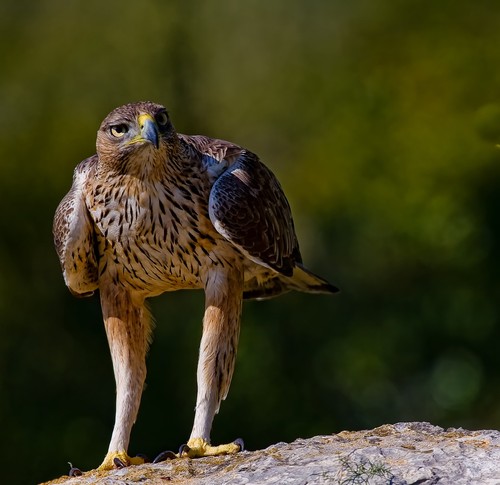
Bonelli's Eagle
Body 65–72 cm (26–28 in); wingspan 150–180 cm (59–71 in)
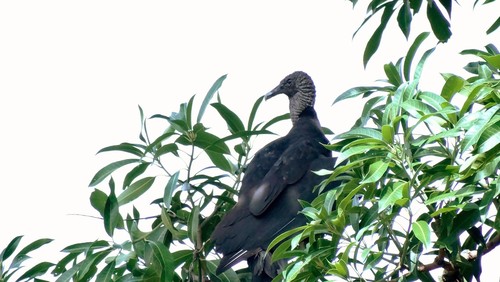
Black Vulture
56-68 cm (22-27 in) long, 137-165 cm wingspan
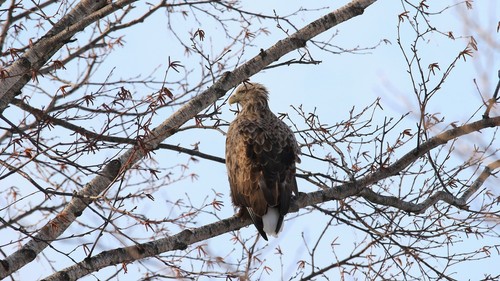
White-tailed Eagle
66-94 cm body length; wingspan 178-245 cm, among the largest eagles in the world
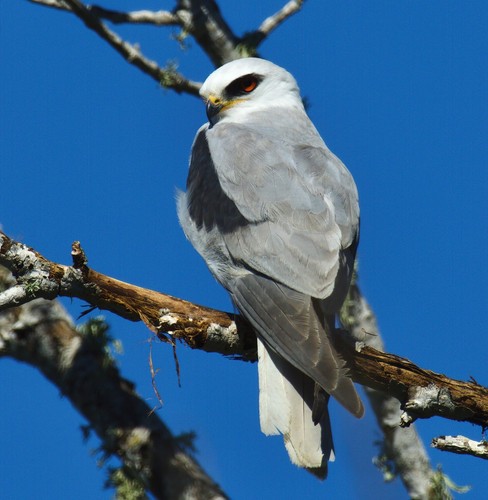
White-tailed Kite
35-43 cm (14-17 in) long, 88-102 cm (35-40 in) wingspan
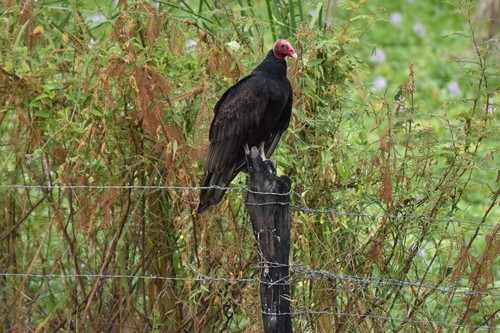
Turkey Vulture
64-81 cm (25-32 in) long, 160-183 cm wingspan
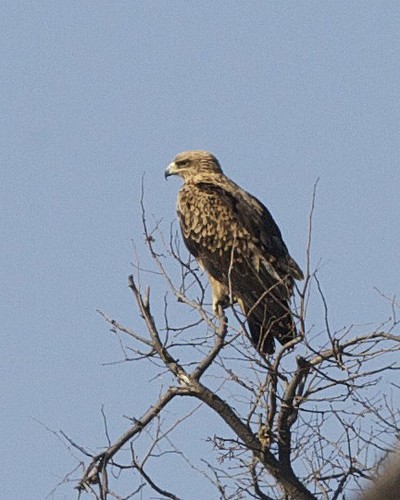
Tawny Eagle
62–75 cm long; wingspan 1.65–2.0 m
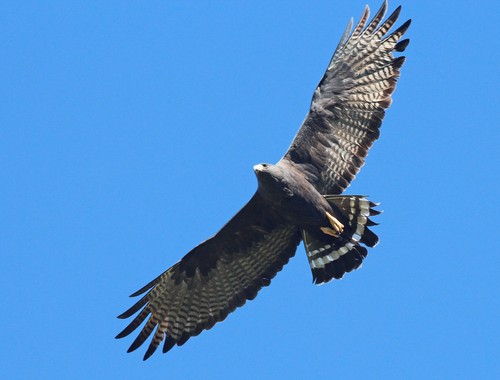
Zone-tailed Hawk
46-56 cm (18-22 in) long, 118-140 cm (46-55 in) wingspan
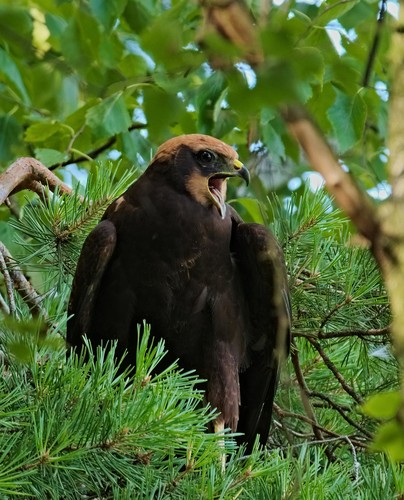
Western Marsh Harrier
Body 43-56 cm; wingspan 115-140 cm
Swallow-tailed Kite
48-68 cm (19-27 in) long including tail streamers, 112-136 cm (44-54 in) wingspan
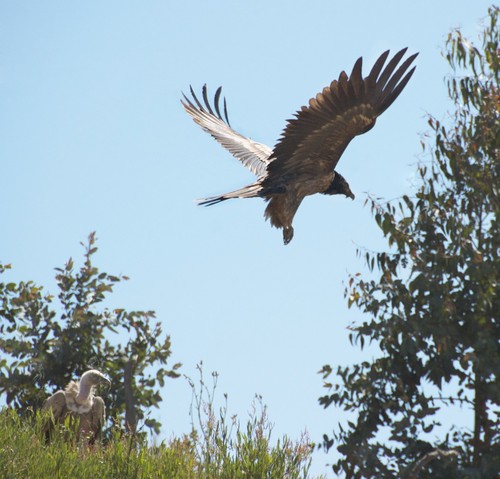
White-backed Vulture
78-98 cm long, wingspan 1.96-2.25 m
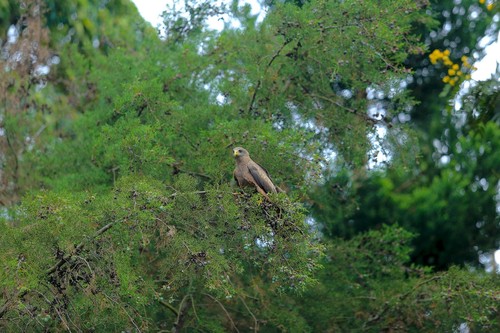
Yellow-billed Kite
55-60 cm long; wingspan 130-155 cm
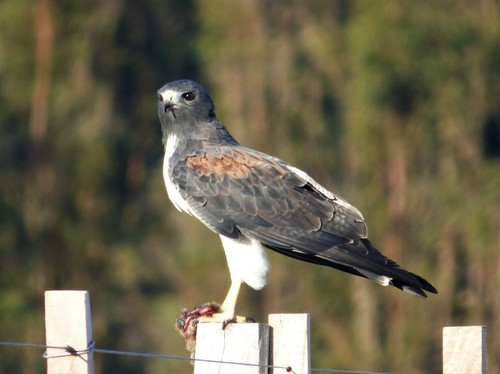
White-tailed Hawk
46-59 cm (18-23 in) long, 122-142 cm (48-56 in) wingspan