
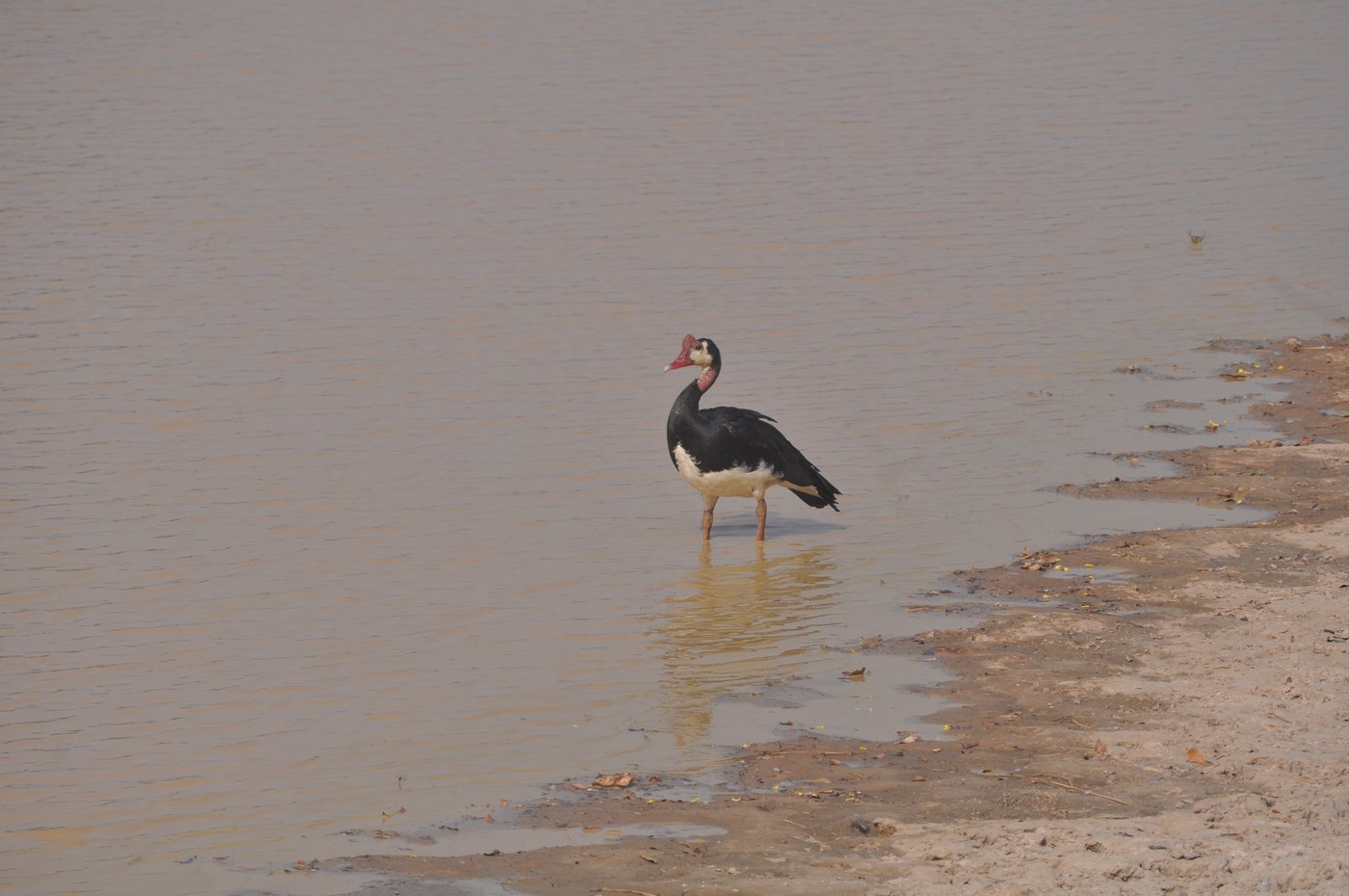
Spur-winged Goose
Plectropterus gambensis
The Spur-winged Goose is Africa's largest waterfowl species, named for the sharp spurs on its wings and its bare red facial skin.
- Size
- Body length 75-115 cm; wingspan up to 200 cm (Africa's largest waterfowl, males much larger than females)
- Habitat
- Freshwater wetlands, marshes, rivers, and lakes across sub-Saharan Africa
- Type
- waterfowl
Spotted a bird like this?
Identify any bird from a photo, free.
Overview
The Spur-winged Goose is a massive African waterbird and the largest waterfowl species on the continent. Despite its name it is more closely related to shelducks than to true geese, and is placed in its own subfamily.
Appearance
- Glossy black plumage with a green-purple sheen on the upperparts
- Variable white patches on the belly, flanks, and wing coverts
- Bare red skin covers the face and forehead
- Males carry a fleshy knob or caruncle at the base of the bill that grows larger with age
- A sharp, spur-like projection is present at the bend of each wing, used in fights
How to identify it
Key field marks
- Very large size with a long neck and heavy body
- Blackish plumage with a metallic green-purple gloss
- Bold white wing patches visible in flight
- Bare red skin on the face, more extensive in males
- Pale legs and a dark bill
Similar species
The Knob-billed (Comb) Duck is smaller and lacks the extensive bare red facial skin and wing spurs, and the male's bill knob sits atop the bill rather than at its base. No other African waterfowl approaches the Spur-winged Goose's size.
Habitat & range
Range
Widespread across sub-Saharan Africa, from Senegal and Sudan south to South Africa, wherever suitable wetlands occur.
Habitat
Favors freshwater marshes, seasonal floodplains, rivers, dams, and lake margins with adjacent grassland for grazing.
Movement
Largely resident but locally nomadic, shifting between wetlands in response to rainfall and water levels rather than undertaking true long-distance migration.
Behavior & voice
Behavior
Often seen in pairs or flocks grazing on land near water; wary and quick to take flight when disturbed.
Voice
Generally quiet, giving weak, wheezy whistling notes rather than loud honks typical of true geese.
Feeding
Grazes on grasses and other vegetation on land and dabbles for aquatic plants in shallow water.
Nesting and breeding
Nests on the ground in vegetation near water or occasionally in tree cavities, laying large clutches; males use their wing spurs in territorial disputes during the breeding season.
Frequently asked questions
Is the Spur-winged Goose really a goose?
Not a true goose - it belongs to its own subfamily, Plectropterinae, and is more closely related to shelducks.
What are the spurs on its wings used for?
The bony spurs at the wing bend are used as weapons in fights between rival males.
How big does a Spur-winged Goose get?
It is Africa's largest waterfowl, with males reaching well over a meter in length and a wingspan close to two meters.
Where do Spur-winged Geese live?
They live throughout sub-Saharan Africa near freshwater wetlands, marshes, rivers, and floodplains.
Do Spur-winged Geese migrate?
They are mostly resident but move locally between wetlands depending on seasonal water availability.
Spur-winged Goose guides
In-depth guides for identifying, finding, and understanding Spur-winged Goose.
Other birds you may enjoy
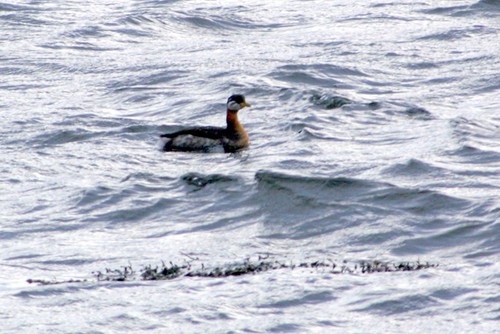
Red-necked Grebe
40-55 cm (16-22 in) long, 77-85 cm wingspan
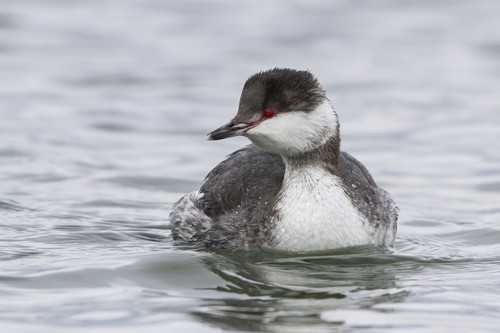
Horned Grebe
31-38 cm (12-15 in) long, 46-55 cm wingspan
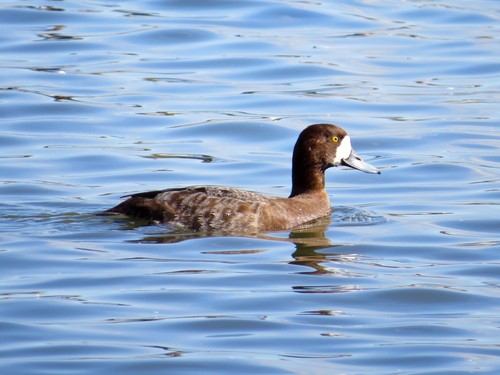
Greater Scaup
42-51 cm (16.5-20 in) long, 71-84 cm wingspan
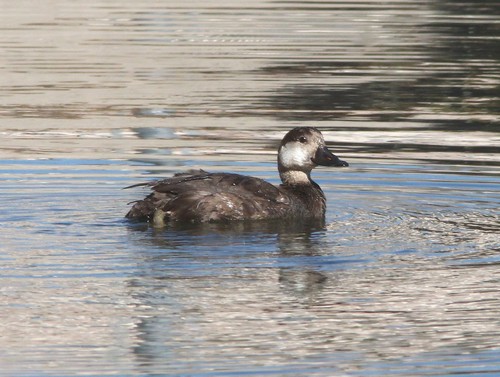
Black Scoter
43-54 cm (17-21 in) long, 79-90 cm wingspan
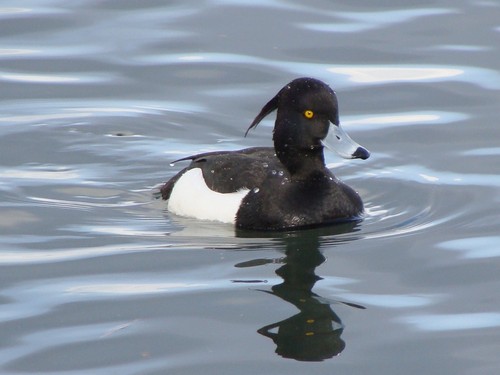
Tufted Duck
40-47 cm (16-18.5 in) long, 67-73 cm wingspan
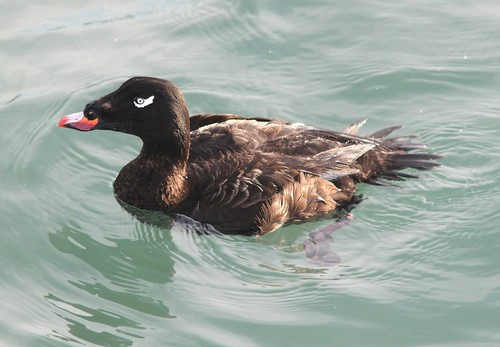
White-winged Scoter
48-58 cm (19-23 in) long, 86-99 cm wingspan
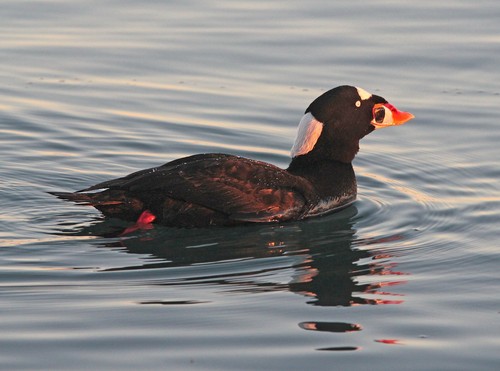
Surf Scoter
45-56 cm (18-22 in) long, 78-92 cm wingspan
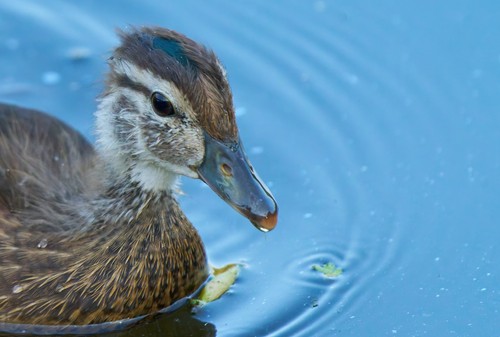
Wood Duck
47-54 cm (18.5-21 in) long, 66-73 cm wingspan
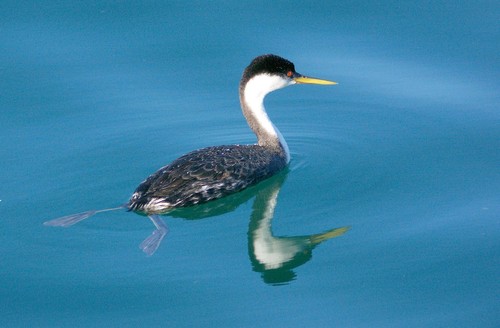
Western Grebe
56-74 cm (22-29 in) long, 79-102 cm wingspan
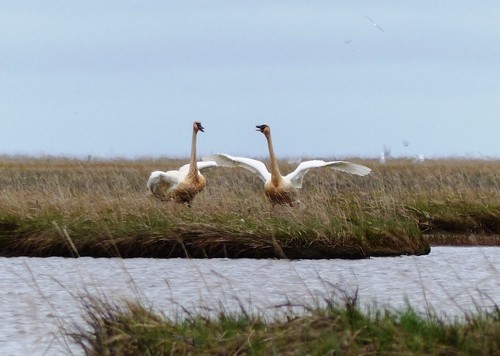
Tundra Swan
115-150 cm (45-59 in) long, about 180 cm wingspan
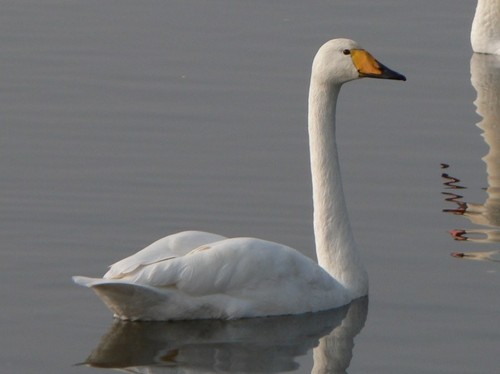
Whooper Swan
140-165 cm (55-65 in) long, 205-235 cm wingspan
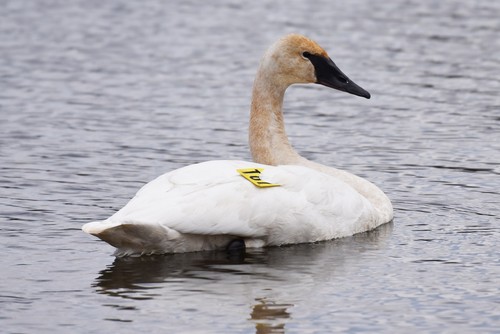
Trumpeter Swan
150-180 cm (59-71 in) long, up to 300 cm wingspan