
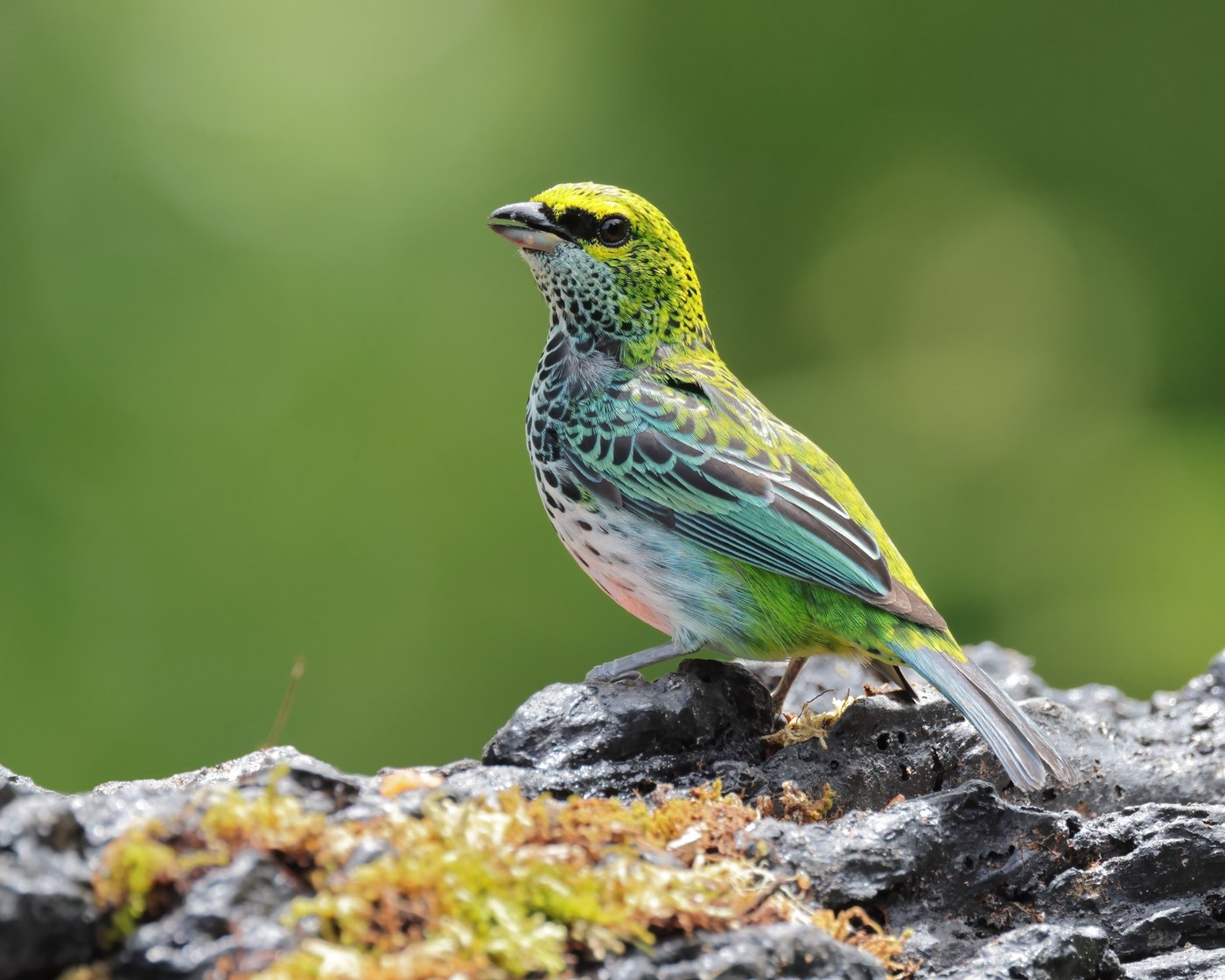
Speckled Tanager
Ixothraupis guttata
A small, brightly patterned tanager whose yellow-green plumage is covered in a fine scattering of black spots.
- Size
- 12-13 cm (4.7-5 in) long
- Habitat
- humid forest edge, secondary growth, and plantations in the lowlands and foothills
- Type
- songbird
Spotted a bird like this?
Identify any bird from a photo, free.
Overview
The Speckled Tanager is a small, densely patterned member of the diverse tanager family, named for the fine black speckling that covers its otherwise yellow-green plumage. The head and underparts are bright greenish-yellow, while the back is more olive, and both areas are marked with a scattering of small black spots and crescents that give the bird a scaly or speckled appearance overall.
The wings and tail are edged with turquoise or greenish-blue, adding a subtle shimmer to the overall pattern, and the face shows a somewhat plain, unmarked look framed by the finely spotted crown and cheeks.
Like many tanagers, it is highly social outside the breeding season, frequently traveling in small groups or joining mixed-species foraging flocks that move through the mid-story and canopy of forest edges and clearings.
How to identify it
Key field marks
- Yellow-green overall plumage densely covered in small black spots and crescents
- Olive back contrasting with brighter yellow-green underparts
- Turquoise-blue edging on the wings and tail
- Small size and compact tanager shape
Similar species
Spotted Tanager is similar but has bolder, more extensive black spotting and a different range at higher elevations in places; Golden Tanager and Bay-headed Tanager lack the fine speckled pattern entirely. Careful attention to the density and shape of the black markings separates Speckled Tanager from its close relatives.
Habitat & range
Habitat
This species favors humid forest edge, secondary growth, plantations such as cacao and coffee, and semi-open woodland rather than deep forest interior.
Range
It occurs in northern South America, including parts of Venezuela, the Guianas, Colombia, Ecuador, and northern Brazil, generally in lowland and foothill regions.
Migration
The Speckled Tanager is a non-migratory resident, though it may wander locally in search of fruiting trees.
Behavior & voice
Behavior
Speckled Tanagers are active and social, usually seen in pairs or small groups that often join mixed-species foraging flocks moving through forest edge and canopy vegetation.
Voice
Its calls are thin, high-pitched, and rather nondescript compared to other tanagers, typically a series of soft 'tsip' or 'seet' notes given in flight or while foraging.
Feeding
It feeds by gleaning fruit and insects from leaves and branches in the mid-story and canopy, often hanging or reaching acrobatically to reach food items.
Nesting and breeding
Like most tanagers, it builds an open cup nest placed in a tree or shrub, where the female incubates the eggs and both parents help feed the nestlings once hatched.
Frequently asked questions
What makes the Speckled Tanager distinctive?
Its yellow-green body is densely covered in small black spots and crescents, giving it a scaly, speckled look unlike most other tanagers.
Where does the Speckled Tanager live?
It lives in forest edge and secondary growth in northern South America, including Venezuela, the Guianas, Colombia, Ecuador, and northern Brazil.
What does the Speckled Tanager eat?
It eats a mix of fruit and insects gleaned from foliage.
Does the Speckled Tanager flock with other birds?
Yes, it commonly joins mixed-species foraging flocks moving through forest edge and canopy.
Speckled Tanager guides
In-depth guides for identifying, finding, and understanding Speckled Tanager.
Other birds you may enjoy
Black Redstart
13-14.5 cm (5.1-5.7 in) long, 23-26 cm wingspan
Black-throated Sparrow
12-14 cm (4.7-5.5 in) long, about 19-20 cm (7.5-8 in) wingspan
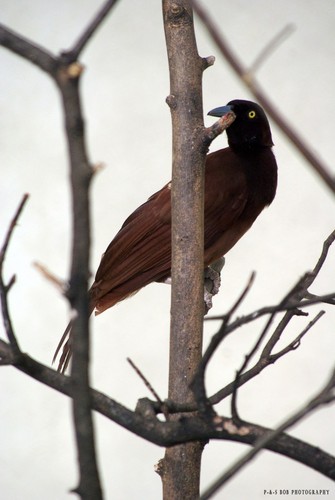
Greater Bird-of-paradise
Body about 43 cm; males with additional flank plumes up to 50 cm and long tail wires
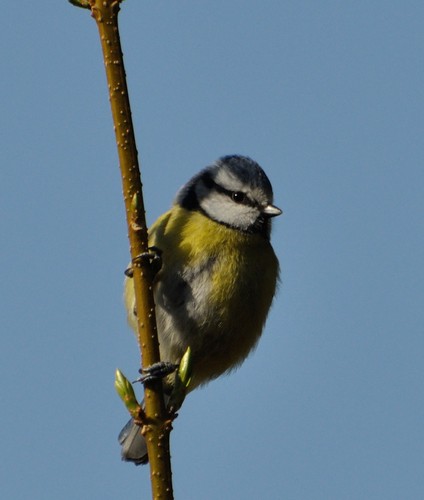
Blue Tit
11-12 cm (4.3-4.7 in) long, 17-20 cm wingspan

Red-billed Quelea
11.5–13 cm long, wingspan about 20–22 cm
White-plumed Antbird
13-14 cm (5-5.5 in) long
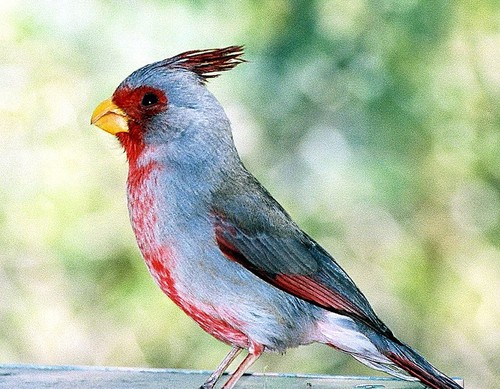
Pyrrhuloxia
19-22 cm (7.5-8.7 in) long, 30 cm wingspan
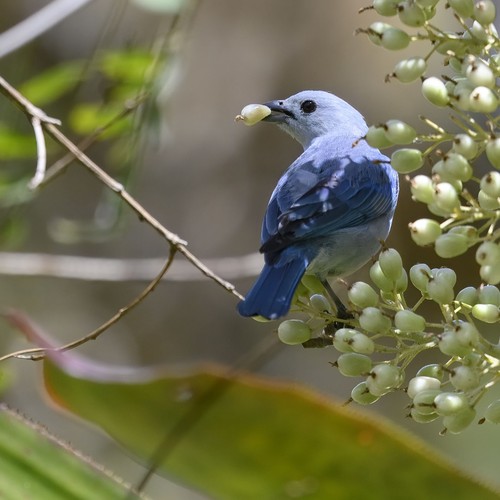
Blue-gray Tanager
16-18 cm (6-7 in) long
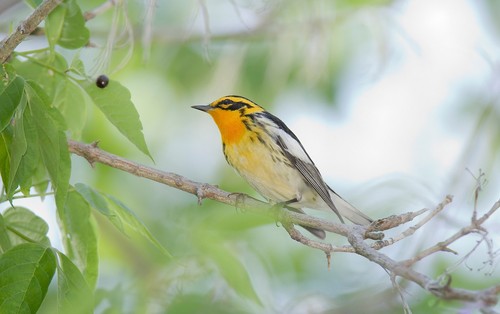
Blackburnian Warbler
11-13 cm (4.3-5.1 in) long, 20-22 cm wingspan
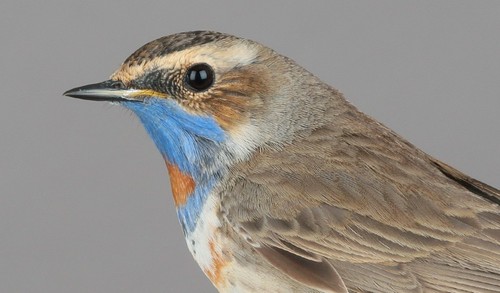
Bluethroat
13-14 cm (5.1-5.5 in) long, 20-22 cm wingspan
Eurasian Nuthatch
12-14.5 cm (4.7-5.7 in) long, 22.5-27 cm wingspan
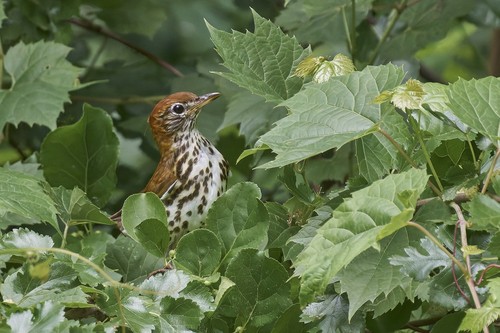
Wood Thrush
19-21 cm (7.5-8.3 in) long, about 33 cm (13 in) wingspan