

Snowy Egret
Egretta thula
A small, brilliant white egret of the Americas known for its black bill and legs paired with striking bright yellow feet, nicknamed its 'golden slippers.'
- Size
- 56-66 cm (22-26 in) long, about 100 cm wingspan
- Habitat
- freshwater and coastal wetlands, marshes, and estuaries throughout the Americas
- Type
- wading-bird
Spotted a bird like this?
Identify any bird from a photo, free.
Overview
The Snowy Egret is a small, graceful, all-white heron with a thin black bill, black legs, and vividly contrasting bright yellow feet, often described as "golden slippers." During the breeding season, adults grow delicate, recurved plumes on the head, neck, and back that were once heavily targeted by plume hunters supplying the millinery trade, nearly driving the species to extinction before early 20th-century conservation laws intervened.
Today the Snowy Egret is a common and recognizable sight across wetlands throughout the Americas, admired both for its elegant appearance and its lively, active foraging behavior.
How to identify it
Key field marks
- Small, entirely white body
- Thin, straight black bill with yellow lores (skin in front of the eye)
- Black legs contrasting with bright yellow feet
- Recurved plumes on the head and back in breeding adults
Similar species
- Great Egret: much larger with a yellow bill and all-black legs
- Little Blue Heron (white juvenile): duller greenish-yellow legs rather than the Snowy Egret's black legs and bright yellow feet
- Cattle Egret: stockier and shorter-necked with a yellow or orange bill
Bright yellow feet contrasting with black legs is the most distinctive and reliable mark for the Snowy Egret.
Habitat & range
Range and habitat
Snowy Egrets are found throughout much of the Americas, from the northern United States south through Central America, the Caribbean, and much of South America, inhabiting freshwater marshes, coastal estuaries, mangroves, and shallow lagoons.
Migration
Northern breeding populations migrate south for winter to the southern United States, Mexico, Central America, and beyond, while populations in warmer, more southerly parts of the range are generally resident.
Behavior & voice
Behavior
Snowy Egrets are among the most active and energetic foragers of the herons, frequently running, hopping, and stirring the water with a foot to flush prey, and sometimes shading the water with an outstretched wing to reduce glare and spot fish.
Voice
Calls include a low, guttural croak and a nasal squawk, typically given during breeding colony interactions.
Feeding
They eat small fish, crustaceans, and aquatic insects, using their bright yellow feet to stir up hidden prey from the mud before striking quickly with the bill.
Nesting and breeding
Snowy Egrets nest colonially, often in large mixed colonies with other herons and egrets, building stick nests in trees, shrubs, or reeds near water; both parents incubate the typically three to five pale blue-green eggs.
Frequently asked questions
Why does the Snowy Egret have yellow feet?
The bright yellow feet contrast with black legs and are thought to help the bird stir up and startle prey while it walks or shuffles through shallow water.
Was the Snowy Egret ever endangered?
Yes, in the late 19th and early 20th centuries its ornate breeding plumes were heavily hunted for the millinery trade, drastically reducing populations before protective laws allowed recovery.
How do you tell a Snowy Egret from a Great Egret?
The Snowy Egret is much smaller with a black bill and black legs with yellow feet, while the Great Egret is larger with an all-yellow bill and black legs without contrasting yellow feet.
What does the Snowy Egret eat?
It eats small fish, crustaceans, and aquatic insects, often catching prey by actively stirring the water with a bright yellow foot.
Snowy Egret guides
In-depth guides for identifying, finding, and understanding Snowy Egret.

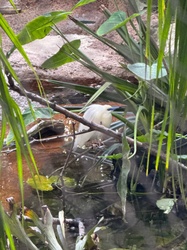
Snowy Egret identified by the community
Real birds identified with Bird Identifier.
Other birds you may enjoy
Demoiselle Crane
85-100 cm (33-39 in) long, 155-180 cm wingspan
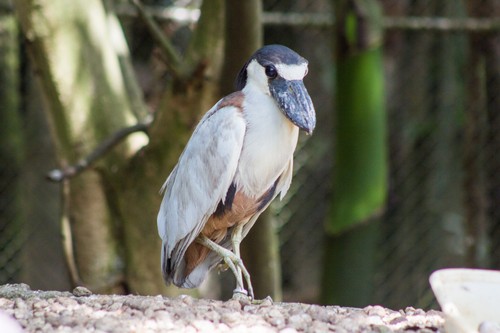
Boat-billed Heron
41-56 cm (16-22 in) long
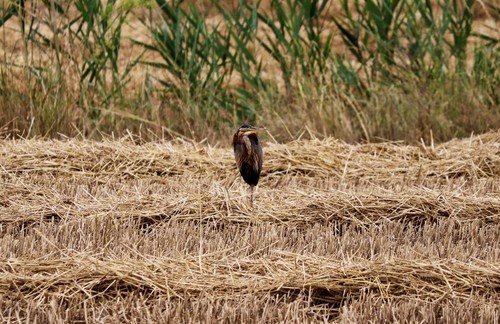
Purple Heron
78-90 cm (31-35 in) long, 120-152 cm wingspan
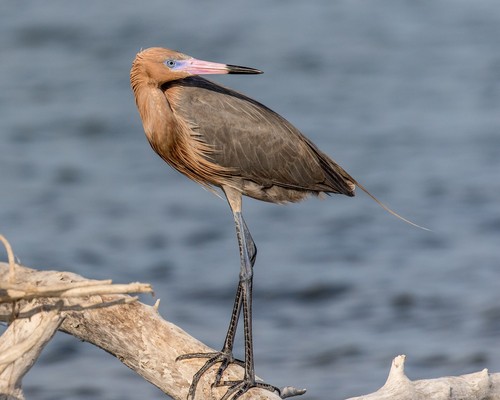
Reddish Egret
68-82 cm (27-32 in) long, 116-125 cm wingspan
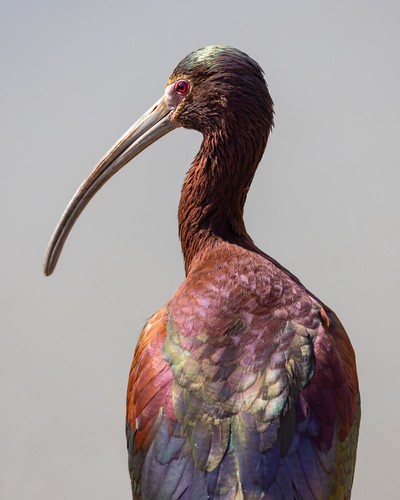
White-faced Ibis
46-56 cm (18-22 in) long, 88-93 cm wingspan
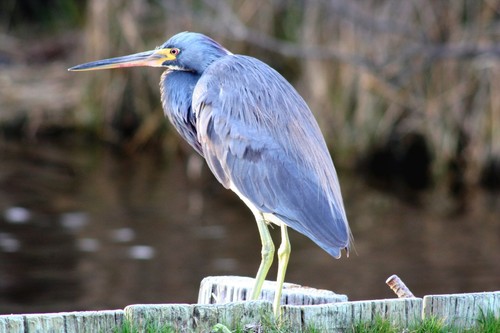
Tricolored Heron
61-76 cm (24-30 in) long, about 96 cm wingspan
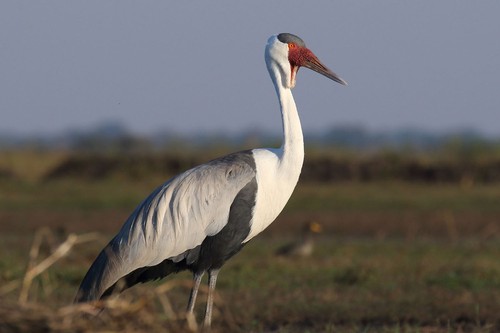
Wattled Crane
120-175 cm (47-69 in) tall, one of the tallest cranes, wingspan up to about 230 cm (7.5 ft)
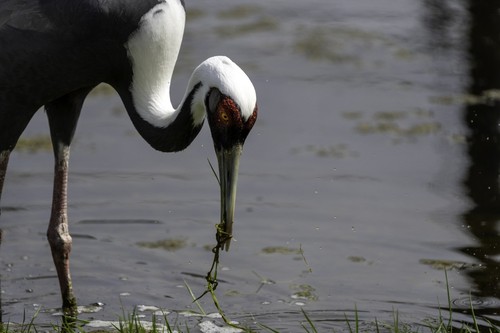
White-naped Crane
112-125 cm (44-49 in) long, 195-210 cm wingspan
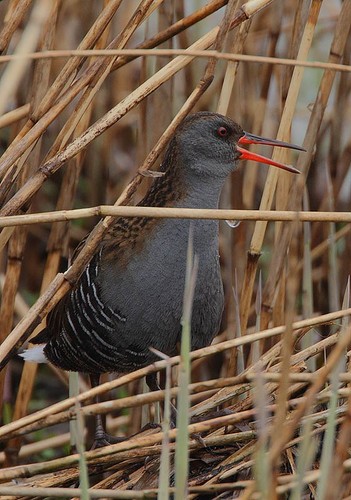
Water Rail
23-28 cm (9-11 in) long, wingspan 38-45 cm
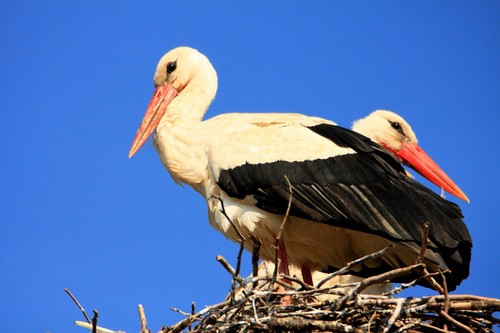
White Stork
100-125 cm (39-49 in) long, 155-215 cm wingspan
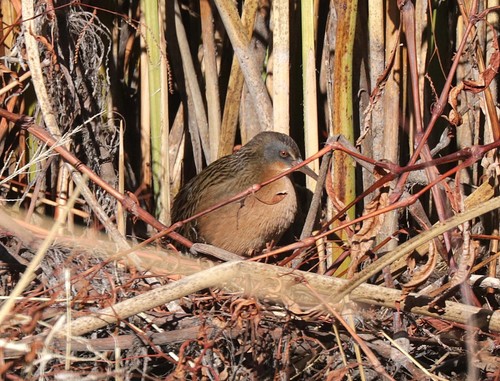
Virginia Rail
20-27 cm (8-11 in) long, wingspan 32-38 cm
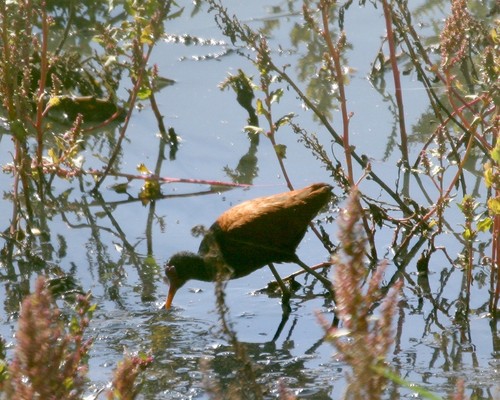
Wattled Jacana
17-23 cm (7-9 in) long