
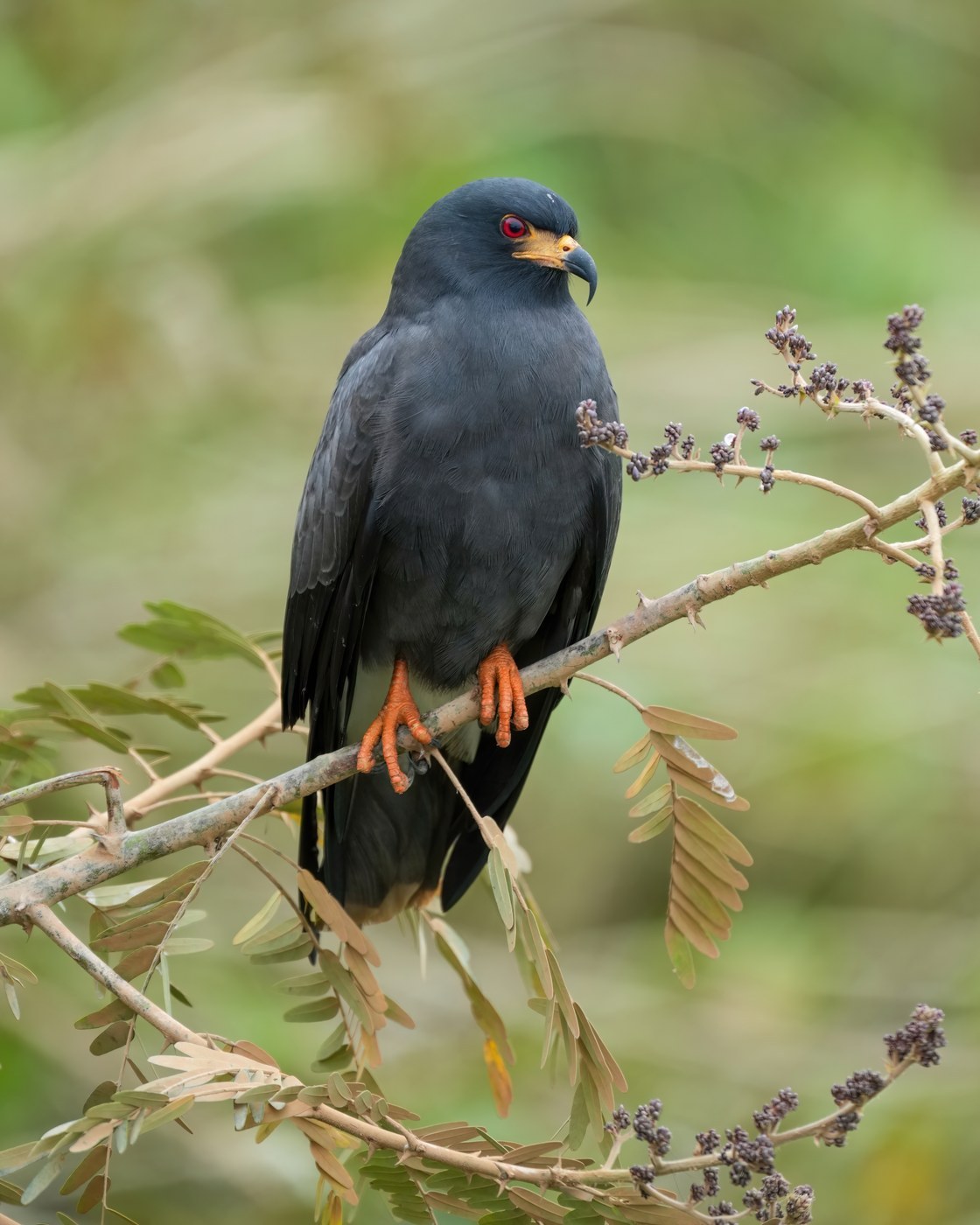
Snail Kite
Rostrhamus sociabilis
A marsh-dwelling raptor with a slender, deeply hooked bill perfectly shaped for extracting apple snails from their shells.
- Size
- 36-48 cm (14-19 in) long, 100-120 cm (39-47 in) wingspan
- Habitat
- freshwater marshes and wetlands with abundant apple snails
- Type
- raptor
Spotted a bird like this?
Identify any bird from a photo, free.
Overview
The Snail Kite is a medium-sized marsh raptor best known for its extraordinarily specialized diet and matching bill shape. Adult males are dark slate-gray overall with a white base and tip to the tail and bright red-orange legs and cere; females and immatures are browner with heavy streaking below and a pale, buffy face. In all plumages, the long, thin, deeply hooked bill is a giveaway, evolved specifically for extracting apple snails from their shells.
In the United States this species is best known from the Florida Everglades, where it is often called the Everglade Kite, though it is far more widespread through the wetlands of Mexico, Central America, and South America.
How to identify it
Key Field Marks
- Slender, strongly hooked bill, thinner and more curved than that of other kites or hawks
- Adult male: slate-gray body, white tail base, black tail band, red-orange legs and facial skin
- Female/immature: brown above, heavily streaked buffy-brown below, with a pale face and dark eye-line
- Slow, low flight over marsh vegetation with the head angled down, searching for snails
Similar Species
- Northern Harrier: also flies low over open habitat but shows a white rump patch and an owl-like facial disk, not the kite's hooked bill or wetland-restricted habits.
- Red-shouldered Hawk: chunkier with rufous shoulders and barred underparts, not associated with marsh-edge snail hunting.
Habitat & range
Range
In the United States, Snail Kites are essentially restricted to central and south Florida, particularly the Everglades and Kissimmee-Okeechobee wetlands. The species is far more widespread from Mexico through Central America and much of South America.
Habitat
They depend almost entirely on freshwater marshes, shallow lake edges, and wet prairies that support healthy populations of apple snails, their nearly sole food source. Water level management and wetland health directly affect kite populations, making them a sensitive indicator species for Everglades restoration.
Behavior & voice
Feeding
Snail Kites fly low and slow over marsh vegetation, dropping down to snatch apple snails from just below the water's surface. They then carry the snail to a perch, extract the animal with a practiced twist of the hooked bill, and discard the shell, leaving telltale piles of empty shells at favored feeding perches.
Voice
Calls include harsh, cackling notes and grunting sounds, typically given during interactions between individuals or near the nest.
Nesting
Nests are shallow platforms of twigs and marsh vegetation built low over water in bushes, sawgrass, or small trees, often in loose colonies. Both parents share incubation and chick-rearing duties.
Frequently asked questions
Why is the Snail Kite's bill shaped so differently from other raptors?
Its long, thin, deeply curved bill is specially adapted to reach into apple snail shells and extract the snail's body, a feeding technique unique among North American raptors.
Where can I see a Snail Kite in the United States?
They are found almost exclusively in central and south Florida wetlands, especially the Everglades and the Kissimmee-Okeechobee marsh system.
What do Snail Kites eat?
Almost exclusively apple snails, making them one of the most dietarily specialized raptors in the world.
Why are Snail Kites considered vulnerable in Florida?
Their reliance on stable wetland water levels for healthy apple snail populations makes them highly sensitive to drought, drainage, and other wetland disturbances.
Snail Kite guides
In-depth guides for identifying, finding, and understanding Snail Kite.
Other birds you may enjoy
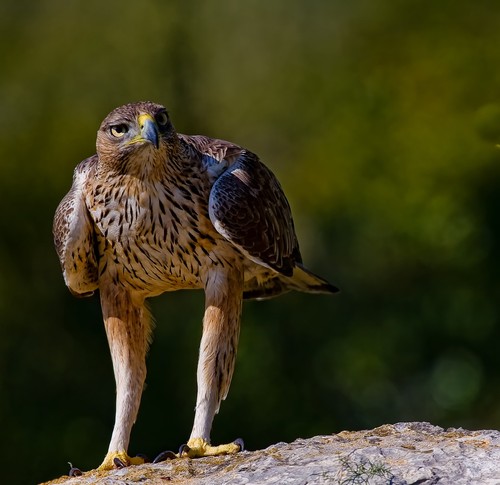
Bonelli's Eagle
Body 65–72 cm (26–28 in); wingspan 150–180 cm (59–71 in)
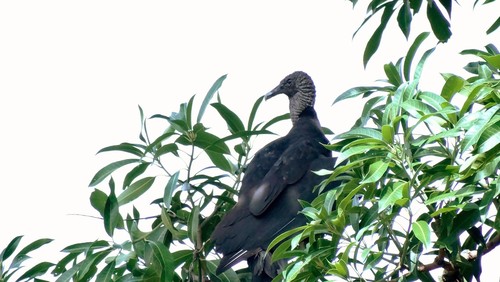
Black Vulture
56-68 cm (22-27 in) long, 137-165 cm wingspan
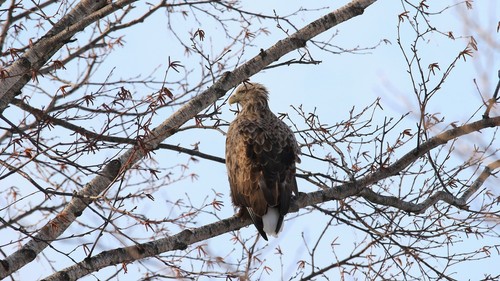
White-tailed Eagle
66-94 cm body length; wingspan 178-245 cm, among the largest eagles in the world
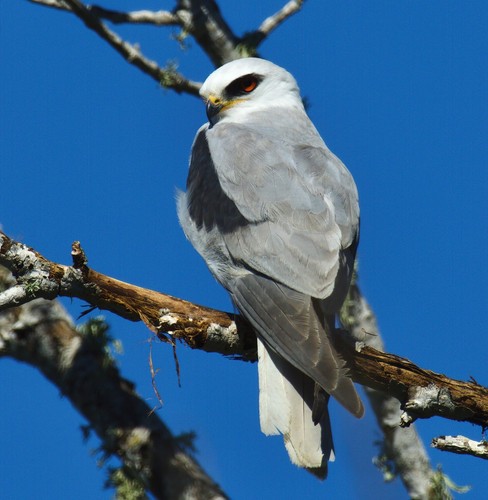
White-tailed Kite
35-43 cm (14-17 in) long, 88-102 cm (35-40 in) wingspan
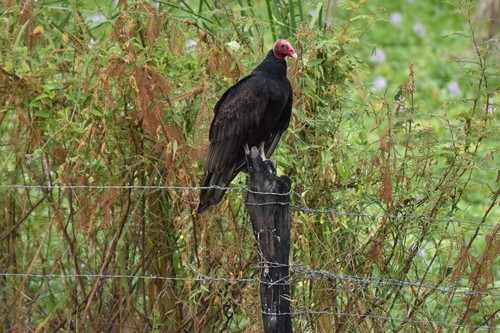
Turkey Vulture
64-81 cm (25-32 in) long, 160-183 cm wingspan
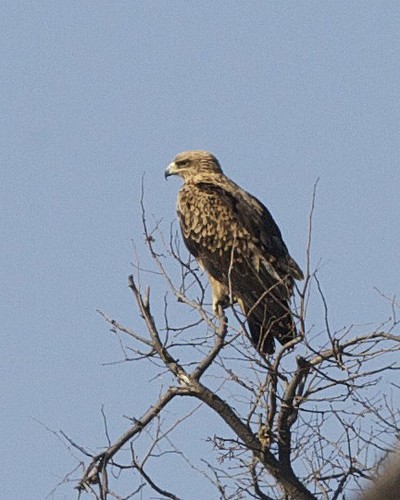
Tawny Eagle
62–75 cm long; wingspan 1.65–2.0 m
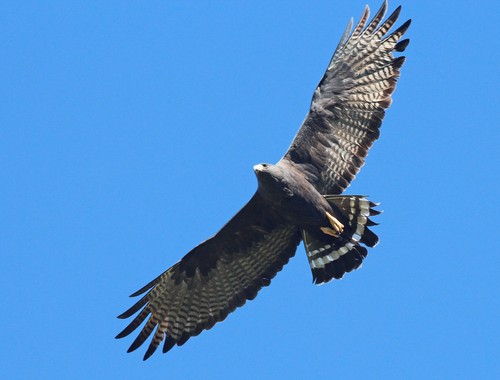
Zone-tailed Hawk
46-56 cm (18-22 in) long, 118-140 cm (46-55 in) wingspan
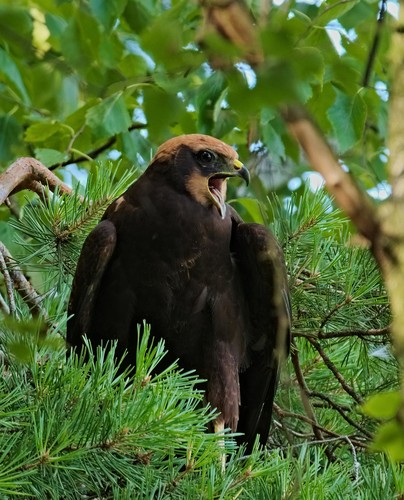
Western Marsh Harrier
Body 43-56 cm; wingspan 115-140 cm
Swallow-tailed Kite
48-68 cm (19-27 in) long including tail streamers, 112-136 cm (44-54 in) wingspan
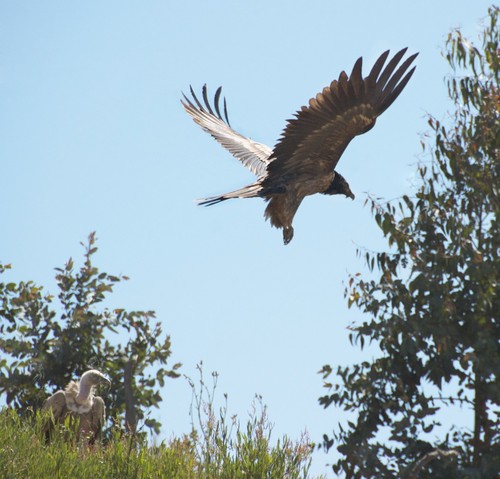
White-backed Vulture
78-98 cm long, wingspan 1.96-2.25 m
Yellow-billed Kite
55-60 cm long; wingspan 130-155 cm
White-tailed Hawk
46-59 cm (18-23 in) long, 122-142 cm (48-56 in) wingspan