
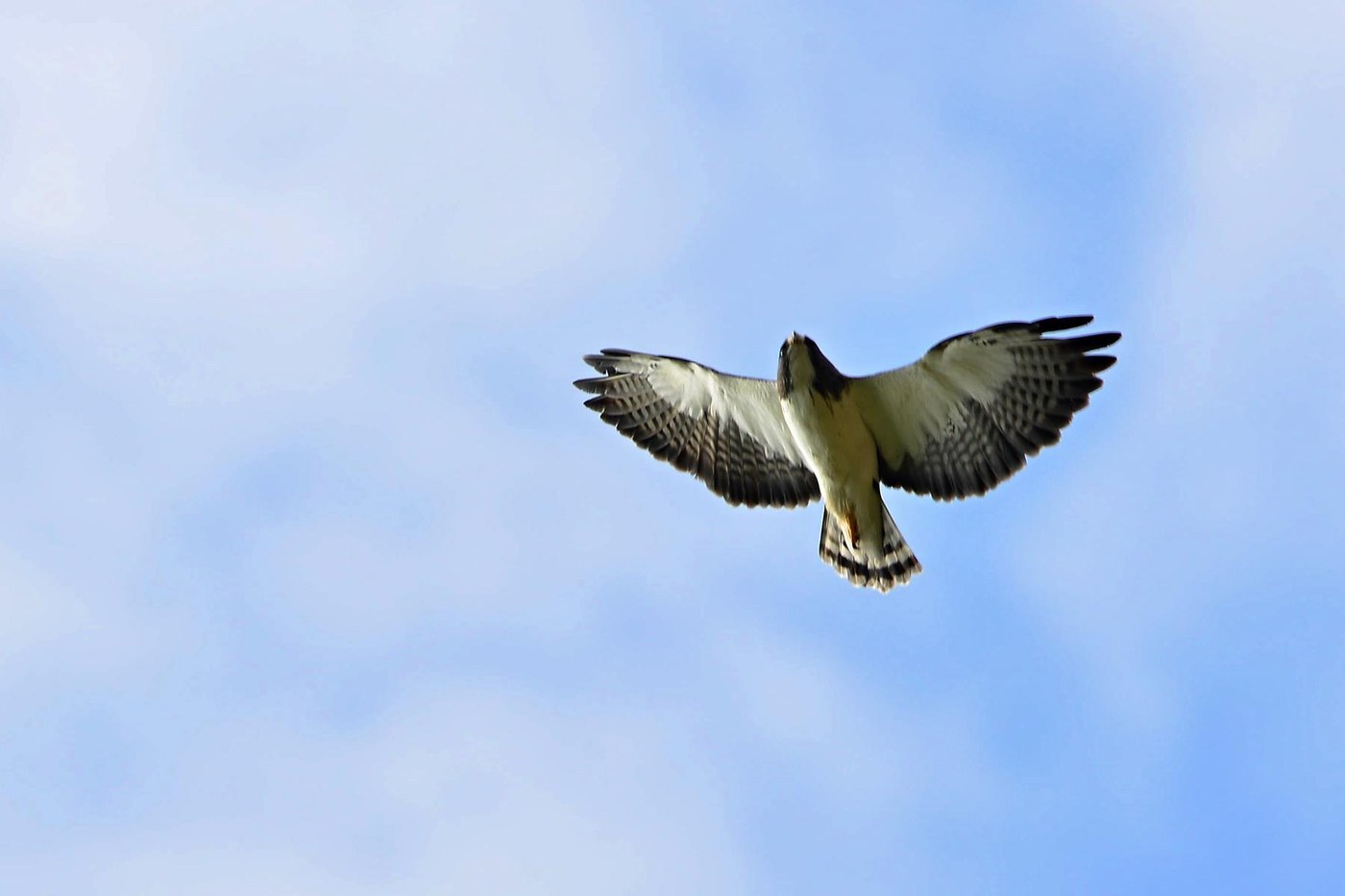
Short-tailed Hawk
Buteo brachyurus
A compact tropical buteo, found in Florida in both dark and light color forms, that hunts songbirds from high overhead.
- Size
- 40-44 cm (16-17 in) long, 94-102 cm (37-40 in) wingspan
- Habitat
- forest edges, wooded wetlands, and adjacent open country
- Type
- raptor
Spotted a bird like this?
Identify any bird from a photo, free.
Overview
The Short-tailed Hawk is a small, compact buteo that occurs in two distinct color morphs: a dark morph that is nearly all sooty-black except for pale flight feathers, and a light morph with a dark hood, white underparts, and a clean white breast that contrasts with the dark head, giving it a hooded appearance. Both morphs share a relatively short, narrow tail and a stocky, broad-winged shape typical of buteos.
In the United States it reaches the northern edge of its range in peninsular Florida, where it is an uncommon but sought-after find, typically seen soaring at great height over forest and wetland edges.
How to identify it
Key Field Marks
- Dark morph: uniformly blackish-brown body and underwing coverts with contrastingly pale flight feathers
- Light morph: dark brown hood sharply demarcated from white throat and underparts
- Relatively short tail and stocky buteo shape
- Frequently soars very high, often kiting briefly before stooping on prey
Similar Species
- Broad-winged Hawk (dark morph): similar dark plumage but typically shows more barring on the tail and different underwing pattern; ranges overlap only in migration/winter.
- Swainson's Hawk (dark morph): larger, with longer, more pointed wings and a different flight silhouette, mostly found in open plains rather than Florida forest edges.
Habitat & range
Range
In North America, Short-tailed Hawks are found in peninsular Florida, at the northern limit of a range that extends through Mexico, Central America, and much of South America.
Habitat
They favor a mosaic of forest edges, wooded wetlands, and adjacent open savanna or pasture, hunting from high soaring flight over the transition zones between woodland and open habitat.
Behavior & voice
Hunting
Short-tailed Hawks hunt mostly from great height, soaring or briefly hovering before folding into a rapid stoop to catch small birds in the air or on the ground, a technique that sets them apart from many other buteos that hunt from a perch.
Voice
The call is a thin, high-pitched whistle, typically given near the nest and less often heard than in some other hawks.
Nesting
Nests are built high in tall trees near the forest edge, often difficult to observe due to the species' preference for very tall soaring and nesting sites. Clutches usually contain one to three eggs.
Frequently asked questions
What are the two color forms of the Short-tailed Hawk?
A dark morph that is almost entirely blackish-brown, and a light morph with a dark hooded head contrasting sharply against white underparts.
Where can Short-tailed Hawks be seen in the United States?
They occur only in peninsular Florida within the U.S., at the northern edge of a range extending through Mexico, Central America, and South America.
How do Short-tailed Hawks hunt?
They typically soar very high above forest edges and open country, then stoop rapidly to catch small birds.
Short-tailed Hawk guides
In-depth guides for identifying, finding, and understanding Short-tailed Hawk.
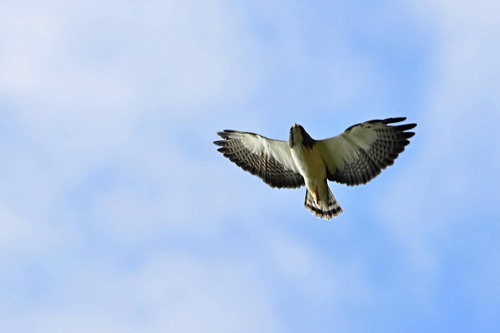
Other birds you may enjoy
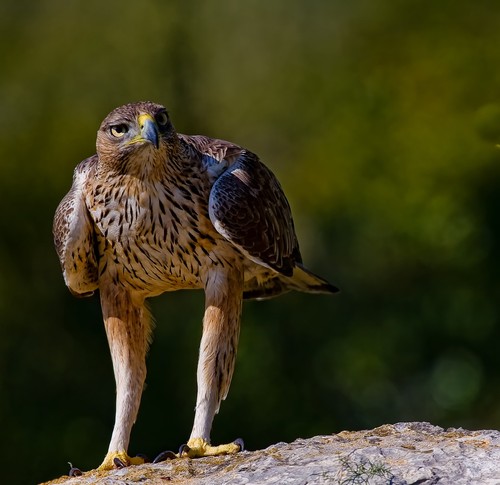
Bonelli's Eagle
Body 65–72 cm (26–28 in); wingspan 150–180 cm (59–71 in)
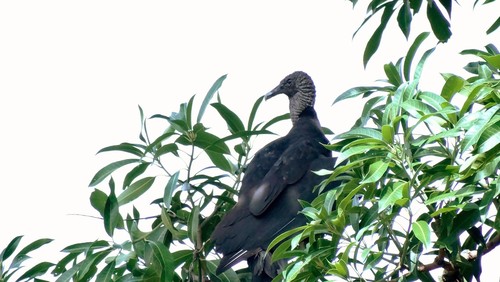
Black Vulture
56-68 cm (22-27 in) long, 137-165 cm wingspan
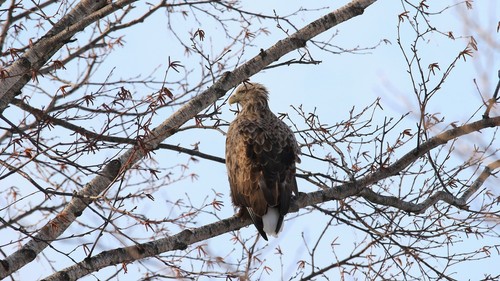
White-tailed Eagle
66-94 cm body length; wingspan 178-245 cm, among the largest eagles in the world
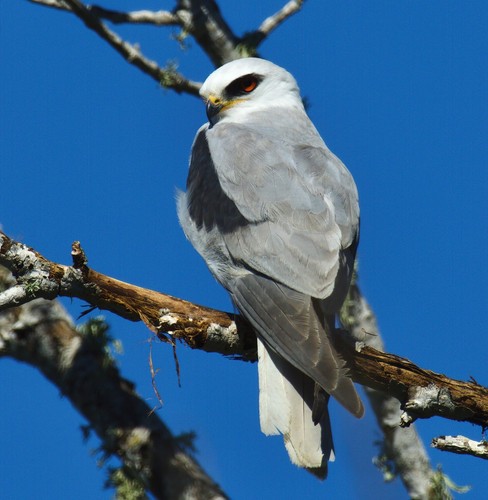
White-tailed Kite
35-43 cm (14-17 in) long, 88-102 cm (35-40 in) wingspan
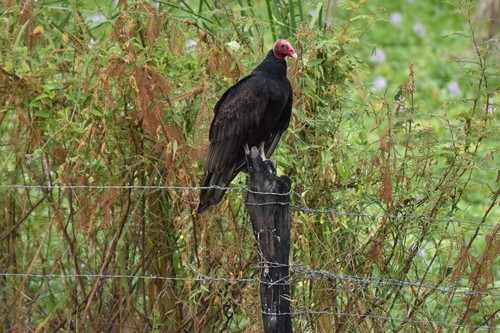
Turkey Vulture
64-81 cm (25-32 in) long, 160-183 cm wingspan
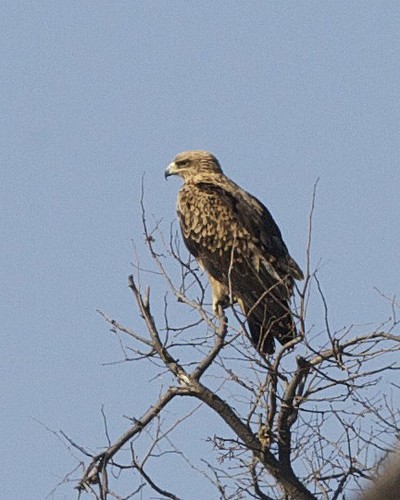
Tawny Eagle
62–75 cm long; wingspan 1.65–2.0 m
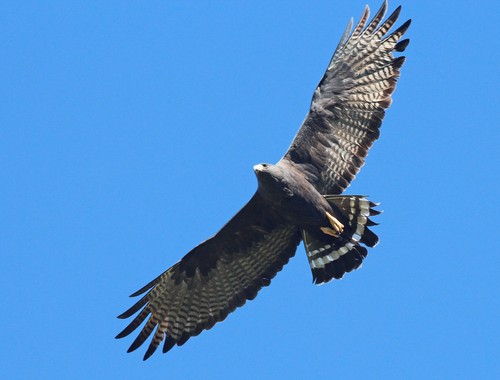
Zone-tailed Hawk
46-56 cm (18-22 in) long, 118-140 cm (46-55 in) wingspan
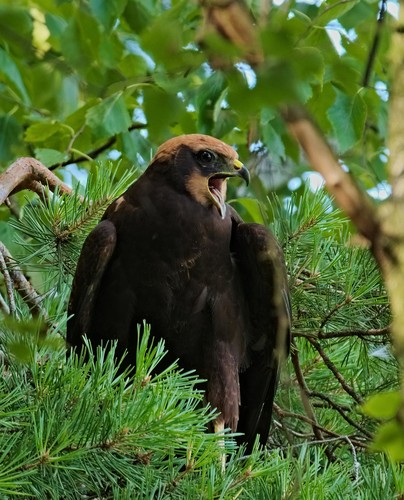
Western Marsh Harrier
Body 43-56 cm; wingspan 115-140 cm
Swallow-tailed Kite
48-68 cm (19-27 in) long including tail streamers, 112-136 cm (44-54 in) wingspan
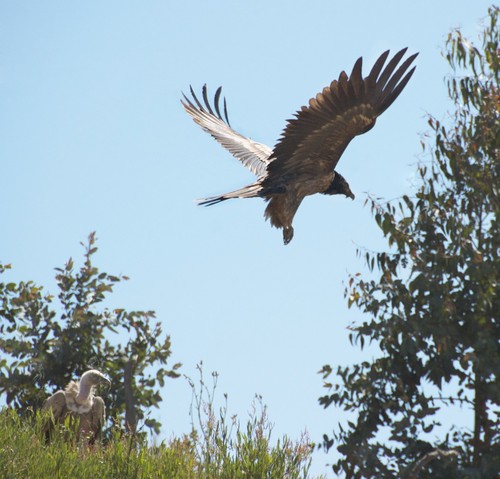
White-backed Vulture
78-98 cm long, wingspan 1.96-2.25 m
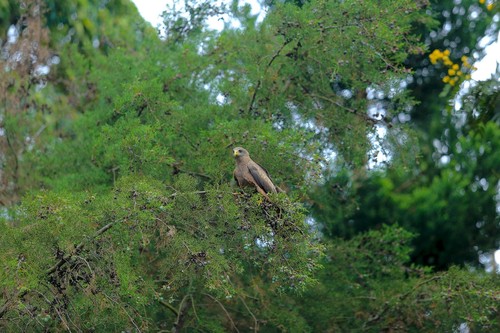
Yellow-billed Kite
55-60 cm long; wingspan 130-155 cm
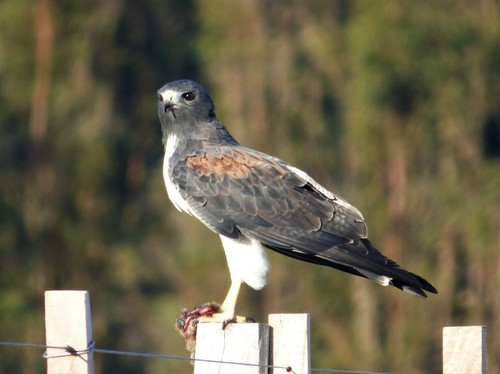
White-tailed Hawk
46-59 cm (18-23 in) long, 122-142 cm (48-56 in) wingspan