
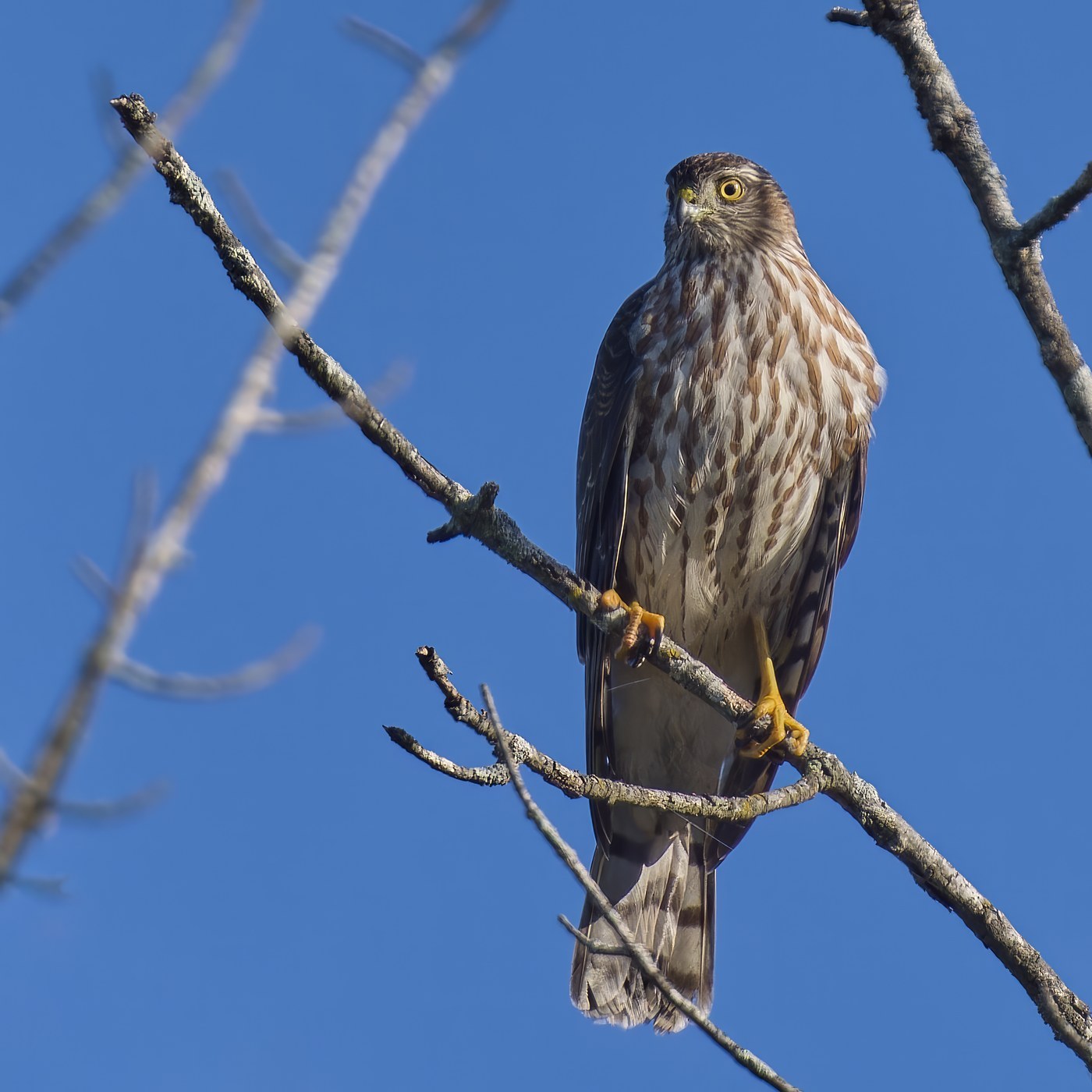
Sharp-shinned Hawk
Accipiter striatus
North America's smallest accipiter, a compact, forest-dwelling hawk built for quick, agile pursuit of small songbirds.
- Size
- 24-35 cm (9.4-13.8 in) long, 42-58 cm (17-23 in) wingspan
- Habitat
- dense forests and woodlands, foraging near forest edges and feeders in migration/winter
- Type
- raptor
Spotted a bird like this?
Identify any bird from a photo, free.
Overview
The Sharp-shinned Hawk is the smallest and most agile of North America's forest hawks (accipiters), built for high-speed chases through dense tree cover in pursuit of small birds. Adults have a blue-gray back, finely rufous-barred underparts, and red eyes; juveniles are brown above with sharp brown streaking below and yellow eyes.
Females are notably larger than males, a pronounced size difference (reversed sexual dimorphism) typical of hawks that hunt agile prey, allowing the sexes to specialize on slightly different prey sizes.
How to identify it
Key field marks
- Small size with a tiny, rounded head that barely projects past the wrist in flight
- Squared or slightly notched tail tip
- Adult: blue-gray back, fine rufous barring below, red eyes
- Juvenile: brown above, streaky brown below, yellow eyes
- Quick, snappy wingbeats interspersed with short glides
Similar species
Cooper's Hawk is larger with a proportionally bigger, more blocky head that projects noticeably past the wrists in flight, a rounded tail tip with a broader white terminal band, and slower, more powerful wingbeats. Merlin is stockier with pointed wings and a different flight style, more falcon-like than accipiter-like.
Habitat & range
Habitat
Breeds in dense coniferous and mixed forest, often at higher elevations or in northern latitudes; during migration and winter, ranges more broadly into woodland edges, parks, and suburban yards with bird feeders.
Range
Breeds across Canada, the northern and mountainous United States, and parts of Mexico and Central America. Northern populations are strongly migratory, moving south in large numbers each fall, often concentrated at well-known hawk-watch sites along mountain ridges and coastlines.
Behavior & voice
Behavior
A stealth hunter, the Sharp-shinned Hawk uses dense cover to surprise small birds, launching sudden, agile chases through branches and thickets, and will readily ambush birds visiting feeders.
Voice
Gives a rapid, high-pitched "kik-kik-kik-kik" near the nest, generally quiet elsewhere.
Feeding and nesting
Diet is dominated by small songbirds such as sparrows and warblers, occasionally supplemented with small mammals and insects. Builds a stick nest well hidden in a dense conifer, typically close to the trunk.
Frequently asked questions
Is a Sharp-shinned Hawk dangerous to backyard birds?
It does prey on small songbirds and will hunt near feeders, but this is normal natural predation and not a reason to stop feeding birds; feeder-watching hawks are simply taking advantage of concentrated prey.
How big is a Sharp-shinned Hawk compared to a Cooper's Hawk?
Sharp-shinned Hawk is noticeably smaller with a tinier head and squared tail tip, while Cooper's Hawk is larger with a blockier head and rounded tail; female Sharp-shinned Hawks can approach the size of small male Cooper's Hawks, adding to the identification challenge.
What do Sharp-shinned Hawks eat?
Mostly small songbirds, caught in fast, agile chases through dense cover.
Where do Sharp-shinned Hawks migrate?
Northern breeders migrate south in large numbers each fall, often funneling along mountain ridges and coastlines that are famous hawk-watching sites.
Why are female Sharp-shinned Hawks larger than males?
Like many bird-hunting raptors, Sharp-shinned Hawks show reversed sexual dimorphism, with females noticeably larger than males, which may reduce competition between the sexes by allowing them to target different prey sizes.
Sharp-shinned Hawk guides
In-depth guides for identifying, finding, and understanding Sharp-shinned Hawk.
Other birds you may enjoy
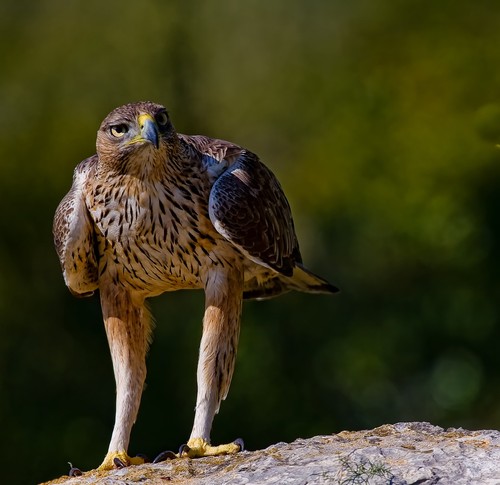
Bonelli's Eagle
Body 65–72 cm (26–28 in); wingspan 150–180 cm (59–71 in)
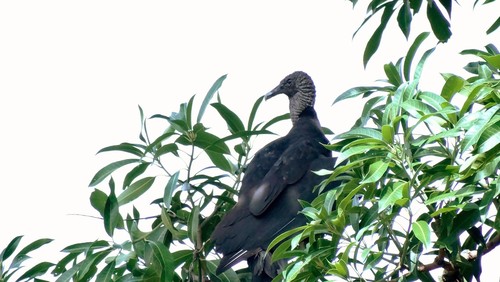
Black Vulture
56-68 cm (22-27 in) long, 137-165 cm wingspan
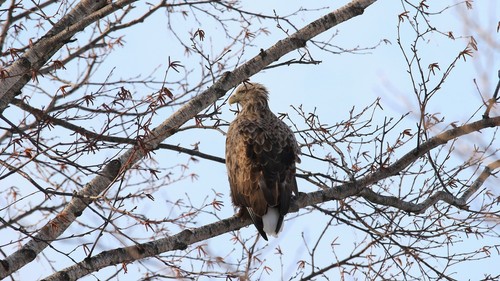
White-tailed Eagle
66-94 cm body length; wingspan 178-245 cm, among the largest eagles in the world
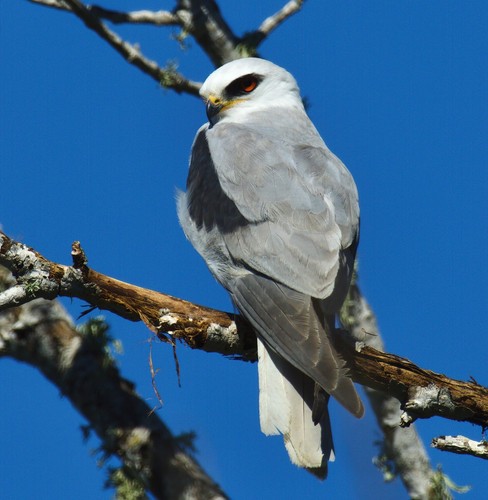
White-tailed Kite
35-43 cm (14-17 in) long, 88-102 cm (35-40 in) wingspan
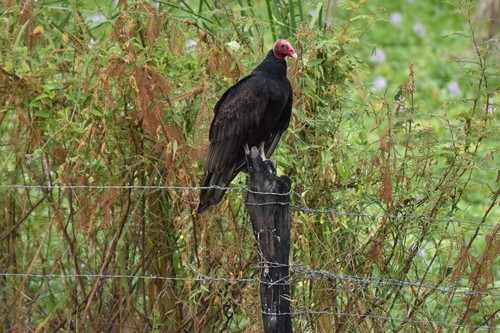
Turkey Vulture
64-81 cm (25-32 in) long, 160-183 cm wingspan
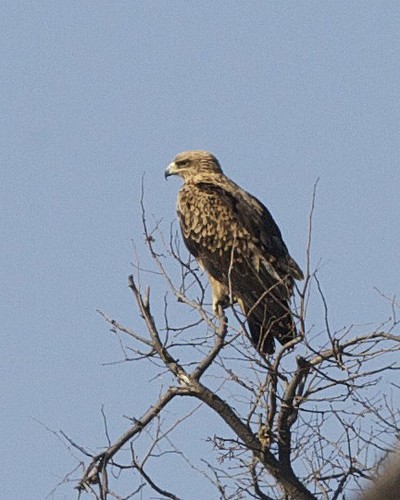
Tawny Eagle
62–75 cm long; wingspan 1.65–2.0 m
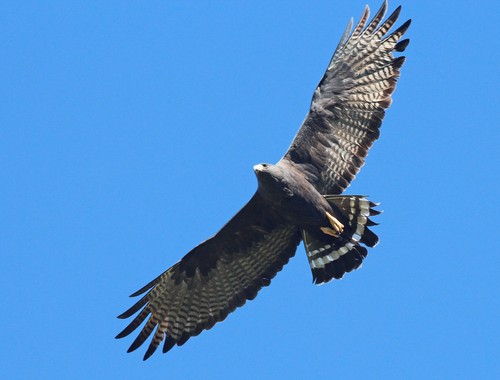
Zone-tailed Hawk
46-56 cm (18-22 in) long, 118-140 cm (46-55 in) wingspan
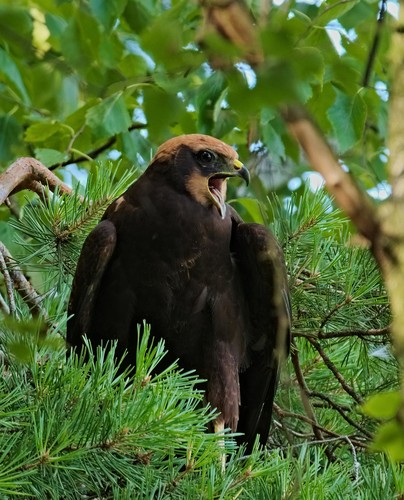
Western Marsh Harrier
Body 43-56 cm; wingspan 115-140 cm
Swallow-tailed Kite
48-68 cm (19-27 in) long including tail streamers, 112-136 cm (44-54 in) wingspan
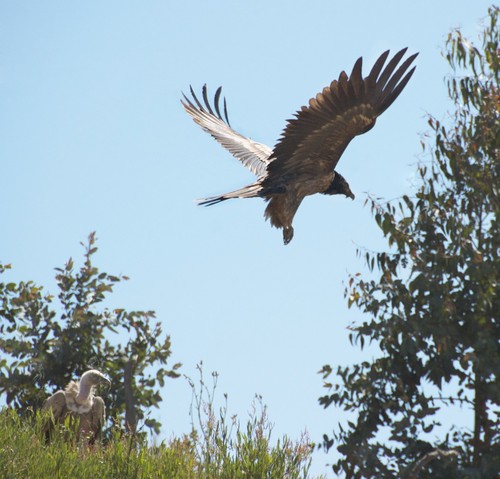
White-backed Vulture
78-98 cm long, wingspan 1.96-2.25 m
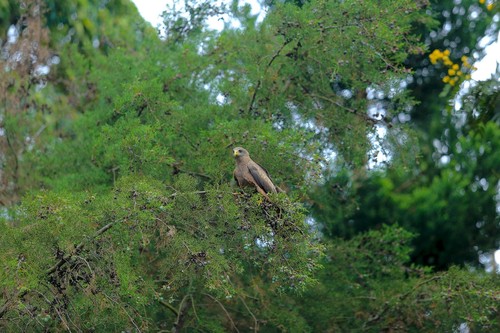
Yellow-billed Kite
55-60 cm long; wingspan 130-155 cm
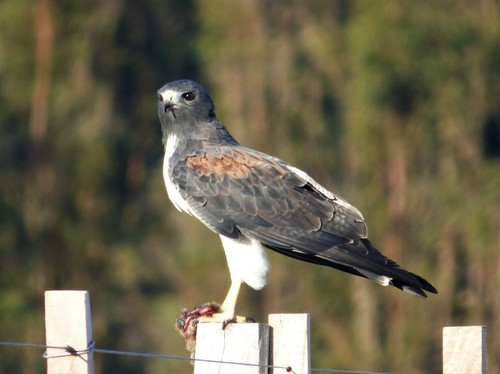
White-tailed Hawk
46-59 cm (18-23 in) long, 122-142 cm (48-56 in) wingspan