
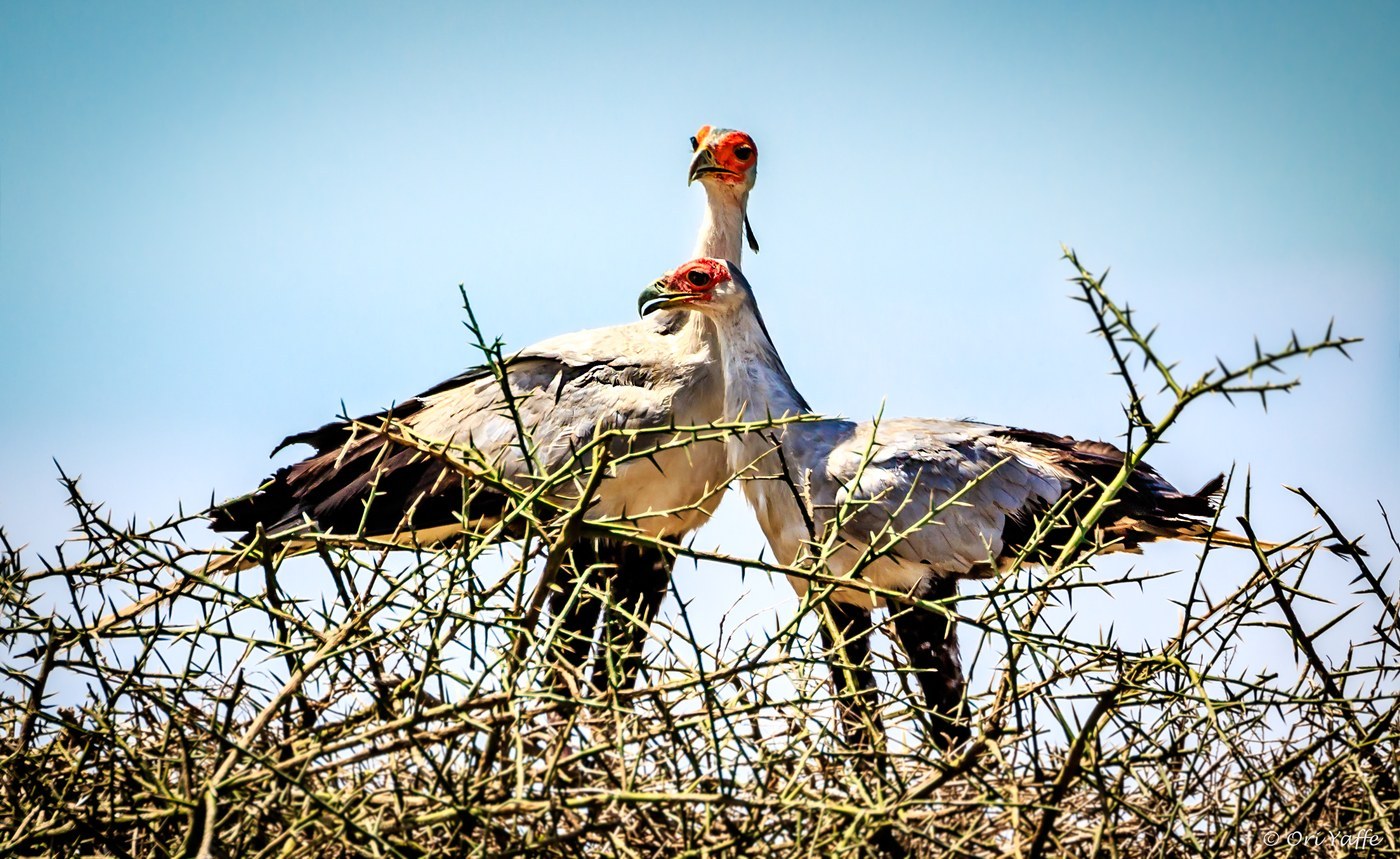
Secretarybird
Sagittarius serpentarius
A striking long-legged African raptor that hunts on foot across open grassland, famous for stomping venomous snakes to death.
- Size
- Stands about 1.3 m tall, length 90-130 cm, wingspan around 2 m
- Habitat
- African grassland and savanna
- Type
- raptor
Spotted a bird like this?
Identify any bird from a photo, free.
Overview
The Secretarybird is an unmistakable, large terrestrial bird of prey combining an eagle-like head and hooked bill with extraordinarily long, crane-like legs. Its body plumage is pale grey with black flight feathers and thighs, and it has a long tail with elongated central feathers.
A crown of long, black, quill-like feathers projects from the back of the head — the source of the species' name, said to resemble old-fashioned quill pens once tucked behind a clerk's or secretary's ear. Bare orange-red skin surrounds the eyes.
How to identify it
Key Field Marks
- Extremely long legs, unusual for any raptor
- Upright, crane- or stork-like standing posture
- Long black crest plumes at the back of the head
- Long tail with central feathers trailing beyond the legs in flight
Similar Species
There are no similar species — the Secretarybird is the only bird combining a raptor's head and bill with such long legs and largely terrestrial habits.
Habitat & range
Range
Found across sub-Saharan Africa, from Senegal to Somalia and south to South Africa.
Habitat
Open grassland, savanna, and lightly wooded plains; avoids dense forest and true desert.
Movements
Largely sedentary, though individuals may wander locally in response to food availability or fire conditions.
Behavior & voice
Feeding
Hunts mainly on foot, striding through grass to flush prey such as insects, small mammals, lizards, and snakes. Prey is typically killed with rapid, forceful stamping and kicking motions of its powerful feet — a behavior well documented even with venomous snakes.
Nesting and Breeding
Roosts and nests in flat-topped trees such as Acacia, building a large stick platform nest. Pairs are monogamous and typically lay one to three eggs.
Voice
Generally quiet away from the nest; gives deep croaking or guttural calls mainly around the nest site.
Flight
A strong flier with slow wingbeats and soaring flight, with the long legs trailing behind the tail.
Frequently asked questions
Why is it called a Secretarybird?
Its crest of long black feathers was thought to resemble quill pens tucked behind the ear of old-fashioned clerks or secretaries.
Does the Secretarybird really kill snakes by stomping?
Yes, it strikes prey, including venomous snakes, with rapid, powerful blows of its feet.
Can Secretarybirds fly?
Yes, although they hunt mostly on foot, they are strong fliers and roost and nest in trees.
Where do Secretarybirds live?
In open grasslands and savanna across sub-Saharan Africa.
Is the Secretarybird endangered?
Yes, it is listed as Endangered due to habitat loss and degradation of grassland habitat.
Secretarybird guides
In-depth guides for identifying, finding, and understanding Secretarybird.
Other birds you may enjoy
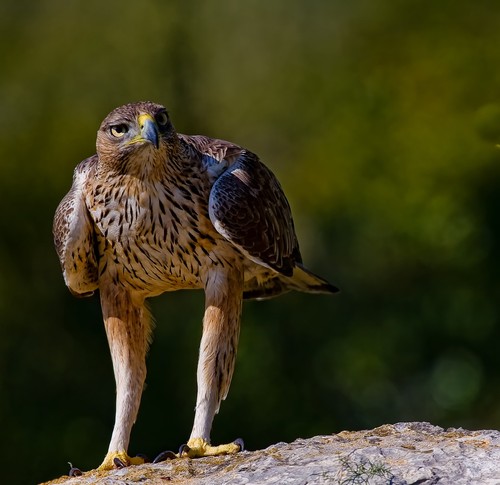
Bonelli's Eagle
Body 65–72 cm (26–28 in); wingspan 150–180 cm (59–71 in)
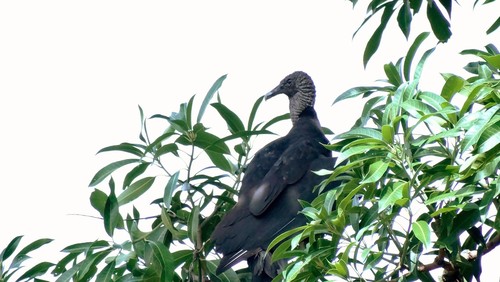
Black Vulture
56-68 cm (22-27 in) long, 137-165 cm wingspan
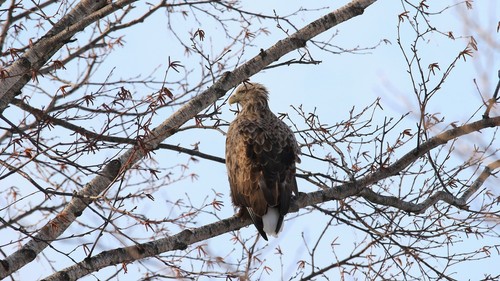
White-tailed Eagle
66-94 cm body length; wingspan 178-245 cm, among the largest eagles in the world
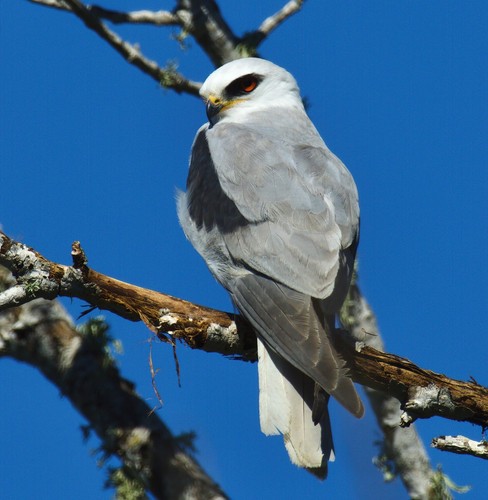
White-tailed Kite
35-43 cm (14-17 in) long, 88-102 cm (35-40 in) wingspan
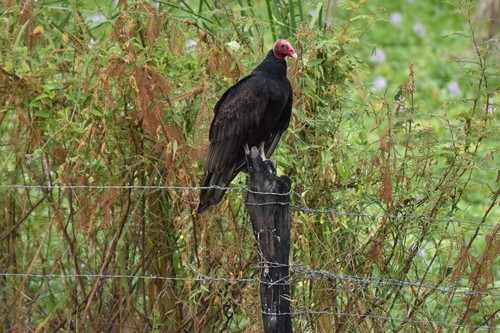
Turkey Vulture
64-81 cm (25-32 in) long, 160-183 cm wingspan
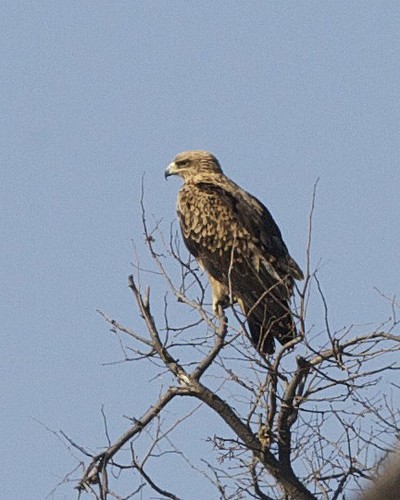
Tawny Eagle
62–75 cm long; wingspan 1.65–2.0 m
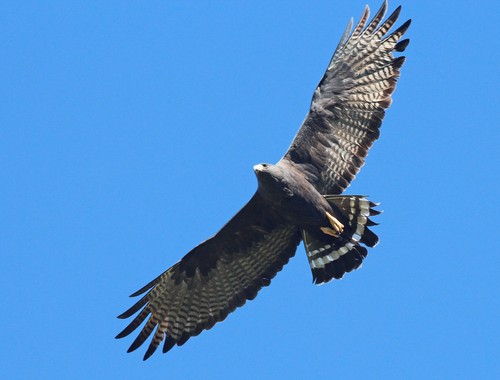
Zone-tailed Hawk
46-56 cm (18-22 in) long, 118-140 cm (46-55 in) wingspan
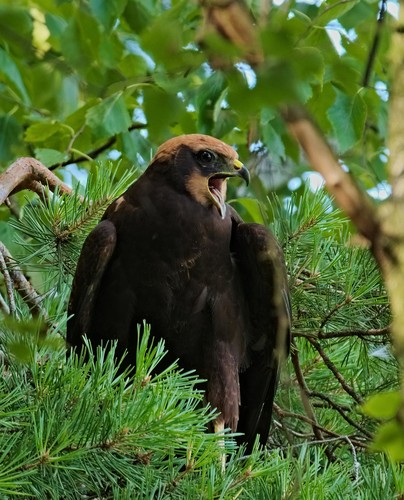
Western Marsh Harrier
Body 43-56 cm; wingspan 115-140 cm
Swallow-tailed Kite
48-68 cm (19-27 in) long including tail streamers, 112-136 cm (44-54 in) wingspan
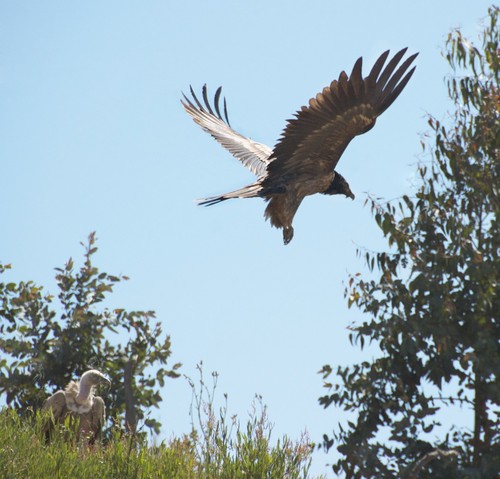
White-backed Vulture
78-98 cm long, wingspan 1.96-2.25 m
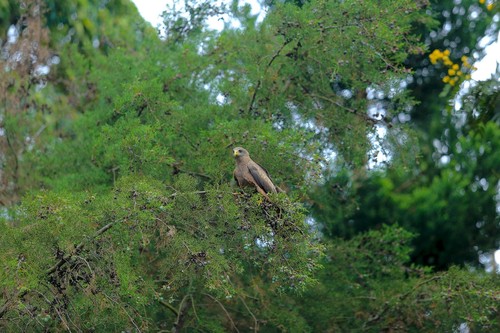
Yellow-billed Kite
55-60 cm long; wingspan 130-155 cm
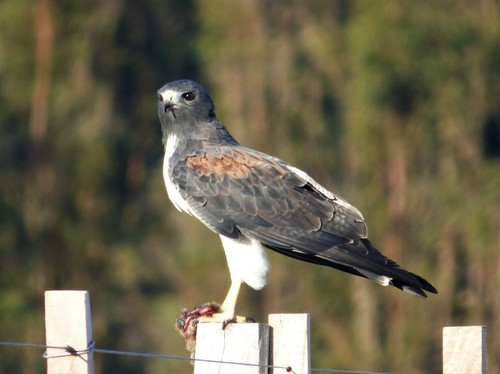
White-tailed Hawk
46-59 cm (18-23 in) long, 122-142 cm (48-56 in) wingspan