
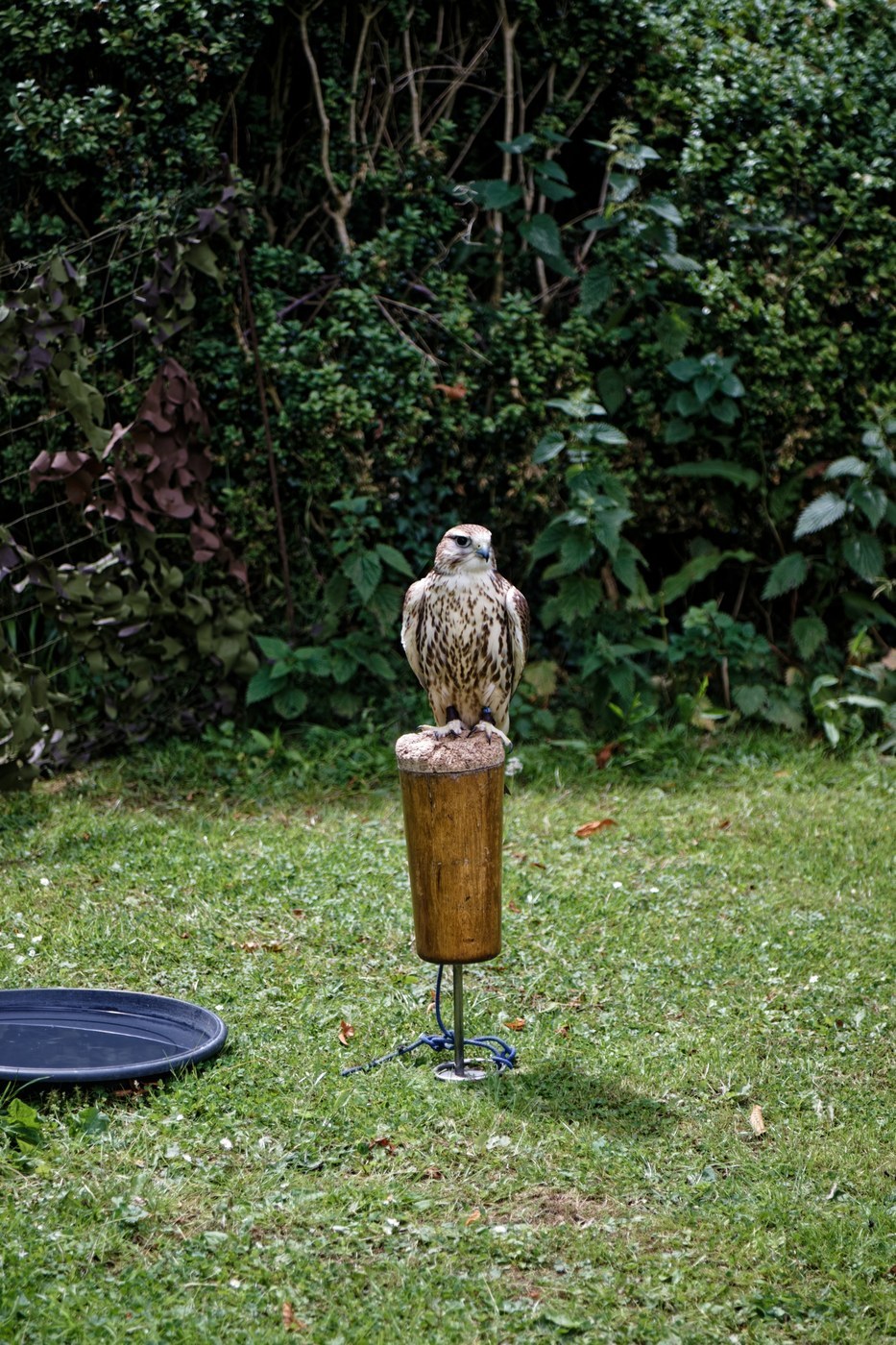
Saker Falcon
Falco cherrug
A large, powerful falcon of the Eurasian steppes known for hunting ground squirrels in open country.
- Size
- 45-57 cm long, wingspan 97-126 cm
- Habitat
- Open steppe, semi-desert, grassland and agricultural country
- Type
- raptor
Spotted a bird like this?
Identify any bird from a photo, free.
Overview
The Saker Falcon is one of the largest members of the genus Falco, rivaling the Gyrfalcon in bulk though with proportionally longer wings and tail. It has a broad, sturdy build built for pursuing prey low over open ground rather than the vertical stoop typical of the Peregrine Falcon.
Plumage is variable across its huge range, but most birds show a pale, sandy-brown to grey-brown back, a lightly streaked creamy-white underside, and a faintly marked head with a thin, indistinct moustachial stripe (much weaker than a Peregrine's). Juveniles are more heavily streaked below than adults and have bluish (rather than yellow) bare parts around the eye and legs.
How to identify it
Key field marks
- Large, broad-chested falcon with long, somewhat rounded wingtips compared to a Peregrine
- Pale sandy-brown upperparts contrasting with a paler head
- Underparts whitish with fine streaking, denser on the flanks
- Faint, narrow moustachial stripe (much less bold than Peregrine)
- Long tail, often barred
Similar species
- Peregrine Falcon: shorter, more pointed wings, slate-grey back, and a bold black moustache mark; hunts in fast stoops rather than low pursuit
- Lanner Falcon: smaller and more compact, with a rustier crown and stronger head pattern
- Gyrfalcon: bulkier still, found in Arctic regions with little range overlap; plumage tones colder grey or white rather than sandy
Habitat & range
Range
Breeds across the steppes and semi-deserts of Central Asia and Eastern Europe, from Hungary and the Balkans east through Russia, Kazakhstan, Mongolia, and western China.
Habitat
Favors open, treeless or sparsely wooded steppe, grassland, and agricultural land where it can hunt ground squirrels and other burrowing mammals. Often nests in old stick nests of other raptors or corvids on cliffs, pylons, or isolated trees.
Migration
Northern and Central Asian populations are migratory or partially migratory, wintering south into the Middle East, the Arabian Peninsula, and northeastern Africa. Southern populations may be resident.
Behavior & voice
Hunting
The Saker Falcon typically hunts by fast, low-level pursuit over open ground, targeting ground squirrels (sousliks), pikas, and other small mammals, as well as birds taken on the wing.
Voice
Gives a harsh, grating kyak-kyak-kyak alarm call near the nest, deeper and harsher than a Peregrine's, along with various chattering and wailing notes during the breeding season.
Nesting
Does not build its own nest, instead using old nests of other large birds (such as ravens, buzzards, or eagles) on cliff ledges, quarry faces, pylons, or trees. Typically lays 3-5 eggs.
Conservation
Populations have declined sharply due to habitat loss, poisoning, and illegal trapping, leading to its Endangered status on the IUCN Red List.
Frequently asked questions
How big is a Saker Falcon compared to a Peregrine?
The Saker is noticeably larger and bulkier than a Peregrine Falcon, with broader wings and a longer tail, though it lacks the Peregrine's bold facial mask.
What does a Saker Falcon eat?
It primarily hunts ground squirrels and other small mammals in open steppe habitat, supplementing its diet with birds.
Where do Saker Falcons live?
They breed across the steppes of Eastern Europe and Central Asia, wintering south into the Middle East and parts of Africa.
Why is the Saker Falcon endangered?
Sharp population declines stem from habitat degradation, poisoning of prey species, and illegal capture for falconry trade.
How can you tell a Saker Falcon from a Lanner Falcon?
Sakers are larger with a fainter moustachial stripe and sandier, less rufous head coloring than the more compact, rusty-crowned Lanner.
Saker Falcon guides
In-depth guides for identifying, finding, and understanding Saker Falcon.
Other birds you may enjoy
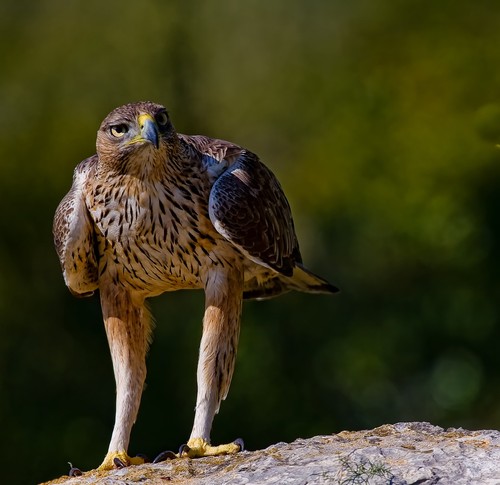
Bonelli's Eagle
Body 65–72 cm (26–28 in); wingspan 150–180 cm (59–71 in)
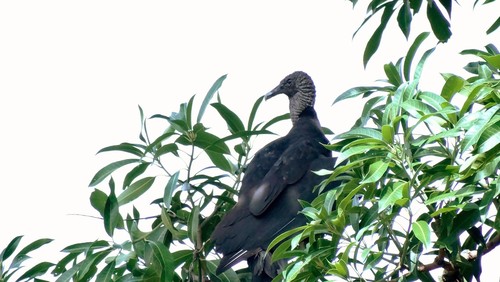
Black Vulture
56-68 cm (22-27 in) long, 137-165 cm wingspan
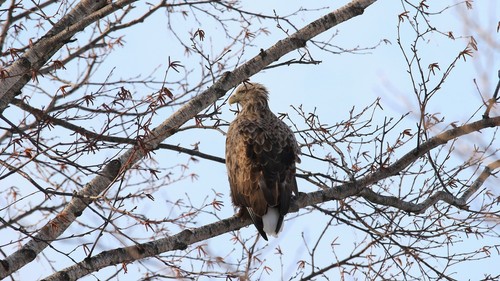
White-tailed Eagle
66-94 cm body length; wingspan 178-245 cm, among the largest eagles in the world
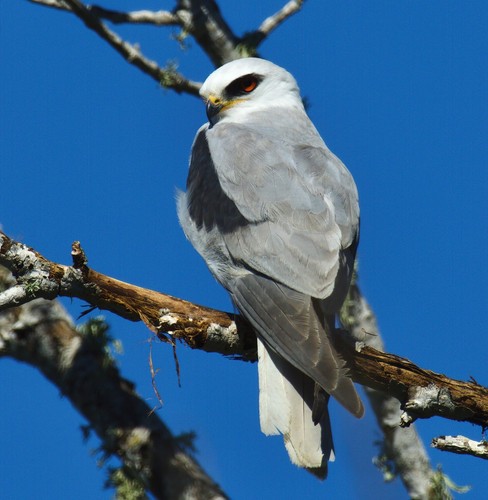
White-tailed Kite
35-43 cm (14-17 in) long, 88-102 cm (35-40 in) wingspan
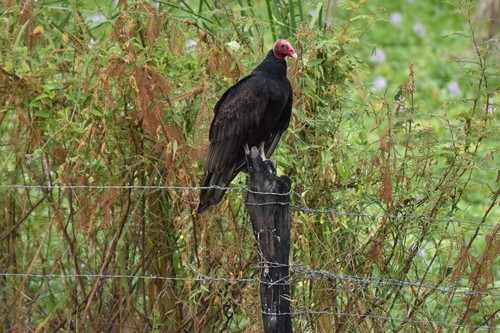
Turkey Vulture
64-81 cm (25-32 in) long, 160-183 cm wingspan
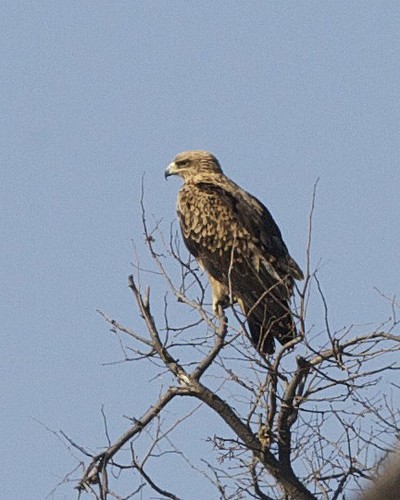
Tawny Eagle
62–75 cm long; wingspan 1.65–2.0 m
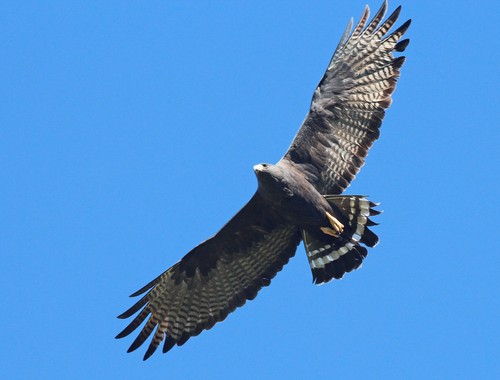
Zone-tailed Hawk
46-56 cm (18-22 in) long, 118-140 cm (46-55 in) wingspan
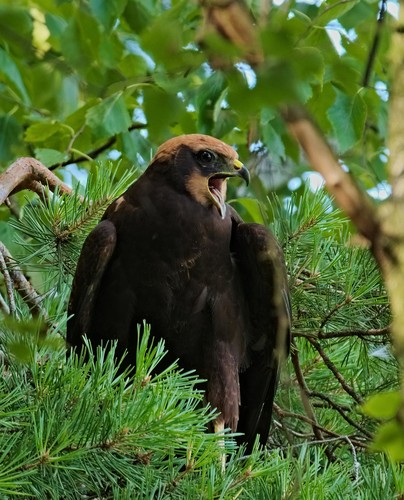
Western Marsh Harrier
Body 43-56 cm; wingspan 115-140 cm
Swallow-tailed Kite
48-68 cm (19-27 in) long including tail streamers, 112-136 cm (44-54 in) wingspan
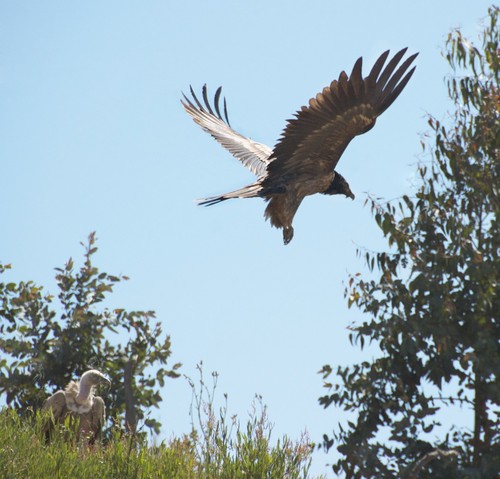
White-backed Vulture
78-98 cm long, wingspan 1.96-2.25 m
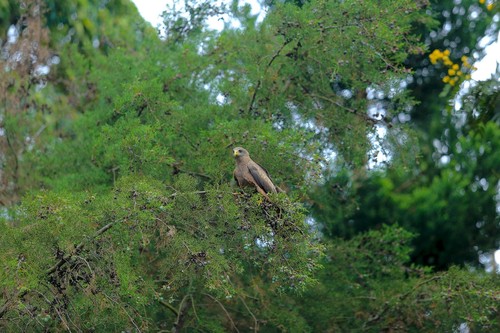
Yellow-billed Kite
55-60 cm long; wingspan 130-155 cm
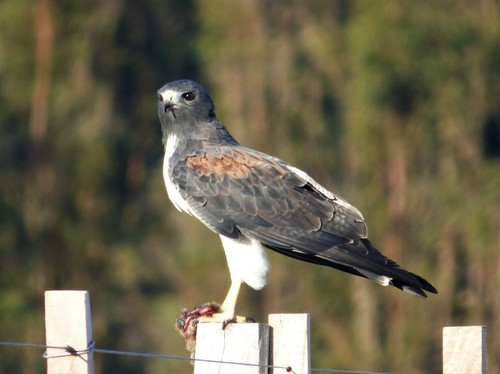
White-tailed Hawk
46-59 cm (18-23 in) long, 122-142 cm (48-56 in) wingspan