
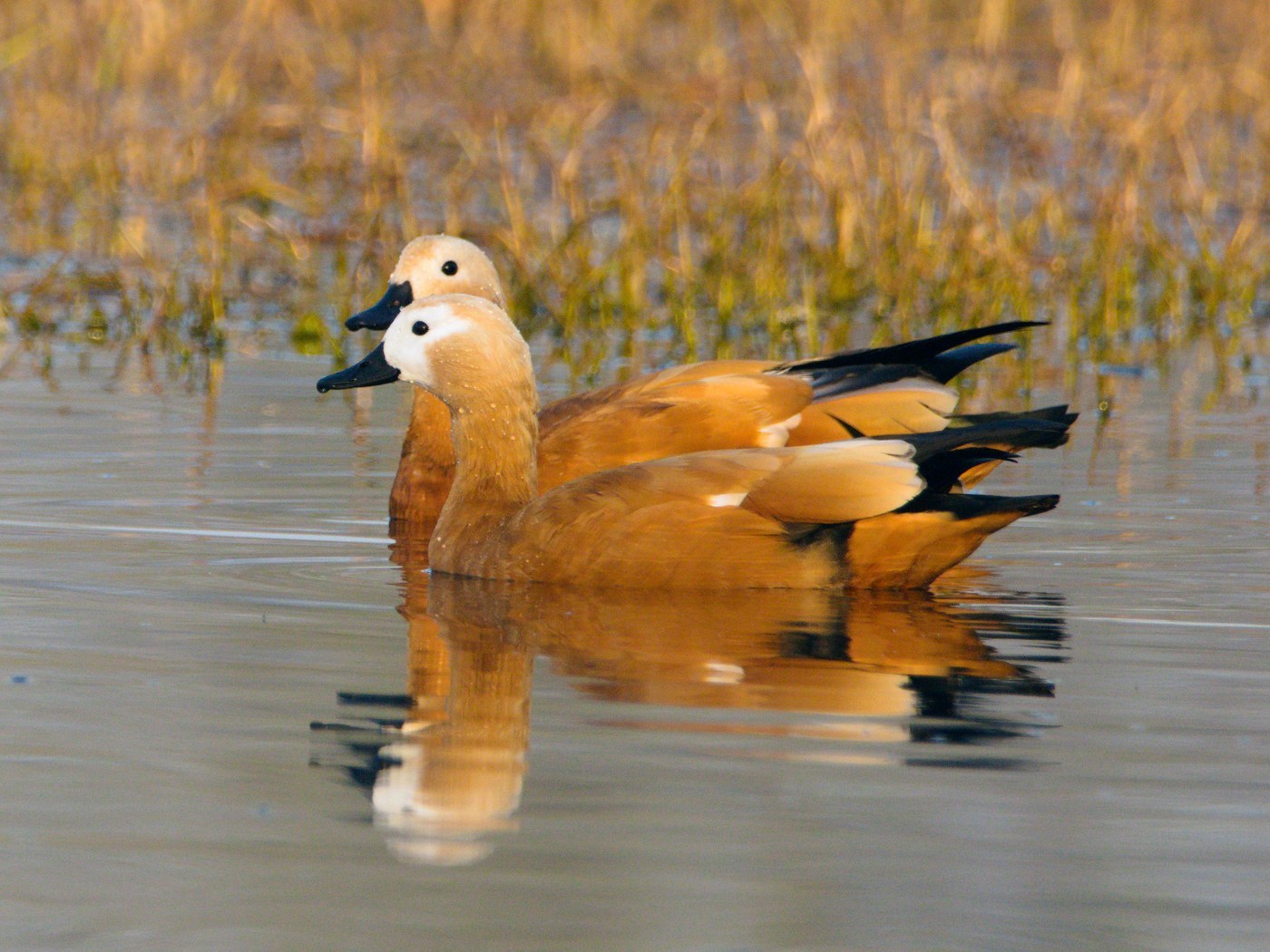
Ruddy Shelduck
Tadorna ferruginea
A warm orange-brown, goose-like duck with a pale head and dark tail, often seen in pairs on open wetlands.
- Size
- 58-70 cm (23-28 in) long, 110-135 cm wingspan
- Habitat
- open wetlands, lakes, rivers, steppe and high-altitude lakes
- Type
- waterfowl
Spotted a bird like this?
Identify any bird from a photo, free.
Overview
The Ruddy Shelduck is a warm orange-brown, goose-like duck with a paler, buffy head and a dark tail and flight feathers that contrast against the body in flight. Breeding males develop a thin black neck ring, while females typically show a paler face than males. In flight, both sexes reveal a bold white patch on the upper wing coverts and a glossy green speculum, similar to the pattern found in the Common Shelduck.
Widespread from southeastern Europe through Central Asia to China, the Ruddy Shelduck often occurs in pairs or small groups on open wetlands, lakes, and rivers, sometimes far from the coast.
How to identify it
Key field marks
- Overall warm orange-cinnamon body color with a paler, creamy head
- Dark tail and flight feathers contrasting with the body
- White upperwing patch and glossy green speculum visible in flight
- Breeding males show a thin black neck ring, absent or faint in females
Similar species
The Common Shelduck has a white body with a chestnut breast band and a green head, entirely different from the uniformly orange-brown Ruddy Shelduck. The Egyptian Goose shares a similar orange-brown tone but has a distinctive dark eye patch and pinkish legs, and a different overall shape.
Habitat & range
Ruddy Shelducks breed across a broad swath of Eurasia from southeastern Europe and North Africa through Central Asia to Mongolia and China, using open wetlands, steppe lakes, rivers, and even high-altitude lakes. Many populations migrate to lower-elevation lakes, rivers, and wetlands in South Asia and parts of Africa for the winter, and feral or introduced populations occur in parts of Europe.
Behavior & voice
Behavior
Ruddy Shelducks are usually seen in pairs or small family groups, often quite wary, and are strong fliers capable of crossing high mountain passes during migration.
Voice
Both sexes give loud, honking calls; a repeated, nasal 'aakh' or trumpeting note is often heard, especially in flight.
Feeding
Aquatic plants, grasses, seeds, and small invertebrates, obtained by grazing on land and dabbling in shallow water.
Nesting
Nests in burrows, cliff crevices, tree cavities, or even ruins and buildings, sometimes far from water; clutches typically number 6-12 eggs.
Frequently asked questions
How do you identify a Ruddy Shelduck?
Look for its overall warm orange-brown body, paler creamy head, and dark tail and flight feathers, plus a bold white wing patch visible in flight.
Do Ruddy Shelducks migrate over mountains?
Yes, some populations are known to cross high mountain ranges, including areas near the Himalayas, during migration.
What do Ruddy Shelducks eat?
Aquatic plants, grasses, seeds, and small invertebrates, gathered by grazing and dabbling.
Where do Ruddy Shelducks nest?
In burrows, cliff crevices, tree hollows, or even old buildings and ruins, often well away from water.
Ruddy Shelduck guides
In-depth guides for identifying, finding, and understanding Ruddy Shelduck.
Other birds you may enjoy
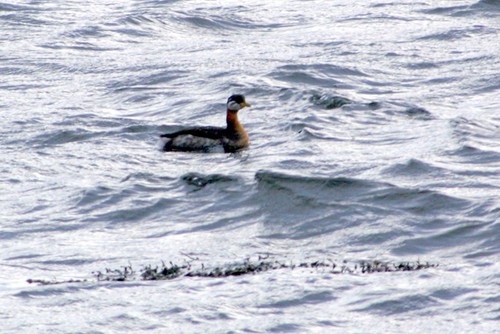
Red-necked Grebe
40-55 cm (16-22 in) long, 77-85 cm wingspan
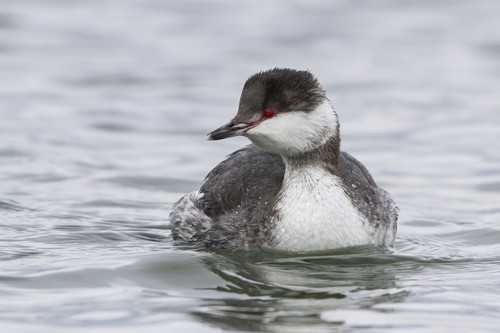
Horned Grebe
31-38 cm (12-15 in) long, 46-55 cm wingspan
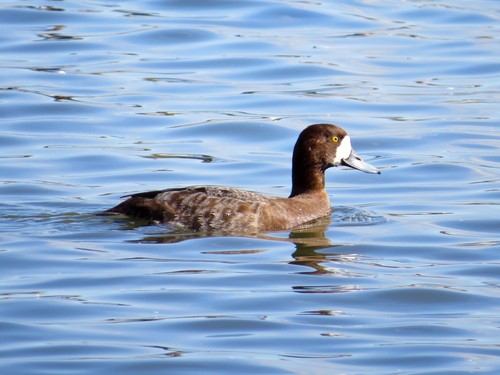
Greater Scaup
42-51 cm (16.5-20 in) long, 71-84 cm wingspan
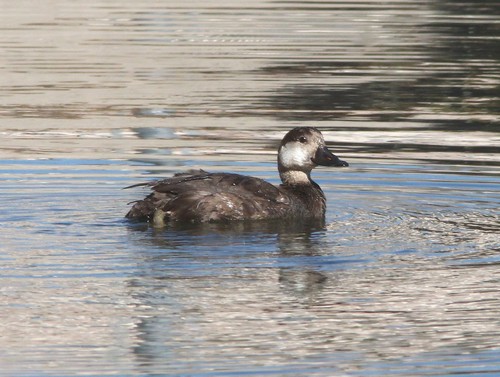
Black Scoter
43-54 cm (17-21 in) long, 79-90 cm wingspan
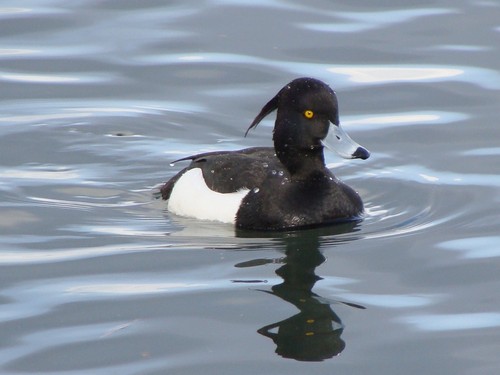
Tufted Duck
40-47 cm (16-18.5 in) long, 67-73 cm wingspan
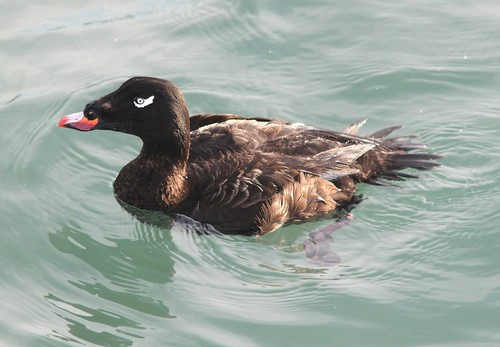
White-winged Scoter
48-58 cm (19-23 in) long, 86-99 cm wingspan
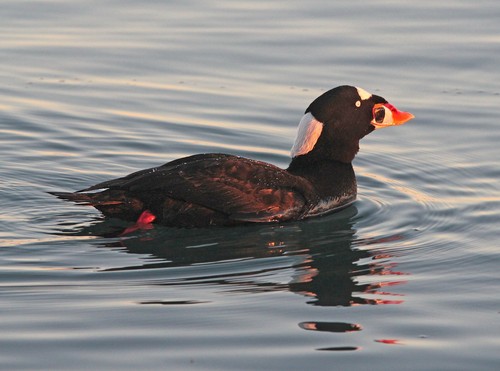
Surf Scoter
45-56 cm (18-22 in) long, 78-92 cm wingspan
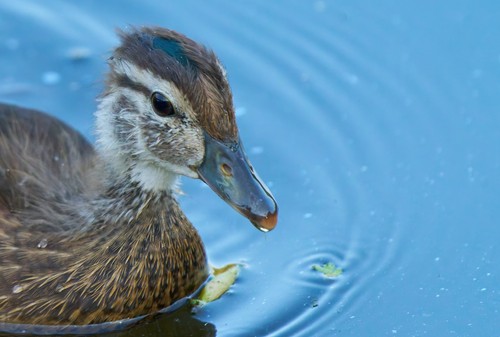
Wood Duck
47-54 cm (18.5-21 in) long, 66-73 cm wingspan
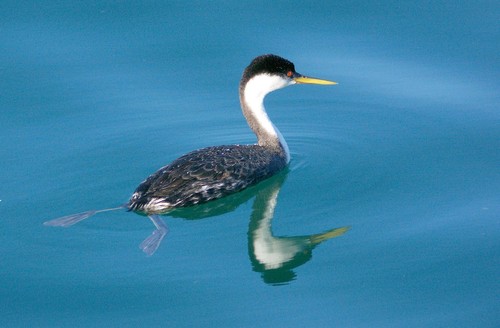
Western Grebe
56-74 cm (22-29 in) long, 79-102 cm wingspan
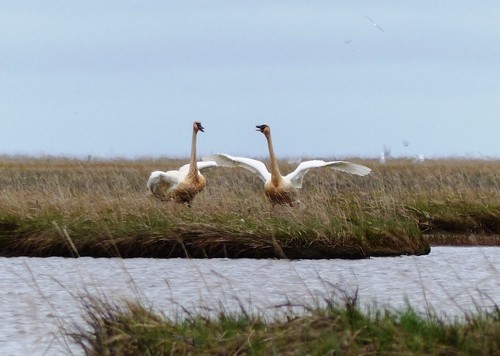
Tundra Swan
115-150 cm (45-59 in) long, about 180 cm wingspan
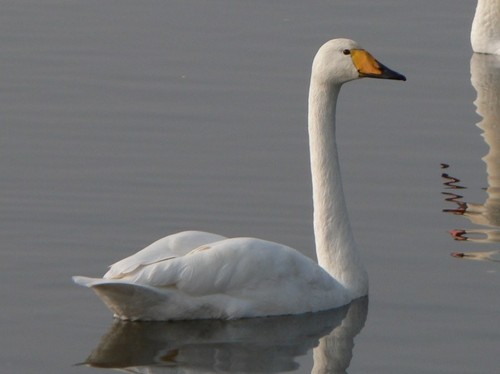
Whooper Swan
140-165 cm (55-65 in) long, 205-235 cm wingspan
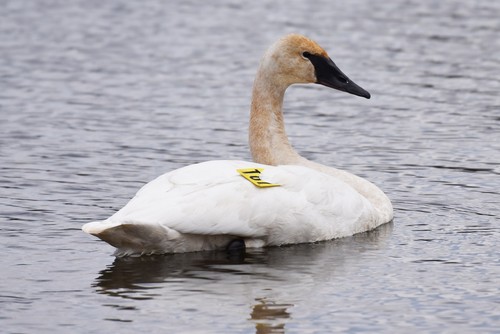
Trumpeter Swan
150-180 cm (59-71 in) long, up to 300 cm wingspan