
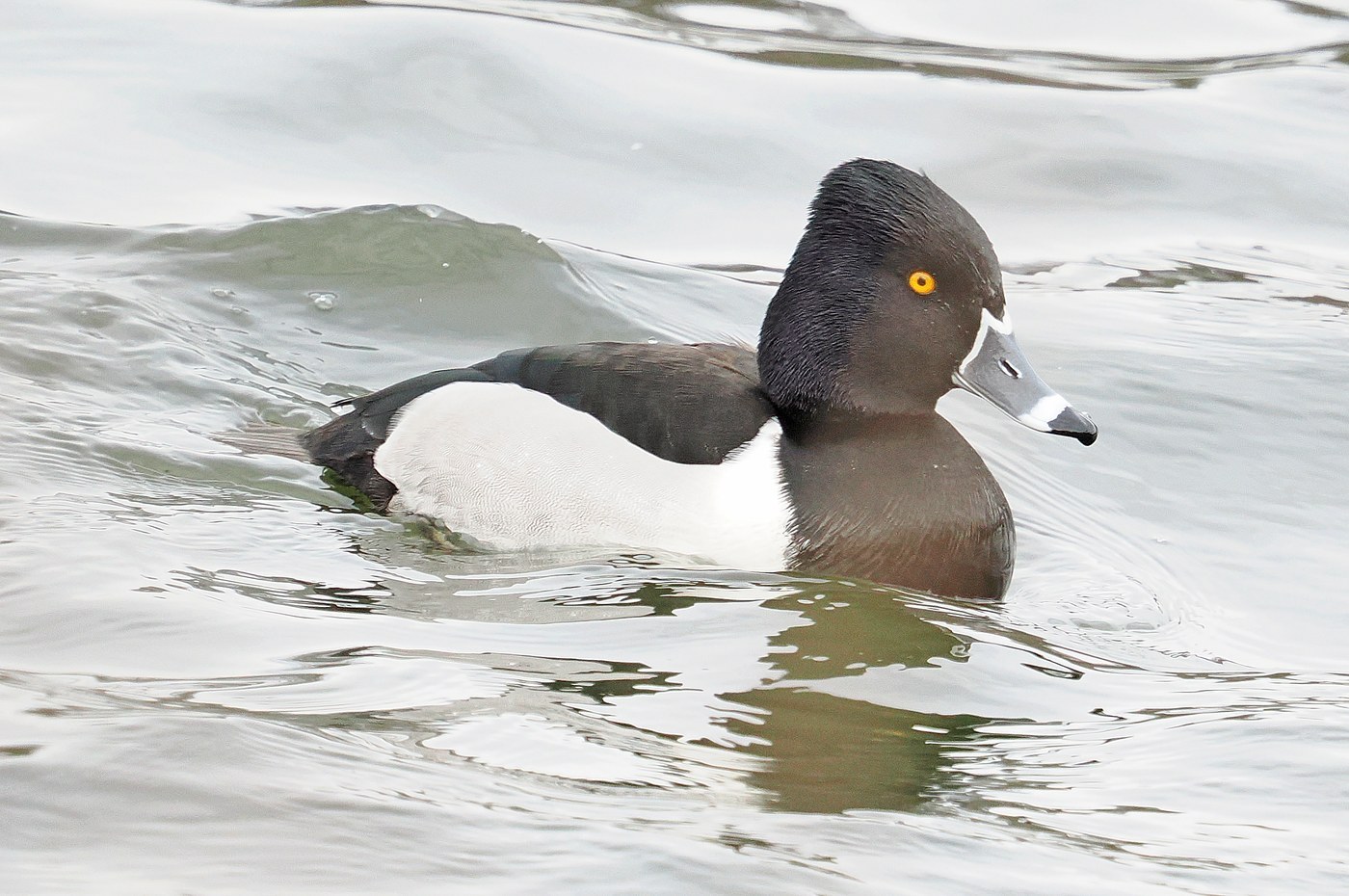
Ring-necked Duck
Aythya collaris
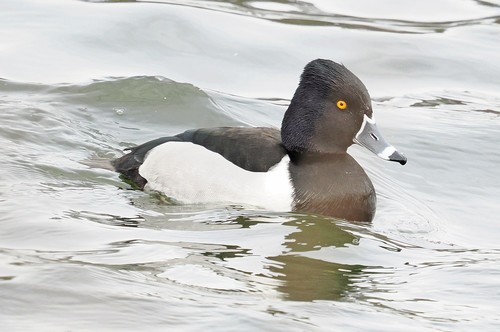
A compact diving duck best identified by the bold white ring on its bill rather than its subtle chestnut neck collar, along with a peaked head shape.
- Size
- 39-46 cm (15-18 in) long, 62-70 cm wingspan
- Habitat
- wooded ponds, marshes, and small lakes across North America
- Type
- waterfowl
Spotted a bird like this?
Identify any bird from a photo, free.
Overview
The Ring-necked Duck is a medium-sized diving duck named for a thin chestnut collar around the neck of the breeding drake — a feature so subtle it is rarely visible in the field, making the species' common name somewhat misleading. Far more useful for identification is the bold white ring encircling the bill near the tip, along with a distinct peaked or angular crown shape.
The breeding drake shows a glossy black head, back, and breast, contrasting with pale gray flanks marked by a vertical white spur in front of the wing. Females are grayish-brown with a paler face and the same distinctive peaked head shape and ringed bill pattern (though less bold than the male's).
How to identify it
Key Field Marks
- Peaked or angular crown shape, giving the head a triangular profile
- Bold white ring near the tip of the bill, plus a thinner white ring at the bill base
- Breeding drake: glossy black head, back, and breast; pale gray flanks with a white vertical spur near the wing
- Female: grayish-brown with a pale face, white eye-ring, and peaked head
Similar Species
Scaup species have a rounder head shape and lack the bold white bill ring; the Ring-necked Duck's peaked crown and prominent bill ring are the most reliable distinguishing features. The vertical white spur on the drake's flank in front of the folded wing is also distinctive.
Habitat & range
Ring-necked Ducks breed across the boreal forest and parkland regions of Canada and the northern United States, favoring shallow, acidic, vegetated ponds, bogs, and small lakes, often surrounded by woodland — more so than most other diving ducks, which tend to favor larger open water. They winter across the southern and coastal United States, Mexico, and Central America, on lakes, ponds, and marshes.
The species is a fairly common and widespread migrant and winter resident, often found on smaller water bodies than other diving ducks such as scaup.
Behavior & voice
Ring-necked Ducks dive to feed on aquatic vegetation, seeds, and invertebrates, typically in shallower water than many other diving ducks, and can also dabble at the surface on occasion. They are agile divers and swimmers, often seen in small to moderate-sized flocks.
The voice is generally quiet; males give soft grunting or whistled notes during courtship, while females give a soft, low growl-like call. Nests are built on the ground in dense marsh vegetation close to water, sometimes on floating mats of vegetation, with females incubating 8-10 eggs alone.
Frequently asked questions
Why is it called a Ring-necked Duck if the neck ring isn't visible?
The chestnut neck collar for which the species was originally named is very subtle and rarely visible in the field; the bold white ring on the bill is a far more useful and visible field mark.
How do you tell a Ring-necked Duck from a scaup?
The Ring-necked Duck has a peaked, angular crown and a bold white ring near the bill tip, while scaup have a rounder head and lack the prominent bill ring.
What habitat do Ring-necked Ducks prefer?
They favor smaller, shallower, often wooded ponds, bogs, and lakes more than the larger open waters preferred by many other diving ducks.
What do Ring-necked Ducks eat?
They eat aquatic vegetation, seeds, and invertebrates obtained mainly by diving in shallow water.
Where do Ring-necked Ducks breed?
They breed across the boreal forest and parkland regions of Canada and the northern United States.
Ring-necked Duck guides
In-depth guides for identifying, finding, and understanding Ring-necked Duck.
Other birds you may enjoy
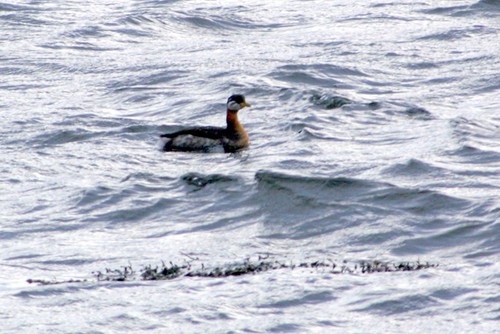
Red-necked Grebe
40-55 cm (16-22 in) long, 77-85 cm wingspan
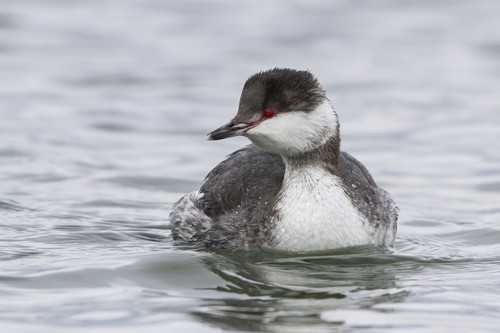
Horned Grebe
31-38 cm (12-15 in) long, 46-55 cm wingspan
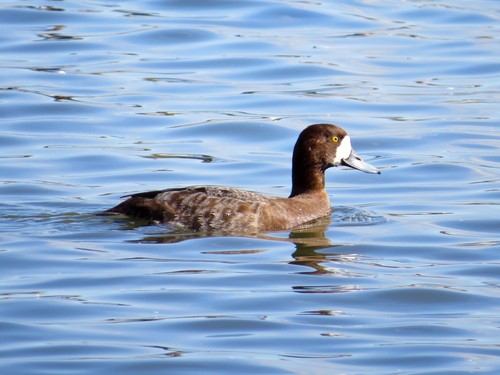
Greater Scaup
42-51 cm (16.5-20 in) long, 71-84 cm wingspan
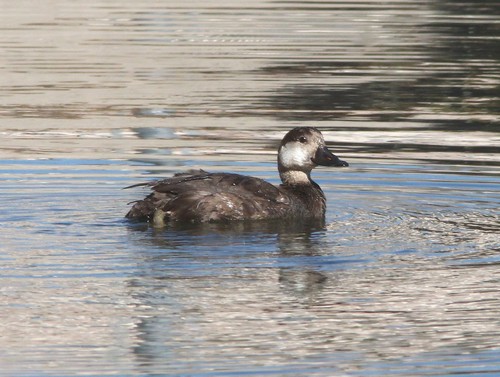
Black Scoter
43-54 cm (17-21 in) long, 79-90 cm wingspan
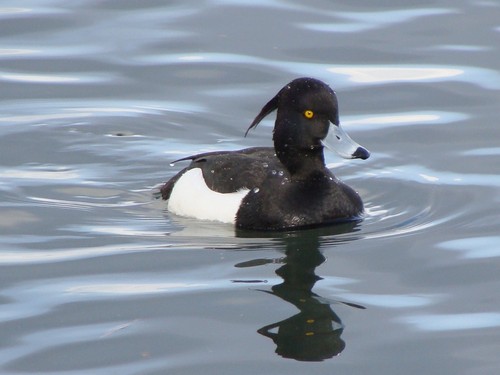
Tufted Duck
40-47 cm (16-18.5 in) long, 67-73 cm wingspan
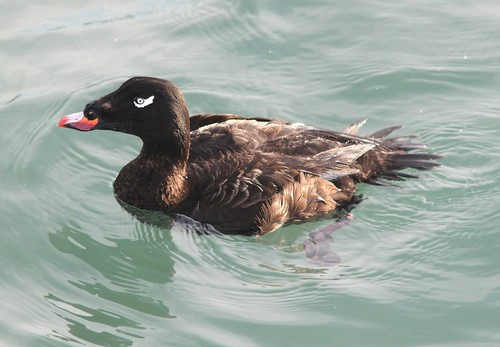
White-winged Scoter
48-58 cm (19-23 in) long, 86-99 cm wingspan
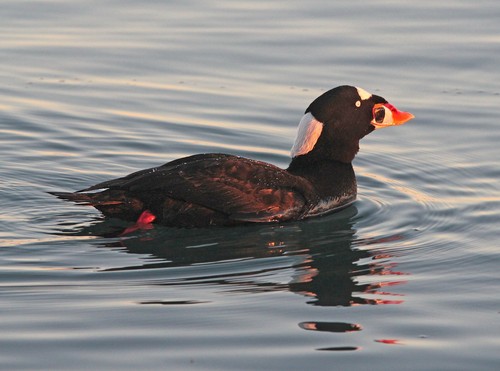
Surf Scoter
45-56 cm (18-22 in) long, 78-92 cm wingspan
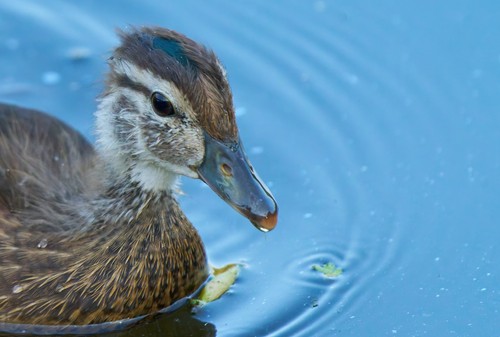
Wood Duck
47-54 cm (18.5-21 in) long, 66-73 cm wingspan
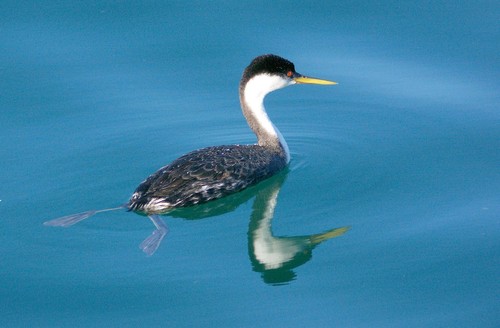
Western Grebe
56-74 cm (22-29 in) long, 79-102 cm wingspan
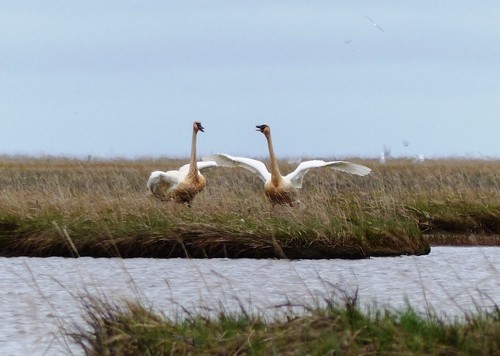
Tundra Swan
115-150 cm (45-59 in) long, about 180 cm wingspan
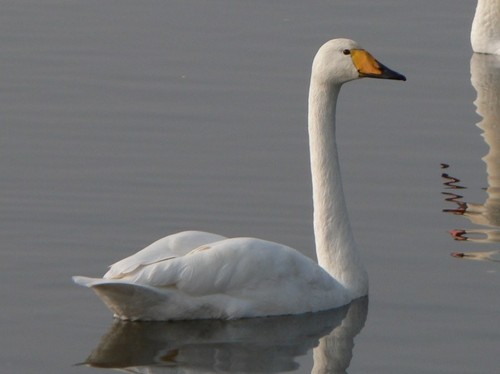
Whooper Swan
140-165 cm (55-65 in) long, 205-235 cm wingspan
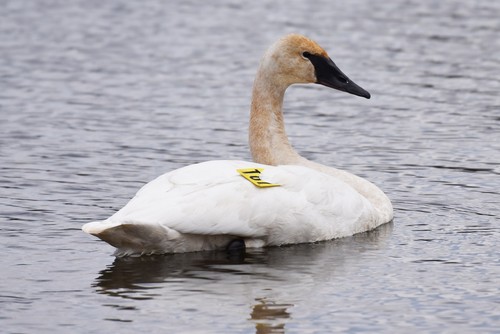
Trumpeter Swan
150-180 cm (59-71 in) long, up to 300 cm wingspan