
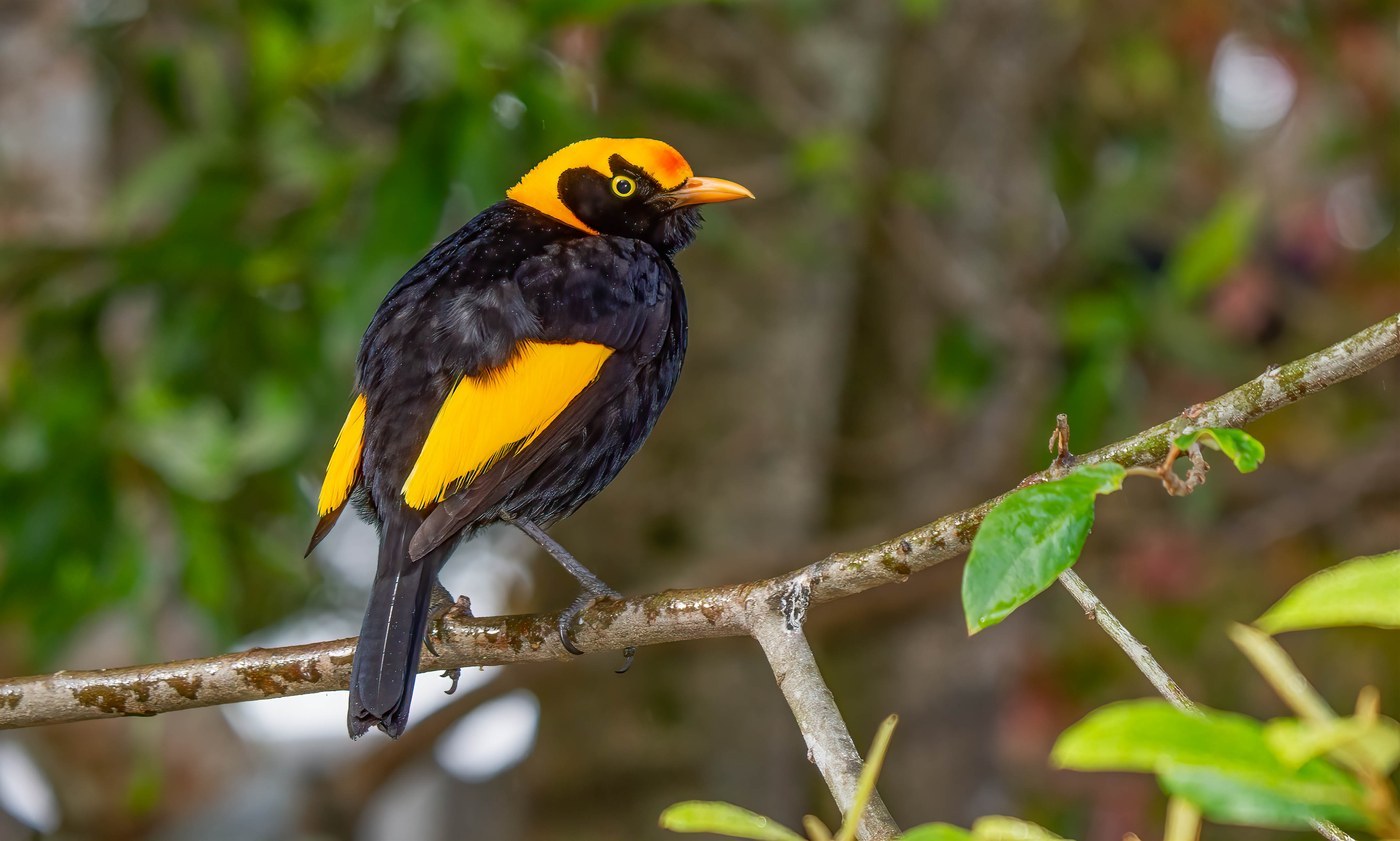
Regent Bowerbird
Sericulus chrysocephalus
A striking rainforest songbird; the male is patterned in bold black and rich golden-yellow, one of the most vividly colored birds of eastern Australia.
- Size
- 24-27 cm (9.5-10.5 in) long
- Habitat
- rainforest and subtropical forest
- Type
- songbird
Spotted a bird like this?
Identify any bird from a photo, free.
Overview
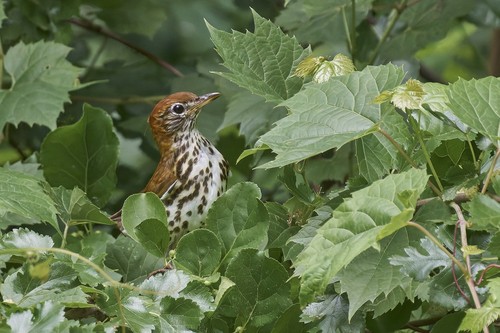
The Regent Bowerbird is a spectacular songbird in which the adult male combines glossy jet-black plumage with brilliant patches of golden-yellow on the crown, nape, and wings, set off by a pale yellow eye, creating one of the most striking color combinations of any Australian bird. Females and immature males are far more subdued, mottled olive-brown above with pale, dark-scalloped underparts, providing effective camouflage in the forest canopy.
Like other bowerbirds, the male builds a small avenue-shaped bower of sticks as a stage for courtship display, though it tends to be more modest than the elaborate structures built by some relatives, and the bird itself is often shy and can be surprisingly hard to observe despite its bright coloring.
How to identify it
Key field marks
- Adult male: glossy black body with bold golden-yellow patches on the crown, nape, and wing
- Pale yellow eye
- Female/immature male: mottled olive-brown above, pale underparts with dark scalloping
- Medium-sized, fairly slender bowerbird build
Similar species
- Satin Bowerbird male is glossy blue-black rather than black-and-yellow.
- Female Regent Bowerbirds resemble female Satin Bowerbirds but are generally warmer brown and best separated by range and subtle plumage tone.
Habitat & range
Habitat
Inhabits rainforest and subtropical forest, particularly favoring the canopy and upper forest levels.
Range
Found in a relatively restricted range along the eastern Australian coast, from southeastern Queensland to around the Hunter Valley region of New South Wales.
Migration
Mostly sedentary, with limited local movement.
Behavior & voice
Behavior
Often shy and inconspicuous despite bright male plumage, generally remaining high in the forest canopy; males build and display at a modest stick avenue bower to attract females.
Voice
A harsh, wheezy, chattering call and various softer notes, along with some mimicry.
Feeding
Feeds on fruit, insects, and leaves, foraging mainly in the canopy of rainforest trees.
Nesting
The female builds a shallow cup nest of twigs high in a tree, separate from the male's display bower; lays 1-2 cream to pale brown eggs with darker markings.
Frequently asked questions
How do you identify a male Regent Bowerbird?
Look for glossy black plumage with bold patches of golden-yellow on the crown, nape, and wings, and a pale yellow eye.
What does a female Regent Bowerbird look like?
Females are much duller than males, mottled olive-brown above with pale, dark-scalloped underparts, quite different from the striking male.
Where does the Regent Bowerbird live?
In rainforest and subtropical forest along a fairly restricted stretch of the eastern Australian coast, from southeastern Queensland to the Hunter Valley in New South Wales.
What does a Regent Bowerbird eat?
Fruit, insects, and leaves, foraged mainly in the rainforest canopy.
Regent Bowerbird guides
In-depth guides for identifying, finding, and understanding Regent Bowerbird.
Other birds you may enjoy
Black Redstart
13-14.5 cm (5.1-5.7 in) long, 23-26 cm wingspan
Black-throated Sparrow
12-14 cm (4.7-5.5 in) long, about 19-20 cm (7.5-8 in) wingspan
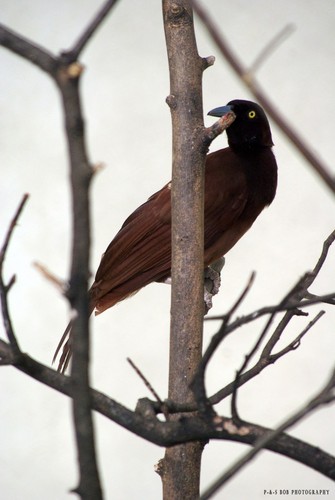
Greater Bird-of-paradise
Body about 43 cm; males with additional flank plumes up to 50 cm and long tail wires
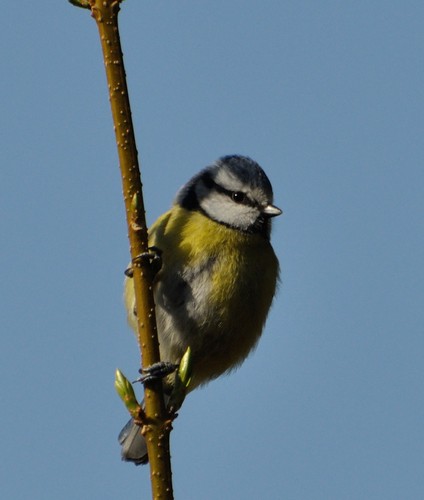
Blue Tit
11-12 cm (4.3-4.7 in) long, 17-20 cm wingspan
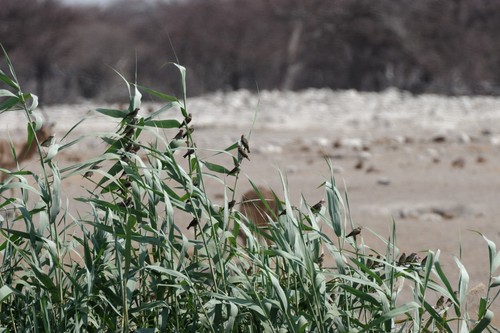
Red-billed Quelea
11.5–13 cm long, wingspan about 20–22 cm
White-plumed Antbird
13-14 cm (5-5.5 in) long
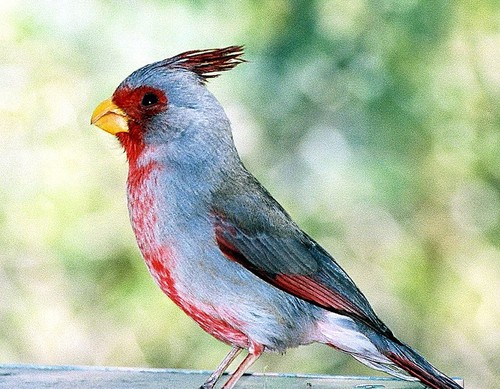
Pyrrhuloxia
19-22 cm (7.5-8.7 in) long, 30 cm wingspan
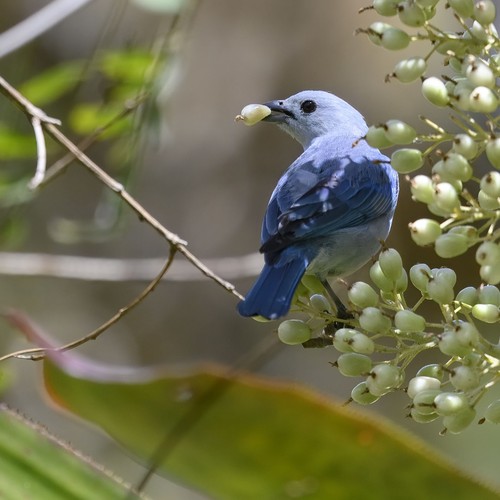
Blue-gray Tanager
16-18 cm (6-7 in) long
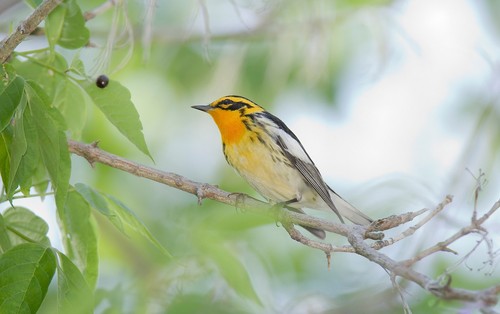
Blackburnian Warbler
11-13 cm (4.3-5.1 in) long, 20-22 cm wingspan
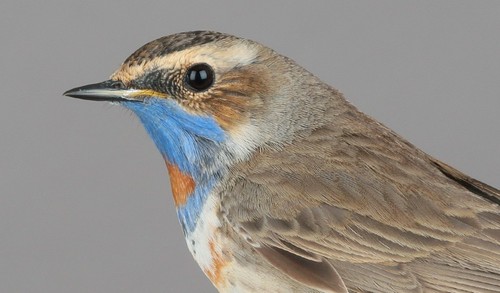
Bluethroat
13-14 cm (5.1-5.5 in) long, 20-22 cm wingspan
Eurasian Nuthatch
12-14.5 cm (4.7-5.7 in) long, 22.5-27 cm wingspan
Wood Thrush
19-21 cm (7.5-8.3 in) long, about 33 cm (13 in) wingspan