
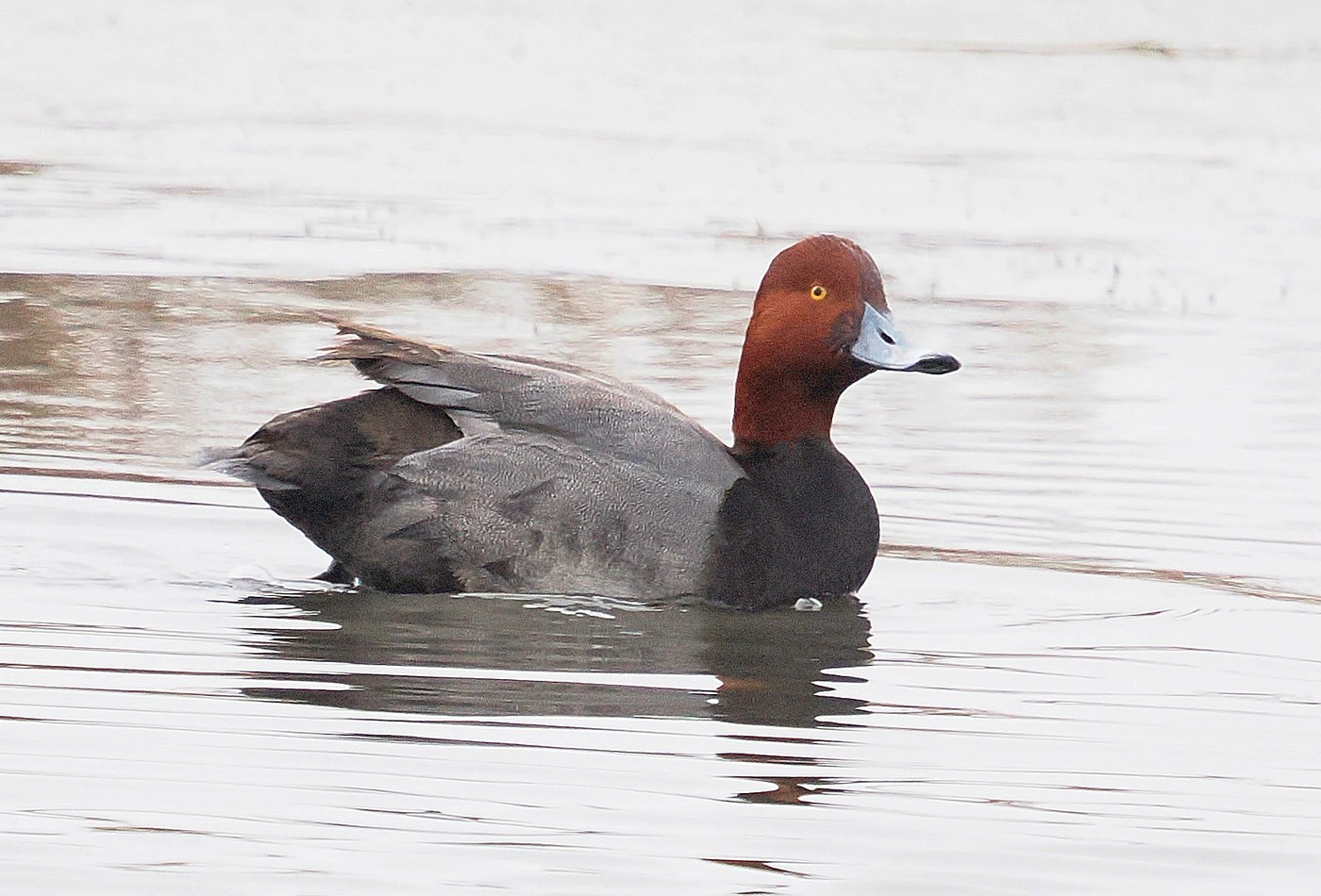
Redhead
Aythya americana
A round-headed diving duck whose drake has a rounded rusty-red head, gray body, and black breast, and which often nests parasitically in other ducks' nests.
- Size
- 42-56 cm (16.5-22 in) long, 76-84 cm wingspan
- Habitat
- marshes, lakes, and prairie wetlands for breeding; coastal bays in winter
- Type
- waterfowl
Spotted a bird like this?
Identify any bird from a photo, free.
Overview
The Redhead is a medium-large diving duck with a rounded head shape and a short, blue-gray bill tipped in black, distinguishing it from the similarly colored but more elongated Canvasback. The breeding drake shows a bright rusty-red head, a black breast and rump, and a pale gray body.
Females are a soft, uniform brown with the same rounded head shape and blue-gray, black-tipped bill. The species is notable among North American ducks for its frequent habit of laying eggs in the nests of other ducks, a form of brood parasitism.
How to identify it
Key Field Marks
- Rounded head shape (peaked slightly at the rear of the crown) with a short blue-gray bill tipped black
- Breeding drake: bright rusty-red head, black breast and rump, gray body
- Female: uniform warm brown with the same head/bill shape
- Yellow eye (drake) versus dark eye (female)
Similar Species
The Canvasback has a long, sloping forehead-to-bill profile and a whitish (not gray) body, while the Redhead's head is rounded and its bill shorter. Female Redheads can resemble female scaup but lack the bold white face patch at the base of the bill shown by female scaup.
Habitat & range
Redheads breed primarily in the prairie pothole region of the north-central United States and Canada, as well as scattered wetlands in the Great Basin, favoring marshes with a mix of open water and emergent vegetation. They winter on large lakes, reservoirs, and especially coastal bays and lagoons, with major wintering concentrations in places like the Laguna Madre of Texas and Mexico.
The species undertakes moderate-distance migrations between prairie breeding wetlands and coastal or large inland wintering waters.
Behavior & voice
Redheads are diving ducks, feeding on aquatic vegetation, seeds, and some invertebrates by diving in relatively shallow to moderate-depth water, though they also dabble at the surface at times. On wintering grounds they often form large, dense rafts on open water.
The male's call is a distinctive, cat-like "meow" or wheezy note given during courtship displays, quite different from typical duck vocalizations. Female Redheads frequently lay eggs in the nests of other Redheads or other duck species (including Canvasbacks and various dabbling ducks), a strategy called brood parasitism, in addition to also raising their own nests; this behavior can significantly boost the number of eggs a female contributes to the overall population in a season.
Frequently asked questions
How do you tell a Redhead from a Canvasback?
The Redhead has a rounded head and a short blue-gray, black-tipped bill, while the Canvasback has a long, sloping forehead and a long black bill.
What does a male Redhead sound like?
It gives a distinctive, cat-like 'meow' or wheezy courtship call, unusual among ducks.
Do Redheads lay eggs in other ducks' nests?
Yes, female Redheads frequently practice brood parasitism, laying eggs in the nests of other Redheads or other duck species in addition to tending their own nests.
What do Redheads eat?
They eat aquatic vegetation, seeds, and some invertebrates, obtained mainly by diving.
Where do Redheads winter?
Major wintering concentrations occur on coastal bays and lagoons, notably the Laguna Madre of Texas and Mexico, as well as large inland lakes and reservoirs.
Redhead guides
In-depth guides for identifying, finding, and understanding Redhead.
Other birds you may enjoy
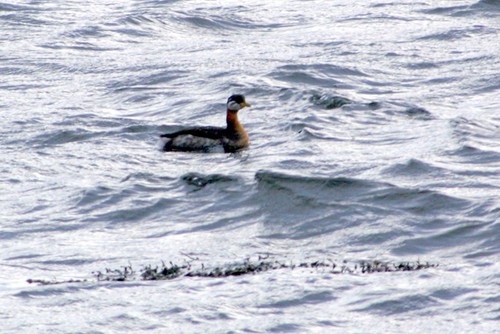
Red-necked Grebe
40-55 cm (16-22 in) long, 77-85 cm wingspan
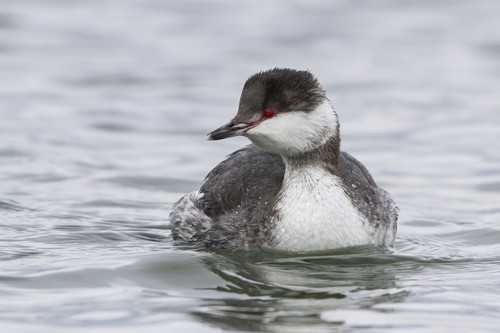
Horned Grebe
31-38 cm (12-15 in) long, 46-55 cm wingspan
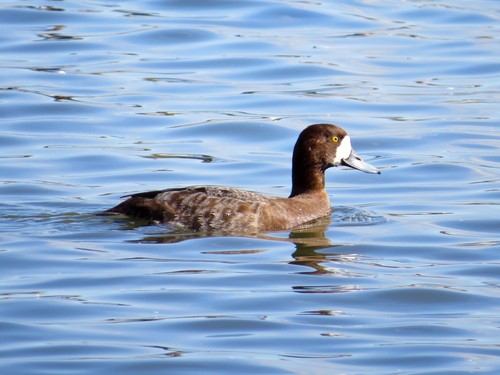
Greater Scaup
42-51 cm (16.5-20 in) long, 71-84 cm wingspan
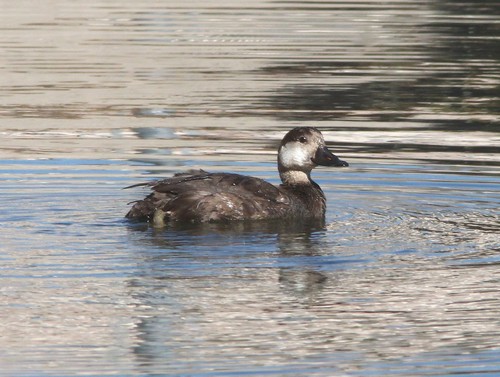
Black Scoter
43-54 cm (17-21 in) long, 79-90 cm wingspan
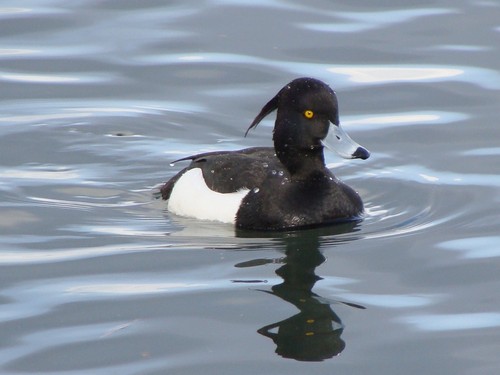
Tufted Duck
40-47 cm (16-18.5 in) long, 67-73 cm wingspan
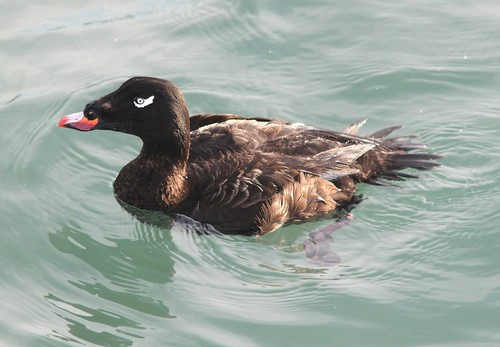
White-winged Scoter
48-58 cm (19-23 in) long, 86-99 cm wingspan
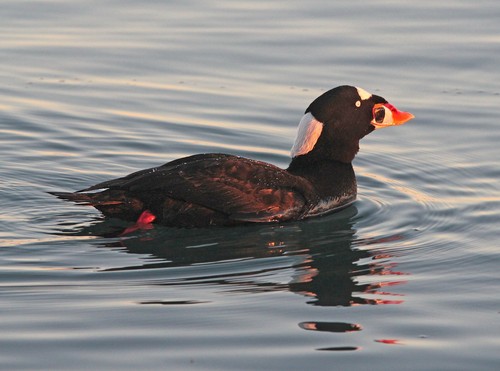
Surf Scoter
45-56 cm (18-22 in) long, 78-92 cm wingspan
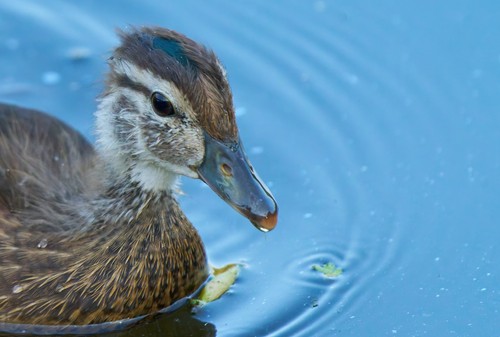
Wood Duck
47-54 cm (18.5-21 in) long, 66-73 cm wingspan
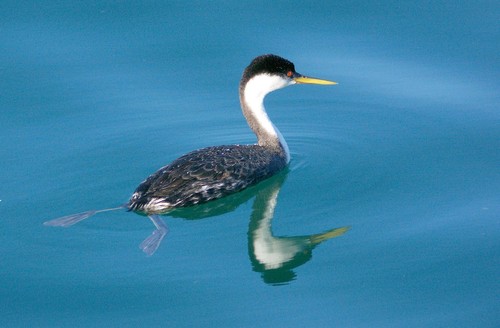
Western Grebe
56-74 cm (22-29 in) long, 79-102 cm wingspan
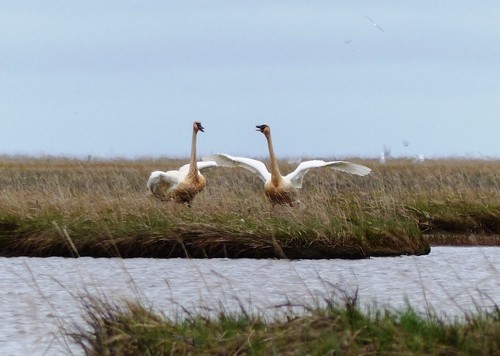
Tundra Swan
115-150 cm (45-59 in) long, about 180 cm wingspan
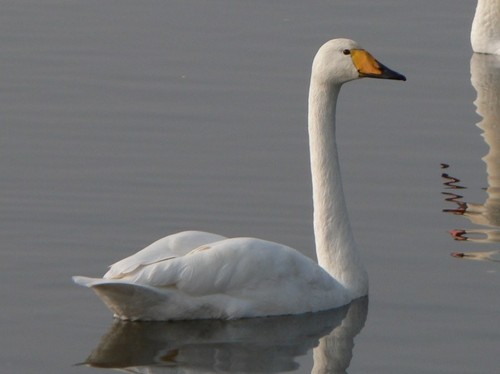
Whooper Swan
140-165 cm (55-65 in) long, 205-235 cm wingspan
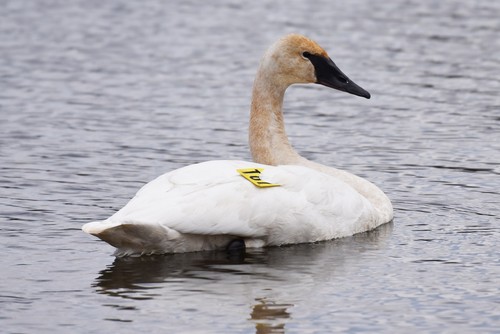
Trumpeter Swan
150-180 cm (59-71 in) long, up to 300 cm wingspan