
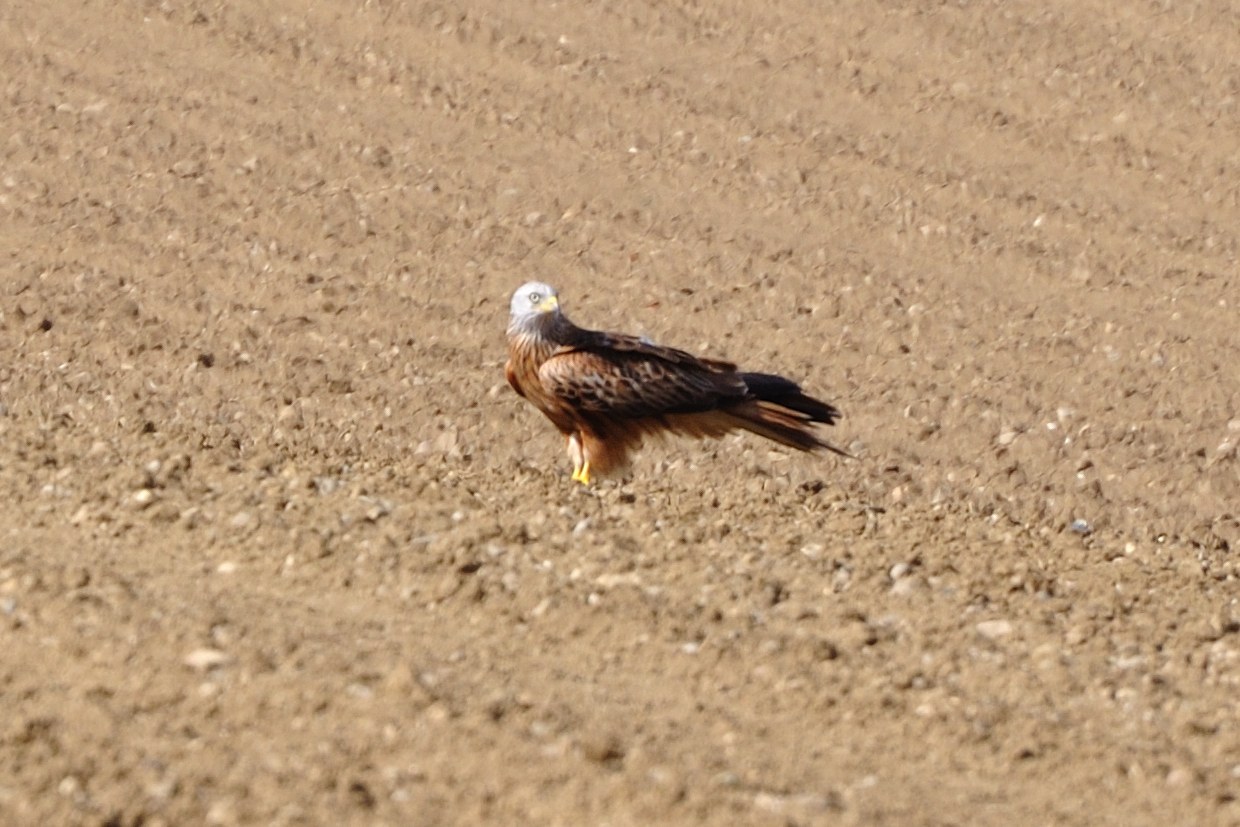
Red Kite
Milvus milvus
A large, russet raptor with a deeply forked tail, effortless soaring flight, and a habit of scavenging carrion.
- Size
- Body 60-70 cm; wingspan 175-195 cm
- Habitat
- Open farmland mixed with woodland, valleys, and increasingly towns and cities
- Type
- raptor
Spotted a bird like this?
Identify any bird from a photo, free.
Overview
The Red Kite is a large, elegant raptor of the family Accipitridae, easily recognized by its long, angled wings and deeply forked reddish tail, which it twists constantly in flight to steer.
Appearance
- Rich chestnut-rufous body and wing coverts with a pale grey head streaked darker.
- Long wings show a pale panel ('window') at the base of the primaries, contrasting with dark wingtips.
- Deeply forked, rufous tail is diagnostic even at long range.
- Sexes look alike; juveniles are duller with pale-tipped feathers giving a scaly look.
How to identify it
Key field marks
- Long, narrow, angled wings held in a shallow 'M' or bowed shape while soaring
- Deeply forked tail, constantly twisted for control - the single best distinguishing feature
- Overall rufous-chestnut tone with a pale grey head
- Pale primary 'wing window' visible from below
Similar species
- Black Kite has a shallower, less deeply forked tail, is darker and more uniformly brown, and lacks the strong rufous tones.
- Common Buzzard has broader, shorter wings, a fanned rounded (not forked) tail, and soars in a shallow V.
- Marsh Harrier flies with wings held in a shallow V low over reedbeds, lacks the forked tail.
Habitat & range
Habitat
Favors a mosaic of farmland, pasture, and broadleaf woodland for nesting, but forages over open country, roadsides, and refuse sites; reintroduction schemes have made it common over some towns and cities in Britain.
Range
Breeds locally across western, central, and southern Europe, with strongholds in Wales, England, Germany, Spain, and France; a small resident population also occurs in Morocco. Many European birds are resident or short-distance migrants, while some northern and eastern populations winter further south.
Migration
Central and northern European breeders are partial migrants, moving to Iberia and southwestern Europe in winter; reintroduced British populations are largely resident.
Behavior & voice
Behavior
A superb, buoyant flier that spends long periods soaring and gliding on almost motionless wings, using its forked tail for precise aerial control; often scavenges in loose groups at carcasses or landfill sites.
Voice
Gives a thin, mewing 'wee-oo-wee-oo-wee' call, higher and more drawn out than a Buzzard's, often delivered in flight.
Feeding
An opportunistic scavenger and predator, taking carrion (including roadkill), earthworms, small mammals, and occasionally live birds; will steal food from other raptors.
Nesting & breeding
Builds a large stick nest in a tall tree, often decorated with unusual items such as plastic, paper, or cloth; lays 1-3 eggs; pairs frequently reuse and add to nests over multiple years.
Frequently asked questions
How do you identify a Red Kite in flight?
Look for a deeply forked, constantly twisting rufous tail, long angled wings with pale primary patches, and a rich chestnut body - the forked tail is the clearest giveaway.
What is the difference between a Red Kite and a Black Kite?
The Red Kite has a more deeply forked tail and richer rufous coloring, while the Black Kite is darker brown overall with a shallower fork in the tail.
What do Red Kites eat?
They are opportunistic feeders on carrion, earthworms, and small mammals, and will scavenge readily at roadsides and refuse sites.
Are Red Kites found in cities?
Following reintroduction programs, Red Kites have become common over many towns and cities, especially in parts of Britain, where they scavenge freely.
Why do Red Kite nests contain unusual objects?
Red Kites are known to decorate their nests with items like plastic bags, paper, and cloth, a behavior not fully understood but well documented.
Red Kite guides
In-depth guides for identifying, finding, and understanding Red Kite.
Other birds you may enjoy
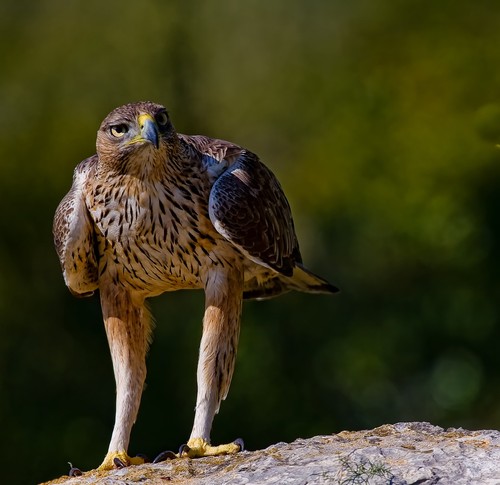
Bonelli's Eagle
Body 65–72 cm (26–28 in); wingspan 150–180 cm (59–71 in)
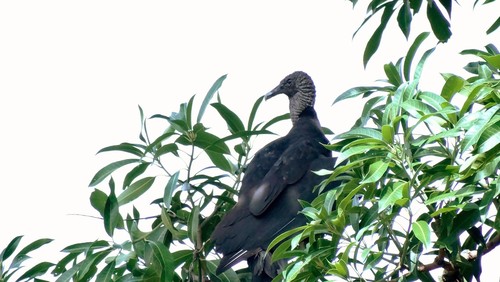
Black Vulture
56-68 cm (22-27 in) long, 137-165 cm wingspan
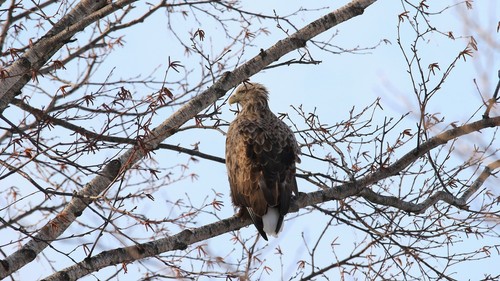
White-tailed Eagle
66-94 cm body length; wingspan 178-245 cm, among the largest eagles in the world
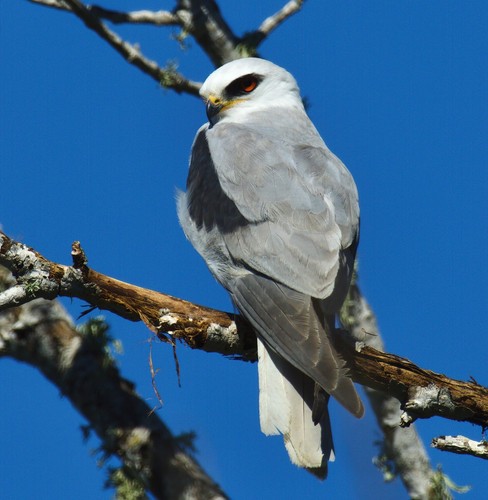
White-tailed Kite
35-43 cm (14-17 in) long, 88-102 cm (35-40 in) wingspan
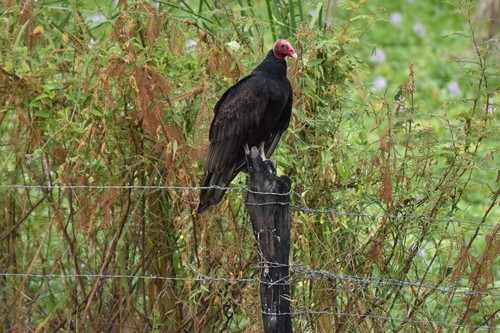
Turkey Vulture
64-81 cm (25-32 in) long, 160-183 cm wingspan
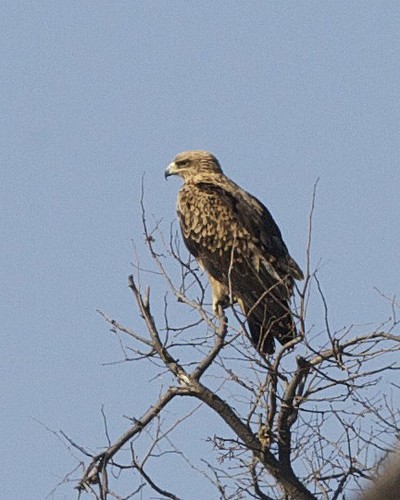
Tawny Eagle
62–75 cm long; wingspan 1.65–2.0 m
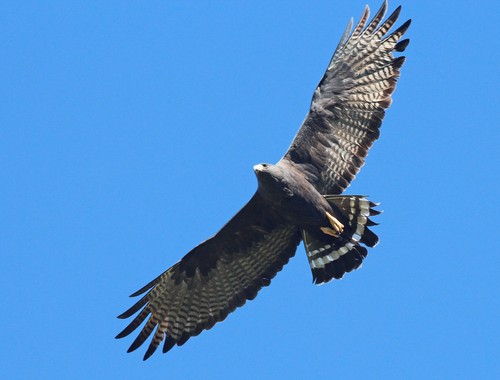
Zone-tailed Hawk
46-56 cm (18-22 in) long, 118-140 cm (46-55 in) wingspan
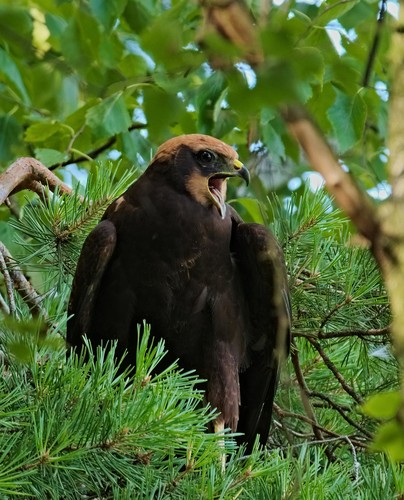
Western Marsh Harrier
Body 43-56 cm; wingspan 115-140 cm
Swallow-tailed Kite
48-68 cm (19-27 in) long including tail streamers, 112-136 cm (44-54 in) wingspan
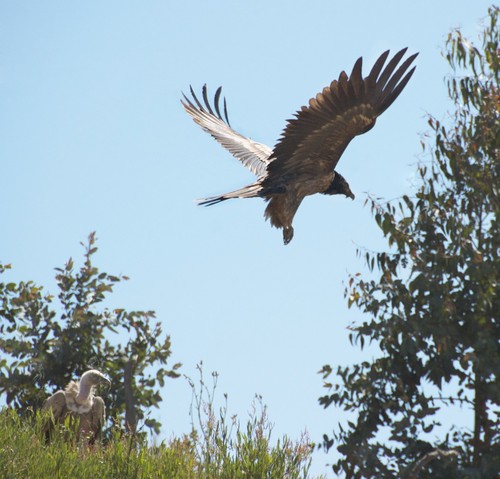
White-backed Vulture
78-98 cm long, wingspan 1.96-2.25 m
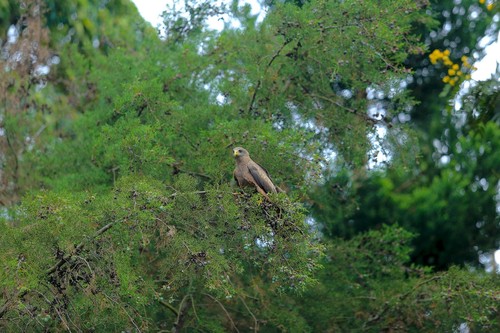
Yellow-billed Kite
55-60 cm long; wingspan 130-155 cm
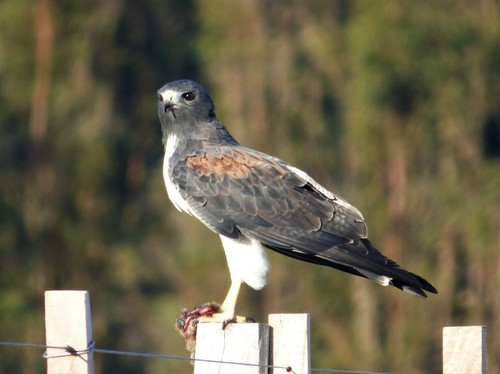
White-tailed Hawk
46-59 cm (18-23 in) long, 122-142 cm (48-56 in) wingspan