
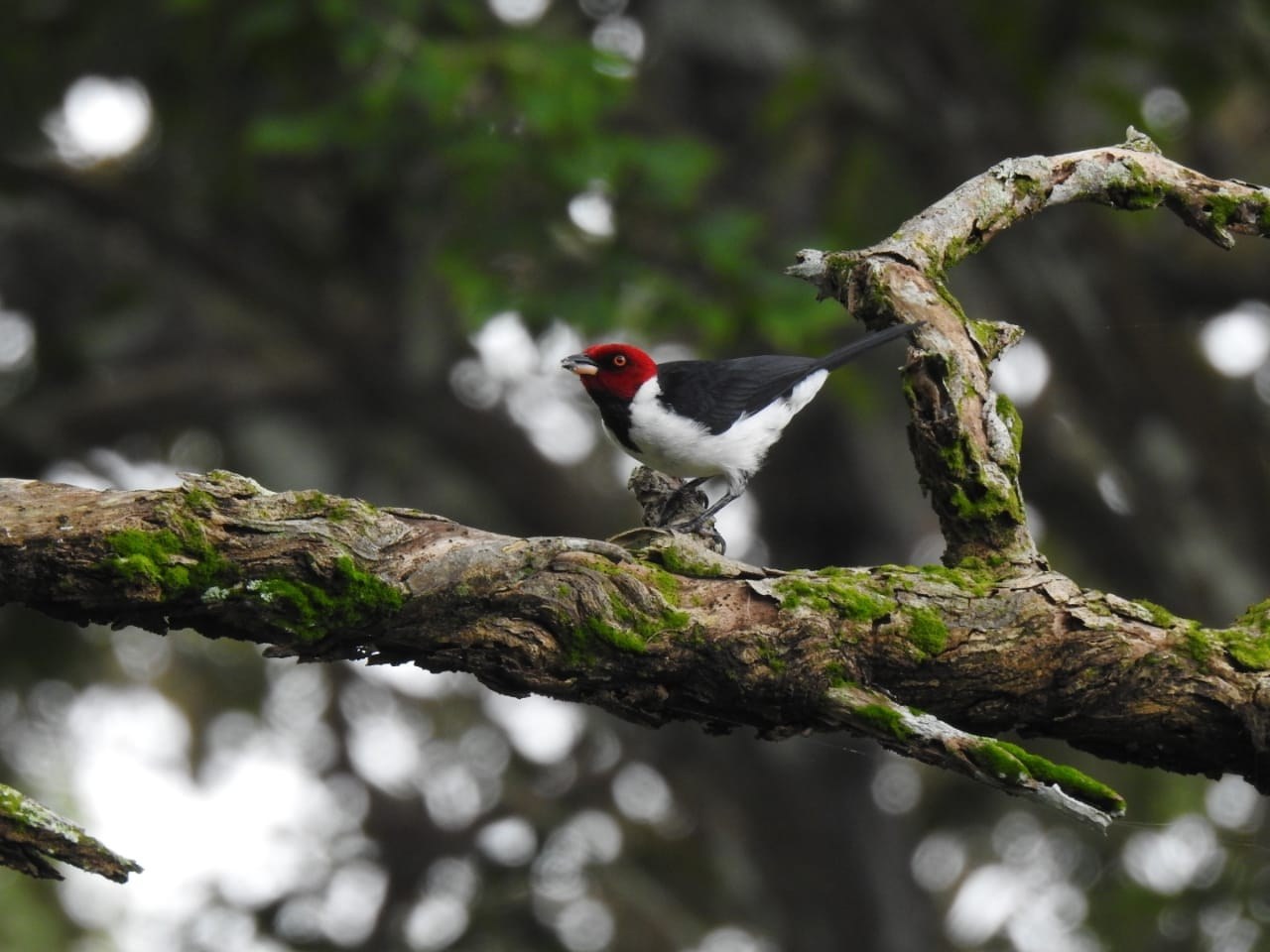
Red-capped Cardinal
Paroaria gularis
A striking black-and-white bird with a brilliant red head, throat, and nape, commonly seen along Amazonian rivers and lake edges despite not being a true cardinal.
- Size
- 16-18 cm (6.3-7 in) long
- Habitat
- riverside vegetation, marshes, and lake edges in the Amazon basin and surrounding lowlands
- Type
- songbird
Spotted a bird like this?
Identify any bird from a photo, free.
Overview
The Red-capped Cardinal is a strikingly patterned bird of Amazonian waterways, its brilliant scarlet-red head, throat, and nape contrasting sharply with glossy black upperparts and clean white underparts. Despite the name and its cardinal-like head pattern, it is not a true cardinal but a member of the tanager family, in the genus Paroaria along with several similarly patterned South American species.
The bill is short, stout, and conical, well suited to a diet that includes a substantial proportion of seeds, and the overall build is slim with a moderately long tail. Sexes look alike, both showing the same bold red-black-white pattern.
This species is closely tied to water, almost always found near rivers, lakes, and marshes, where it forages actively at the water's edge and in adjacent low vegetation.
How to identify it
Key field marks
- Brilliant red head, throat, and nape
- Glossy black upperparts (back, wings, tail)
- Clean white underparts
- Short, stout, conical bill
- Sexes alike
Similar species
Red-crested Cardinal has a red crest confined to the crown with a gray back rather than black, and lacks the extensive red throat of the Red-capped Cardinal. Yellow-billed Cardinal is similar but has a yellow bill and lacks white on the underparts in the same pattern; close attention to bill color and the extent of red helps distinguish these Paroaria species.
Habitat & range
Habitat
The Red-capped Cardinal is closely associated with water, inhabiting riverside vegetation, marshes, oxbow lakes, and flooded forest edges, rarely straying far from aquatic habitats.
Range
It is found throughout much of the Amazon basin and surrounding lowlands, including Colombia, Venezuela, the Guianas, Ecuador, Peru, Bolivia, and Brazil.
Migration
It is a non-migratory resident throughout its range, staying close to permanent water bodies year-round.
Behavior & voice
Behavior
Red-capped Cardinals are usually seen in pairs or small groups foraging low in waterside vegetation or on the ground near water, often perching conspicuously on low branches or reeds.
Voice
Its calls include sharp, metallic chip notes and a simple, somewhat scratchy song, given from low perches near water.
Feeding
It feeds on a mix of seeds, insects, and fruit, foraging both on the ground and in low vegetation near rivers and lakes.
Nesting and breeding
The species builds an open cup nest low in vegetation, often overhanging water, where the female incubates the eggs and both parents help provision the nestlings.
Frequently asked questions
Is the Red-capped Cardinal a true cardinal?
No, despite its name and red-capped appearance, it is a member of the tanager family, not a true cardinal.
How do you identify a Red-capped Cardinal?
Look for a brilliant red head, throat, and nape contrasting with black upperparts and white underparts, always near water.
Where does the Red-capped Cardinal live?
Along rivers, lakes, and marshes throughout the Amazon basin and surrounding lowlands of South America.
What does the Red-capped Cardinal eat?
Seeds, insects, and fruit, foraged near water.
Red-capped Cardinal guides
In-depth guides for identifying, finding, and understanding Red-capped Cardinal.
Other birds you may enjoy
Black Redstart
13-14.5 cm (5.1-5.7 in) long, 23-26 cm wingspan
Black-throated Sparrow
12-14 cm (4.7-5.5 in) long, about 19-20 cm (7.5-8 in) wingspan
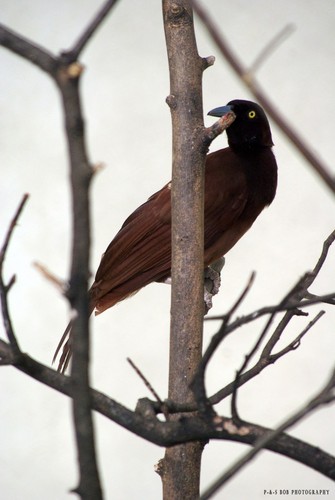
Greater Bird-of-paradise
Body about 43 cm; males with additional flank plumes up to 50 cm and long tail wires
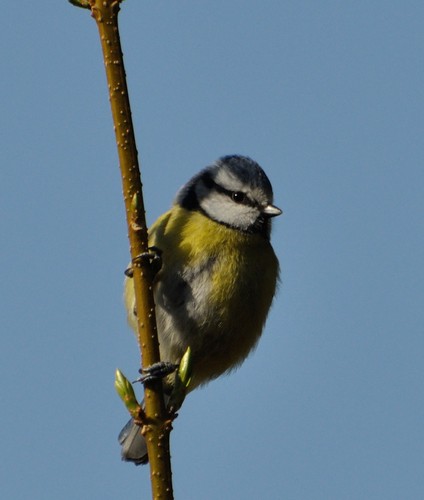
Blue Tit
11-12 cm (4.3-4.7 in) long, 17-20 cm wingspan
Red-billed Quelea
11.5–13 cm long, wingspan about 20–22 cm
White-plumed Antbird
13-14 cm (5-5.5 in) long
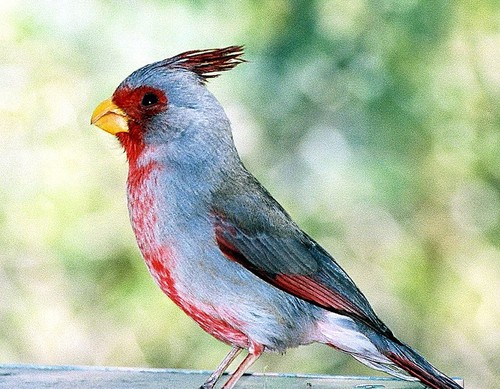
Pyrrhuloxia
19-22 cm (7.5-8.7 in) long, 30 cm wingspan
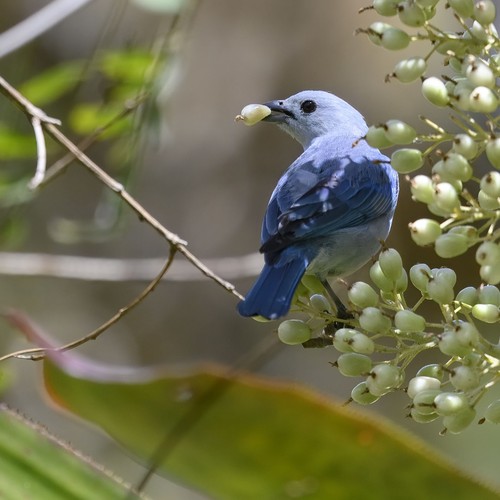
Blue-gray Tanager
16-18 cm (6-7 in) long
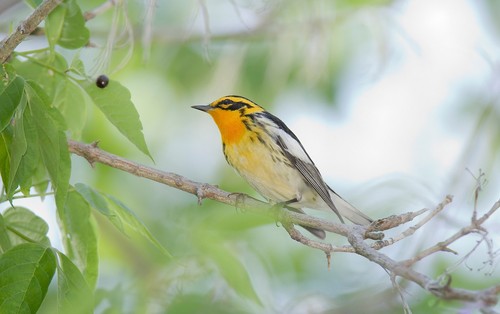
Blackburnian Warbler
11-13 cm (4.3-5.1 in) long, 20-22 cm wingspan
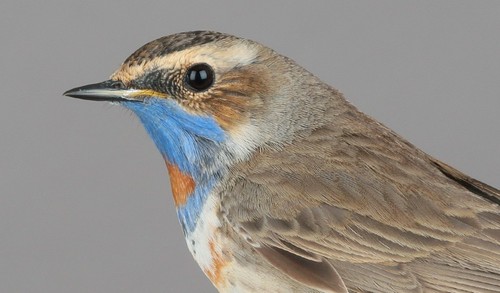
Bluethroat
13-14 cm (5.1-5.5 in) long, 20-22 cm wingspan
Eurasian Nuthatch
12-14.5 cm (4.7-5.7 in) long, 22.5-27 cm wingspan
Wood Thrush
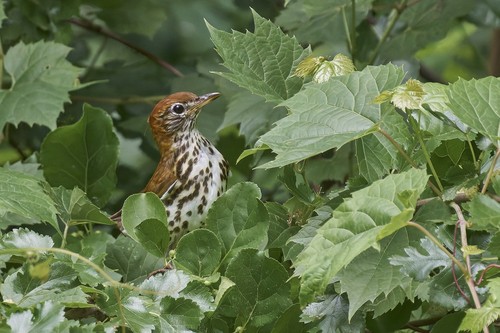
19-21 cm (7.5-8.3 in) long, about 33 cm (13 in) wingspan