
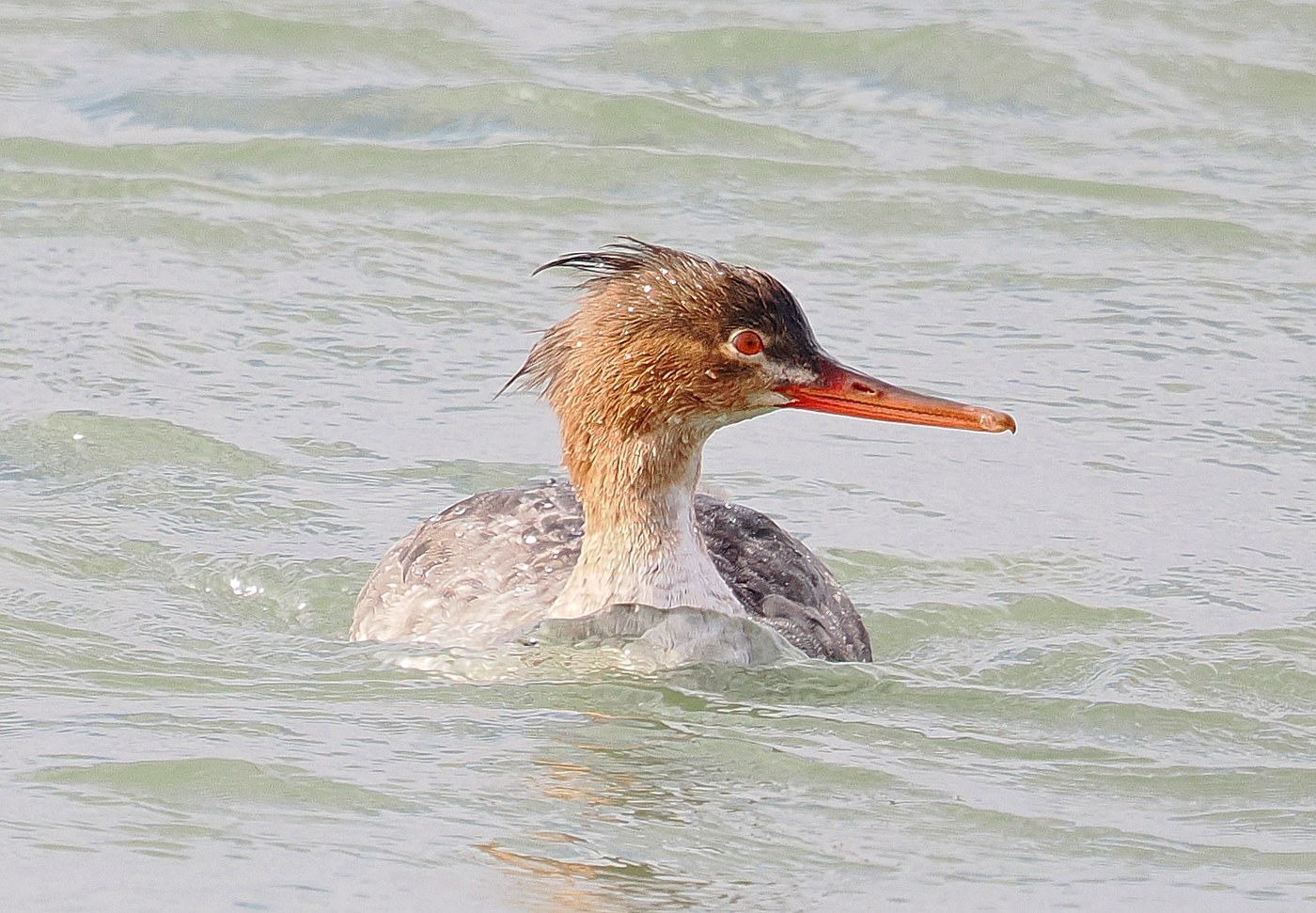
Red-breasted Merganser
Mergus serrator
A slim, shaggy double-crested sea duck with a thin serrated bill, the most marine of the mergansers.
- Size
- 51-62 cm (20-25 in) long, 70-86 cm wingspan
- Habitat
- coastal waters, estuaries, and bays; breeds near northern lakes, rivers, and coastal tundra
- Type
- waterfowl
Spotted a bird like this?
Identify any bird from a photo, free.
Overview
The Red-breasted Merganser is a slim, shaggy-crested fish-eating duck of coastal waters and northern lakes. Breeding males have a glossy dark green head with a wild, spiky double crest, a white collar, a rusty-orange speckled breast band, and finely vermiculated gray flanks. Females and eclipse males are grayish-brown with a rusty head that blends more gradually into a paler throat than in the Common Merganser, and their crest is longer and messier.
Like other mergansers, this species has a thin, serrated, hook-tipped bill adapted for catching fish underwater. It is the most marine of the three mergansers, frequently seen bobbing in small flocks on bays, harbors, and open coastal water.
How to identify it
Key field marks
- Long, thin, bright red-orange bill with a hooked tip
- Breeding male: green head with unkempt double crest, white neck ring, streaked rusty breast band, gray (not white) flanks
- Female/eclipse: rusty-brown head blending gradually into whitish throat, shaggy crest
- Slim, low profile on the water; fast, direct flight with rapid wingbeats
Similar species
Compare with the Common Merganser, which is bulkier, has clean white flanks in the male, and a smoother, less messy crest; females have a more sharply cut-off white chin. The Hooded Merganser is notably smaller with a bold fan-shaped crest and thinner bill. In flight, Red-breasted Mergansers look slimmer and more attenuated than Common Mergansers.
Habitat & range
Red-breasted Mergansers breed across the boreal and subarctic zones of North America, Europe, and Asia, nesting on the ground near lakes, rivers, and coastal tundra. They are highly migratory and winter predominantly along marine coastlines, estuaries, and large bays, making them the most saltwater-associated of the mergansers. Large numbers gather in sheltered coastal waters in winter, sometimes far offshore.
Behavior & voice
Behavior
These ducks dive to chase down fish, often foraging in loose groups and sometimes cooperatively driving schools of small fish into the shallows.
Voice
Mostly silent outside the breeding season; males give rasping, cat-like calls during courtship, and females utter harsh croaks.
Feeding
Primarily small fish, along with some aquatic invertebrates; the serrated bill edge helps grip slick prey.
Nesting
Nests on the ground, well concealed in vegetation near water, unlike the tree-cavity nesting Common and Hooded Mergansers. Clutches average 7-10 eggs, and broods often combine ('creche') with those of other females after hatching.
Frequently asked questions
What makes the Red-breasted Merganser different from other mergansers?
It is the most coastal/marine of the mergansers, with a shaggier double crest, gray (not white) flanks in breeding males, and a rusty streaked breast band.
Do Red-breasted Mergansers nest in trees?
No, unlike Common and Hooded Mergansers, they nest on the ground in vegetation near water rather than in tree cavities.
What do Red-breasted Mergansers eat?
Mainly small fish caught by diving, supplemented with aquatic invertebrates.
Where do Red-breasted Mergansers spend the winter?
Largely along ocean coastlines, bays, and estuaries, more so than the other merganser species.
Red-breasted Merganser guides
In-depth guides for identifying, finding, and understanding Red-breasted Merganser.
Other birds you may enjoy
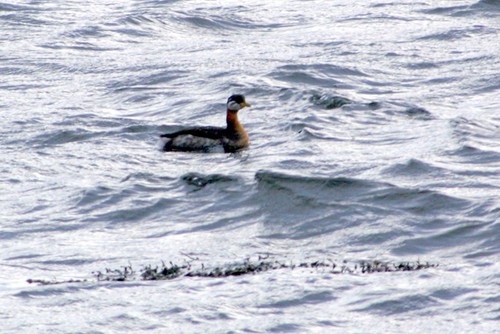
Red-necked Grebe
40-55 cm (16-22 in) long, 77-85 cm wingspan
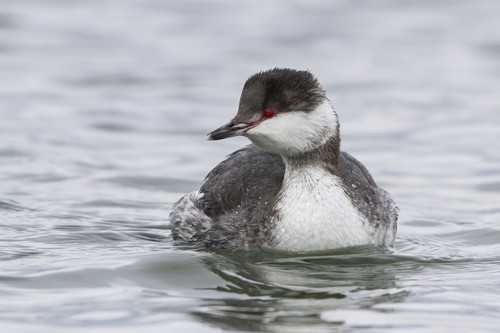
Horned Grebe
31-38 cm (12-15 in) long, 46-55 cm wingspan
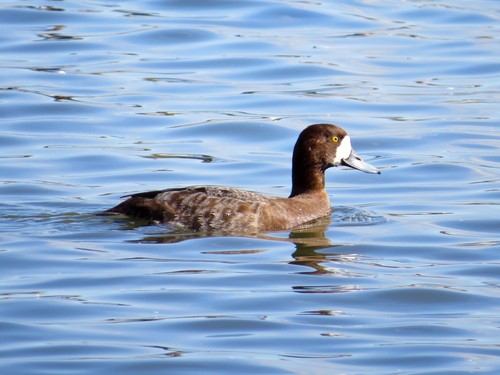
Greater Scaup
42-51 cm (16.5-20 in) long, 71-84 cm wingspan
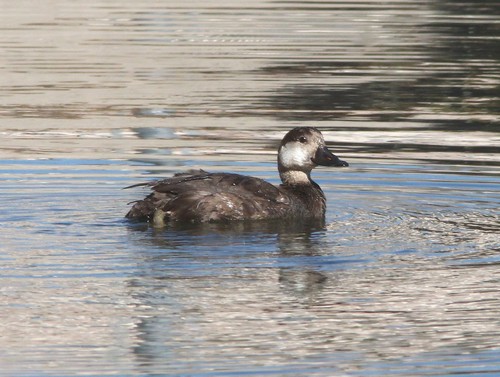
Black Scoter
43-54 cm (17-21 in) long, 79-90 cm wingspan
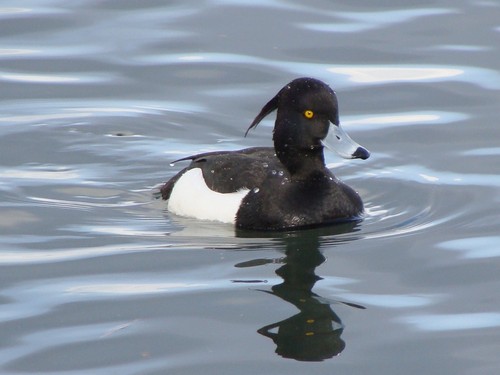
Tufted Duck
40-47 cm (16-18.5 in) long, 67-73 cm wingspan
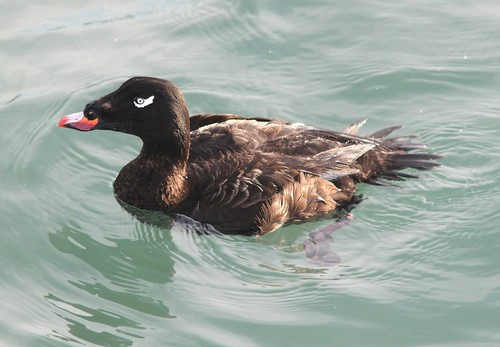
White-winged Scoter
48-58 cm (19-23 in) long, 86-99 cm wingspan
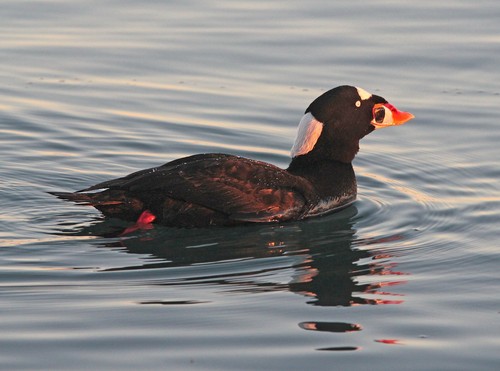
Surf Scoter
45-56 cm (18-22 in) long, 78-92 cm wingspan
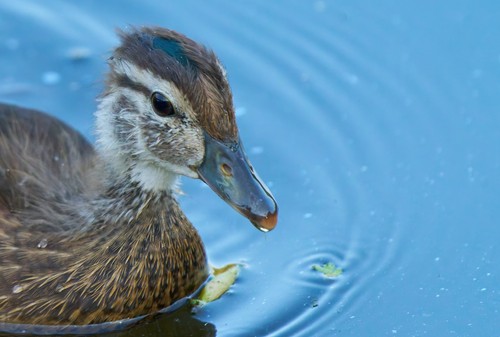
Wood Duck
47-54 cm (18.5-21 in) long, 66-73 cm wingspan
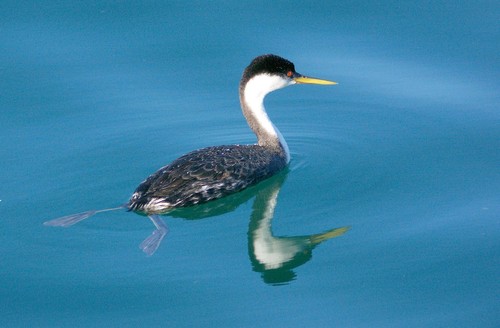
Western Grebe
56-74 cm (22-29 in) long, 79-102 cm wingspan
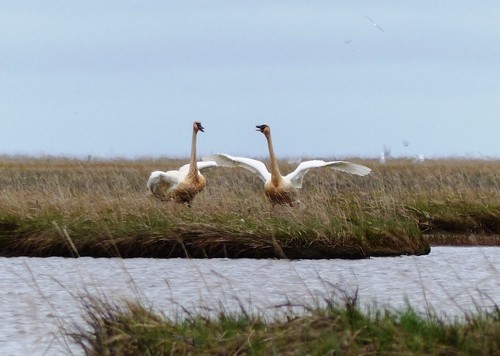
Tundra Swan
115-150 cm (45-59 in) long, about 180 cm wingspan
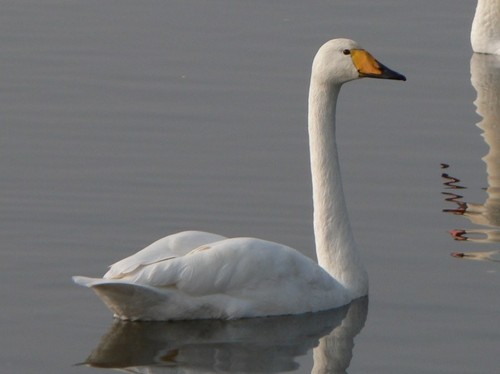
Whooper Swan
140-165 cm (55-65 in) long, 205-235 cm wingspan
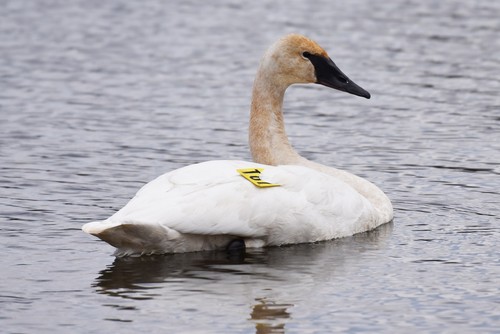
Trumpeter Swan
150-180 cm (59-71 in) long, up to 300 cm wingspan