
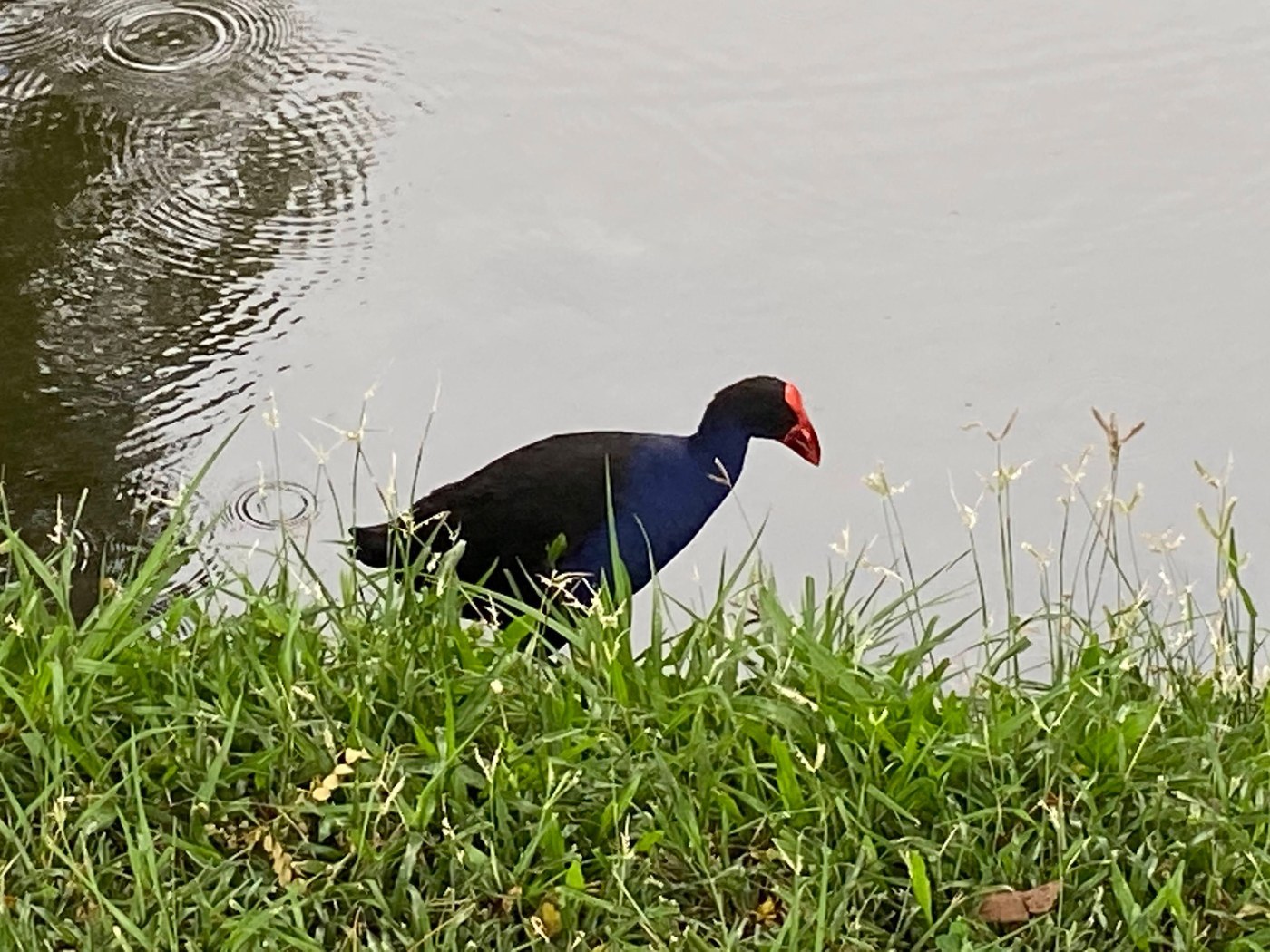
Pukeko
Porphyrio melanotus
A large, deep blue-purple swamphen with a bright red bill and frontal shield, a common and conspicuous sight striding through New Zealand wetlands and roadside paddocks.
- Size
- 51 cm (20 in) long
- Habitat
- wetlands, swamps, pasture, and roadside margins across New Zealand
- Type
- wading-bird
Spotted a bird like this?
Identify any bird from a photo, free.
Overview
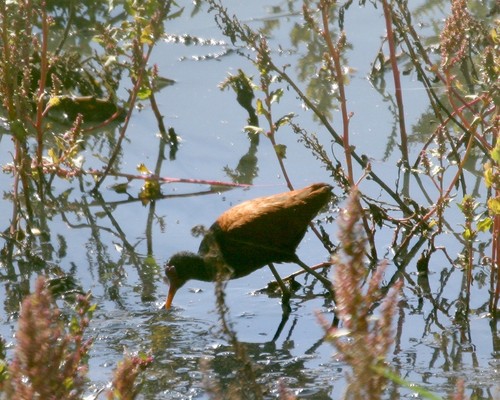
The Pukeko is a large, boldly colored rail found commonly across New Zealand's wetlands and open farmland. Its body plumage is a rich blue-purple, deepest on the head, neck, and breast, contrasting with a black back and a flash of white under a frequently flicked tail.
A bright red frontal shield extends up from a matching stout red bill, and long, sturdy red-pink legs with elongated toes allow it to walk easily across soft mud and floating vegetation. Highly visible and often seen in family groups feeding along roadsides and wetland edges, the Pukeko is one of New Zealand's most familiar native birds despite being part of a widespread swamphen complex found across much of the Southern Hemisphere.
How to identify it
Key field marks
- Deep blue-purple head, neck, and underparts
- Black back and wings
- Bright red frontal shield and matching stout red bill
- Long red-pink legs with long toes
- White undertail feathers, often flicked while walking
Similar species
- Takahe is much larger, heavier-bodied, flightless, and has a proportionally bigger, more massive red bill and frontal shield.
- No other common New Zealand wetland bird shares the Pukeko's vivid blue-purple plumage combined with a red bill and shield.
Habitat & range
Range
Widespread and common throughout the North and South Islands of New Zealand and many offshore islands; part of a broader swamphen complex distributed across Australia, the Pacific, and parts of Asia.
Habitat
Found in wetlands, swamp margins, farm ponds, drainage ditches, damp pasture, and roadside verges, tolerating considerable modification of habitat by humans.
Migration
Mostly sedentary, though birds may move locally in response to flooding, drought, or seasonal changes in food availability.
Behavior & voice
Behavior
Often seen in small family groups walking and foraging in open, grassy, or wet areas, flicking its tail to flash white undertail feathers; capable of weak, low flights with legs dangling when flushed.
Voice
A range of loud, harsh screeches, cackles, and clucking calls, often given when alarmed or in contact with other group members.
Feeding
Forages on plant shoots, seeds, and grass, and opportunistically takes insects, frogs, and the eggs or chicks of other birds.
Nesting
Builds a bulky nest of trampled reeds or rushes near water; the species often breeds cooperatively, with several adults in a group helping incubate the eggs and rear the chicks.
Frequently asked questions
Is the Pukeko the same as the Purple Swamphen?
The Pukeko is the Australasian subspecies group of the widespread Purple Swamphen complex, sharing the same striking blue-purple plumage and red bill and shield.
Can Pukeko fly?
Yes, though they fly weakly and reluctantly, usually preferring to walk or run, with their legs often trailing when they do take to the air.
Do Pukeko breed cooperatively?
Yes, groups often share nesting duties, with multiple adults helping incubate eggs and feed chicks within a family group.
What does a Pukeko eat?
Mainly plant shoots and seeds, supplemented opportunistically with insects, small animals, and sometimes eggs or chicks of other birds.
Pukeko guides
In-depth guides for identifying, finding, and understanding Pukeko.
Other birds you may enjoy
Demoiselle Crane
85-100 cm (33-39 in) long, 155-180 cm wingspan
Boat-billed Heron
41-56 cm (16-22 in) long
Purple Heron
78-90 cm (31-35 in) long, 120-152 cm wingspan
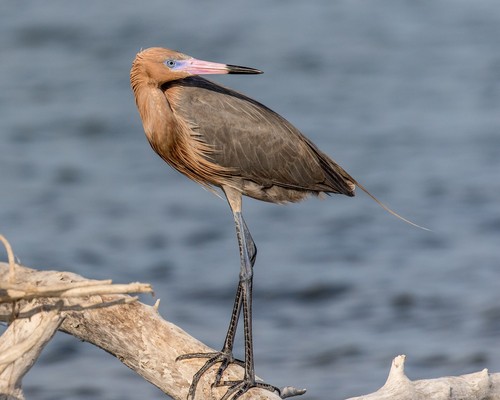
Reddish Egret
68-82 cm (27-32 in) long, 116-125 cm wingspan
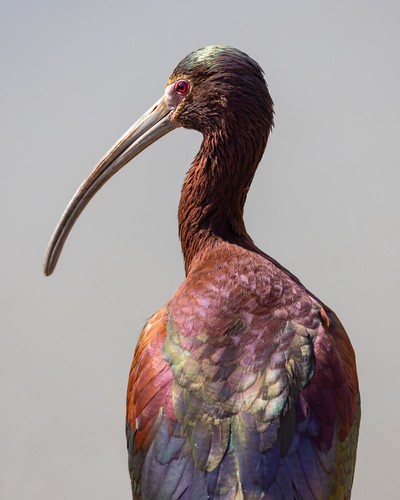
White-faced Ibis
46-56 cm (18-22 in) long, 88-93 cm wingspan
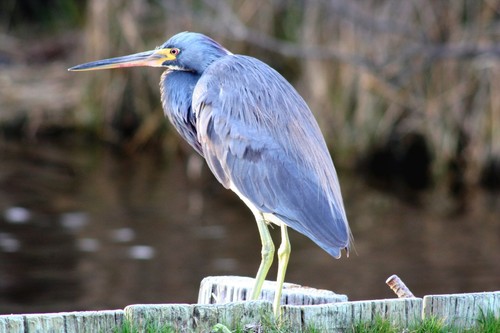
Tricolored Heron
61-76 cm (24-30 in) long, about 96 cm wingspan
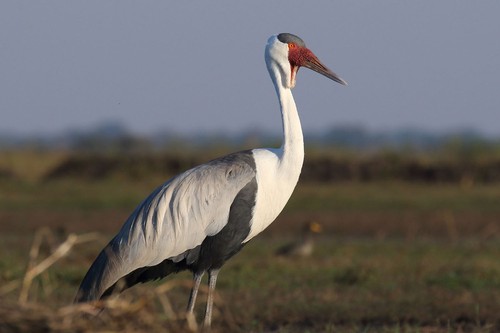
Wattled Crane
120-175 cm (47-69 in) tall, one of the tallest cranes, wingspan up to about 230 cm (7.5 ft)
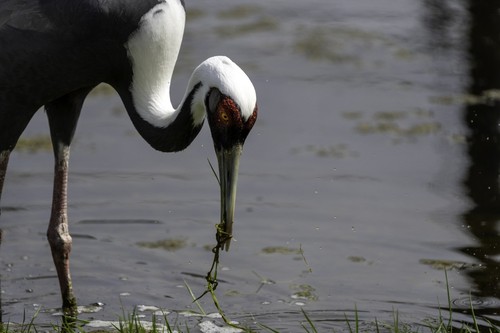
White-naped Crane
112-125 cm (44-49 in) long, 195-210 cm wingspan
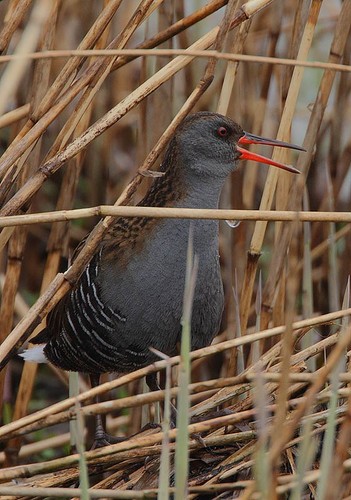
Water Rail
23-28 cm (9-11 in) long, wingspan 38-45 cm
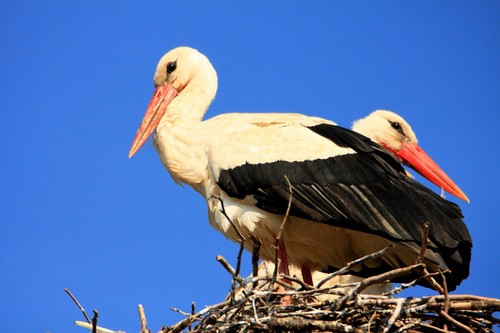
White Stork
100-125 cm (39-49 in) long, 155-215 cm wingspan
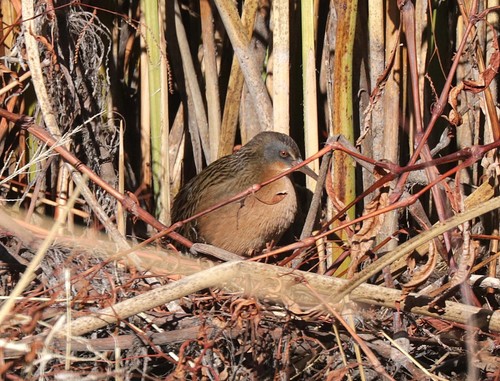
Virginia Rail
20-27 cm (8-11 in) long, wingspan 32-38 cm
Wattled Jacana
17-23 cm (7-9 in) long