
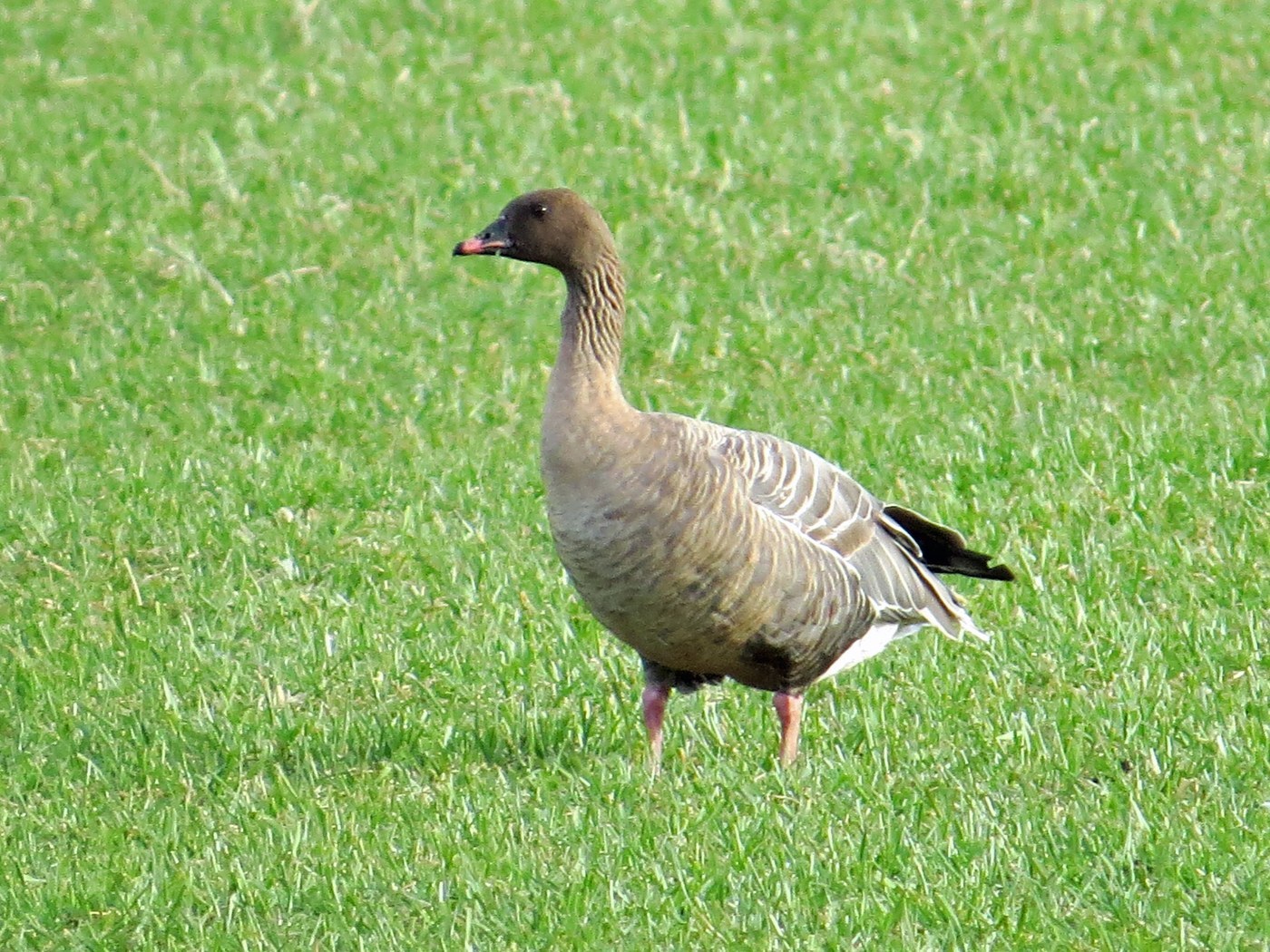
Pink-footed Goose
Anser brachyrhynchus
A medium-sized grey goose with a compact dark head, pink legs and bill band, best known for spectacular wintering flocks in Britain.
- Size
- 60-75 cm (24-30 in) long, 135-170 cm wingspan
- Habitat
- Arctic tundra and moorland for breeding; farmland, estuaries, and grasslands in winter
- Type
- waterfowl
Spotted a bird like this?
Identify any bird from a photo, free.
Overview
The Pink-footed Goose is a medium-sized "grey goose" with an overall brownish-grey body, a relatively small, dark head and neck, and a short, mostly black bill marked with a pink band. As its name suggests, the legs and feet are pink, a useful field mark shared with only a couple of similar species.
In flight, the goose shows a pale grey forewing and a neat, compact silhouette, and it is most often encountered in large, noisy skeins moving between roosting and feeding grounds.
How to identify it
Key field marks
- Small, rounded dark brown head contrasting with a paler grey-brown body
- Short bill, mostly black with a pink band near the tip
- Pink legs and feet
- Pale bluish-grey wing coverts visible in flight
Similar species
- Bean Goose: larger, longer-necked, with an orange (not pink) leg color and a longer bill with more orange
- Greylag Goose: larger, paler overall, with an orange bill and pink legs but lacking the small dark head
The small dark head paired with pink legs is the most reliable combination for separating this species from other grey geese.
Habitat & range
Range and habitat
Pink-footed Geese breed on Arctic tundra and moorland in Iceland, eastern Greenland, and Svalbard, nesting near rivers, lakes, and rocky outcrops.
Migration
The species migrates south in autumn to winter almost entirely in Great Britain (especially Scotland and eastern England), Denmark, and the Low Countries, where flocks feed on farmland stubble, root crop remnants, and grasslands, often gathering in flocks of tens of thousands at traditional sites.
Behavior & voice
Behavior
Highly gregarious, Pink-footed Geese form immense wintering flocks that commute daily between safe estuary or reservoir roosts and inland feeding fields, producing spectacular mass flights at dawn and dusk.
Voice
The call is a high, musical "wink-wink" or "ang-ank," softer and higher-pitched than the calls of larger grey geese.
Feeding
Outside the breeding season they feed heavily on agricultural land, gleaning waste grain, potatoes, and sugar beet tops, as well as grazing on grass.
Nesting and breeding
Nests are built as down-lined scrapes on the ground, often on cliff ledges or rocky islands to avoid Arctic fox predation; pairs are monogamous and family groups remain together through the winter migration.
Frequently asked questions
Where do Pink-footed Geese spend the winter?
The vast majority winter in Great Britain, along with smaller numbers in Denmark and the Netherlands, feeding on farmland and roosting on estuaries and reservoirs.
How can you identify a Pink-footed Goose?
Look for a small, dark head, a short bill with a pink band, pink legs, and a generally compact, brownish-grey body.
What is the difference between a Pink-footed Goose and a Bean Goose?
Pink-footed Geese are smaller with pink legs and a shorter bill, while Bean Geese are larger with orange legs and a longer, more orange-marked bill.
Do Pink-footed Geese breed in Britain?
No, they breed in Iceland, Greenland, and Svalbard and only visit Britain and nearby areas as non-breeding winter visitors.
Pink-footed Goose guides
In-depth guides for identifying, finding, and understanding Pink-footed Goose.
Other birds you may enjoy
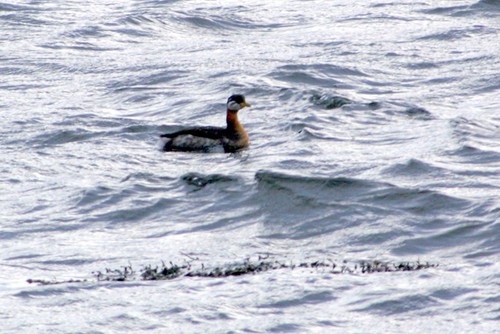
Red-necked Grebe
40-55 cm (16-22 in) long, 77-85 cm wingspan
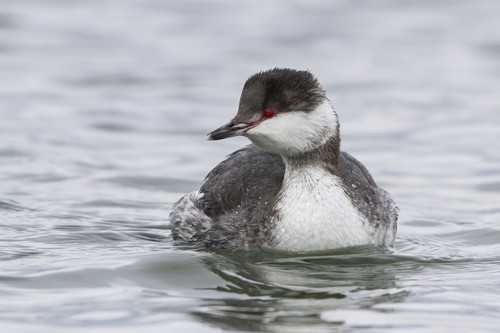
Horned Grebe
31-38 cm (12-15 in) long, 46-55 cm wingspan
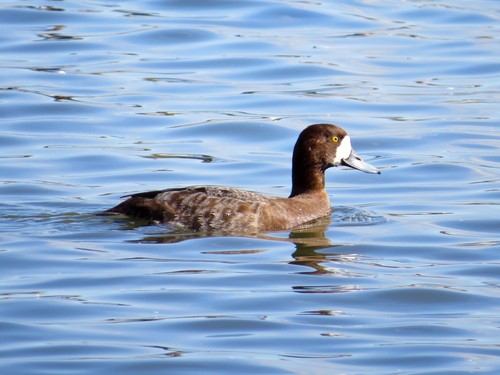
Greater Scaup
42-51 cm (16.5-20 in) long, 71-84 cm wingspan
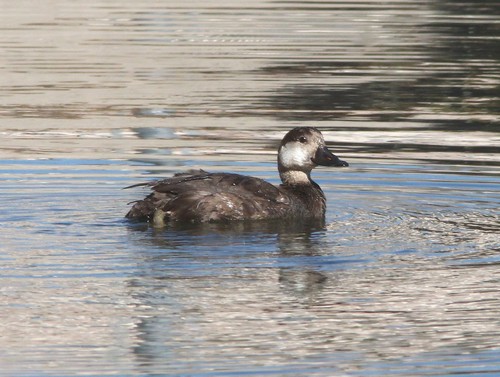
Black Scoter
43-54 cm (17-21 in) long, 79-90 cm wingspan
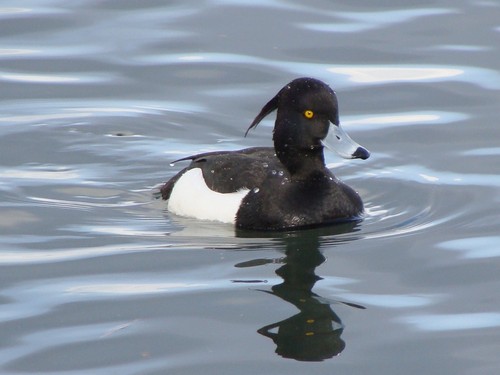
Tufted Duck
40-47 cm (16-18.5 in) long, 67-73 cm wingspan
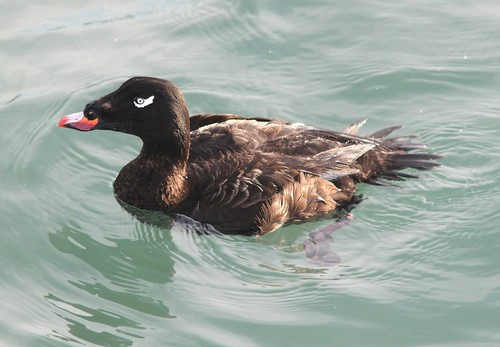
White-winged Scoter
48-58 cm (19-23 in) long, 86-99 cm wingspan
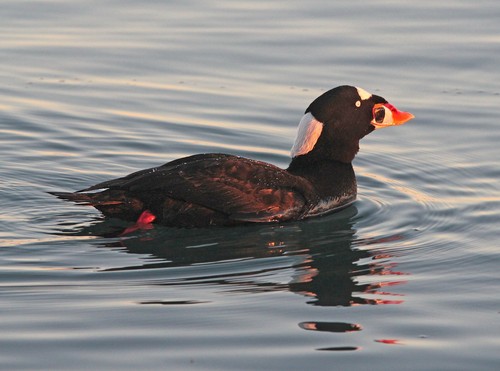
Surf Scoter
45-56 cm (18-22 in) long, 78-92 cm wingspan
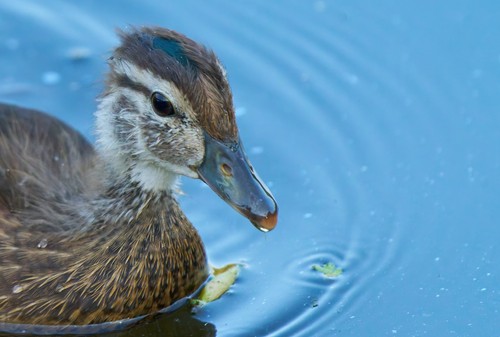
Wood Duck
47-54 cm (18.5-21 in) long, 66-73 cm wingspan
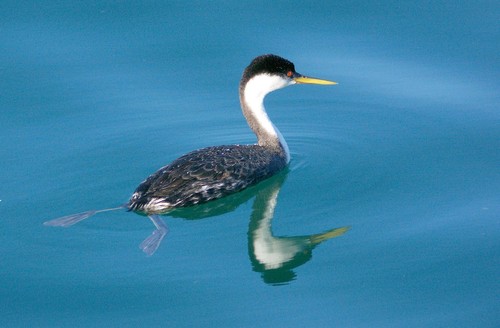
Western Grebe
56-74 cm (22-29 in) long, 79-102 cm wingspan
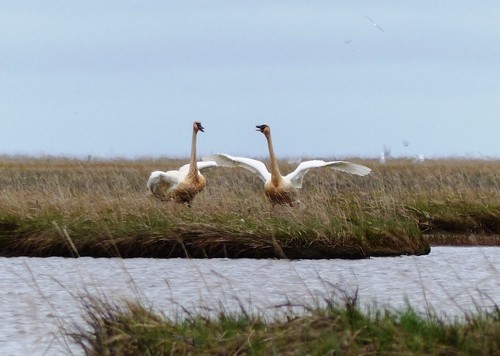
Tundra Swan
115-150 cm (45-59 in) long, about 180 cm wingspan
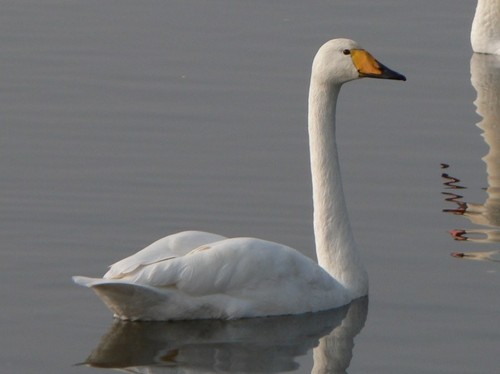
Whooper Swan
140-165 cm (55-65 in) long, 205-235 cm wingspan
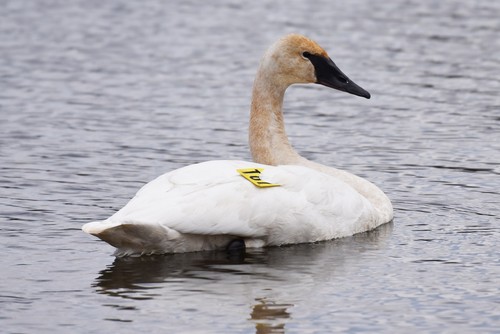
Trumpeter Swan
150-180 cm (59-71 in) long, up to 300 cm wingspan