
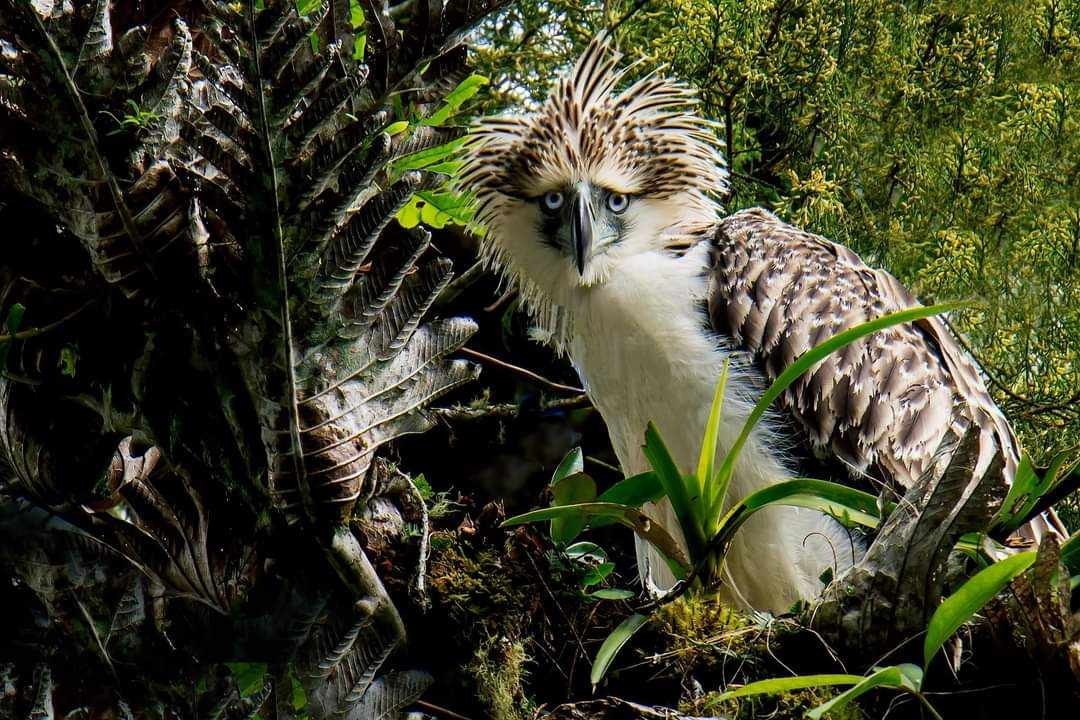
Philippine Eagle
Pithecophaga jefferyi
The national bird of the Philippines, this critically endangered eagle sports a shaggy, lion-like crest of brown feathers and ranks among the largest and rarest eagles on Earth.
- Size
- Body 86–102 cm (34–40 in); wingspan up to 220 cm (7.2 ft); among the heaviest eagles in the world
- Habitat
- Primary dipterocarp and montane tropical rainforest
- Type
- raptor
Spotted a bird like this?
Identify any bird from a photo, free.
Overview
The Philippine Eagle is the national bird of the Philippines and one of the largest, most powerful eagles in the world, found only on a handful of Philippine islands. It is instantly recognizable for its shaggy crest of long, narrow brown-and-cream feathers on the nape, which it can raise into a lion-like mane.
The upperparts are dark brown, the underparts and crown creamy white to pale buff, and the massive, deep bill and legs are bluish-gray. Its piercing pale blue-gray eyes and huge bill give it a fierce, imposing expression fitting its status as an apex predator.
Once known as the "monkey-eating eagle," it was renamed after research showed its diet is far more varied than that name implied.
How to identify it
Key field marks
- Long, shaggy nape feathers forming an erectile, mane-like crest
- Massive, deep, bluish-gray bill
- Dark brown upperparts contrasting with a pale, creamy crown and underparts
- Blue-gray legs and feet with large talons
- Very broad, long wings and long tail adapted for soaring above forest canopy
Similar species
No other raptor within its range approaches its size or shaggy crest, making adults essentially unmistakable. Juveniles show the same basic pattern as adults but with slightly paler, more uniform plumage until they mature.
Habitat & range
Range
The Philippine Eagle is endemic to the Philippines, found only on the islands of Luzon, Samar, Leyte, and Mindanao, with the largest remaining population on Mindanao.
Habitat
It requires large tracts of primary dipterocarp forest, from lowlands up into montane forest, and each breeding pair needs an enormous territory of roughly 40 to 90 square kilometers to find sufficient prey.
Migration
The species is non-migratory and strictly resident, which makes it especially vulnerable where forest habitat has been cleared or fragmented across its limited island range.
Behavior & voice
Hunting and feeding
Despite its great size, the Philippine Eagle is an agile flier within the forest, hunting from a perch and diving onto prey such as flying lemurs (colugos), civets, monkeys, large snakes, monitor lizards, and birds.
Voice
It gives loud, high-pitched whistled calls, particularly during territorial and courtship displays, often heard before the bird itself is seen.
Nesting and breeding
Pairs are monogamous and mate for life, building a huge stick nest high in an emergent forest tree. A single egg is laid roughly every two years, and the chick remains dependent on its parents for about a year and a half to two years, giving the species one of the slowest reproductive rates of any eagle.
Frequently asked questions
Why is the Philippine Eagle endangered?
Rampant deforestation across its island range, along with historical hunting and its naturally very slow reproductive rate, have reduced the population to only a few hundred pairs in the wild.
What does the Philippine Eagle eat?
It hunts flying lemurs, civets, monkeys, large snakes, monitor lizards, and various birds within primary forest.
Where is the Philippine Eagle found?
It is endemic to the Philippines, occurring only on the islands of Luzon, Samar, Leyte, and Mindanao.
Is the Philippine Eagle the national bird of the Philippines?
Yes, it was declared the national bird of the Philippines in 1995 and is a strong symbol of national conservation efforts.
How large is a Philippine Eagle compared to other eagles?
It is among the largest eagles in the world by length and wing surface area, rivaling the Harpy Eagle and Steller's Sea Eagle in overall size.
Philippine Eagle guides
In-depth guides for identifying, finding, and understanding Philippine Eagle.
Other birds you may enjoy
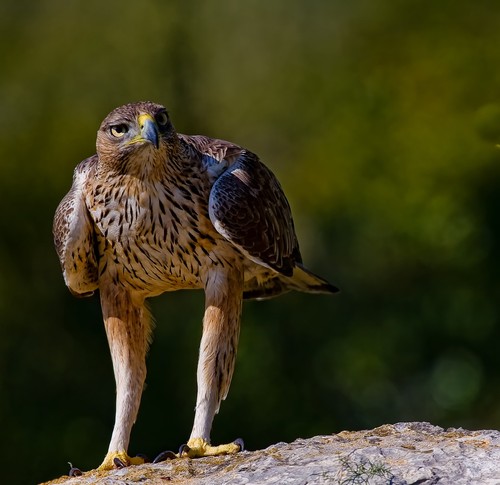
Bonelli's Eagle
Body 65–72 cm (26–28 in); wingspan 150–180 cm (59–71 in)
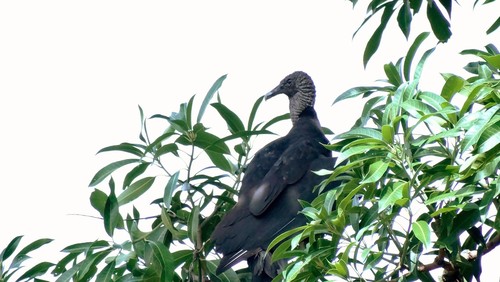
Black Vulture
56-68 cm (22-27 in) long, 137-165 cm wingspan
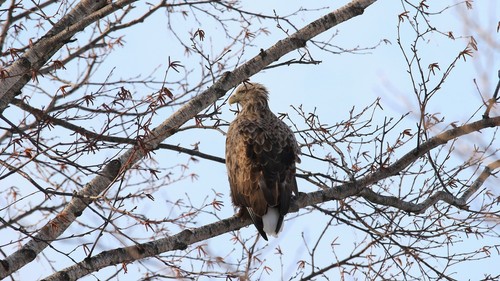
White-tailed Eagle
66-94 cm body length; wingspan 178-245 cm, among the largest eagles in the world
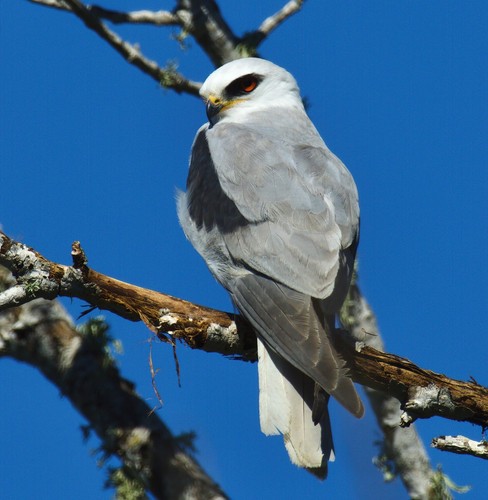
White-tailed Kite
35-43 cm (14-17 in) long, 88-102 cm (35-40 in) wingspan
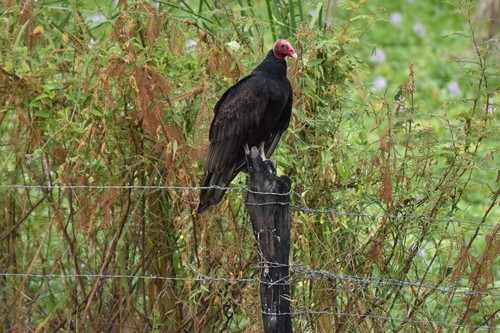
Turkey Vulture
64-81 cm (25-32 in) long, 160-183 cm wingspan
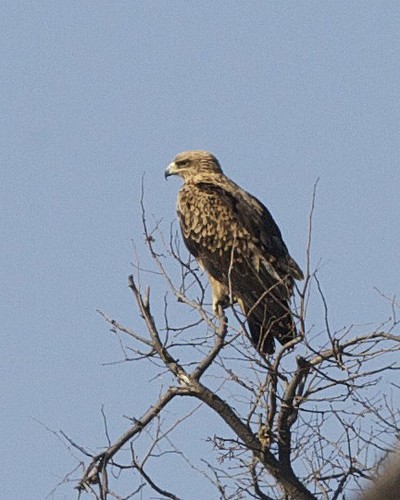
Tawny Eagle
62–75 cm long; wingspan 1.65–2.0 m
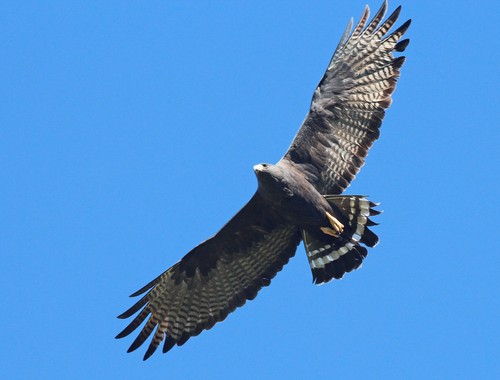
Zone-tailed Hawk
46-56 cm (18-22 in) long, 118-140 cm (46-55 in) wingspan
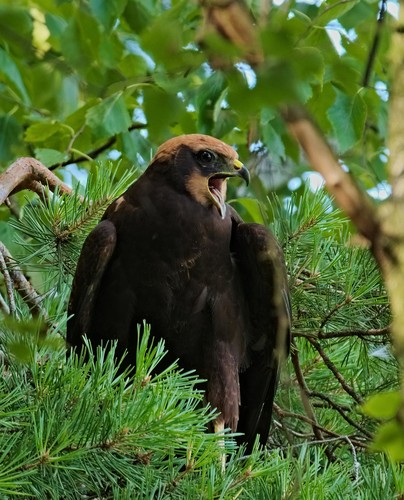
Western Marsh Harrier
Body 43-56 cm; wingspan 115-140 cm
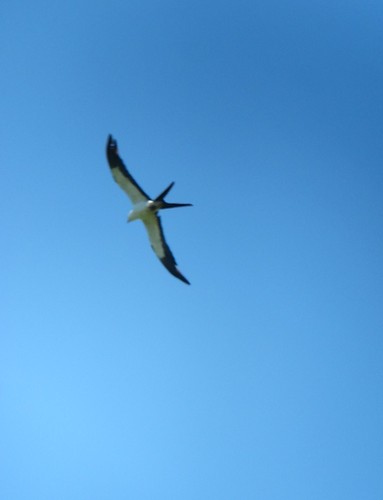
Swallow-tailed Kite
48-68 cm (19-27 in) long including tail streamers, 112-136 cm (44-54 in) wingspan
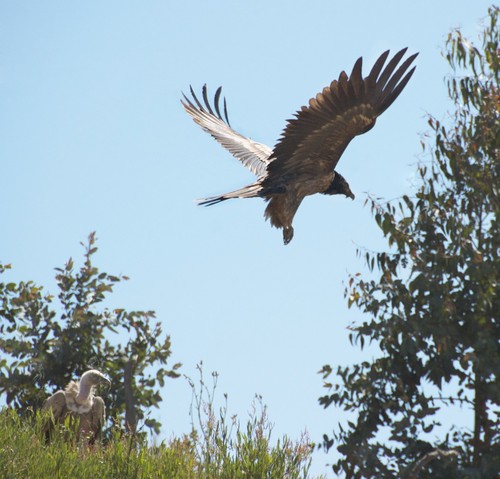
White-backed Vulture
78-98 cm long, wingspan 1.96-2.25 m
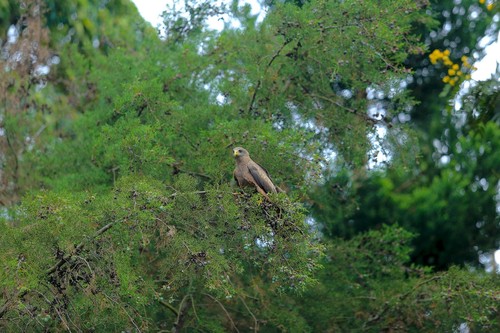
Yellow-billed Kite
55-60 cm long; wingspan 130-155 cm
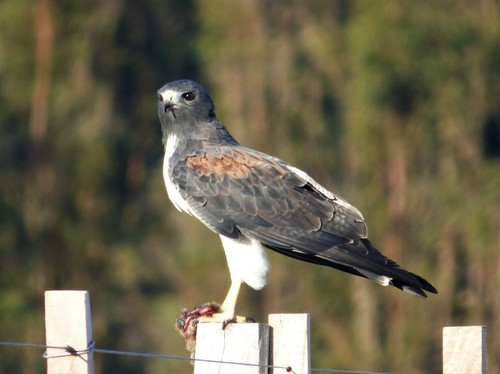
White-tailed Hawk
46-59 cm (18-23 in) long, 122-142 cm (48-56 in) wingspan