
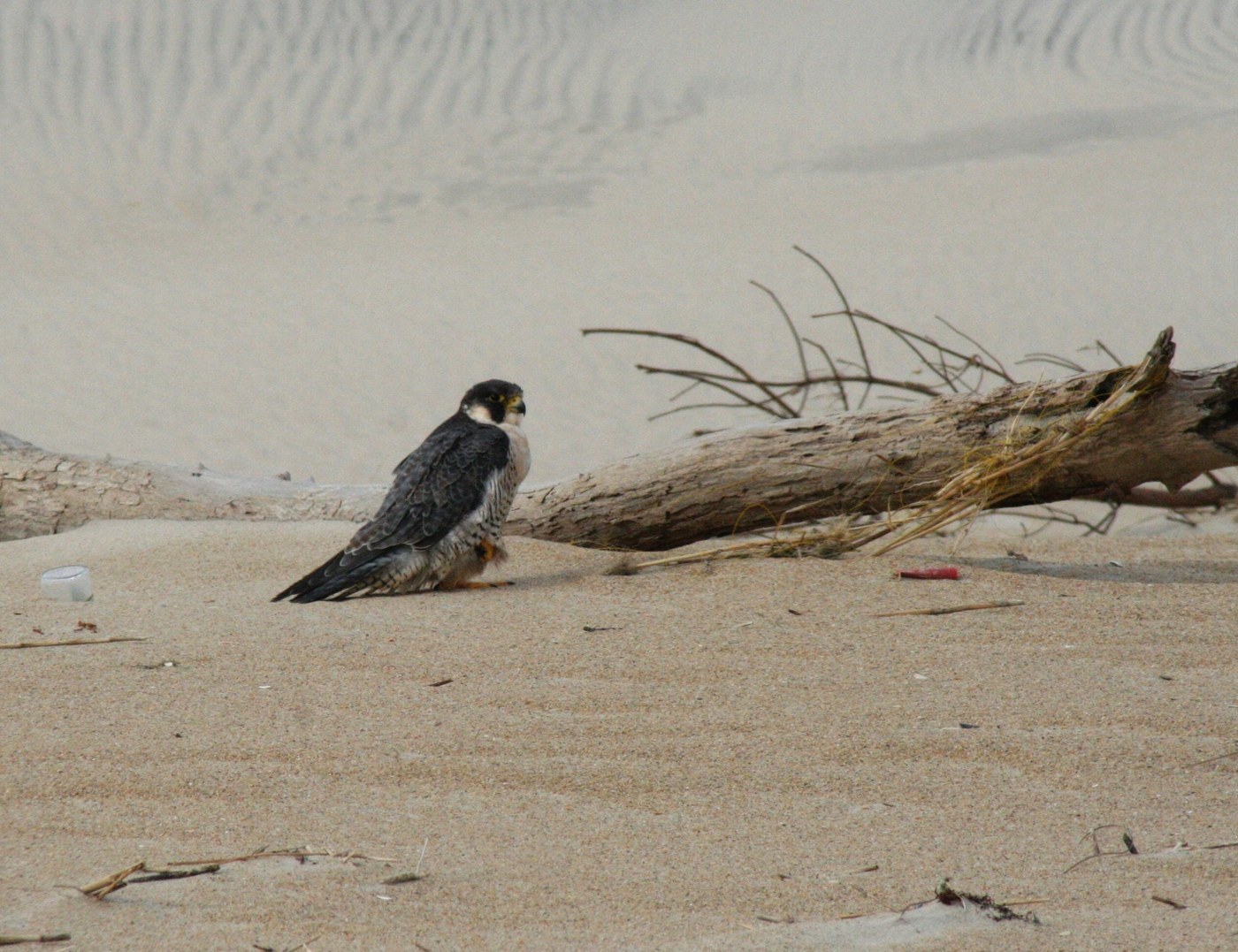
Peregrine Falcon
Falco peregrinus
The fastest animal on Earth, this powerful falcon stoops on other birds at speeds exceeding 300 km/h (200 mph).
- Size
- 34-58 cm (13-23 in) long, 74-120 cm (29-47 in) wingspan; females noticeably larger than males
- Habitat
- cliffs, coastlines, and increasingly urban skyscrapers and bridges
- Type
- raptor
Spotted a bird like this?
Identify any bird from a photo, free.
Overview
The Peregrine Falcon is a powerful, streamlined falcon with a dark slate-gray back, a bold black "helmet" and moustache mark on a pale face, and finely barred white-to-buff underparts. Its pointed wings and relatively short tail give it a classic falcon silhouette built for speed, and it is famous as the fastest animal in the world, reaching speeds well over 300 km/h (200 mph) in its hunting stoop.
Once devastated across much of its range by the pesticide DDT, which thinned eggshells and crashed populations in the mid-20th century, the Peregrine Falcon has made one of conservation's great comeback stories following the DDT ban and captive-breeding reintroduction programs, and now nests on skyscrapers and bridges in many cities as readily as on wild cliffs.
How to identify it
Key Field Marks
- Dark slate-gray back and crown with a bold black moustache mark against a pale cheek
- Finely barred white to buffy-orange underparts
- Long, pointed wings and relatively short tail, typical falcon shape
- Fast, powerful, direct flight; hunts by stooping on birds from above
Similar Species
- Prairie Falcon: paler brown above with a narrower moustache mark and distinctive dark axillary ("wingpit") patches, found in drier open country rather than cliffs and cities alike.
- Merlin: much smaller and stockier, lacking the strong facial moustache pattern.
- Gyrfalcon: larger and bulkier, typically paler or grayer overall, found in Arctic regions.
Habitat & range
Range
Peregrine Falcons have one of the most widespread distributions of any bird species, found on every continent except Antarctica. In North America they breed from the Arctic tundra south through mountainous and coastal regions, and many populations are migratory.
Habitat
Traditionally a cliff-nesting species along coastlines, river gorges, and mountains, Peregrines have adapted remarkably well to urban environments, nesting on skyscrapers, bridges, and other tall structures that mimic natural cliff ledges, often hunting pigeons and other city birds.
Behavior & voice
Hunting
Peregrines hunt almost exclusively other birds in flight, using a high-speed diving attack called a stoop, in which they fold their wings and plummet from great height to strike prey with their feet, often killing instantly on impact.
Voice
The call is a loud, harsh, repeated "kack-kack-kack," typically given near the nest site in alarm or territorial defense.
Nesting
No nest is built; eggs are laid in a shallow scrape on a cliff ledge, building, or bridge structure. Clutches typically contain three to four eggs, and pairs often reuse the same nest site for many years.
Frequently asked questions
How fast can a Peregrine Falcon fly?
In its hunting stoop, a Peregrine Falcon can exceed 300 km/h (200 mph), making it the fastest animal in the world.
Why did Peregrine Falcons decline in the 20th century?
The pesticide DDT accumulated in their bodies and caused eggshell thinning, leading to widespread nest failure until DDT was banned and populations recovered with conservation help.
Why do Peregrine Falcons nest on city buildings?
Tall skyscrapers and bridges resemble the cliff ledges they naturally nest on, and cities often provide abundant pigeon prey, making urban areas surprisingly good habitat.
What do Peregrine Falcons eat?
Almost exclusively other birds, caught in flight, ranging from small songbirds to medium-sized ducks and shorebirds.
Peregrine Falcon guides
In-depth guides for identifying, finding, and understanding Peregrine Falcon.
Other birds you may enjoy
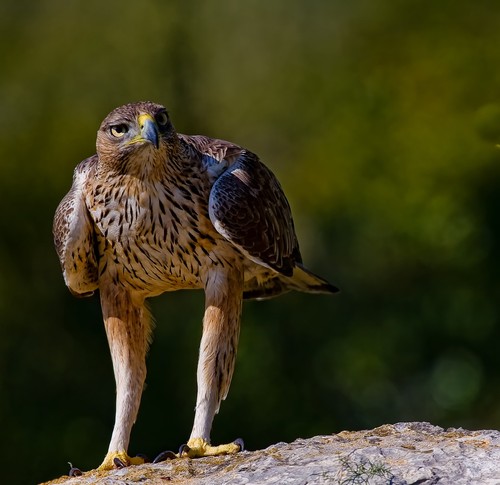
Bonelli's Eagle
Body 65–72 cm (26–28 in); wingspan 150–180 cm (59–71 in)
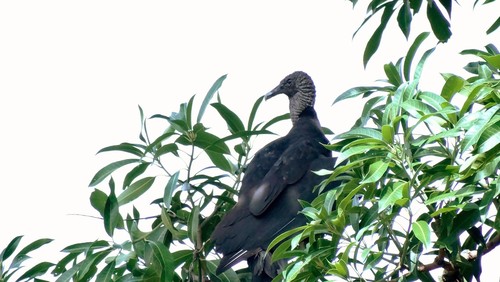
Black Vulture
56-68 cm (22-27 in) long, 137-165 cm wingspan
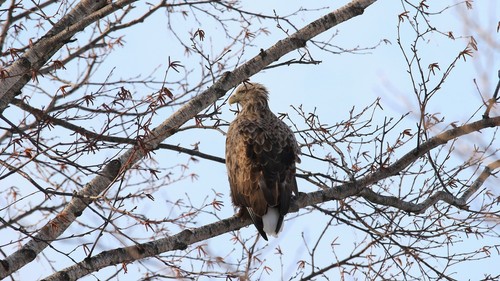
White-tailed Eagle
66-94 cm body length; wingspan 178-245 cm, among the largest eagles in the world
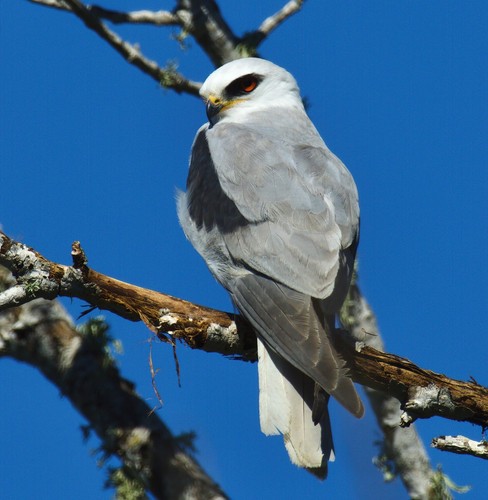
White-tailed Kite
35-43 cm (14-17 in) long, 88-102 cm (35-40 in) wingspan
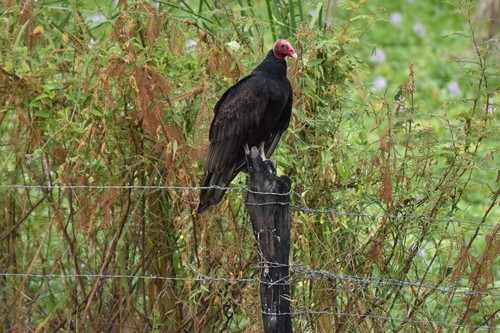
Turkey Vulture
64-81 cm (25-32 in) long, 160-183 cm wingspan
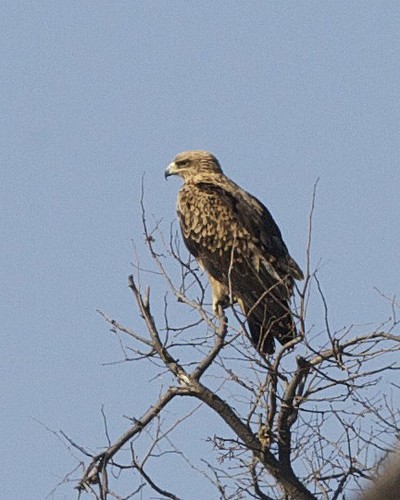
Tawny Eagle
62–75 cm long; wingspan 1.65–2.0 m
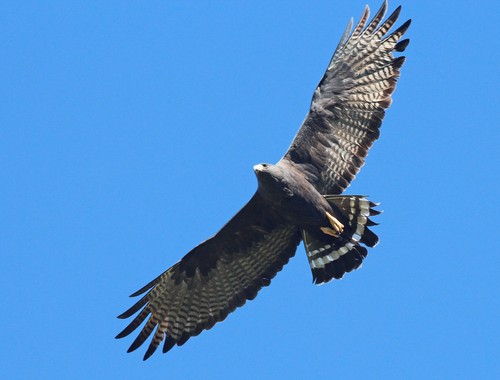
Zone-tailed Hawk
46-56 cm (18-22 in) long, 118-140 cm (46-55 in) wingspan
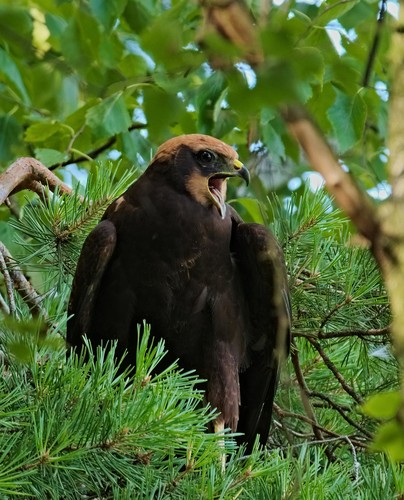
Western Marsh Harrier
Body 43-56 cm; wingspan 115-140 cm
Swallow-tailed Kite
48-68 cm (19-27 in) long including tail streamers, 112-136 cm (44-54 in) wingspan
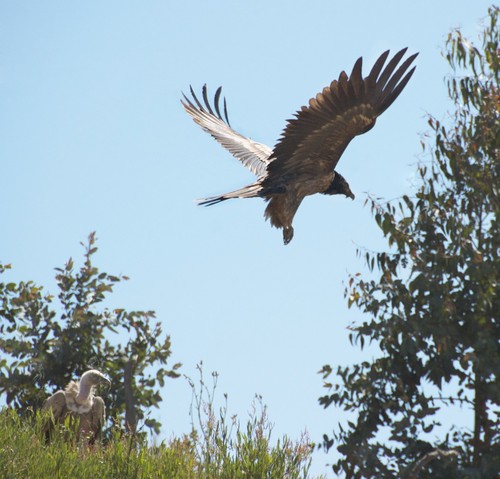
White-backed Vulture
78-98 cm long, wingspan 1.96-2.25 m
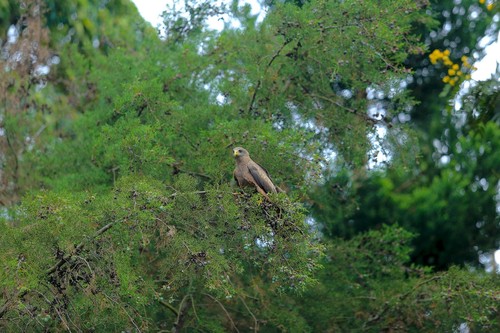
Yellow-billed Kite
55-60 cm long; wingspan 130-155 cm
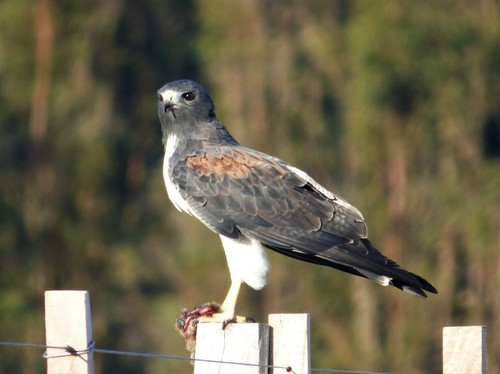
White-tailed Hawk
46-59 cm (18-23 in) long, 122-142 cm (48-56 in) wingspan